We are seeing a massive divergence in search behavior. While informational traffic has plummeted, commercial search intent in 2026 remains a goldmine. People are still using Google to find specific tools, APIs, and services to solve immediate problems. This article breaks down the exact playbook used by founders like Mickey from Late (a social media API) to scale from zero to $40,000 MRR in just seven months by ignoring the noise and focusing on the bottom of the funnel.
The Death of Informational Search: Why 'How-To' is History
Understand why traditional informational search is dying as Google's algorithm continues to evolve.
In 2026, the traditional top-of-funnel (ToFu) strategy is a ghost town. When a user wants to know "how to schedule a tweet," they no longer want to scroll through a 2,000-word blog post filled with filler text. They want the answer, and AI agents provide it in seconds. This has led to a 60-70% drop in traffic for generic educational keywords across the board. If your strategy relies on "ultimate guides" to general topics, you are essentially donating your content to train the AI models that will eventually replace your traffic.
"The truth is Google search is not dead, but informational queries are. If you search for information, you'll use an AI. If you search for a solution, you'll use Google."The winners in this landscape are those who target intent-based queries. These are searches where the user is looking for a specific utility or a commercial transaction. For example, while "how to code a social media bot" is an informational query losing steam, "Twitter API for scheduling" or "LinkedIn automation tool" are high-intent commercial queries. These users aren't just looking for knowledge; they are looking for a purchase-ready solution.
The Bottom of the Funnel (BoFu) Playbook for 2026
Learn how to target low competition keywords that drive high intent organic traffic.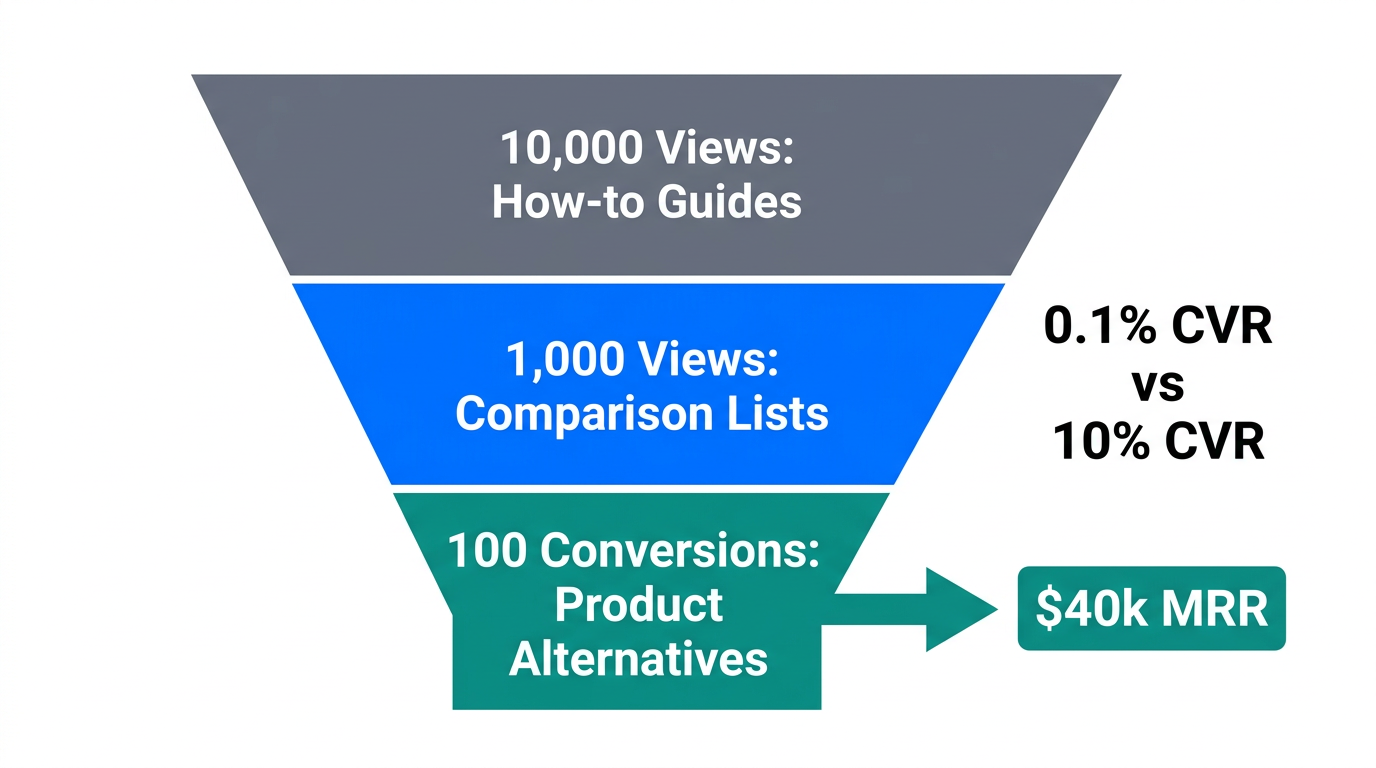
The most successful founders this year are using a "surgical" approach to keyword research. Instead of looking for keywords with 10,000+ monthly searches, they are mining Ahrefs and Semrush for keywords with 300 to 800 monthly searches that have low competition but 10x higher purchase intent.
This bottom of the funnel content marketing strategy works because it captures users at the exact moment they are ready to buy. When Mickey launched Late, he didn't try to rank for "social media marketing." He went deep on terms like "scheduling API for Twitter" and "Instagram API for developers." These are terms used by people who have a painful problem and a budget to fix it.
| Search Query Type | User Intent | 2026 Performance | Conversion Potential |
|---|---|---|---|
| Informational ("How to...") | Education/Research | Declining (AI captures this) | Low |
| Navigational ("Brand Name") | Finding a site | Stable | Medium |
| Commercial/Intent-Based | Seeking a tool/service | Growing/Stable | High |
To execute this, you must create in-depth, documentation-style guides that answer the user's specific technical intent. If the keyword is "Instagram post API," your page shouldn't be a fluffy blog post; it should be a technical landing page with clear code snippets, pricing, and a direct CTA to your signup page. This is exactly how Late generated over $8,000 in organic monthly revenue alongside their paid efforts.
Leveraging Claude Code to Build SEO Magnets
Explore how new tools allow you to build and optimize without needing deep coding knowledge.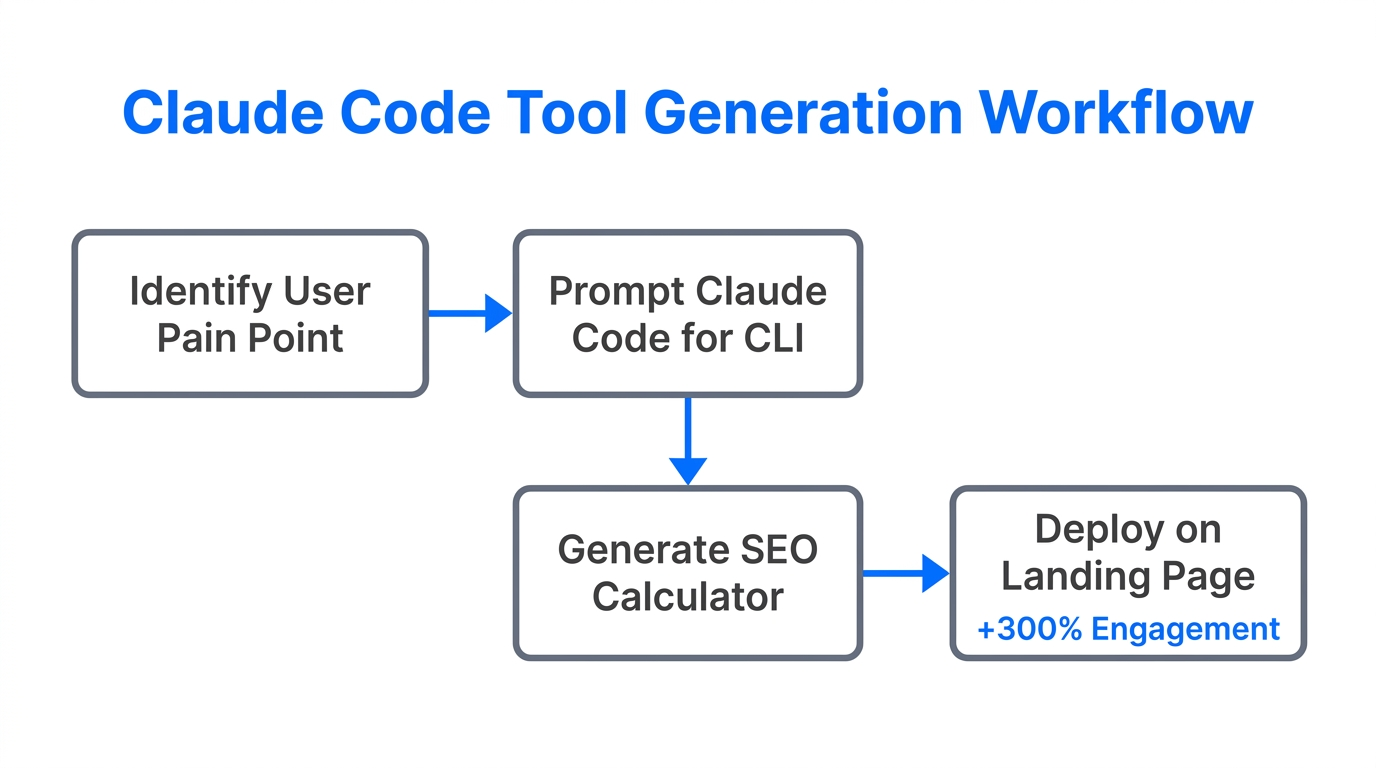
One of the biggest competitive advantages in 2026 is the ability to build free tools that rank for high-intent keywords. In previous years, building a "Social Media ROI Calculator" or a "JSON Formatter" required a week of developer time. Today, founders are using Claude Code to spin up functional, high-performance web tools in minutes.
By using Claude Code, you can generate a React-based tool, optimize it for mobile, and deploy it to rank for keywords like "free Twitter analytics tool" or "API response tester." These tools act as permanent lead magnets. They provide immediate value, earn high-quality backlinks naturally, and allow you to place a "Built by [Your Brand]" CTA at the bottom, driving a steady stream of users into your ecosystem.
"AI isn't just for writing articles anymore; it's for building the software that ranks where articles used to."When building these tools, focus on SaaS SEO vs AI search dynamics. While an AI might explain a concept, it cannot *be* the tool. A user searching for a "CSV to API converter" needs the actual interface, not just a description of how one works. This is where your brand wins.
The Hybrid Growth Engine: Organic + Paid Search
Discover the powerful synergy between organic keyword research and paid advertising performance data.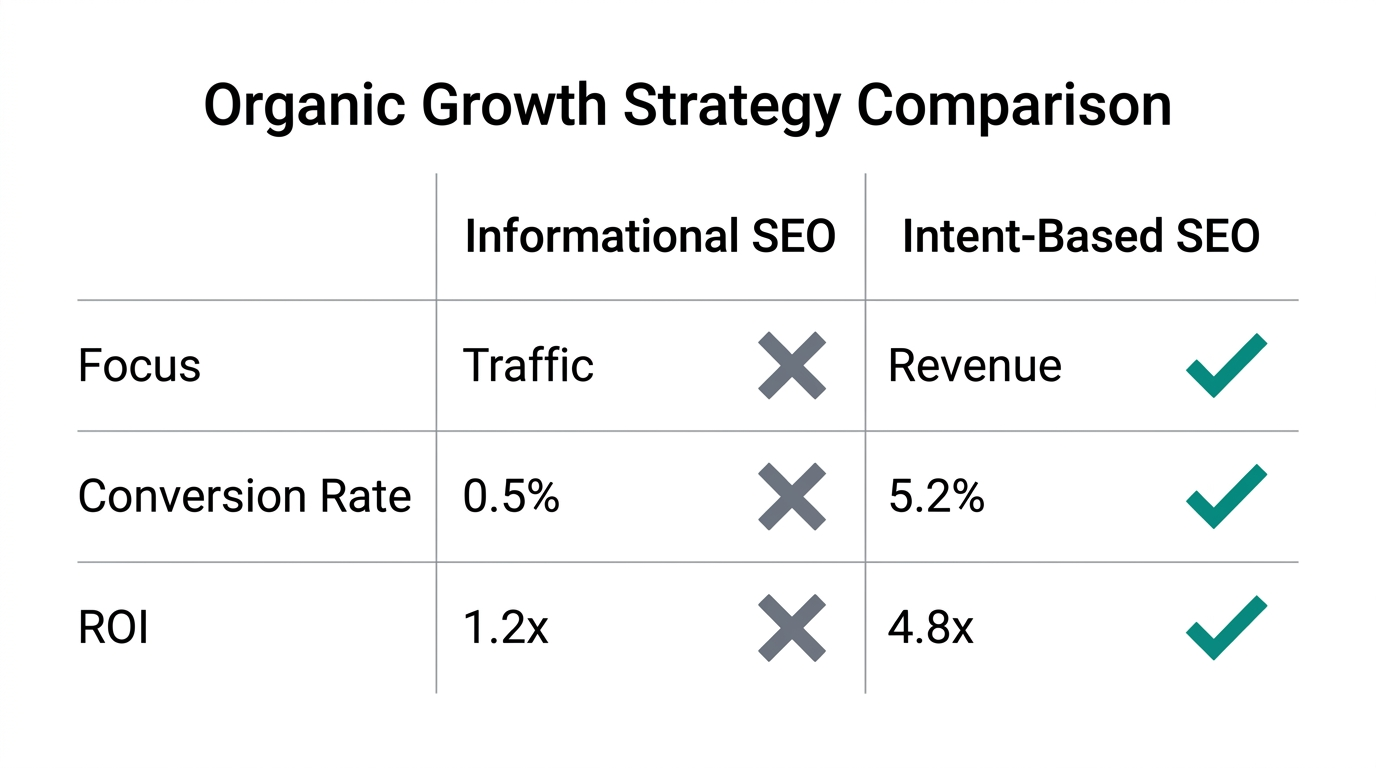
Mickey's success at Late wasn't just about organic SEO; it was about a mathematical approach to growth. He used Google Ads as a "guaranteed revenue engine" while waiting for organic rankings to compound. This hybrid approach is the gold standard for 2026.
- Identify high-intent keywords: Use Ahrefs to find keywords you *should* rank for.
- Run Paid Ads: Bid on these exact keywords using Google Ads. This gives you immediate data on which keywords actually convert to paying users.
- Build Organic Content: Once you see a keyword like "LinkedIn API" converting at a high rate in your ads, double down by creating the best organic page for that term on your developer portal.
- Optimize the Funnel: Use tools like PostHog to track the user journey from click to conversion.
This strategy allows you to treat marketing like a math problem. If you spend $8,000 on ads and generate $20,000 in revenue (a 2.5x ROAS), you can reinvest that profit into more content and more tools, creating a flywheel of growth. For teams working with influencers to drive this traffic, platforms like Stormy AI can help discover and manage the creators who can amplify these high-intent pages to their niche audiences.
Link Building in 2026: Authenticity Over Automation
Guest posting is dead. In an era of AI-generated spam, Google has become incredibly sensitive to low-quality backlinks. In 2026, link building is about two things: manual outreach and utility-based links.
Building free tools (as discussed with Claude Code) is the most effective way to earn links naturally. Other sites will link to your tool because it is a useful resource for their readers. Beyond that, the most successful founders are doing manual outreach—reaching out to partners and industry peers to build genuine relationships. If you're a B2B SaaS, you should also ensure you are compliant with standards like SOC 2, as this allows you to land larger enterprise customers who might link back to you from their own resource pages.
Converting Searchers into Users
Traffic is useless if it doesn't convert. In 2026, your site structure must be mobile-first and high-speed. Developers and business owners are often searching for solutions on the fly, and a slow-loading documentation page is the fastest way to lose a lead.
Your landing pages should feature:
- Clear Value Propositions: Don't just list features. Tell them they can "Scale 30 days of social media in 1 hour."
- Low-Friction Signups: Use Stripe for seamless checkout and consider offering a "Build" plan where users can start for free or at a low cost.
- Internal Linking: Guide users from your high-intent articles to related tools or documentation to keep them in your ecosystem.
Conclusion: The New Era of Search
The transition from informational to intent-based SEO is the biggest shift in digital marketing since the mobile revolution. By focusing on commercial search intent, building useful tools with Claude Code, and combining organic efforts with Google Ads, you can build a predictable, scalable growth engine even in an AI-dominated world.
Stop trying to be everything to everyone. Pick your single best channel—whether it's paid search or organic tool-based SEO—get obsessed with it, and measure it relentlessly. For those looking to augment their search strategy with creator partnerships, Stormy AI provides the data-driven discovery tools needed to find influencers who can drive even more high-intent traffic to your brand.