The 2026 Instagram Shopping Playbook: Leveraging Meta AI for Predictive Social Commerce
Master the Instagram Shopping strategy 2026 with Meta AI. Learn to use predictive e-commerce marketing and AI virtual try-on Instagram tools to boost sales.
By the start of 2026, the boundary between scrolling and shopping hasn’t just blurred—it has vanished. We have moved beyond the era of "discovery" and into the age of ecosystem-driven commerce. For growth leads and e-commerce founders, the old manual playbook of posting and praying for virality is obsolete. Today, the global social commerce market is valued at $2.11 trillion, and Instagram remains the primary battlefield for brands looking to capture the most lucrative consumer segments in history.
As of 2026, Instagram has evolved from a recommendation engine into what Meta CEO Mark Zuckerberg describes as a "personal superintelligence" for consumers. This shift requires a radical pivot in strategy: moving from reactive content creation to predictive e-commerce marketing. This guide will walk you through the advanced AI tools and workflows necessary to dominate the Instagram Shopping landscape this year.
"2025 marked a decisive shift... shoppers began asking AI instead of typing keywords. In 2026, shopping will turn predictive and culturally aware." — Dani Nadel, President of Feedvisor
The 2026 Social Commerce Landscape: By the Numbers
Before diving into the technical setup, it is vital to understand the sheer scale of the opportunity. Instagram generated approximately $37.2 billion in social commerce revenue last year, and that number is surging. The driving force behind this growth isn't just better ads; it is the fundamental change in how the nearly 50% of Gen Z and Millennials who make direct social purchases interact with the platform.
According to recent data, 70% of Instagram users now actively engage with shopping features, with over 130 million users tapping on shoppable posts every single month. Furthermore, AI integrations are expected to influence nearly 80% of all e-commerce sales by the end of this year. If your brand is still relying on manual discovery, you are effectively leaving money on the table for AI-optimized competitors to scoop up.
| Metric | 2024 Baseline | 2026 Projection |
|---|---|---|
| Global Social Commerce Market | $1.3 Trillion | $2.11 Trillion |
| Direct Purchase Rate (Gen Z) | 38% | 49% |
| AI Influence on Sales | 45% | 80% |
| Monthly Shoppable Post Taps | 90M | 130M+ |
Step 1: Implementing Predictive Virality with Pixis
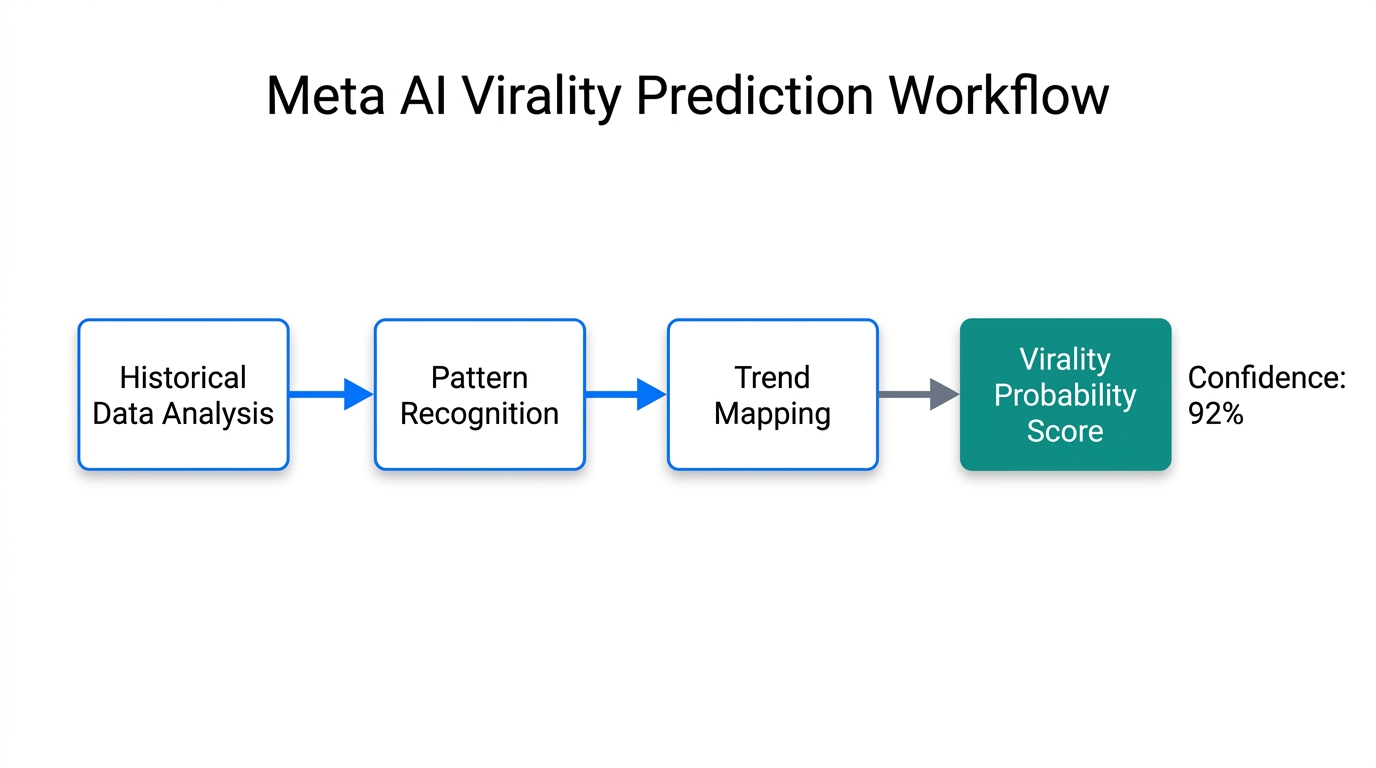
In 2026, the biggest drain on marketing budgets is the "testing phase" for Reels. Traditionally, you would spend $5,000 to see what sticks. With predictive virality tools, that workflow is dead. Platforms like Pixis.ai now allow brands to forecast the success of a Reel before a single dollar of ad spend is allocated.
By analyzing real-time cultural trends, visual hooks, and audio resonance, these AI models provide a probability score for virality. This allows growth leads to reallocate budgets to high-momentum content in real-time, effectively scaling winning creative while it's still on the upward trend. This is the cornerstone of a modern Instagram Shopping strategy 2026: don't find the audience for your content; find the content that the AI knows the audience already wants.
Step 2: Setting Up AR-Enhanced 'Shop the Look' Features
One of the most significant barriers to social commerce has always been the "return rate" in fashion and beauty. Meta AI has solved this with the 2026 rollout of AR-enhanced 'Shop the Look'. This feature utilizes AI virtual try-on Instagram technology to let users see how apparel, accessories, or makeup will look on their specific body type or skin tone directly within the app.
How to implement AR try-on for your brand:
- Digitize Your Catalog: Use tools like ADEN's Lab to create high-fidelity 3D assets of your products.
- Enable Meta AI Integration: Connect your Shopify or Stripe-based catalog to Meta’s Business Suite.
- Apply 'Shop the Look' Tags: Use AI to automatically pair customer-generated content (UGC) with these AR tags.
This immersive experience, as noted by Boko Digital, significantly reduces the hesitation to purchase. Sephora, for example, saw a 25% rise in direct sales after integrating an AI virtual assistant that guided users through these AR shopping experiences.
"Omnichannel isn’t optional anymore; it’s the foundation for trust. In 2026, we will see autonomous transactions driven by AI agents." — Mark Andreev, COO of Exactly.com
Step 3: Matching Studio Shots with Trending Aesthetics
A common mistake in 2026 is the "aesthetic clash." You have high-end studio shots for your website, but your Instagram feed needs to look like authentic, raw UGC to convert Gen Z shoppers. Visual continuity AI solves this by generating consistent "lifestyle" backgrounds for your studio shots that match the specific aesthetic of trending Reels.
Instead of hiring a production crew for every trend, tools like ADEN's Lab allow you to transplant your product into any environment. This ensures your AI virtual try-on Instagram experience feels native to the user's feed. To fuel this engine, brands are increasingly turning to Stormy AI to discover the right niche creators who can provide the base UGC that these AI models then enhance and scale.
By using Stormy AI to source creators with high audience quality, you ensure the "human" half of your human-AI hybrid strategy is solid. This is essential for avoiding the "uncanny valley" effect that luxury brands like Valentino faced when their AI-generated videos looked too artificial for their sophisticated audience.
Step 4: Transitioning to Conversational Funnels

The traditional landing page is a friction point. In 2026, the highest-converting brands use Instagram DM Chatbots to create a "comment-to-checkout" flow. When a user comments a specific keyword on a Reel, an AI agent instantly triggers a personalized shopping link in their DMs.
Platforms like Smax.ai allow you to build these conversational funnels without writing code. This strategy bypasses the need for the user to ever leave the app, which is critical for capturing the 46% of Millennials who prefer frictionless, in-app transactions. Speed is the new currency; if a customer has to click more than twice to find a product, you’ve likely lost the sale.
| Feature | Legacy Workflow | 2026 AI Workflow |
|---|---|---|
| Discovery | Manual Hashtag Search | Social SEO & Visual Search |
| Engagement | Static Post Replies | AI DM Chatbots (Smax.ai) |
| Creative | Expensive Studio Shoots | AI-Driven UGC Pairing |
| Conversion | External Landing Pages | In-App AR Try-Ons |
Step 5: Optimizing for "Social SEO"
As of July 2025, Instagram professional posts became fully indexable by Google. This means your Instagram Shopping strategy 2026 must prioritize Social SEO over simple hashtags. You need to treat your captions like blog headers, using keyword-rich descriptions and detailed alt text.
According to Mavic.ai, this shift has turned Instagram into a discovery engine that competes directly with Google Search. Use predictive e-commerce marketing tools to identify which keywords are currently trending in your niche and weave them naturally into your AI-generated captions. However, beware of zero human oversight—relying solely on AI can lead to hallucinated product features that erode brand trust.
"The key to 2026 is transparency. 54% of consumers want to be explicitly told when they are interacting with an AI chatbot." — My Amazon Guy
Common Pitfalls to Avoid in 2026
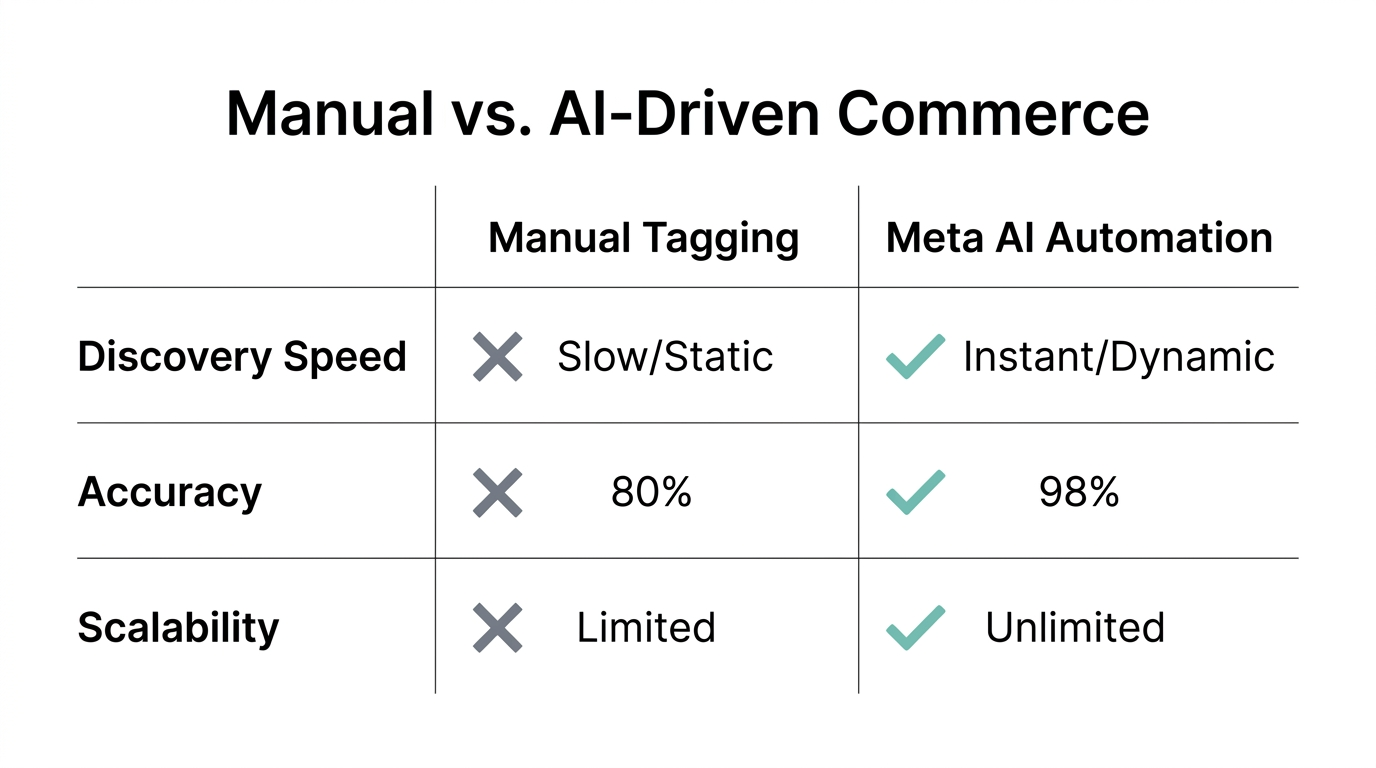
While AI offers incredible scale, it is not a "set and forget" solution. Many brands are making critical mistakes that hurt their ROI:
- Ignoring Transparency: Failing to disclose AI usage can alienate shoppers. Be open about using AI chatbots.
- Platform Neglect: Don't cross-post the same AI content everywhere. Instagram’s AI favors visual-first, short-form engagement, which is fundamentally different from LinkedIn or X.
- UGC Conflict: Using AI to "Shop the Look" on an influencer's post without permission can lead to major legal and PR issues. Always use a platform like Stormy AI to manage creator rights and relationships properly.
Conclusion: The Path to Predictive Success
The transition from manual social media management to an AI-driven predictive sales model is no longer a luxury—it is a survival requirement for e-commerce brands in 2026. By implementing predictive virality with Pixis, leveraging AI virtual try-on Instagram features, and automating your conversational funnels, you can turn Instagram from a simple gallery into a high-velocity sales engine.
Success this year requires a balance of technological speed and human authenticity. Use AI to handle the data-heavy tasks of forecasting and scaling, but ensure your brand voice remains grounded in real community interactions. Start by auditing your current workflow: where can predictive e-commerce marketing replace manual guesswork? The tools are here; the only question is how fast you will adopt them.