For the last decade, the creator economy has been defined by one word: content. Influencers spent their days chasing the algorithm, filming short-form videos, and selling other people’s products through affiliate links. But the tide is turning. We are entering a new phase where creators are no longer just distributors; they are becoming software founders. This shift is what OpenAI CEO Sam Altman famously described as the ‘Era of the Idea Guy.’ In this new landscape, the barrier between having a vision for a product and actually shipping it has virtually disappeared, thanks to the explosion of AI app development for creators.
Previously, launching a software product required a massive budget, a team of engineers, and months of development. Today, influencers are leveraging influencer marketing technology to build personal brand assets and micro-SaaS for influencers in days, not months. Whether it’s a niche productivity tool, a gamified fitness app, or a high-converting personal landing page, the tools to build these are now accessible to anyone with an audience and a prompt. By using advanced models like Google AI Studio and Gemini 3.0, creators are proving that having the 'right idea' and 'good taste' is now more valuable than knowing how to write Python or Swift.
Analyzing Sam Altman’s ‘Era of the Idea Guy’
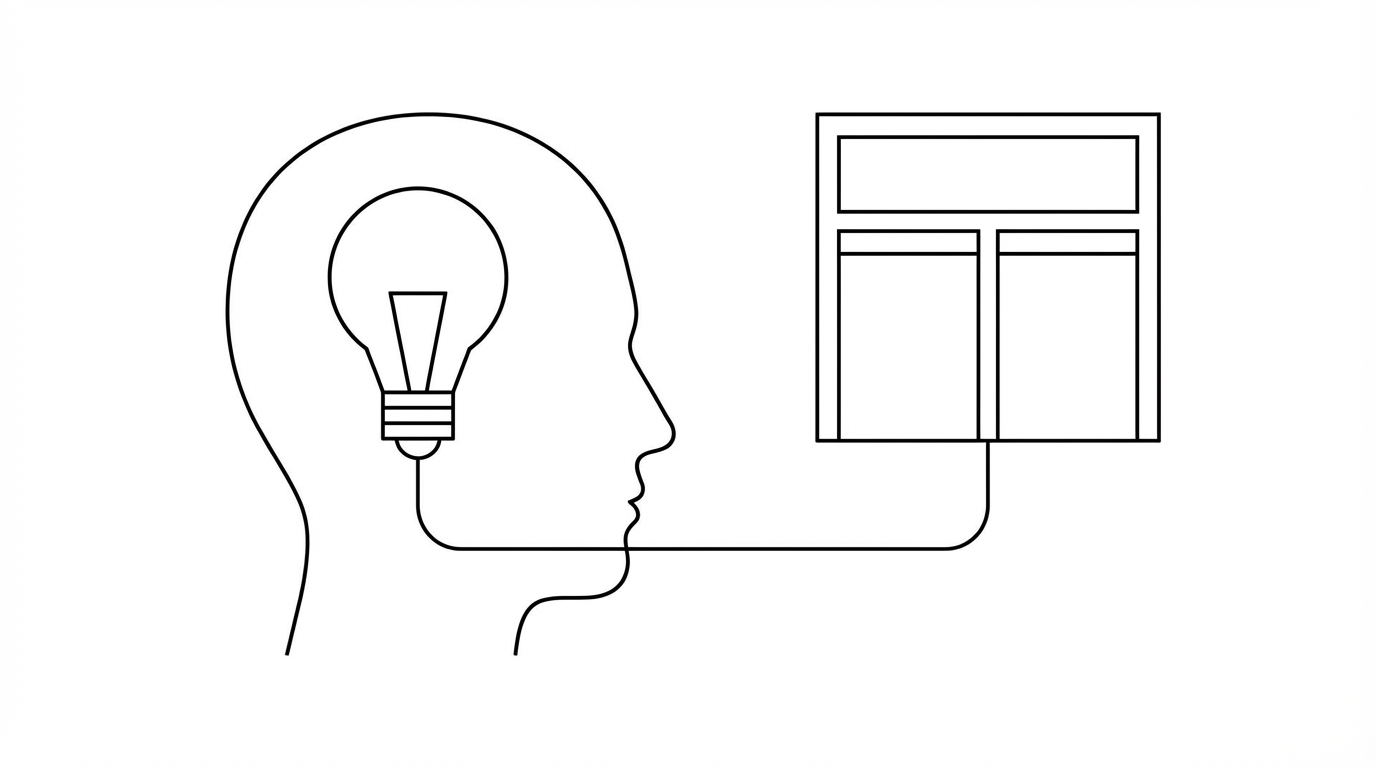
When Sam Altman spoke about the 'Era of the Idea Guy,' he was highlighting a fundamental shift in how value is created. In the past, the 'Idea Guy' was often mocked in tech circles—someone who had a 'great app idea' but no technical skills to execute it. AI has flipped that script. When monetizing an audience with AI software, the bottleneck is no longer the code; it is the originality of the concept and the strength of the distribution.
Influencers already have the hardest part of the equation: trust and distribution. If you have 100,000 followers on TikTok, you have a built-in focus group and a marketing machine. When you combine that with AI app development for creators, you can build tools that solve specific problems for your niche. For example, a fitness influencer doesn't just sell a PDF workout plan anymore; they build a custom tracking app. A productivity influencer doesn't just recommend a planner; they launch a micro-SaaS. This allows creators to move from low-margin sponsorships to high-margin recurring revenue.
AI Design for Personal Branding: Beyond the Generic Link-in-Bio
One of the first ways influencers are experimenting with these tools is through AI design for personal branding. Most personal websites look the same—minimalist, white backgrounds, and standard sans-serif fonts. However, tools like Gemini 3.0 allow creators to 'vibe design' something that truly stands out. A great example of this is the recent trend of creating retro-themed experiences, like a personal website designed to look like Windows XP.
Using Google AI Studio, a creator can upload a screenshot of their current boring website and prompt the AI to redesign it with a specific aesthetic—perhaps a 3D interface or a classic OS vibe. The AI doesn't just change the colors; it generates the metadata.json, the index.html, and utilizes Tailwind CSS to build a fully functional, interactive experience. This level of customization ensures that an influencer's home base on the internet is as unique as their content, increasing engagement and conversion for their newsletter or products.
Building the Dashboard: From Idea to SaaS in One Prompt
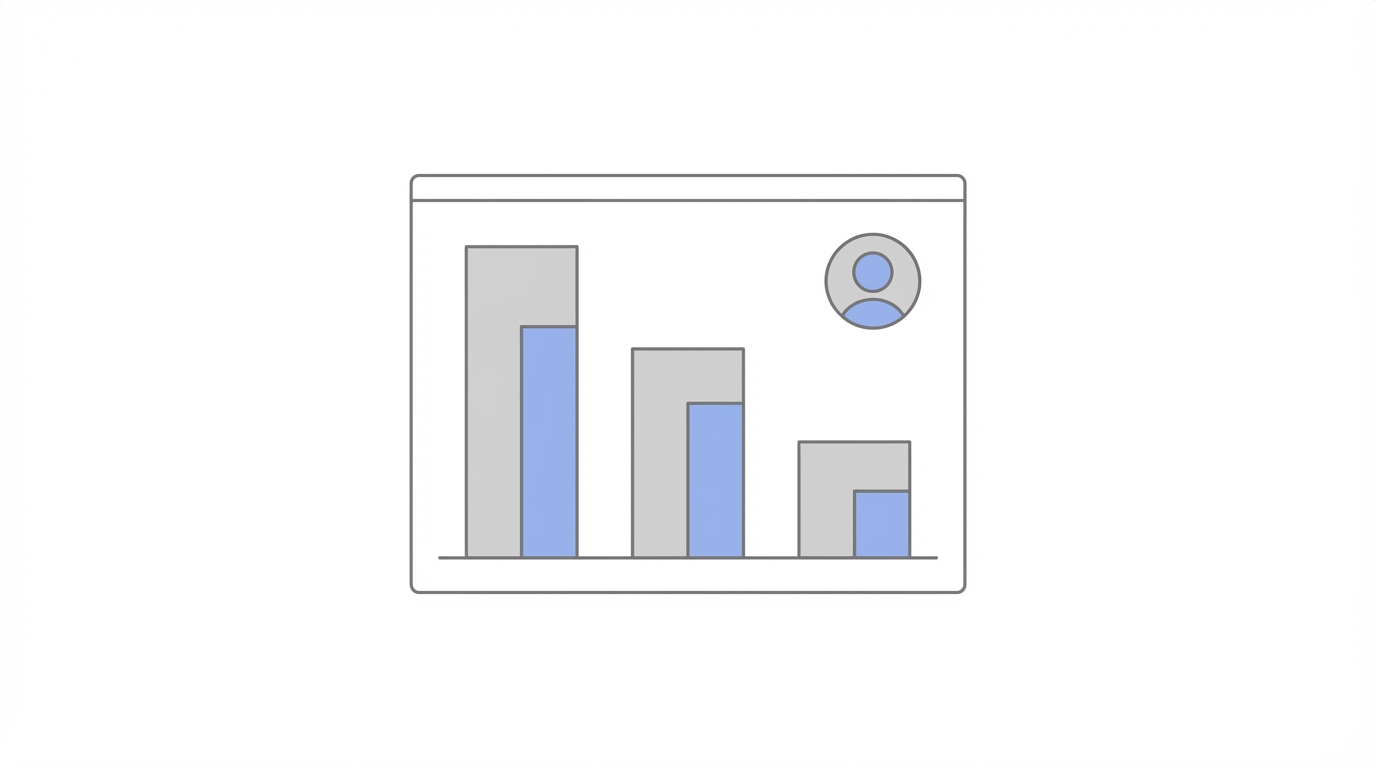

For those looking to build more complex tools, such as an analytics platform or a dashboard, influencer marketing technology has made the process incredibly streamlined. Take the example of an AI-powered analytics app for restaurants, often referred to as 'Chef OS.' A creator can find a high-quality design reference on a site like Dribbble, feed it into an AI model, and ask it to recreate that 'vibe' for a specific use case.
The key to success here is reference-based prompting. By providing the AI with clear visual benchmarks—like the clean, physical design aesthetic of Teenage Engineering—creators can move away from the generic 'purple' look of most AI-generated apps. They can specify that they want 'real world' buttons, knobs, and a tactile feel. This results in a micro-SaaS that looks like it was designed by a premium agency, but was actually generated in minutes. This professional polish is essential for stacking the chips for success and building trust with potential paying users.
From Mascot to Mobile: Designing the ‘Gains’ App
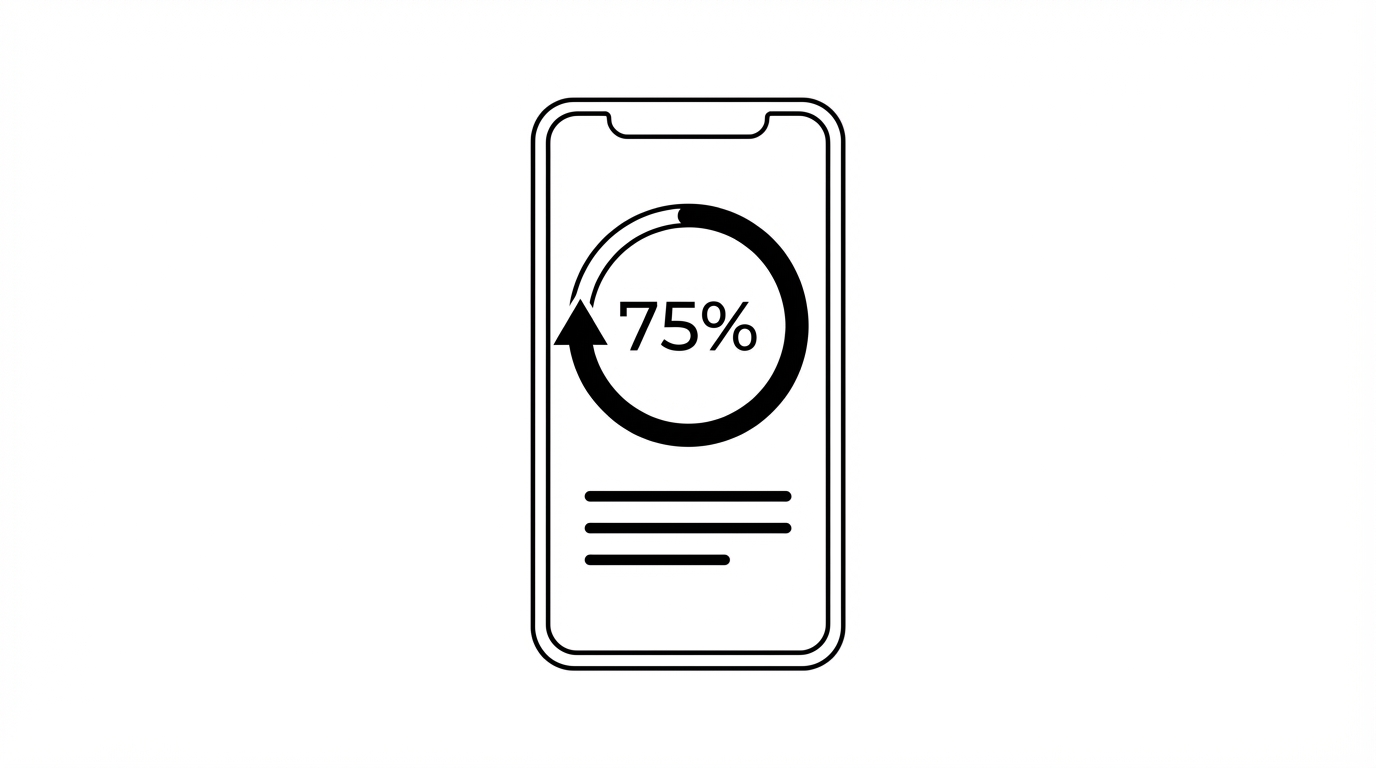
Mobile apps are the holy grail of creator monetization. However, the design of a mobile app requires more than just a dashboard; it requires personality and gamification. This is where consistent character design and mascots come into play. Influencers can now use AI to design mascots that react to user behavior—similar to how the 'Brain Rot' app uses a mascot to help users reduce screen time.
Consider a fitness-themed mobile app named 'Gains.' A creator can prompt Gemini 3.0 to design an iOS-style interface with warm color palettes and a central mascot that cheers when you hit your workout streak. This AI app development for creators involves more than just layout; it’s about creating an emotional connection. By focusing on warm colors and consistent mascot design, influencers can create a 'blueprint' for behavior change, making their app more addictive and useful than a standard gym logger.
Finding the Gap: Using AI Agents for Market Research
Before you design the solution, you have to find the problem. Successful creators don't just build apps randomly; they use AI agents to identify what their audience is 'screaming for.' Tools like Idea Browser use AI to scan data trends and find market gaps where people are searching for products that don't yet exist.
By using an AI agent to conduct research, a creator can generate a Product Requirements Document (PRD) that outlines exactly what the app should do, who it's for, and what the goals are. This PRD can then be pasted directly into Google AI Studio to kickstart the design process. This data-backed approach significantly increases the probability of success for any micro-SaaS for influencers launch, as it ensures the product is solving a real, documented pain point.
The Playbook: How to Launch Your AI-Built App
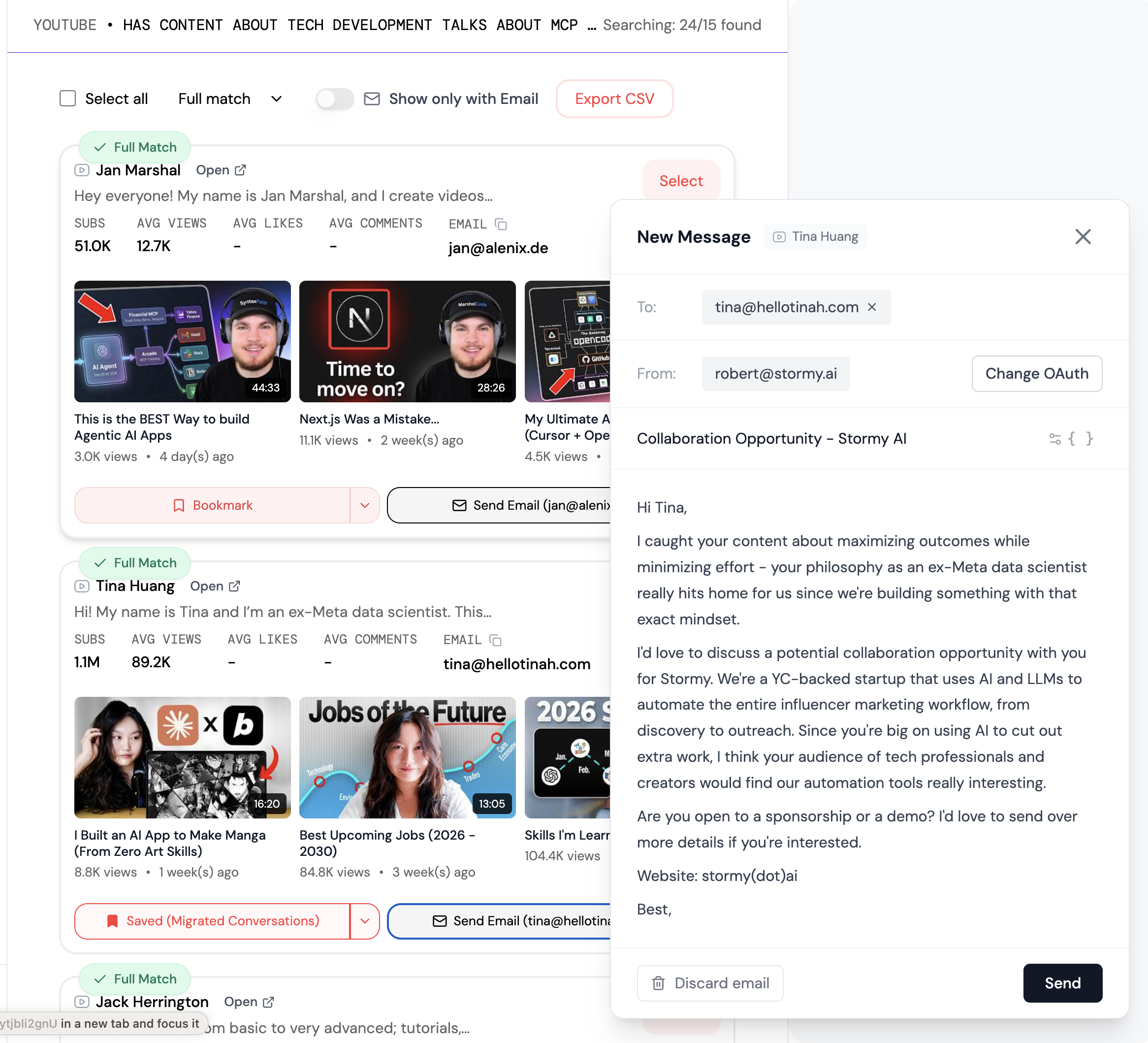
Once your app is designed and functional, the next step is distribution. While you have your own audience, scaling a micro-SaaS often requires a broader reach. This is where influencer marketing technology becomes your best friend. To launch effectively, you need to find other creators in your niche who can provide User Generated Content (UGC) or promote your new tool to their followers.
Tools like Stormy AI can help source and manage UGC creators at scale for your app launch. Instead of manually searching for partners, you can use Stormy's AI search to find creators who fit your specific niche—like 'minimalist productivity gurus' or 'home workout enthusiasts.' Once you find them, you can use the built-in AI-personalized outreach to send hyper-personalized emails, ensuring your new software gets the visibility it deserves. Managing these relationships within a creator CRM ensures that as your software grows, your network of advocates grows with it.
Step 1: Identify the Market Gap
Use a tool like Idea Browser to find out what people are searching for. Look for high-volume keywords with low-quality existing solutions. This is where your micro-SaaS will live.
Step 2: Generate a Product Requirements Document (PRD)
Define the features, user flow, and narrative of your app. You can use ChatGPT or Notion templates to structure this data. The more detail you provide the AI, the better the final design will be.
Step 3: Vibe Design in Google AI Studio
Upload your PRD and reference images to Google AI Studio. Use models like Gemini 3.0 to iterate on the design. Don't be afraid to give critical feedback—AI models are increasingly proficient at taking design notes and adjusting layouts in real-time.
Step 4: Deploy and Iterate
Use platforms like Replit to host your web app or explore mobile-specific builders like CreateAnything to go live. Collect feedback from your initial audience and use AI to quickly ship updates.
The Future: Stacking the Chips for Success
The monetization of audiences with AI software is not just a trend; it's a structural change in the economy. We are exiting the era where 'vibe coding' produced clunky, unattractive apps. We are entering a point where, with the right reference images and the right prompts, an individual can design something beautiful and functional that rivals the work of a professional engineering team.
By focusing on high-quality design, creators are able to stack the chips in their favor. Good design is viral; it's something people want to share and talk about. Whether you are redoing your personal website to reflect a Windows XP aesthetic or launching a fitness app like 'Gains,' the goal is the same: to increase your probability of success by combining your unique taste with the infinite scaling power of AI. The 'Idea Guy' isn't just someone with a dream anymore—they are the new breed of software mogul.
If you're ready to start building, don't just listen—get your hands dirty. Play with tools like Gemini 3.0, find your market gap with Idea Browser, and when you're ready to scale, use Stormy AI to find the creators who will help take your micro-SaaS to the moon.