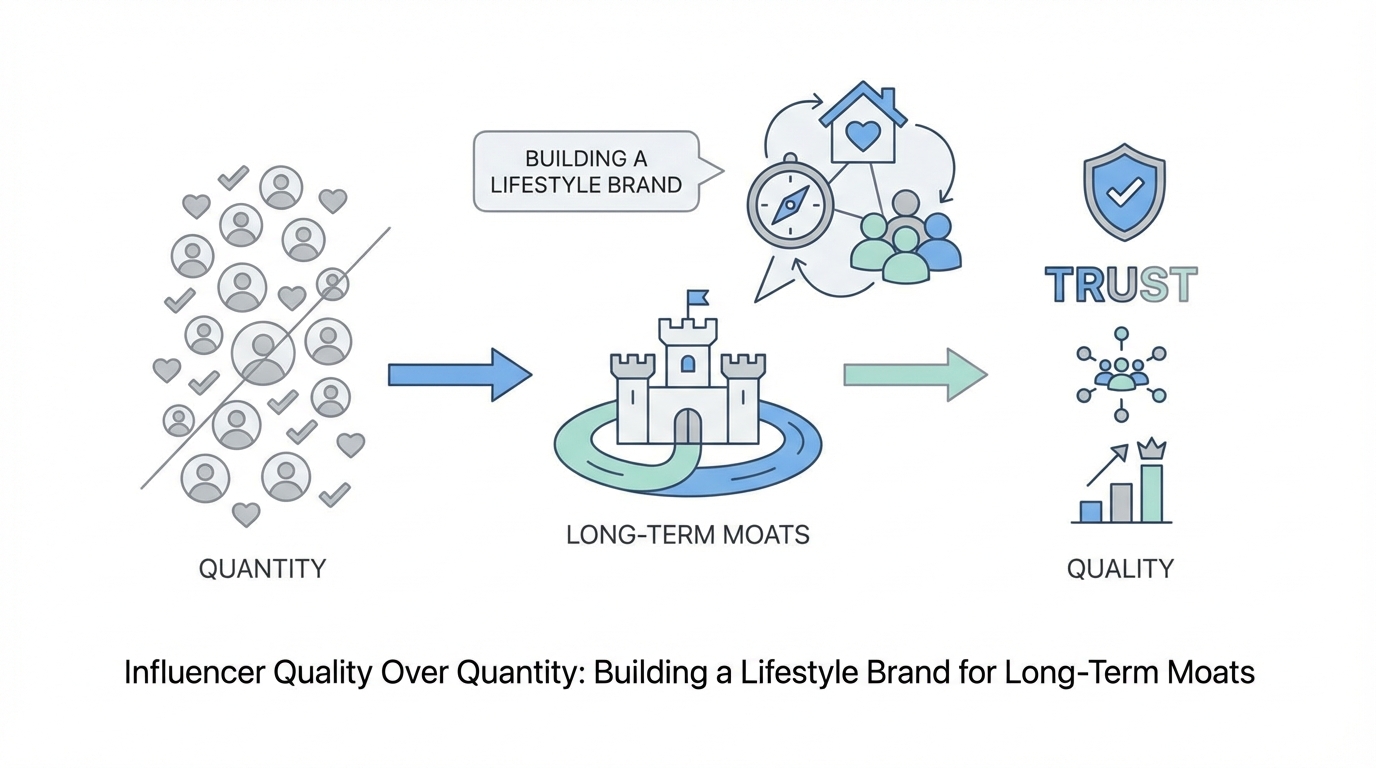
The modern influencer marketing landscape is currently undergoing a massive correction. For years, the prevailing wisdom for mobile app growth was a 'spray and pray' model—shipping product to hundreds of creators, paying for one-off posts, and hoping a handful of them stuck. But as the cost of customer acquisition skyrockets across Meta Ads Manager and Google Ads, founders are realizing that transactional relationships don't build defensible businesses. To survive in an era where AI can 'vibe code' a competitor's utility features in a weekend, brands must transition from selling a tool to selling a lifestyle. The goal isn't just to find more influencers; it's to build a community-driven moat that protects your brand from the inevitable flood of copycats.
The Shift from Utility to Lifestyle: The Runna and Represent Model
In the crowded health and fitness sector, the difference between a $50k-per-month app and a multi-million-dollar powerhouse often comes down to brand identity. Most developers build a utility—a workout tracker, a calorie counter, or a running log. However, the most successful modern brands, such as the British clothing line Represent or the coaching app Runna, sell something much deeper: a sense of belonging and aspiration.
As Peter, co-founder of the gamified workout tracker Stronger, noted in a recent discussion, these brands succeed because they showcase a lifestyle that their audience wants to inhabit. Whether it’s the founders themselves leading the way or a tight-knit circle of brand ambassadors, the content focuses on the experience of training, eating clean, and being part of a fulfillment-oriented community. When your marketing centers on a lifestyle, your product stops being a commodity and starts being a badge of identity. Stormy AI provides an AI-powered search engine across TikTok, Instagram, and YouTube, which is increasingly used by these visionary founders to identify the specific creators who already embody these niche lifestyles, ensuring that every piece of content feels like an organic extension of the brand's values rather than a forced advertisement.
When you focus on a lifestyle brand marketing approach, you create a buffer against competitors. A rival can copy your code, but they cannot easily copy the thousands of people who associate your app with their personal identity. This is particularly vital for mobile apps where the value proposition is often slim compared to free alternatives like pen and paper. By selling the status and community associated with the brand, you justify higher price points and better long-term retention.
The Pareto Principle of Influencers: Why 4 Beat 100


One of the most common mistakes in an influencer marketing strategy is prioritizing volume over engagement. Founders often think that 100 one-off deals will provide more surface area for growth than 3 or 4 dedicated ambassadors. In reality, the Pareto Principle applies heavily here: 80% of your results will likely come from 20% of your partners. In many cases, it is even more extreme, where a handful of high-engagement creators do the heavy lifting for the entire brand.
The 'Stronger' app founders discovered that the quality of the ambassador is infinitely more important than the quantity. A dedicated ambassador program managed through a Stormy AI creator CRM allows the creator to become synonymous with the product. When an audience sees a creator use the same tool for six months, the trust level is exponentially higher than a one-time 'sponsored' shoutout. This long-term alignment is what drives actual influencer ROI for apps, moving the needle from mere 'views' to meaningful 'app installs' and 'paid subscriptions.'
Quality Over Quantity Checklist:
- Engagement Rate vs. Follower Count: Does the creator have a 'rabid' fan base that comments and shares, or just a large, passive following?
- Niche Synergy: Does the creator represent a specific subculture (e.g., hybrid athletes, powerlifters, or 'aesthetic' lifters) that aligns with your product’s UI and vibe?
- Content Longevity: Is the creator known for high-value 'saveable' content, or ephemeral trends that disappear in 24 hours?
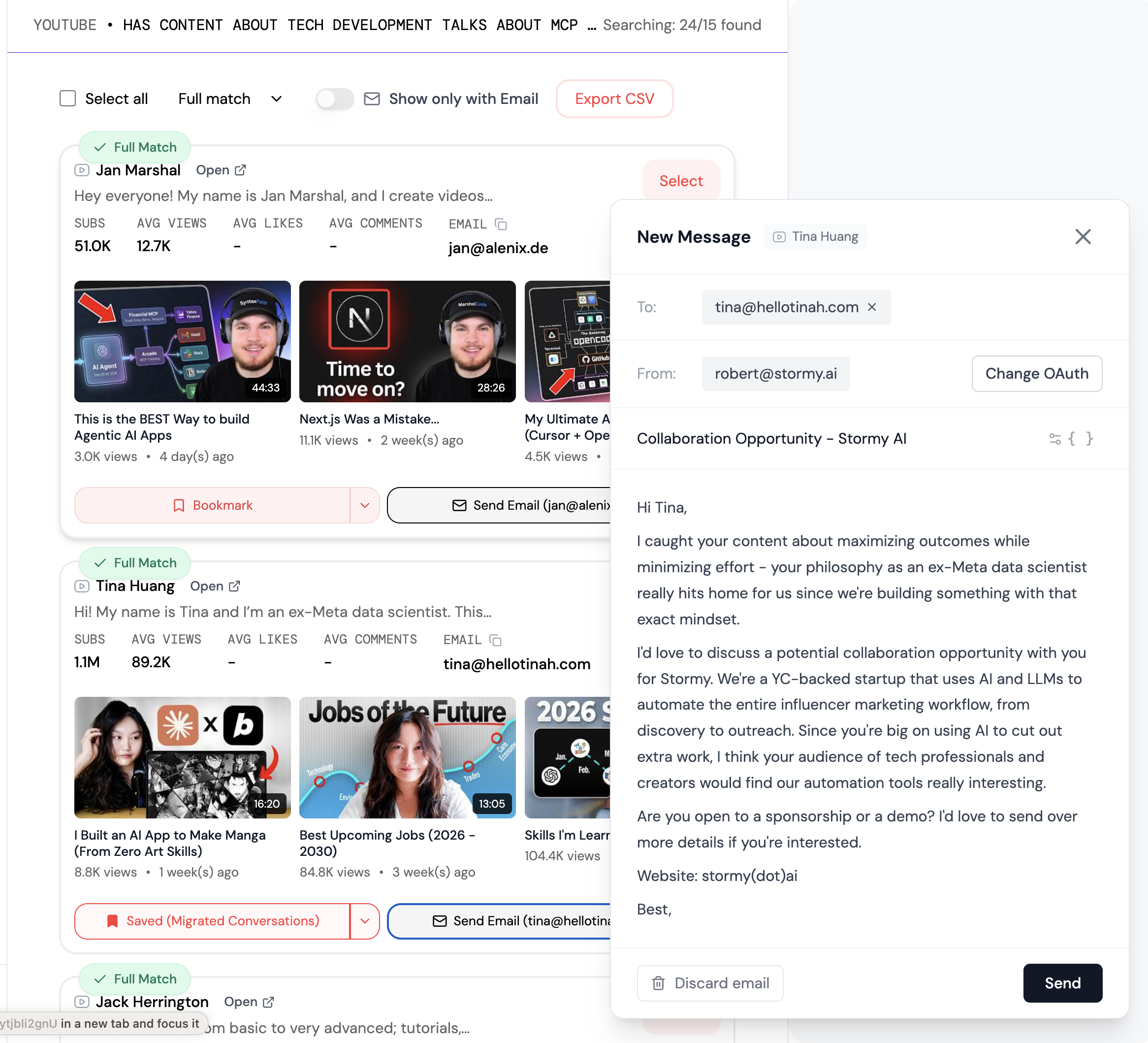
By using Stormy AI to find and vet creators for fake followers and engagement fraud, brands can filter through the noise to find these high-impact individuals who have a genuine connection with their followers. Instead of cold-emailing 10,000 influencers, the goal is to identify the 10 who truly live the lifestyle your brand promotes.
Finding Synergy: Targeting Hyper-Specific Niches

In a saturated market, trying to appeal to 'everyone' is a recipe for being ignored by 'anyone.' The most effective lifestyle brands use their ambassadors to colonize hyper-specific niches. For a workout app, this might mean having one ambassador who focuses on the 'hybrid athlete' (combining strength and running), another who targets the 'Gen Z gym-bro' humor niche, and a third who appeals to the more scientific 'educational' lifter.
This strategy allows the brand to maintain a singular set of core values while letting each ambassador translate those values for their specific audience. This is a far more efficient way to scale than trying to maintain 10 different internal brand strategies. Each creator brings their own 'flare' and 'brand sound' to the table. For instance, the Stronger app found massive success using a specific 'feed in' format—a 6-second fade from black—that became their signature social media analytics signal on TikTok. It was simple, replicable, and eventually became a recognizable brand asset.
When you look for ambassadors, don't just look for 'fitness' people. Look for sub-niches. Is there a creator using Figma to design their own workout programs? Is there someone making 'brain rot' humor that resonates with 20-year-old gym-goers? These are the pockets where virality happens. By building a diverse roster of niche experts, you ensure that your brand is visible across multiple corners of the internet simultaneously.
Step-by-Step Playbook: Why Founders Must Lead the Zero-to-One Process
Many technical founders have a 'limiting belief' that they aren't good at marketing, leading them to outsource the function to agencies too early. However, in the early stages, marketing is essentially a scientific experiment to find product-market fit. Because founders understand the product best, they are the most qualified to find the first 'winning' content format.
Step 1: The 'Zero-to-One' Content Phase
Before hiring an agency, founders should spend time in the 'customer's shoes.' This means scrolling the platforms, understanding the humor, and identifying which 'hooks' stop the scroll. The Stronger founders, who are engineers by trade, treated content like code. They tested hooks, analyzed watch times, and iterated until they found a format that generated 300 million views. They didn't outsource this; they learned the 'science' of the algorithm themselves.
Step 2: Build Internal Tooling
Once a winning format is identified, the next step is horizontal scaling. This involves building internal systems—or using Stormy AI’s autonomous agents to discover and outreach to creators on a daily schedule—to replicate the winning format with micro-adjustments. Changing a background color, a legend, or a single word in a hook can turn one viral video into ten. This allows for massive distribution without the 20% margin costs of an external agency. By maintaining control of the 'creative' in-house, you ensure the brand voice remains authentic.
Step 3: Scaling with High-Level Partners
Only after the 'Zero-to-One' process is solved should you look to scale. At this stage, agencies can be useful for operational scaling—managing 50 different burner accounts or handling the logistics of a massive brand ambassador program. However, the core strategy and the understanding of what makes the audience 'click' must remain an in-house asset.
Network Effects: Protecting Your Brand from AI Copycats
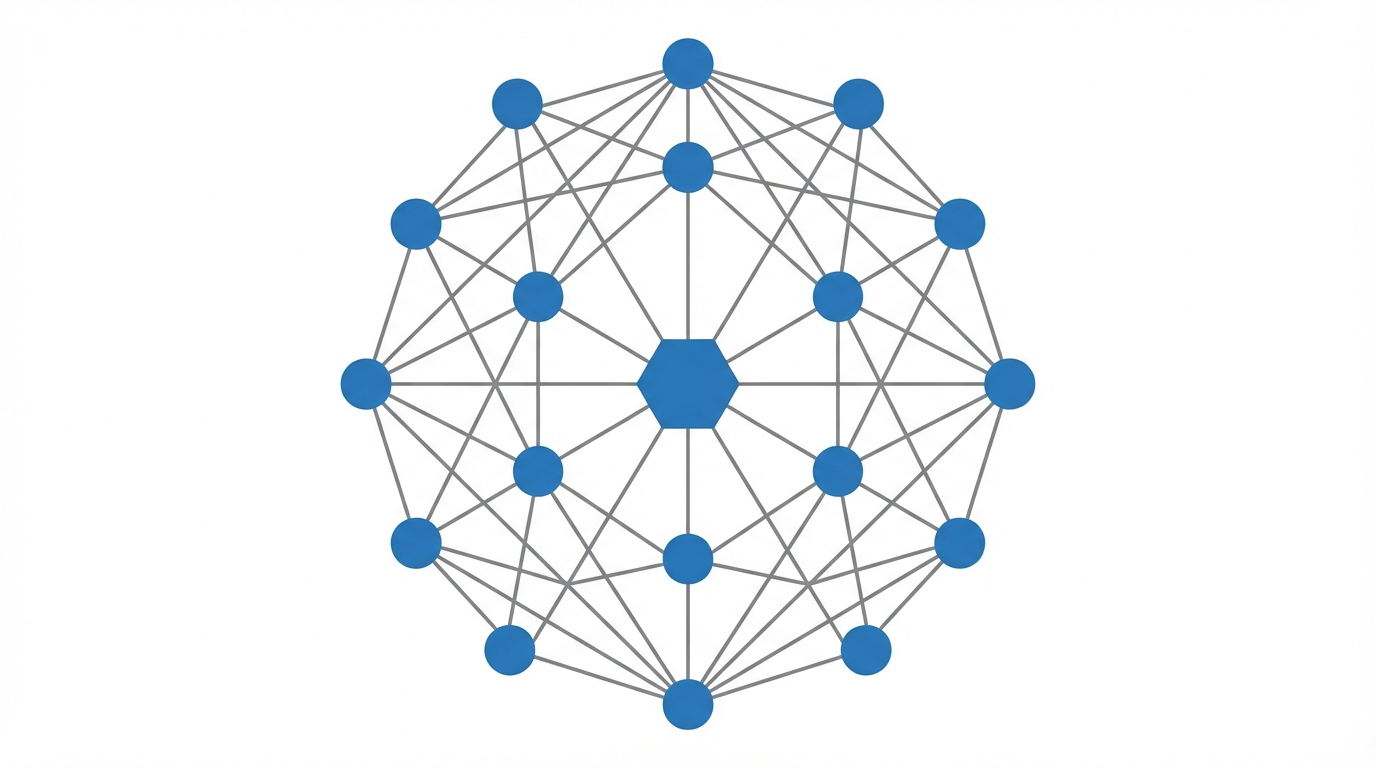
The rise of 'vibe coding' means that technical moats are thinner than ever. If you build a cool feature today, a competitor can have it live in their app by next week. This is why network effects and community are the only true long-term moats. If your app is a social hub where users see their friends' progress, compare 'elite' status badges, and engage with a global community, the switching cost becomes incredibly high.
The Stronger app implemented a 'heat map' and ranking system that quantified strength, allowing users to assign status to their gym progress. This wasn't just a feature; it was a marketing asset that users wanted to screenshot and share. When thousands of people are sharing your specific UI on social media, you create a 'category-defining' presence. Even if a copycat emerges, they lack the social proof and the existing network of users that make the original app valuable. In fact, copycats often inadvertently drive traffic back to the original brand through Apple Search Ads as users look for the 'authentic' version with the most reviews and social validation.
Monetization: Converting Virality into Revenue
Going viral is useless if you can't convert that attention into dollars. The 'Stronger' founders learned this the hard way when they realized their initial monetization was poor. They eventually transitioned to a hard paywall model, which improved their revenue by 25% almost overnight. By using tools like Superwall to A/B test their paywall screens, they were able to optimize the LTV (lifetime value) of every user coming from their viral Tik Toks.
A common mistake is focusing on 'micro-copy' changes—like changing 'Get Stronger' to 'Unlock Your Potential'—before solving the macro strategy. The biggest revenue gains usually come from macro changes: how often the paywall is shown, which features are locked, and whether you require a free trial opt-in upfront. When you combine a high-quality influencer marketing strategy with a scientifically optimized backend like RevenueCat, the 'unit economics' of the business begin to scale rapidly.
Conclusion: The Long-Term Play
Building a brand is no longer just about the product; it's about the community and the lifestyle you curate. In an AI-driven world, the 'human' element—the founders' faces, the authentic ambassadors, and the shared community milestones—is the only thing that cannot be automated. Moving away from 'spray and pray' tactics toward a targeted, high-quality ambassador model is not just a marketing choice; it's a defensive necessity.
Focus on finding those 3 or 4 'power' ambassadors who live your brand's values. Use Stormy AI to track campaign performance across all platforms and manage your influencer payments in one place. By in-housing your creative process, leveraging network effects, and selling a lifestyle rather than a utility, you build a business that doesn't just grow—it survives.