Protecting Your 2026 Marketing Budget: Price Negotiation with Modash, Upfluence, and Stormy AI
Learn how to use data from Modash, Upfluence, and Stormy AI to master influencer negotiation tactics, hit ROI benchmarks, and combat rising creator rates in 2026.
As we navigate the marketing landscape of 2026, the influencer marketing industry has officially crossed the $40 billion threshold, according to latest reports from Influencer Marketing Hub. While the scale of the industry provides unprecedented opportunity, it has also brought about a significant challenge: skyrocketing creator rates. For performance marketers, protecting the bottom line requires more than just a spreadsheet; it requires a data-driven approach to influencer negotiation tactics. With 35.4% of marketers citing rising costs as their primary hurdle this year, tools like Stormy AI, Modash, and Upfluence have become essential for maintaining a competitive edge.
The 2026 CPE Benchmarks: Why Micros are Winning
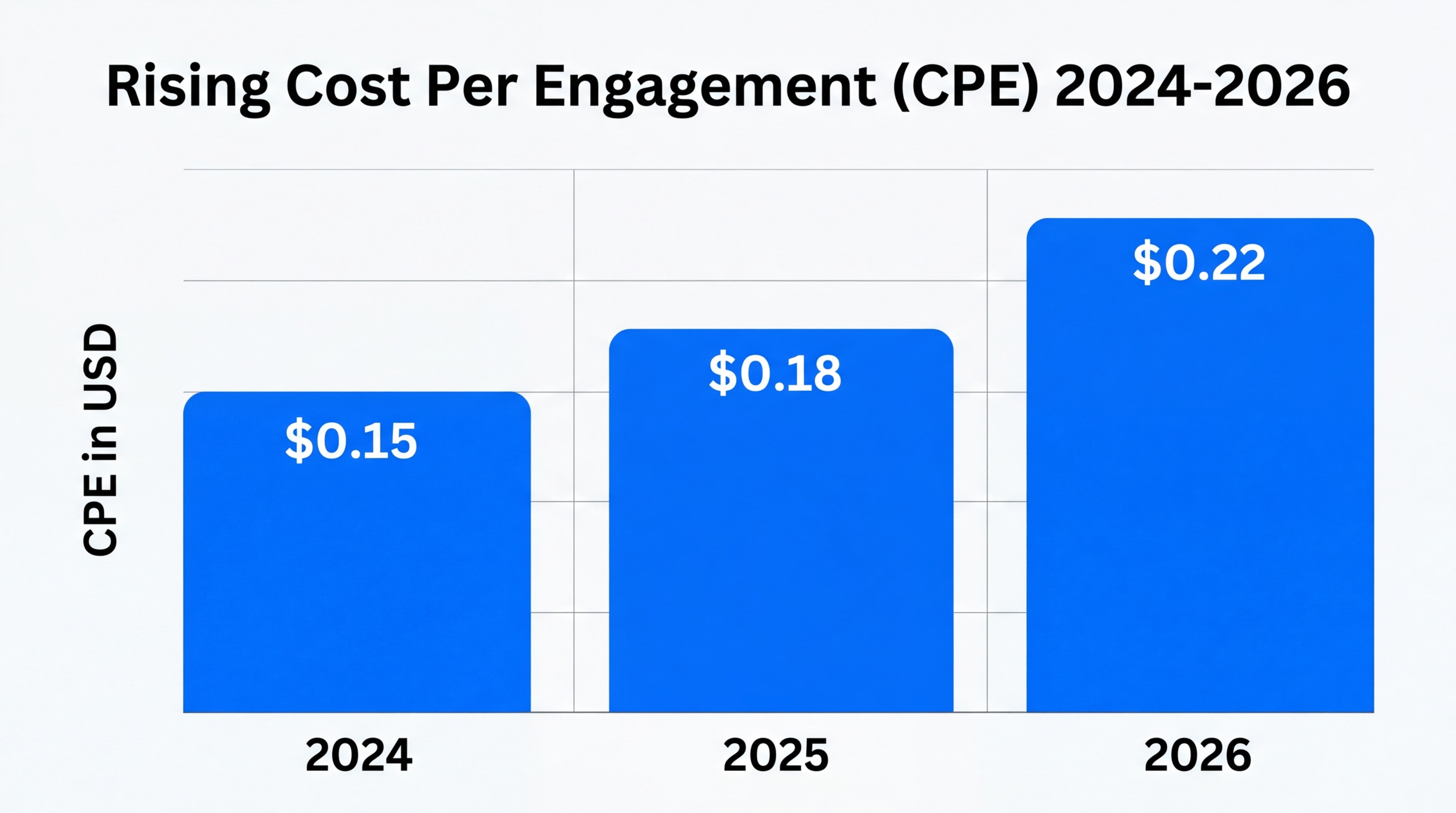
In 2026, the obsession with vanity metrics like follower counts has finally died. Today’s performance marketers are focused on influencer marketing ROI benchmarks, specifically the Cost Per Engagement (CPE) and Media Value. Data from InfluenceFlow reveals a startling efficiency gap between creator tiers. While macro-influencers might offer massive reach, they are frequently less efficient at driving actual engagement.
| Creator Tier | Avg. Cost Per Engagement (CPE) | Avg. Engagement Rate | Efficiency Rating |
|---|---|---|---|
| Micro-Influencer (10k-50k) | $0.20 | 8.5% | High |
| Macro-Influencer (500k+) | $0.33 | 2.1% | Low |
Micro-influencers are currently outperforming macro-creators by 65% in engagement efficiency. This shift has led many brands to adopt a "30/70" hybrid strategy: allocating 30% of the budget to macro-creators for brand awareness while funneling 70% into micro-campaigns to drive conversions. Research from Moburst suggests that this balanced approach yields 23% higher overall ROI than single-tier strategies.
"In 2026, reach is a commodity, but attention is a premium. If you aren't benchmarking your CPE against micro-influencer standards, you're likely overpaying by 50% or more."
Using Modash for Influencer Fraud Detection
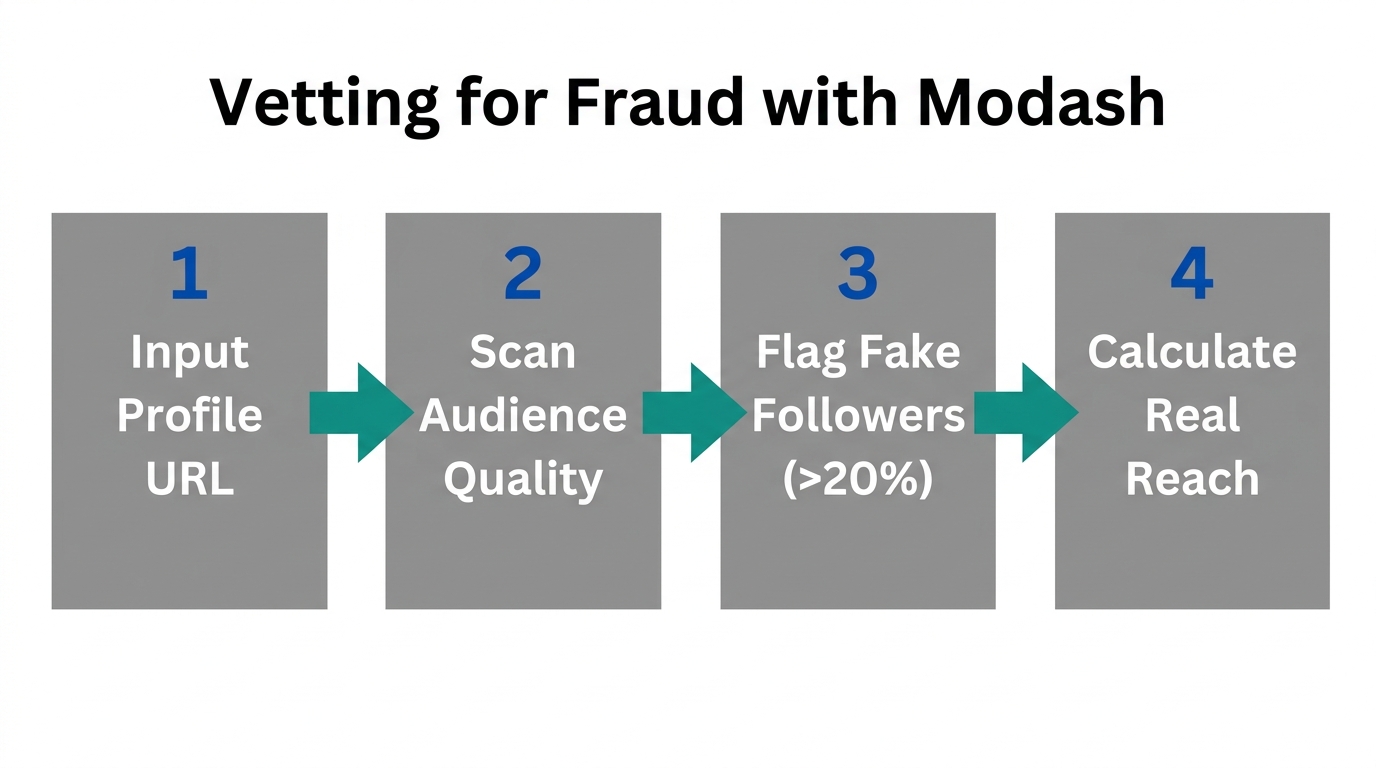
Before entering any negotiation, you must verify that the creator’s audience is legitimate. Influencer fraud detection has become increasingly sophisticated as AI-generated bot accounts become harder to spot. Modash remains a powerhouse in this category, offering a database of over 350 million profiles across TikTok, Instagram, and YouTube.
Modash’s vetting tools allow you to analyze the percentage of fake followers and "suspicious" engagement. This is critical because paying a creator based on a total follower count that is 20% bots immediately erodes your ROI. When negotiating, having a Modash report in hand allows you to counter high quotes with hard data: "Your rate is based on 500k followers, but our data shows only 380k are reachable, high-quality users." This level of transparency often leads to 15-20% reductions in initial quotes.
Stormy AI’s 'Price Strike Protection' and Autonomous Negotiation
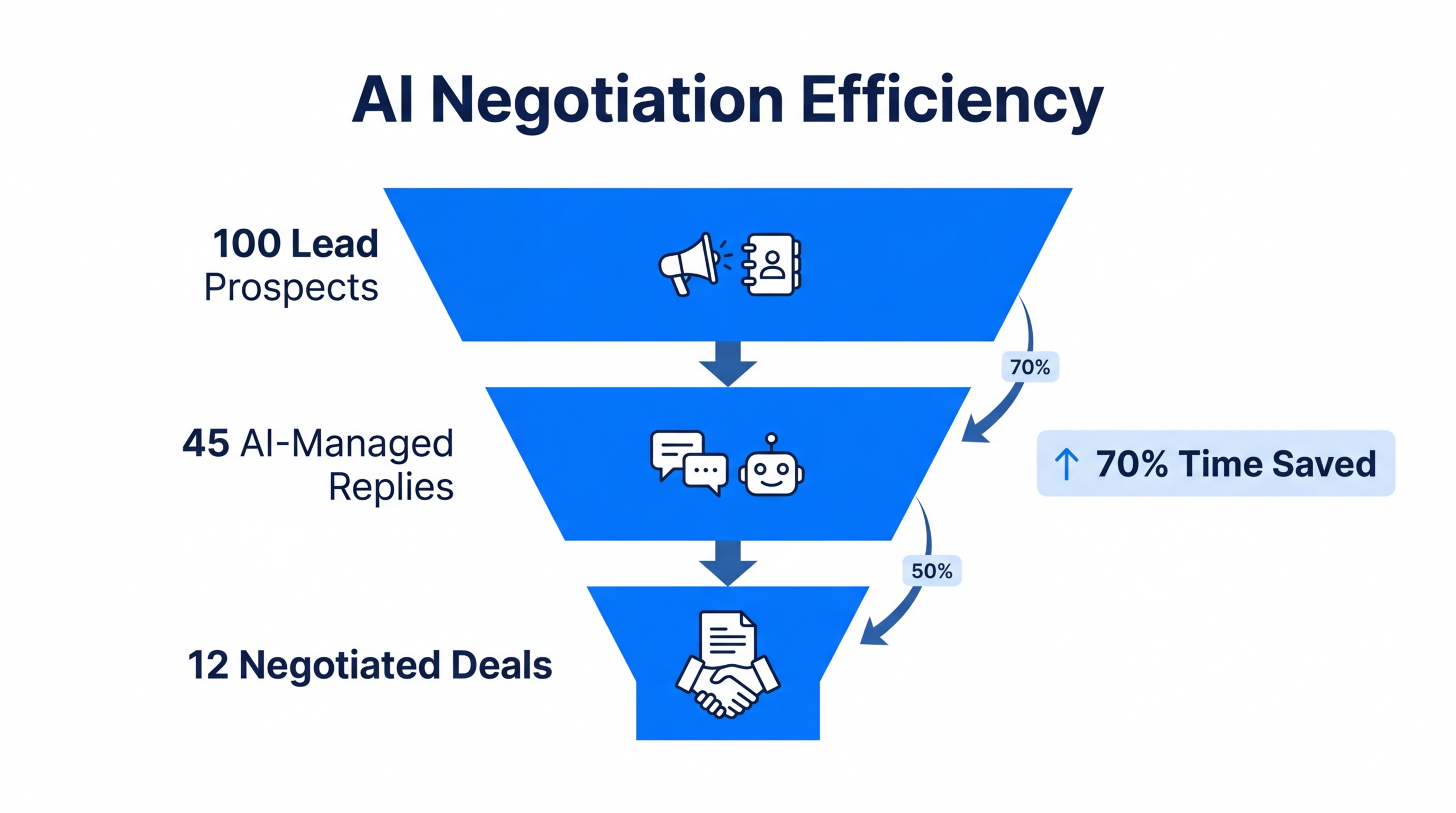
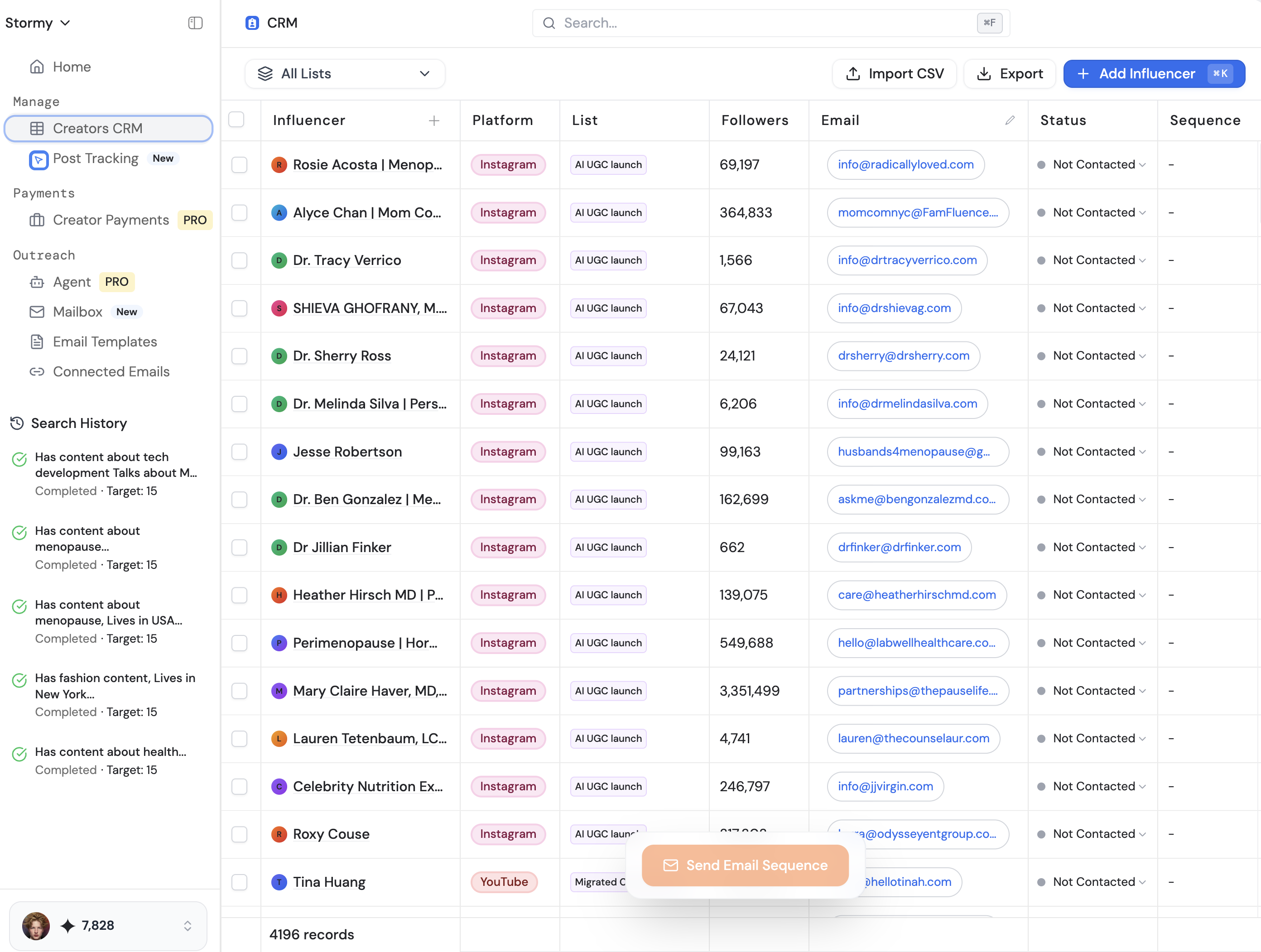
The most significant innovation in 2026 is the shift from manual outreach to agentic automation. While traditional platforms provide the data, Stormy AI acts as an autonomous execution engine. For many brands, the bottleneck in scaling is the 40+ hours per week required for manual negotiation and follow-ups. Stormy AI solves this by deploying autonomous AI agents that handle the entire discovery and negotiation process.

The standout feature for 2026 is 'Price Strike Protection.' You can set specific guardrails—such as a maximum CPA or a target CPE—and the AI agent will automatically counter influencer offers that exceed these benchmarks. If an influencer quotes $2,000 for a post that the market data suggests should be $1,200, the Stormy agent uses real-time market insights to explain the counter-offer, maintaining a professional and data-backed relationship while protecting your budget.
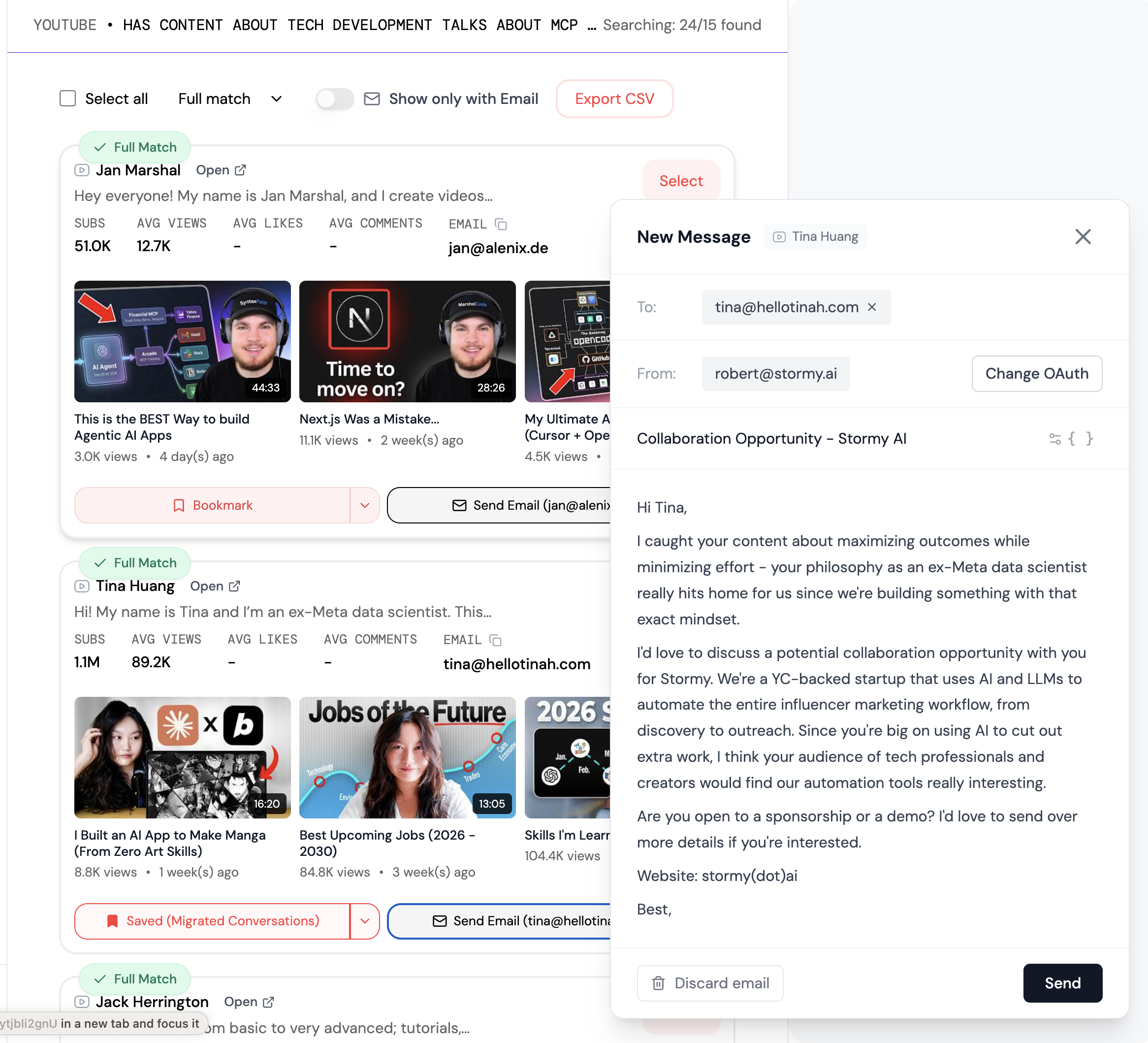
As Robert Lukoszko, Founder of Stormy AI, notes, the goal is to move away from "slow, leaky, guessy" spreadsheets toward a system where you describe your campaign goals and let an AI agent close the deals while you sleep. This performance-based influencer pay logic ensures that every dollar spent is aligned with actual market value.
Moving to Hybrid Pay: The Upfluence Strategy
Fixed-fee models are increasingly being replaced by hybrid pay structures. In 2026, the gold standard is a combination of a modest base fee plus a performance-based commission (typically 10-15%). This aligns the creator’s incentives with the brand’s revenue goals. Upfluence has pioneered this via their "Upfluence Pay" system and deep e-commerce integrations.
By connecting Shopify or Stripe to the platform, brands can automatically generate promo codes and track affiliate sales in real-time. Upfluence’s "Live Capture" tool even allows brands to find existing customers who are already influencers, making the negotiation much easier since the creator is already a fan of the product. This strategy helped brands like Valabasas achieve a 14x ROI by leveraging customer-turned-affiliates.
"The 'Flat Fee' is dead. If a creator won't bet on their own ability to convert, they aren't a partner—they're just an expensive billboard."
Tactical Breakdown: Branded Search Triggers and SEO Authority
A sophisticated 2026 tactic involves using influencers to improve your SEO and topical authority. Instead of just asking for a product review, brands are now asking creators to trigger 'Branded Search' queries. This involves influencers creating content that encourages users to search for specific terms like "{Brand Name} vs {Competitor}" or "{Brand Name} + {Specific Benefit}."
According to Marketer Milk, these search triggers signal to Google and AI search engines that your brand is a topical authority in your niche. When you negotiate with a creator, include these specific "search triggers" in the brief. This turns a temporary social post into a long-term SEO asset that continues to drive organic traffic long after the campaign ends.
The Playbook for Branded Search:
- Identify Keywords: Use tools like Google Ads Keyword Planner to find high-intent comparison keywords.
- Brief the Creator: Ask the creator to mention the search term naturally (e.g., "I did a deep dive into [Brand Name] vs [Competitor], go check the results").
- Track Authority: Use Google Analytics to monitor the spike in branded search volume during the campaign.
Modash vs. Upfluence vs. Stormy AI: Which is Right for You?
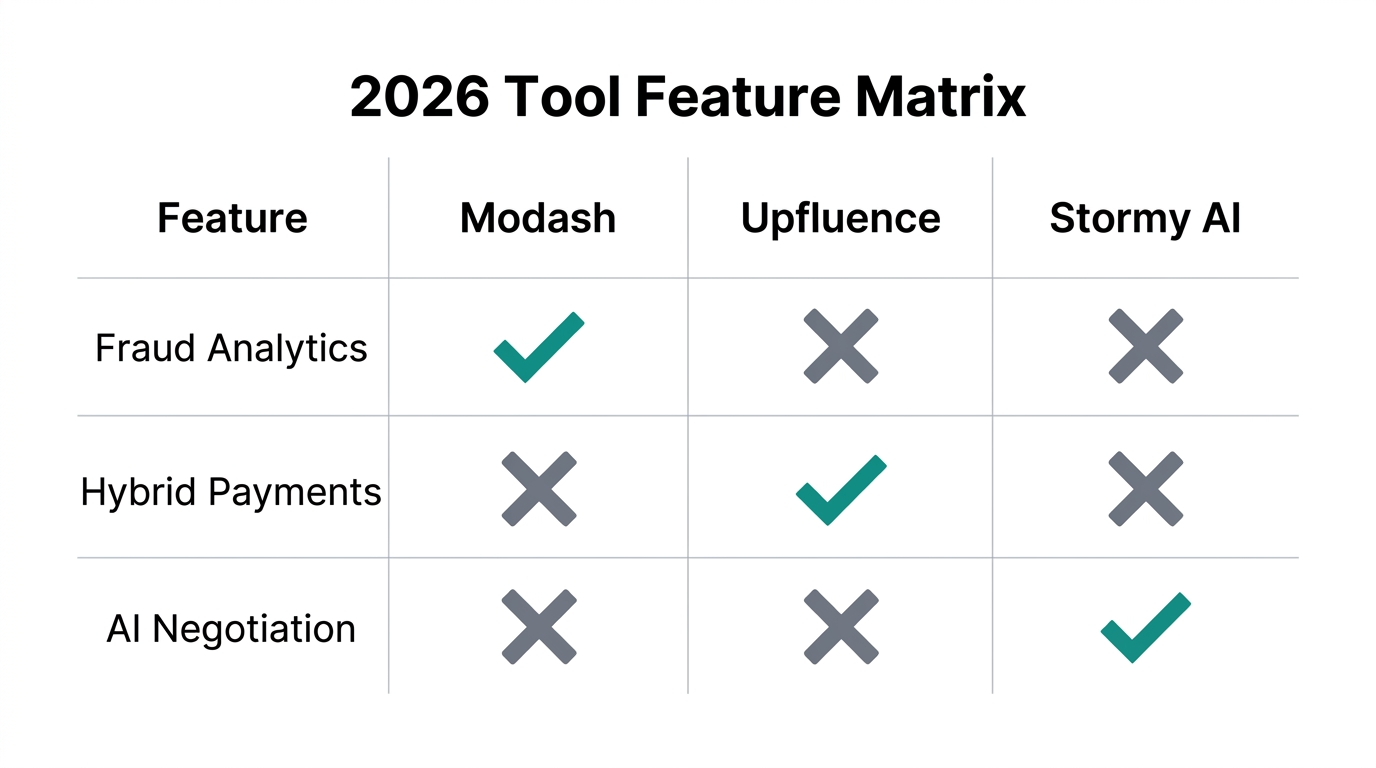
While all three platforms are leaders in the space, they serve different organizational needs. Modash is the king of discovery and vetting data, Upfluence is the premier choice for e-commerce CRM and payments, and Stormy AI is the undisputed winner for autonomous scaling and negotiation.
| Feature | Modash | Upfluence | Stormy AI |
|---|---|---|---|
| Core Strength | Massive Vetting Database | E-comm Affiliate CRM | Autonomous AI Agents | Negotiation | Manual/Email Templates | CRM Inbox | AI 'Price Strike Protection' | Outreach | Semi-Automated | CRM-based | Fully Autonomous (24/7) | Pricing | Starts ~$199/mo | Starts ~$1,500/mo | Starts ~$200/mo |
If you are a high-growth startup or agency looking to manage 500+ creators without hiring a massive team, Stormy AI’s agentic model offers the best path to ROI at scale. By integrating your stack with tools like Klaviyo for lifecycle marketing and leveraging its AI agents, you can automate the SDR-heavy work of influencer marketing, allowing your team to focus on high-level strategy and creative direction.
Conclusion: Protecting the Bottom Line
Negotiating in 2026 is no longer about who has the biggest budget; it’s about who has the best data. By utilizing influencer fraud detection from Modash to clean your list, setting up performance-based influencer pay with Upfluence, and deploying autonomous negotiation agents via Stormy AI, you can ensure your marketing budget is invested, not just spent.
Start by benchmarking your current creator rates against the 2026 CPE standards. If you find you're overpaying, it’s time to move beyond manual spreadsheets and embrace the era of agentic influencer marketing. To see how autonomous agents can transform your outreach, discover creators on Stormy AI today.