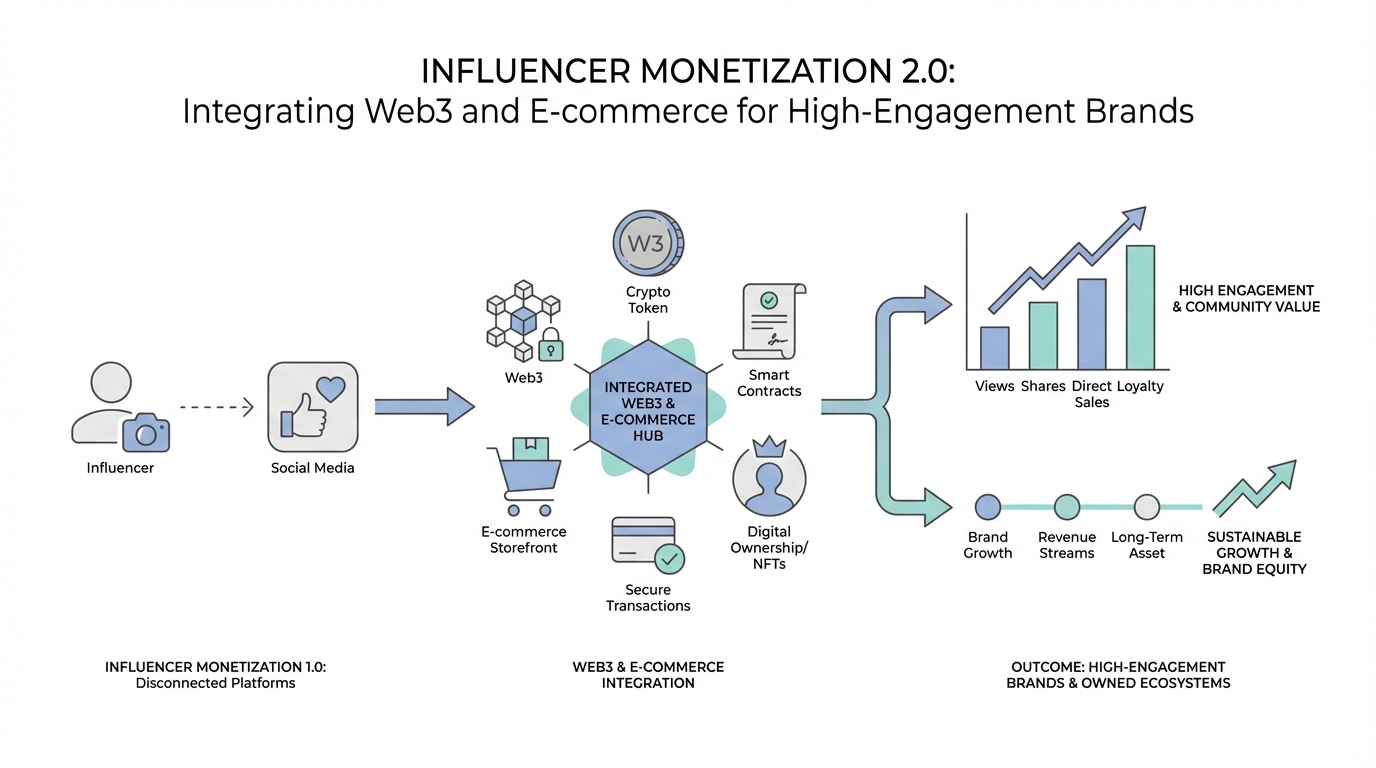
The traditional model of influencer marketing—where a creator posts a photo holding a product in exchange for a flat fee—is rapidly becoming a relic of the past. We are entering the era of Influencer Monetization 2.0, where the most successful creators are no longer just sponsors; they are product owners, founders, and community architects. This shift is driven by a convergence of high-engagement influencer brand building and the technological backbone of Web3 and modern e-commerce. From the kitchen tables of aspiring entrepreneurs to the multi-billion dollar valuation of brands like Gymshark, the roadmap for creator-led commerce has never been more accessible or more lucrative.
The Evolution of Creator Commerce: From Merch Tables to Global Brands
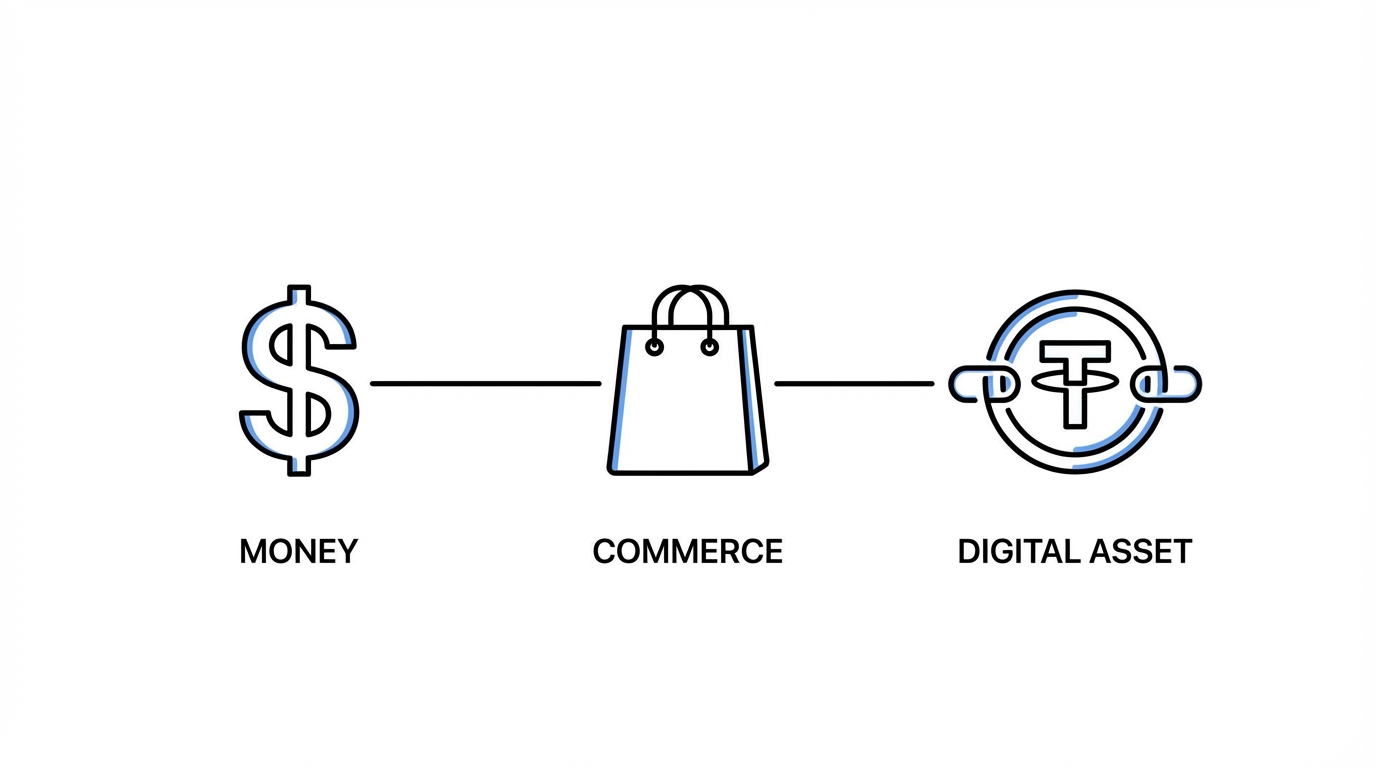

For decades, the peak of creator monetization was the "merch table." Whether it was a band selling screen-printed t-shirts at a concert or a YouTuber selling hoodies with their logo, the model was limited. It was about selling a souvenir, not building a brand. Today, that has flipped. Modern creators are leveraging platforms like Shopify to build sophisticated, direct-to-consumer (D2C) empires that rival legacy corporations. The barrier to entry has collapsed, much like how TSMC revolutionized the semiconductor industry by allowing designers to rent manufacturing capacity without building their own billion-dollar fabs.
Consider the story of Ben Francis. He started as a pizza delivery driver while building Gymshark at his kitchen table. By focusing on a specific fitness community and utilizing the business-in-a-box infrastructure provided by modern software, he scaled a small project into a brand that now competes with giants like Nike. This is the new standard for influencer monetization strategies: owning the customer relationship, the data, and the profit margins rather than renting them from a marketplace or a middleman.
Web3 as a Tool for Democratic Commerce
Web3 is often dismissed as hype, but at its core, it provides the technical framework for token gated commerce and decentralized brand loyalty. In the legacy world, if you buy a piece of art or a limited-edition product, the relationship ends at the transaction. In Web3 marketing for brands, that purchase is just the beginning. Through NFTs and smart contracts, fans can "vote with their wallets" to ensure a brand's existence and participate in its upside. This creates a more democratic and fair ecosystem for creators and their supporters alike.
This shift is particularly impactful for artists. Historically, the "starving artist" was a reality because they only profited from the first sale of their work. With Web3, creators can embed royalties into their products. If a piece of digital art or a limited-edition physical item is resold for triple its original price, the original creator (or their family) can receive a percentage of that resale automatically [source]. This is a fundamental change in how we value creative labor. By using tools like the Rainbow Wallet to manage digital assets, creators are now commercializing their art in ways that were technically impossible just five years ago.
Case Study: Jimmy Butler and Big Face Coffee
One of the most compelling examples of this evolution occurred in the most unlikely of places: the NBA bubble. During the 2020 season, basketball star Jimmy Butler began brewing coffee in his dorm room and selling it to teammates for $20 a cup. What started as a "hustle" grew into Big Face Coffee. When the brand launched officially, the physical products sold out almost instantly. Fans who couldn't get the coffee turned to Big Face NFTs as a way to support the brand and "vote" for its continued growth.
This is a masterclass in creator commerce guide implementation. Butler didn't just sell a commodity; he sold an experience and a membership. Fans aren't just buying beans; they are buying into the Jimmy Butler ethos. By integrating digital assets, the brand created a secondary way for fans to participate in the ecosystem, ensuring that even when physical inventory is low, the community engagement remains high. This is the power of influencer brand building combined with modern technology.
Token-Gating: The New Standard for Exclusive Access

The technical evolution of this strategy is token gated commerce. Brands like The Hundreds have pioneered this by using their Adam Bomb Squad NFT project to gate access to physical merchandise. Only those who hold a specific NFT can unlock certain drops or purchase exclusive items. This does several things: it rewards the most loyal fans, creates scarcity that isn't artificial, and builds a "digital identity" for the brand's ambassadors.
When a fan sets an Adam Bomb as their profile picture on X (Twitter), they aren't just showing off art; they are signaling their membership in a specific tribe. For brands, this level of signal is invaluable for influencer monetization strategies. It moves the focus away from broad, shallow reach and toward deep, high-value engagement. Instead of trying to reach everyone, brands are now focusing on the 1,000 true fans who will buy everything they release.
Actionable Playbook: Implementing Influencer Monetization 2.0
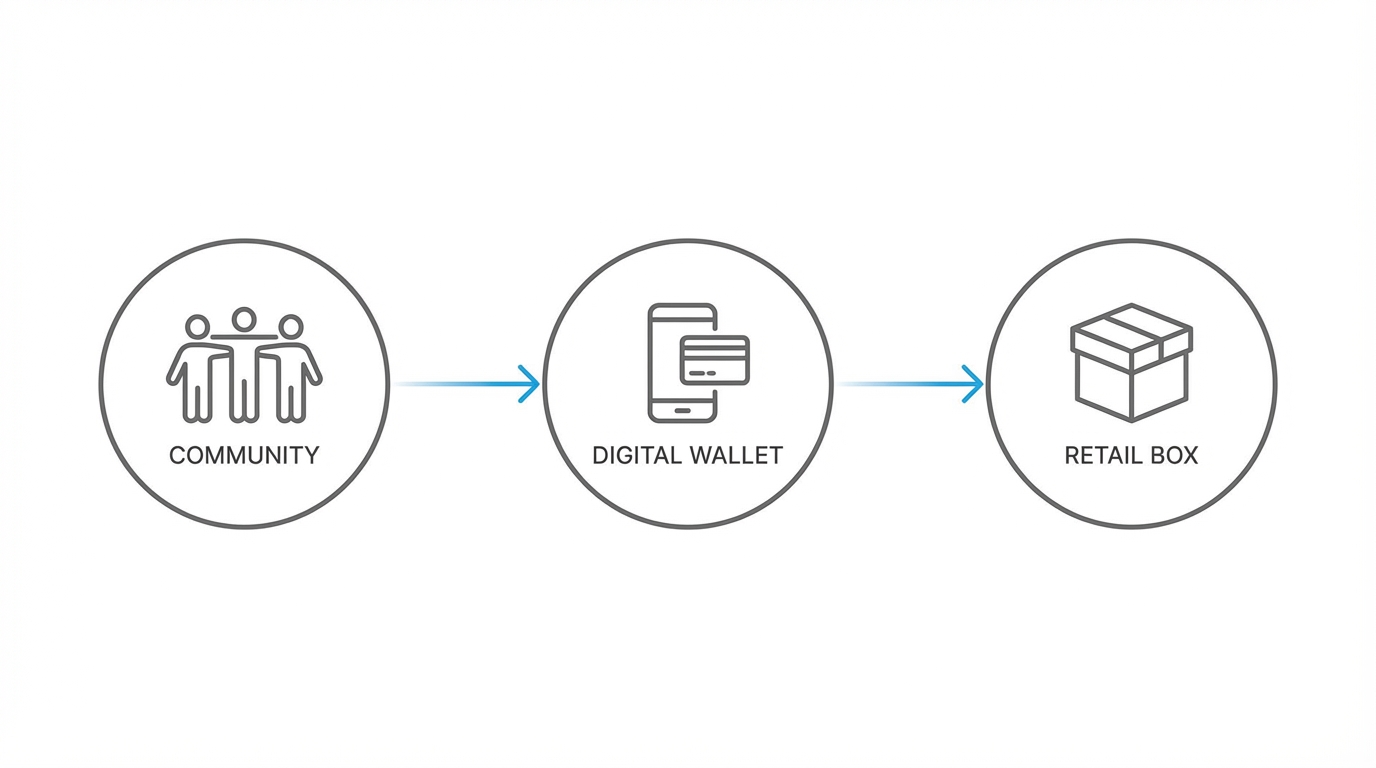
Moving from a traditional marketing model to a creator-owner model requires a strategic roadmap. Here is how brands and creators can implement these web3 marketing for brands strategies today:
Step 1: Identify Your Core "Rebels"
Before launching a product, you must find the people who truly care about your niche. This is where social media analytics become critical. You need to distinguish between passive followers and active community members who participate in discussions on TikTok or Instagram. Tools like Stormy AI can help source and manage UGC creators at scale, allowing brands to vet potential ambassadors based on audience quality rather than just follower count.
Step 2: Build the Infrastructure
Don't try to build everything from scratch. Just as Amazon Web Services provides the compute power for the internet, platforms like Shopify provide the commerce power. Utilize "business-in-a-box" tools that handle the heavy lifting of fulfillment, payments, and inventory management so you can focus on creative design and community engagement.
Step 3: Launch a Digital Access Key
Consider launching a digital asset (NFT) that serves as a membership card. This doesn't have to be expensive; it just needs to provide value. This value could be early access to sales, invite-only Discord channels, or a say in future product designs. This creates a positive sum magnetism where the fans' success is tied to the brand's success.
Step 4: Execute Token-Gated Drops
Use your digital access keys to reward your best customers. Launch a "limited edition" product that is only available to those who have supported you from the beginning. This creates a cycle of loyalty that traditional advertising cannot buy.
The Role of Analytics in Scaling Creator Brands

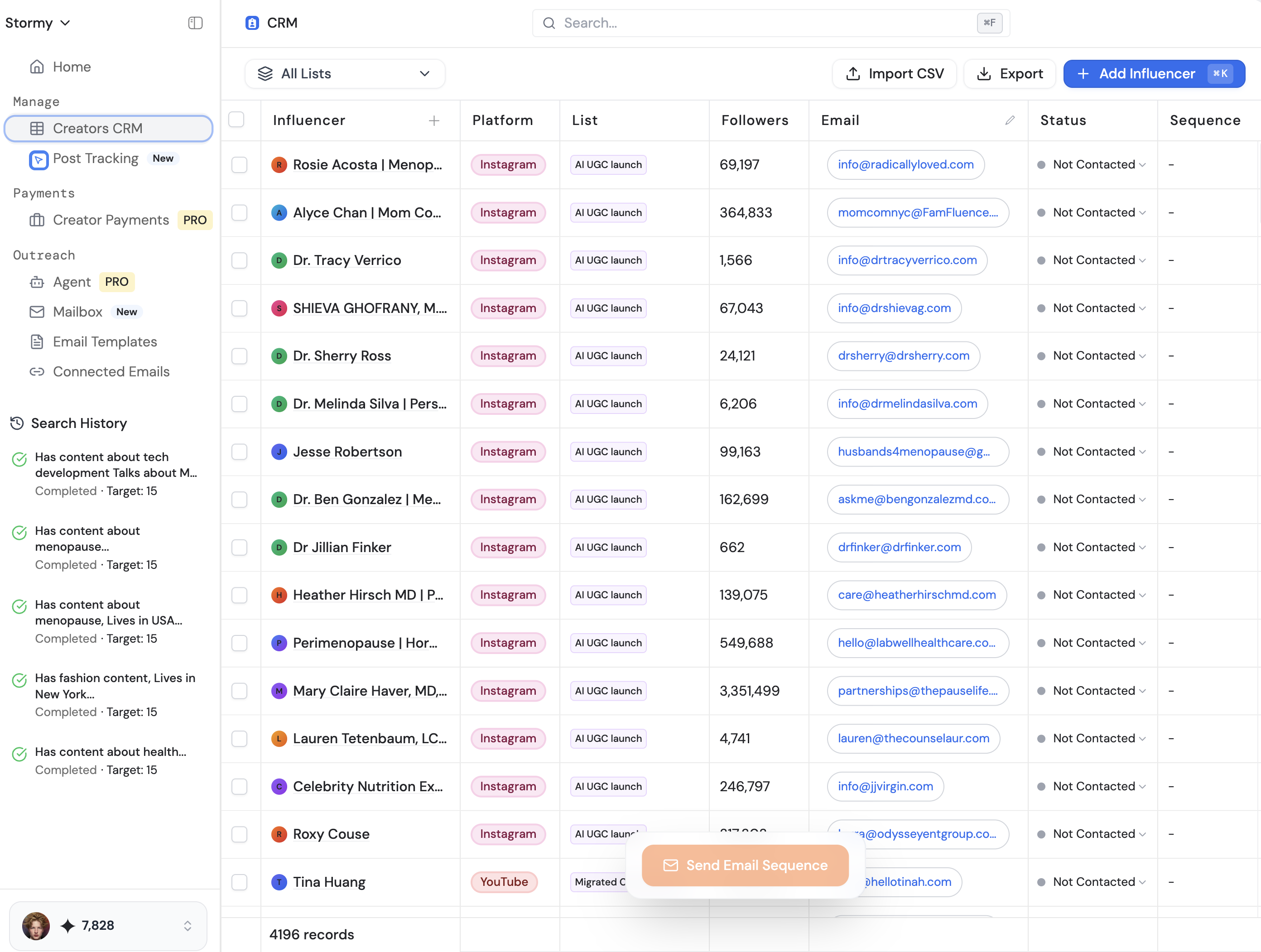
As these brands grow, managing relationships becomes the primary challenge. When you have thousands of fans participating in token gated commerce, you can no longer manage your brand manually. While legacy tools like Julius or impact.com offer traditional tracking, they often lack the AI-native automation required for high-velocity creator brands. This is where the integration of AI and CRM tools becomes necessary.
Influencer monetization strategies are only as good as the data driving them. Brands need to know who their top advocates are, what content is driving the most conversions, and how to reward their most active community members automatically. For instance, using an AI-powered creator CRM allows a brand to track every interaction, from a mention on YouTube to a purchase made via a token-gated link. By automating outreach and follow-ups through platforms like Stormy AI, creators and brands can maintain a personal touch even as they scale to global proportions.
Conclusion: The Future of Omnichannel Entrepreneurship
The future of commerce is by its very nature omnichannel and creator-led. We are moving toward a world where every business is a community business, and every creator is an entrepreneur. Whether it is a world-renowned athlete selling Big Face Coffee or a tea enthusiast launching Firebelly Tea to solve a personal wellness problem, the tools to succeed are now democratized. The "starving artist" is being replaced by the "thriving owner." By integrating Web3, high-fidelity analytics, and robust e-commerce infrastructure, brands can build something more than just a business—they can build a legacy that their community is proud to own alongside them.