The influencer marketing landscape has reached a pivotal tipping point. We are no longer in the era of manual spreadsheets and gut-feeling talent scouting. As we navigate 2025, the industry is shifting from basic automation (simple if-this-then-that triggers) to agentic workflows (goal-oriented reasoning). This evolution isn't just about saving time; it is about fundamentally redefining the unit economics of brand growth. For marketers looking to capture the highest possible returns, the mandate is clear: move beyond fragmented tooling and embrace a unified, agentic approach to creator management.
The $32.55 Billion Shift: Why AI is Dominating Influencer Budgets
The global influencer marketing market size is projected to reach a staggering $32.55 billion in 2025, growing at a compound annual growth rate (CAGR) of 33.1%. This explosive growth is being fueled by a massive influx of capital into AI-powered identification and optimization. According to recent 2025 data, 60.2% of marketers are now actively using AI for influencer identification, while 92% of brands have integrated or are open to integrating AI into their core workflows to maintain a competitive edge.
This widespread adoption is driven by the sheer complexity of the modern social ecosystem. With millions of creators across TikTok, Instagram, and YouTube, manual vetting is no longer a viable strategy for scale. Brands are increasingly turning to tools that can treat their entire marketing funnel like a codebase—analyzing data points at a speed and depth that human teams cannot match. This shift toward AI in influencer marketing statistics reflects a broader trend: the industry is prioritizing technical orchestration over traditional, labor-intensive outreach.
Deconstructing the ROI: From $5.78 to $18 for Every Dollar Spent
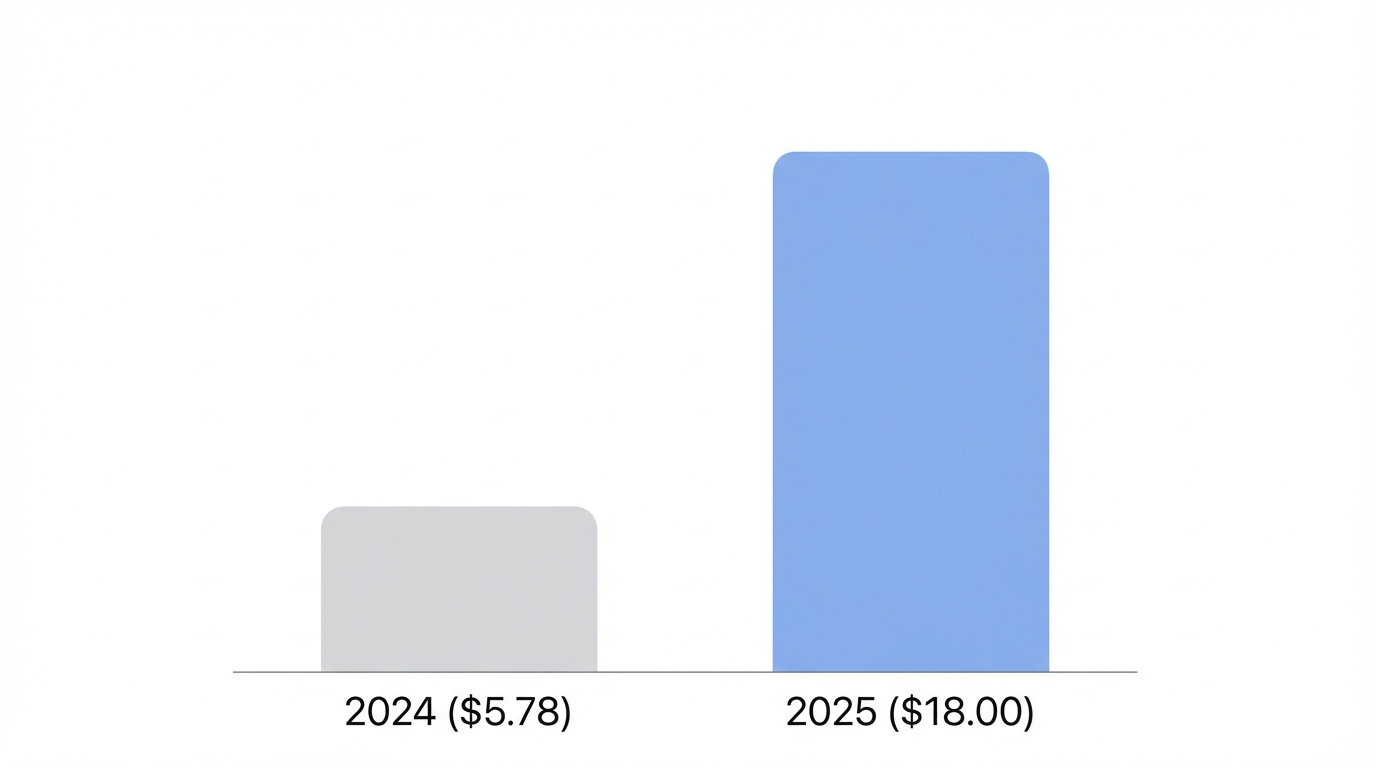
While the industry average for influencer marketing ROI remains healthy at $5.78 for every $1 spent, there is a widening gap between the average player and the top performers. The "top tier" of brands—those leveraging advanced data modeling and agentic AI—are seeing returns as high as $18 per $1 invested. This performance gap isn't accidental; it is the direct result of using AI to eliminate the "guesswork tax" of creator collaborations.
By using AI to perform deep-dive sentiment analysis and audience quality checks, brands can avoid the pitfalls of inflated follower counts and engagement fraud. Instead of casting a wide, expensive net, high-ROI brands use AI agents to find the precise intersection of brand-creator fit and audience trust. This precision ensures that every dollar of ad spend is directed toward creators who have a documented history of driving conversion rather than just vanity metrics.
Operational Excellence: Reducing Campaign Launch Times by 65%
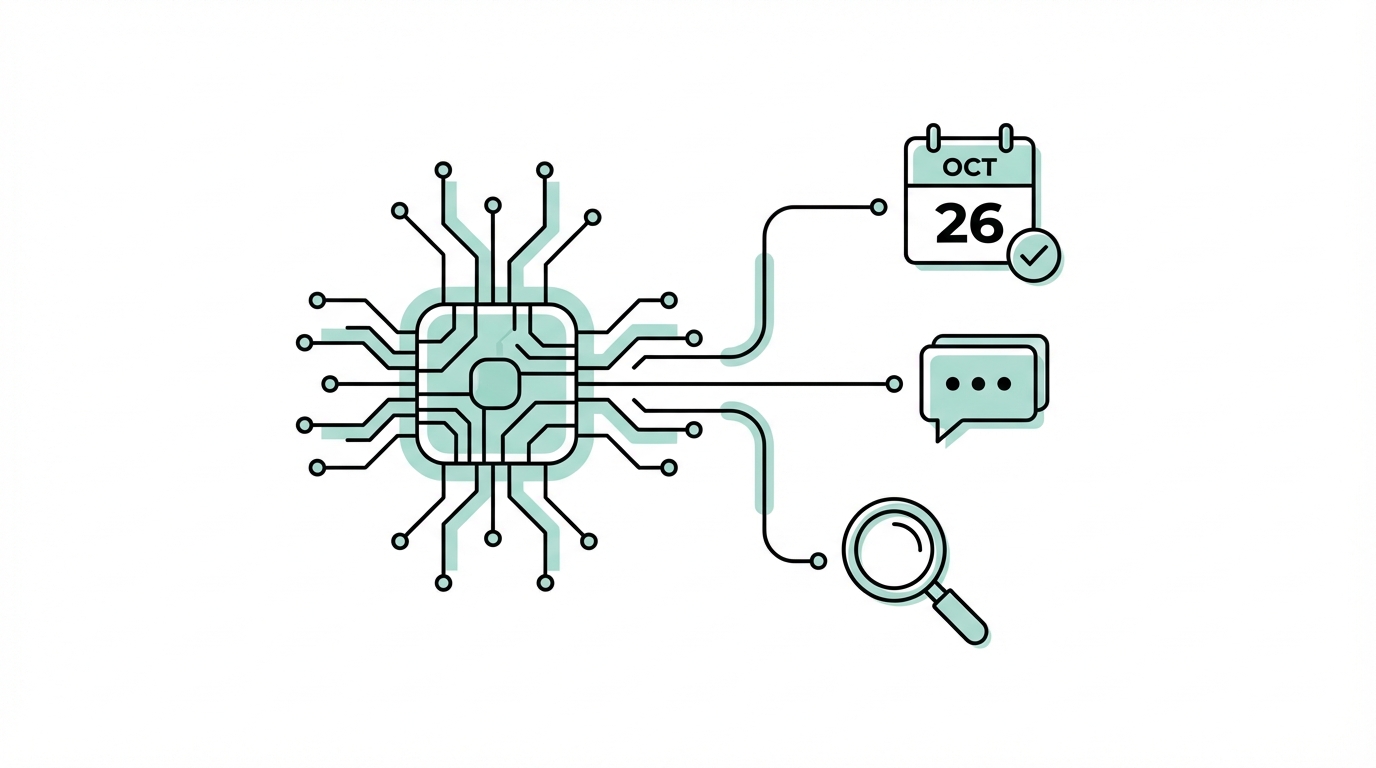
One of the most significant barriers to scaling influencer programs has historically been the "operational drag"—the weeks spent on discovery, negotiation, and asset approval. However, the rise of specialized marketing efficiency with AI agents is shattering these timelines. Agents have demonstrated that AI can reduce campaign launch times by over 65%, allowing brands to respond to cultural trends in real-time rather than weeks after the fact.
This efficiency gain is a product of goal-oriented reasoning. As noted by industry experts like Andrej Karpathy, we should treat AI as a "junior report." By providing constraints and repeatable skills, marketers can delegate the heavy lifting of data extraction and initial outreach. This frees up human talent to focus on high-level strategy and relationship building, while the AI handles the repetitive, high-volume tasks that typically bottleneck growth.
Real-World Success: Unilever and the 33% Creative Savings
The business case for AI agents isn't theoretical. Global giants like Unilever have already pioneered these strategies to achieve massive cost reductions. During a clean beauty rollout, Unilever utilized an AI Content Studio to generate 1,200 brand-safe assets from just 5 pieces of original influencer footage. This approach resulted in a 33% reduction in creative spend.
This case study highlights a critical shift in User Generated Content (UGC) strategy. Instead of paying for 1,200 individual pieces of content, the brand used AI to remix, optimize, and scale a small set of high-performing assets across multiple platforms. This methodology ensures brand consistency while dramatically lowering the cost-per-asset, a vital metric for maintaining a high AI marketing ROI in competitive categories like beauty and mobile app marketing.
The Unified Workflow: Integrating Stormy AI and Claude Code
To achieve these efficiency gains, modern marketers are moving away from fragmented tabs and toward a "unified terminal" approach. This involves using high-level orchestration tools like Claude Code to manage the entire process from a single interface. By connecting a developer CLI to specialized data providers, you create a "Closed-Loop Marketing Machine."
For example, tools like Stormy AI provide the essential data layer for this workflow. Rather than searching for creators manually, you can use natural language prompts to find hyper-niche creators. A prompt like "Find US-based tech YouTubers with 50k-200k subscribers who focus on minimalist setups and have mentioned productivity in their last 3 videos" instantly generates a vetted list, complete with engagement metrics and contact info.

Once this data is extracted from Stormy AI, it can be piped directly into Claude Code. From there, an AI agent can analyze the latest video titles of all 50 creators and write hyper-personalized outreach scripts that match your brand voice. This level of orchestration can reduce the time spent on ad creation and outreach from hours to mere seconds, enabling a scale of operation previously reserved for the world's largest agencies.
The 2025 AI Agent Playbook: A Step-by-Step Implementation
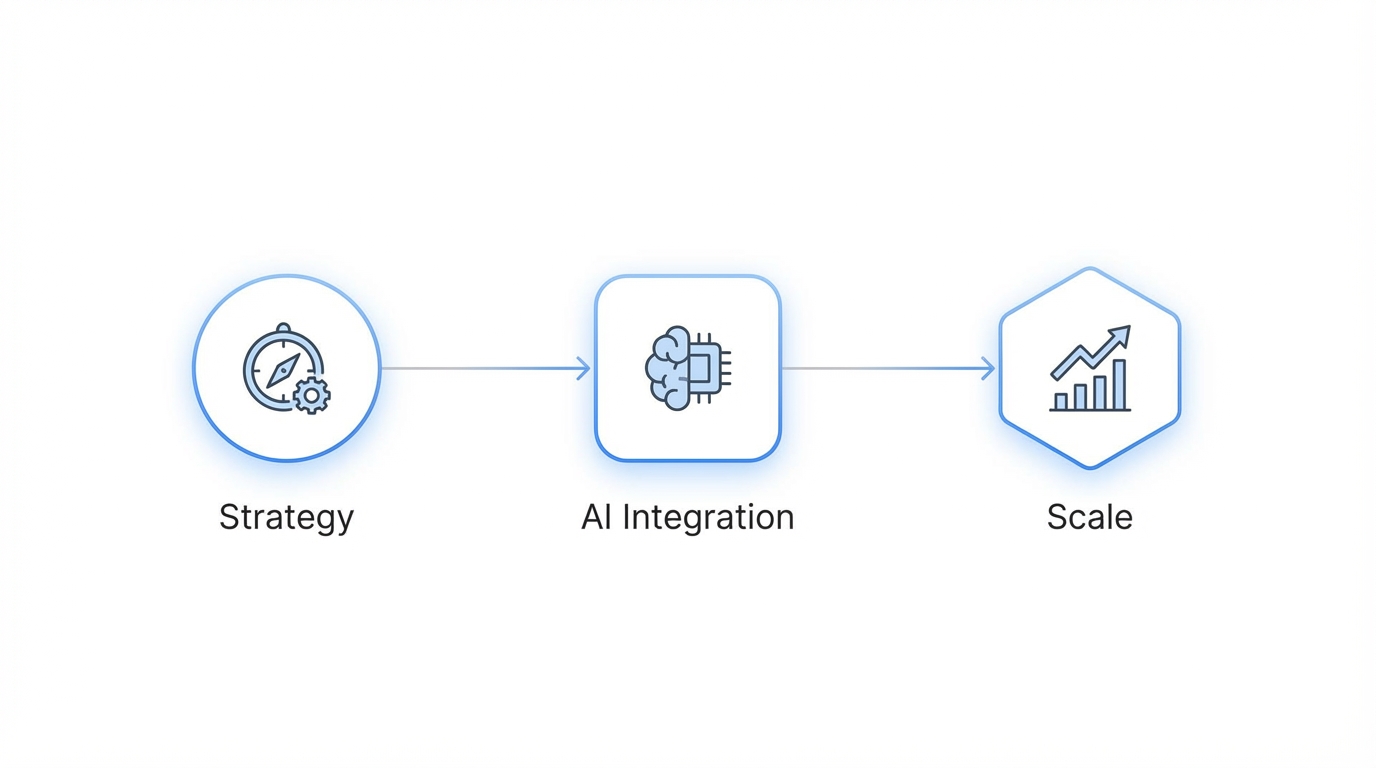
If you are looking to overhaul your influencer marketing ROI, follow this agentic playbook:
Step 1: Discovery & Data Extraction
Use an AI-powered search engine to move beyond basic keyword filters. Focus on contextual relevance—analyze what creators are actually saying, not just what niche they claim to be in. Extract this data into a structured format (CSV or JSON) that can be read by your orchestration agents.
Step 2: Orchestration & Personalization
Pass your creator list to a CLI tool like Claude Code. Set up a "Skill" directory that contains your brand voice guidelines and past successful outreach scripts. Instruct the agent to analyze the creator's recent content and generate a unique value proposition for each one. This avoids the "AI slop" trap of generic, easily ignored emails.
Step 3: Creative Optimization via MCP
Use Model Context Protocol (MCP) to connect your AI agent to external browsers or design tools. This allows the agent to take screenshots of a creator’s landing page or past content to suggest specific design improvements for your upcoming UGC collaborations.
Avoiding the "AI Slop" Trap: Implementation Mistakes to Watch For
As brands rush to adopt AI agents (with a significant portion of companies already in the adoption phase), many fall into common traps. The first is relying on generic outputs. To prevent your outreach from sounding like a bot, always "anchor" your AI with actual past successes. Feed it your best-performing posts and actual human-written emails to ensure the tone remains authentic.
Secondly, avoid vanity metric obsession. AI allows you to go deeper than follower counts. Use agents to perform sentiment analysis on the last 100 comments of a creator’s post. This reveals the true level of audience trust, which is a much stronger predictor of ROI than likes or views. Finally, eliminate fragmented tooling. Having your research in one tab, DMs in another, and CRM in a third creates data silos. Use a unified interface—like the Stormy AI CRM—to bridge the gap between discovery and relationship management.
Conclusion: The Future of High-Efficiency Influencer Marketing
The path to influencer marketing ROI 2025 is paved with agentic workflows. By shifting from manual labor to intelligent orchestration, brands can move from the $5.78 industry average to the $18 "top performer" tier. Whether it is reducing campaign launch times by 65% or slashing creative costs by a third, the data is clear: AI agents are the primary driver of marketing efficiency today.
To stay ahead, brands must invest in the "connective tissue" of their marketing stacks. Using platforms like Stormy AI to find and vet creators, combined with agentic tools like Claude Code to orchestrate outreach, allows you to scale from 5 to 50 campaigns per month without increasing your headcount. In the era of the "idea guy," your success is no longer limited by your ability to execute manually—it is limited only by the intelligence of your workflows.