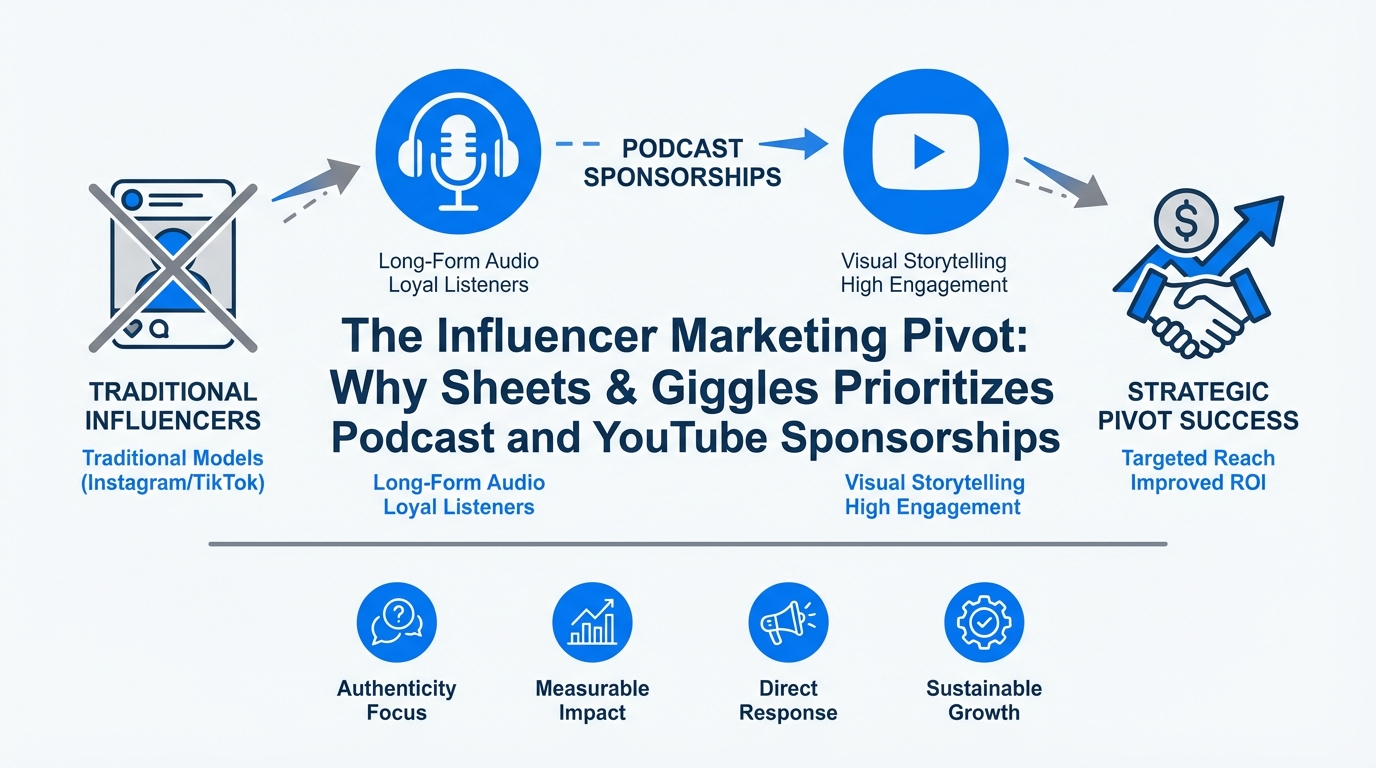
In the hyper-competitive world of Direct-to-Consumer (DTC) e-commerce, the standard playbook—pouring endless capital into Meta and Google ads—is yielding diminishing returns. As customer acquisition costs (CAC) skyrocket, savvy founders are looking for a more sustainable way to reach their target audience. Colin McIntosh, the founder of Sheets & Giggles, has cracked the code by pivoting away from the polished, corporate aesthetic of traditional digital advertising in favor of a deeply personal influencer marketing strategy focused on podcasts and YouTube.
By reaching $1.2 million in monthly sales within just 25 months of shipping his first box, McIntosh proved that authenticity and founder-led discovery are the new frontiers of growth. This approach doesn't just find customers; it builds a community of advocates who share the brand's unique sense of humor and values. In this guide, we will break down the exact distribution playbook used to scale a bed sheet company into a multi-million dollar powerhouse using the creator economy.
The Power of 'Founder-Listener Fit'
Most brands approach influencer marketing by looking at spreadsheets of follower counts and engagement rates. While those metrics matter, Sheets & Giggles prioritizes what McIntosh calls "Founder-Listener Fit." The strategy is deceptively simple: sponsor the media that you, as the founder, personally consume and enjoy.
"I sponsor podcasts that I love, and I sponsor YouTube channels that I watch," McIntosh explained during a deep-dive interview with Starter Story. The logic is sound: if you are the person who built the product, your personality is likely baked into the brand's DNA. Therefore, people who enjoy the same content as you are statistically more likely to resonate with your brand's voice, humor, and product utility. This alignment reduces the friction of the 'sell' because the audience already feels a kinship with the brand's underlying philosophy.
When you align with a creator whose language you already speak, the ad read doesn't feel like an interruption—it feels like a recommendation from a friend. This is particularly effective for podcast advertising for brands, where the host-read ad remains one of the highest-converting formats in digital marketing. Instead of a generic script, the founder can provide bullet points that allow the host to riff, making the integration feel seamless and native to the episode.
Building 'Insane' Conversion Pages Through Niche Language
One of the biggest mistakes brands make in youtube sponsorship marketing is sending all traffic to a generic homepage or a standard product page. Sheets & Giggles takes a different approach by building custom landing pages on Shopify that are specifically tailored to the creator's audience.
These aren't just templates with a logo swap. These pages utilize the specific language, inside jokes, and recurring themes of the podcast or YouTube channel being sponsored. If a podcast host has a catchphrase or a long-running gag about being a "hot sleeper," the landing page will reference it prominently. This creates a continuous user experience from the moment they hear the ad to the moment they click "checkout."
"The conversion rate on these custom landing pages is insane versus every other page on our website because we speak the language of the audience."By mirroring the creator's vibe, you lower the consumer's guard. They don't feel like they are being marketed to by a faceless corporation; they feel like they are supporting a brand that 'gets' the community they belong to. This level of personalization is a cornerstone of the creator economy for DTC brands looking to stand out in a crowded marketplace.
Authentic Content Over Polished Ads: The 'Unironed' Aesthetic
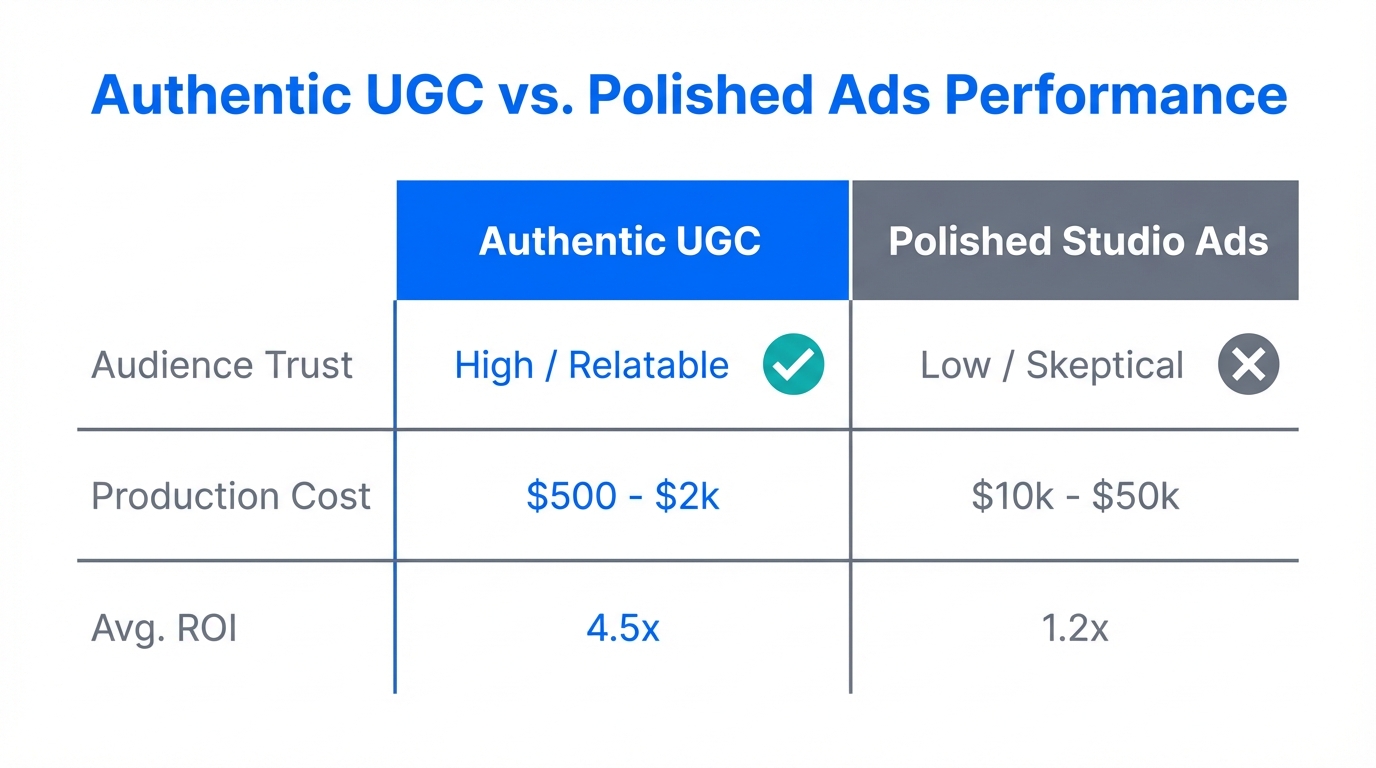
In an era of high-production 4K commercials, Sheets & Giggles goes the opposite direction. They use friends as models and famously refuse to iron their sheets for product shots. This isn't just a cost-saving measure; it's a strategic choice to produce high-chemistry User-Generated Content (UGC) that feels real.
McIntosh believes that "you can't fake friendship and chemistry." By using real people in real settings, the content "bleeds off the screen." It looks like something a friend would post on Instagram or TikTok, which makes it far more effective in a social feed than a sterile, studio-shot advertisement. This raw aesthetic builds trust because it shows the product exactly as it will look in the customer's home.
| Feature | Traditional Brand Approach | Sheets & Giggles Approach |
|---|---|---|
| Photography | Professional models, studio lights | Friends, natural environments |
| Product Prep | Steamed, ironed, perfect folds | Unironed, authentic, lived-in |
| Tone | Aspirational, serious, premium | Humorous, polarizing, relatable |
| Focus | Feature-heavy selling | Chemistry and brand personality |
For brands looking to replicate this, tools like CapCut or Canva are perfect for maintaining that high-energy, DIY feel while still keeping the content engaging. The goal is to make the viewer feel like they are in the room with the creators, participating in a shared experience rather than being a target for a sales pitch.
The 20% Rule: Why Being Polarizing Works
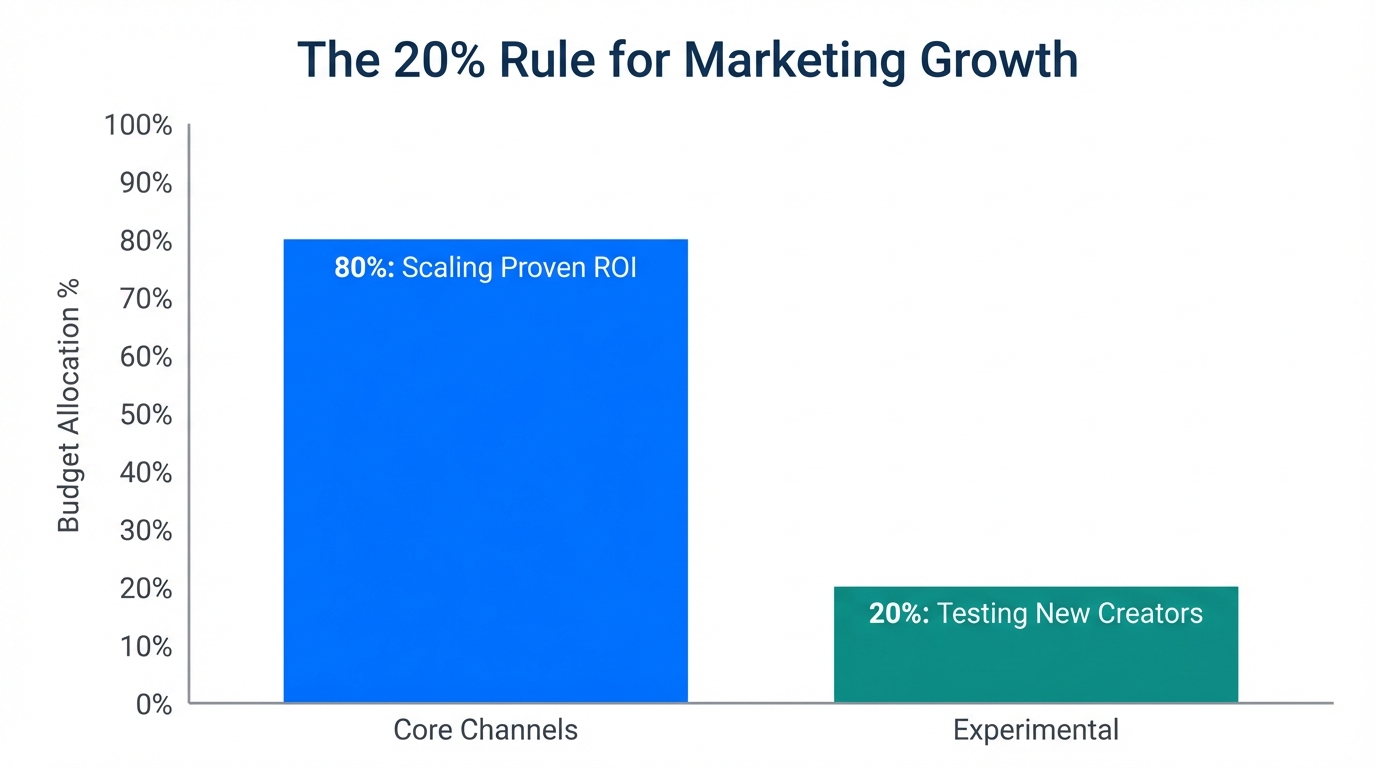
A common trap for growing brands is trying to be everything to everyone. In the quest for a broad market, many companies end up with a bland, forgettable brand voice. Sheets & Giggles operates on the 20% Rule: if you aren't pissing off at least 20% of the people who see your content, you probably aren't doing it right.
"You can't be everything for everyone, so make sure you're at least something for someone," says McIntosh. By taking a stand—whether through humor, puns, or a specific brand stance—you create a magnetic effect. The people who love you will really love you, leading to higher brand loyalty and word-of-mouth marketing. In a world where consumers are bombarded with thousands of ads daily, being memorable is more valuable than being liked by everyone.
This polarizing nature is especially effective when sourcing creators. When you use tools like Stormy AI to discover creators, you aren't just looking for high engagement; you're looking for personalities that match your brand's specific brand of 'polarization.' Identifying creators who have a strong, distinct voice allows you to tap into an audience that is already primed for a brand that isn't afraid to be different.
"If you aren't pissing off 20% of people, you're probably being too boring to be remembered by the other 80%."Scaling the Unconventional: Tools and Operations
Scaling a brand to $1 million per month while maintaining a bed-based lifestyle (as McIntosh famously does) requires a robust tech stack. Beyond a core Shopify setup, Sheets & Giggles leverages AI and automation to keep overhead low and efficiency high.
Key tools in their arsenal include:
- Rebuy: For intelligent in-cart upsells that increase Average Order Value (AOV).
- AfterSell: To capture post-purchase revenue through strategic offers.
- Okendo: For managing customer reviews and building social proof.
- SiteGPT: An AI chatbot trained on their specific website data to handle customer inquiries instantly.
McIntosh notes that using ChatGPT or similar AI tools helps solve the "blank page problem" for copy, though he still obsesses over every word to ensure it hits that specific brand voice. For managing the broader logistics of a scaling brand, a general productivity tool like Notion can help track growth milestones and partner relationships, though the influencer side often benefits from more specialized discovery platforms.
The Sheets & Giggles Influencer Playbook
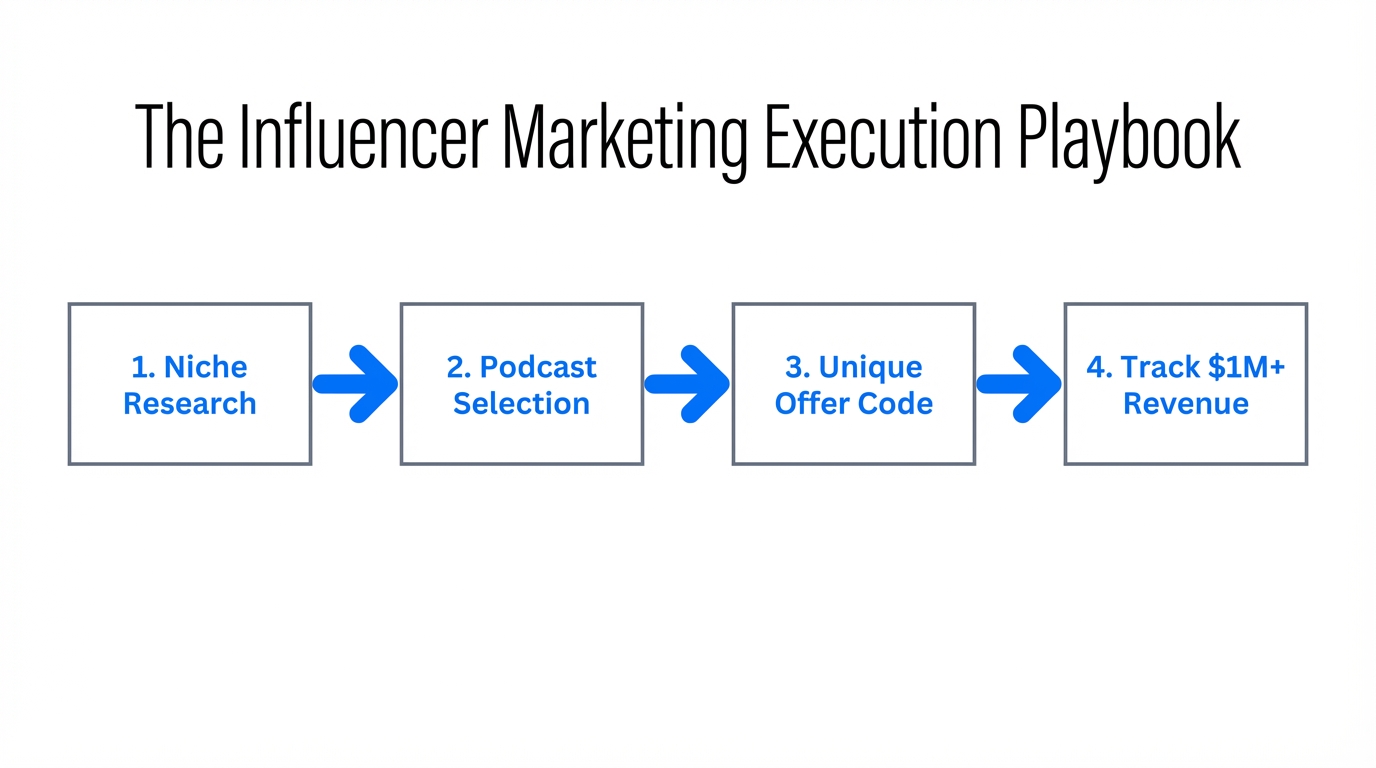
If you are ready to pivot your influencer marketing strategy toward high-converting creator partnerships, follow this three-step execution plan inspired by the Sheets & Giggles model.
Step 1: Audit Your Own Media Diet
List the top 10 podcasts you listen to and the top 10 YouTube channels you subscribe to. Look for the intersection between your interests and your product's utility. These are your Tier 1 targets. Because you understand the nuances of these shows, you will be able to write much better outreach and ad copy than a generic agency ever could.
Step 2: Engage at a Granular Level
Before spending a dollar on sponsorships, engage with the community. McIntosh spent his first 30 days responding to every single social media comment and customer care email personally. Use AI-powered vetting tools to analyze the audience demographics of your target creators to ensure they align with your actual customer profile, not just your perceived one.
Step 3: Create Custom Entry Points
Do not send creator traffic to your homepage. Build a dedicated landing page for every major sponsorship. Use the creator’s name in the URL (e.g., sheetsgiggles.com/podcastname) and include a specific discount code mentioned in the ad read. This makes tracking performance easy and improves the conversion rate by maintaining the scent of the original recommendation.
Conclusion: Finding Your Niche in the Creator Economy
The success of Sheets & Giggles proves that you don't need a massive corporate machine or a multi-million dollar TV budget to build a household name. By prioritizing founder-listener fit, embracing an unpolished and authentic aesthetic, and refusing to play it safe with brand voice, they carved out a massive niche in a "boring" industry.
As you refine your own marketing mix, remember that the most effective ads don't look like ads at all—they look like genuine connections. Whether you are using Klaviyo for email sequences or leveraging modern AI to discover creators on Stormy AI, the goal remains the same: find your people, speak their language, and don't be afraid to leave the sheets unironed.