In the high-stakes world of software growth, the old playbooks are breaking. Traditional paid acquisition on platforms like Meta Ads Manager is becoming increasingly expensive, and SEO takes months to bear fruit. However, a new breed of AI startups is finding a shortcut to $10M ARR by leveraging a high-velocity influencer marketing strategy. By focusing on organic short-form content and performance-based creator partnerships for startups, brands like Jenni AI have demonstrated that you don't need a massive budget to dominate the feed.
The Fresh Account Paradox: Why Followers Are a Vanity Metric
In the legacy era of social media, follower count was king. Marketers would chase creators with millions of subscribers, paying massive premiums for a shoutout. Today, the algorithm has shifted. Platforms like TikTok and Reels prioritize content quality and retention over historical clout. This has created a phenomenon where a "fresh account" with 50 followers can easily outperform a legacy YouTuber with a million subscribers.
As David Park, founder of Jenni AI, notes, a fresh account is often "juiced" by the algorithm. If the content resonates, it gets blasted to millions regardless of the follower count. According to Statista, the influencer market has grown significantly as brands move toward these high-engagement micro-creators. For a SaaS startup, this means your micro influencer marketing budget goes significantly further. Instead of paying $20,000 for a 30-second spot with a "spoiled" influencer who has been over-sponsored by legacy brands, you can partner with rising stars for a fraction of the cost. These creators are often more hungry, more creative, and their audiences haven't developed "ad blindness" to their recommendations.
The Algorithm Hack: Becoming Your Own User
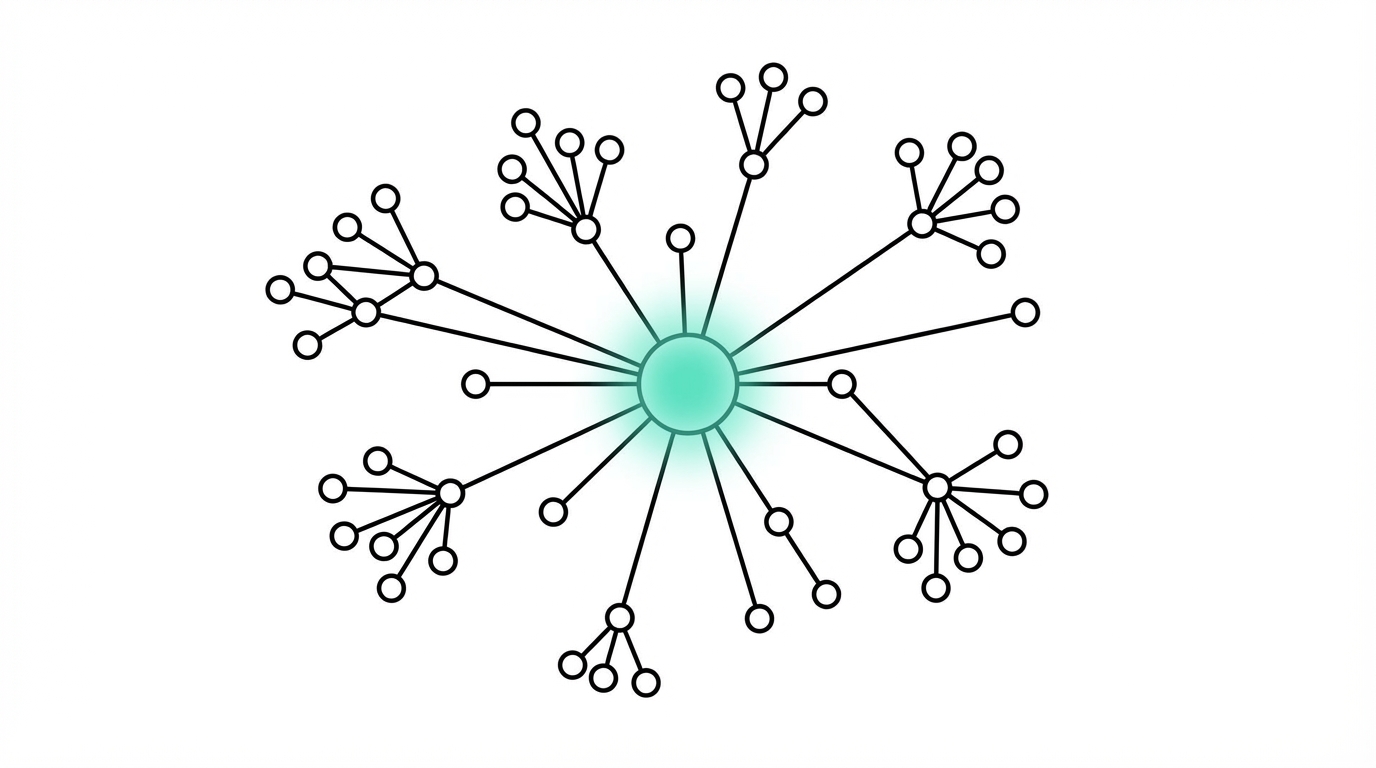
The biggest challenge in ugc for saas is discovery. How do you find the creators that your actual users are watching? Most marketers use expensive databases, but the most effective method is what growth hackers call the "Algorithm Hack."
The process is simple: Create a burner account on Instagram or TikTok. Do not follow your friends or family. Instead, manually search for and follow the influencers your target customers already follow. Watch their videos all the way through, like their content, and engage with their niche. Within hours, the TikTok recommendation engine will begin to treat you as a power user in that category. Your For You Page (FYP) will become a curated list of untapped creators who are already trending in your space.
This method allows you to find "steals"—creators who are just starting to go viral but haven't been discovered by major agencies yet. When you see an influencer appear on your feed who you don't follow, it’s a signal that their content has high "viral potential" and can reach audiences beyond their immediate circle. Using influencer outreach tips to hit these creators early is the key to locking in high-ROI deals before they become too expensive.
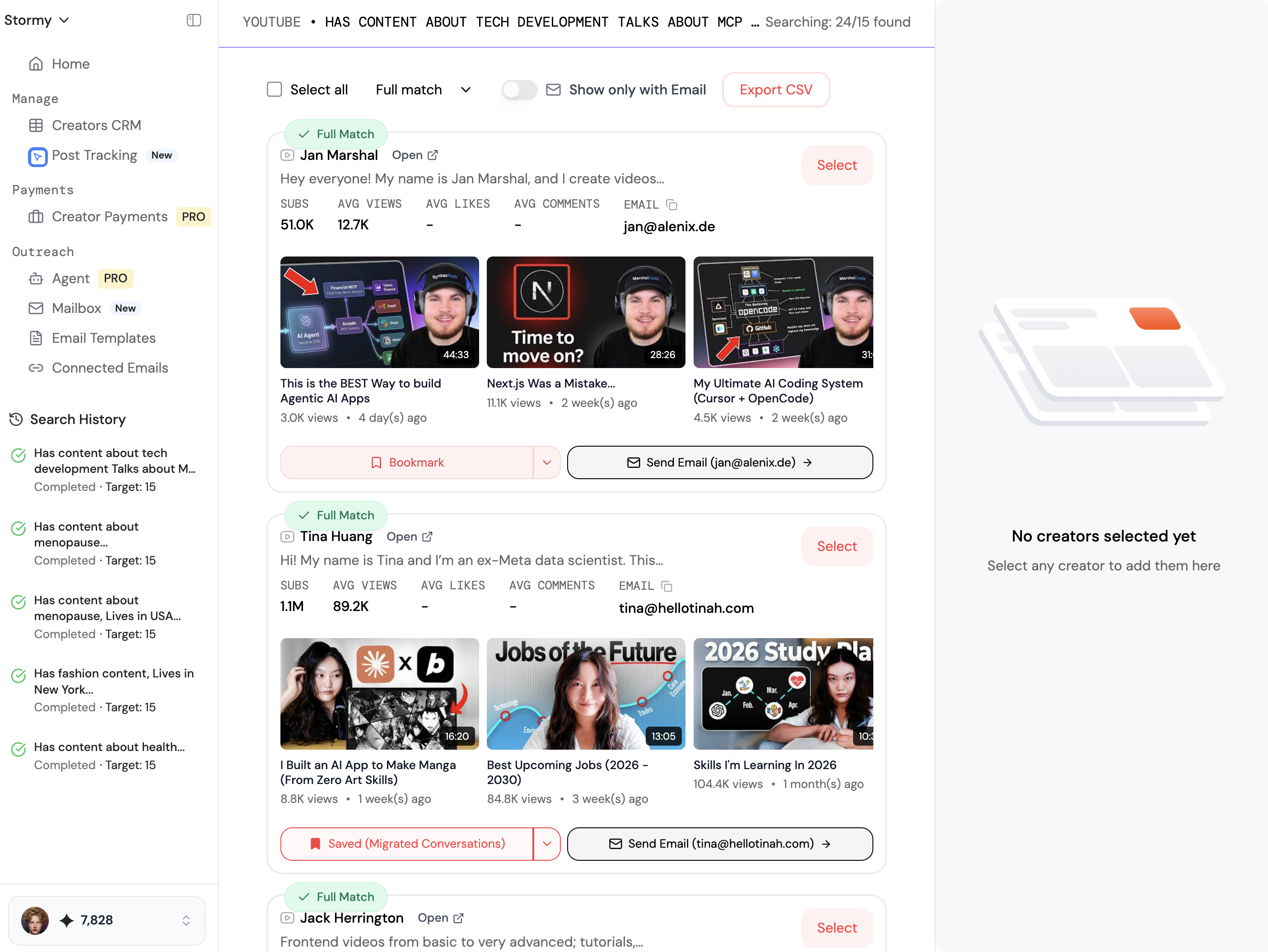
While this manual hacking is effective for intuition, scaling this process requires a systematic approach. Platforms like Stormy AI allow you to use natural language prompts to find these specific niches instantly, vetting creators for engagement fraud and audience quality in seconds so you don't waste budget on bots.
The Outreach Playbook: Getting Noticed in a Crowded Inbox
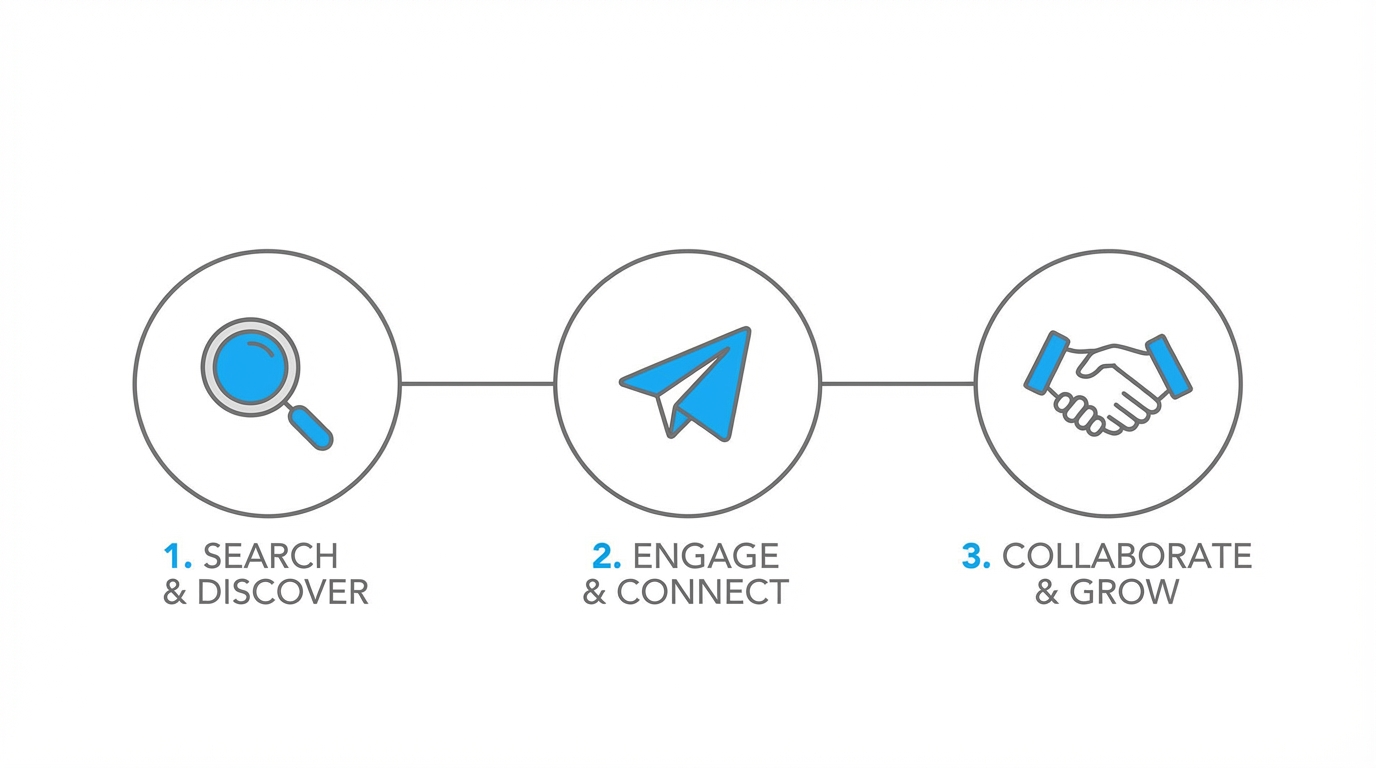
Influencers are inundated with generic emails and "collab" requests. To stand out, your outreach needs to be high-context and human. David Park famously utilized the "Venmo Hack"—sending a small amount of money via Venmo with a message attached. Because Venmo triggers a push notification that bypasses the cluttered email inbox, it almost guarantees a response.
If you prefer traditional channels, follow these influencer outreach tips: be concise, be human, and make it clear it’s a paid promotion. Avoid talking about your funding rounds or employee count; influencers don't care. Instead, tell them exactly why their specific content style fits your product. Highlight that you want to pay them for their creativity, not just a link in their bio. Research from Nielsen shows that consumers trust influencer recommendations far more than brand advertisements, making this direct connection vital.
Outreach Best Practices
- Multi-Channel Attack: If they don't respond to an email, try a DM. If the DM fails, look for them on professional networks like LinkedIn.
- The "Fan" Hook: Mention a specific video they made recently. Show them you aren't just shotgunning emails to 10,000 people.
- The Paid Signal: Use the words "Paid Partnership" in the subject line. This immediately separates you from the "free product for post" scammers.
Negotiating the True Price: Stripping Away the Fluff
Most influencers have a "media kit" with inflated prices based on what they think they should charge. To get an ROI, you need to negotiate based on the true price of the content. Start by asking for a full package (Link in bio, Stories, Usage Rights, Multi-platform posting) and then systematically strip away what you don't need.
For example, if you are a SaaS brand, you might not need a 24-hour Instagram Story—the retention is low. By removing the Story post and the "link in bio" fee, you can often drop the price by 30-50%. Another strategy is the Bulk Deal. Instead of one-off sponsorships, offer to pay for 3-6 months of consistent content. Creators love the stability of monthly recurring revenue via platforms like Stripe, and you can often secure a 20% discount by committing to a longer-term creator partnership for startups.
Scaling the Engine: The Viral Series Strategy
Once you find a creator and a content format that works, don't move on. Exploit the winner. Jenni AI discovered the "POV: You have an essay due" series, which generated over 300 million views. The secret? They posted the same core concept dozens of times with slight variations in the hook.
Humans are creatures of habit. If a video of a creator using your tool to solve a specific pain point goes viral, it will likely go viral again if you change the setting or the opening five seconds. To scale, you should aim to have multiple accounts (some brands utilize dozens of "fan" or niche accounts) posting daily. This increases your "surface area of luck." Eventually, you can even translate these winning formats for international audiences, hiring creators to film the same hooks in Spanish or French using DeepL for script localization.
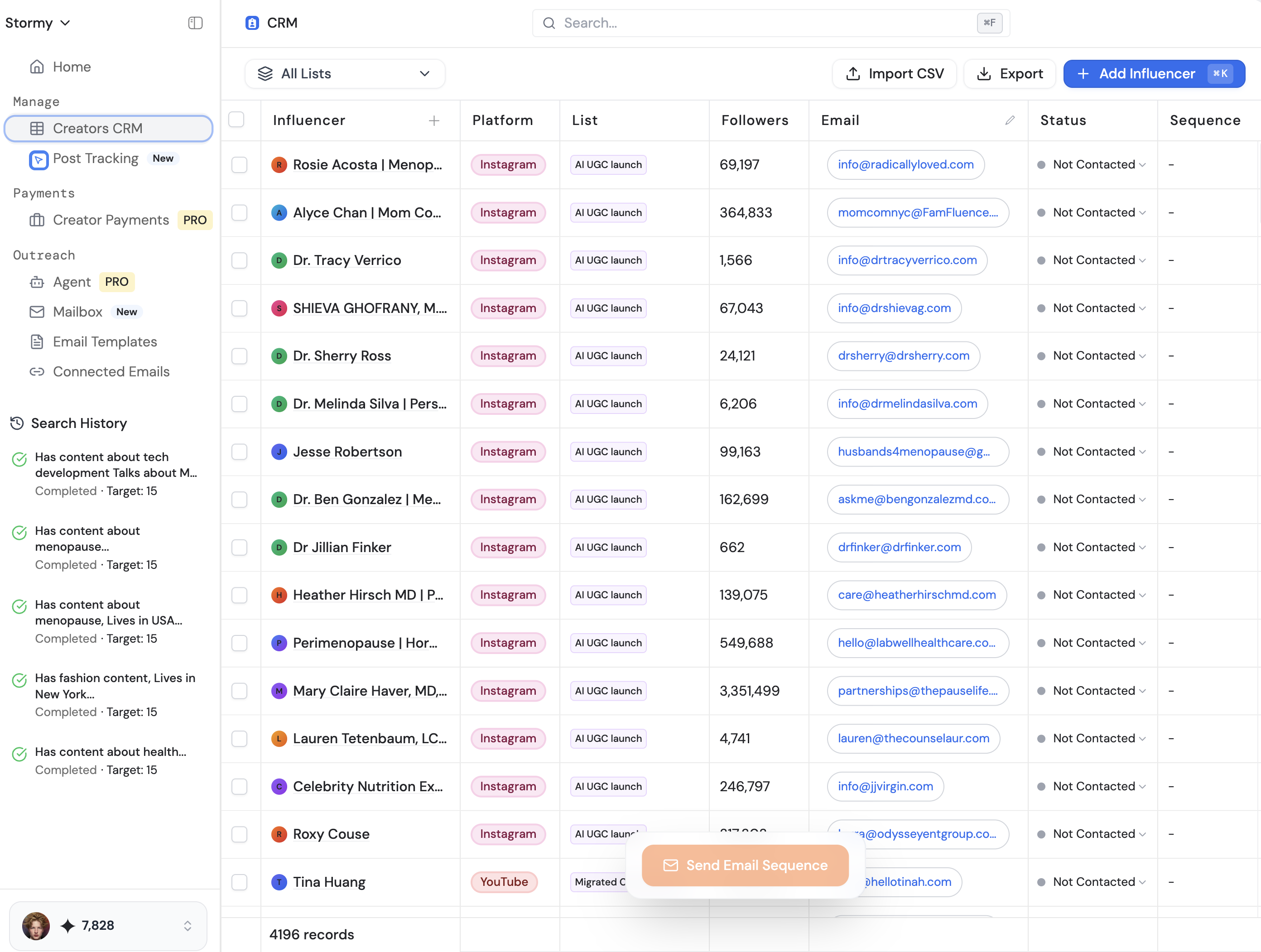
Managing 24 accounts and hundreds of creators is a logistical nightmare. This is where a specialized creator CRM becomes essential. You need to track which hooks are converting, manage payments, and ensure your automated AI outreach agents are following up with new prospects while you sleep.
Transitioning to Paid: The Ultimate Flywheel
The final step in a sophisticated influencer marketing strategy is using your organic winners to fuel your paid ads. Don't waste money on Google Ads or Meta by guessing which creative will work. Instead, take the top 1% of your organic influencer videos—the ones that already have millions of views and high conversion rates—and put spend behind them as "whitelisted" ads via Meta Partnership Ads.
This significantly lowers your CAC (Customer Acquisition Cost) because the content has already been "market-tested." Users respond better to a video that looks like a genuine recommendation from a creator they recognize than a polished corporate ad. By funneling your profits from these ads back into sourcing more creators, you create a self-sustaining growth loop that can take a SaaS from zero to $10M ARR profitably.
Conclusion: The 1% Rule
Thousands of founders will read these tactics, but as data from SaaS Capital suggests, only a small fraction will actually implement them for over a year. Influencer marketing for SaaS is not a one-time "hack"; it is a science of iteration. It requires talking to your users, training your own algorithms, and being willing to get "gut-punched" by underperforming videos until you find your viral banger. If you are ready to stop chasing vanity metrics and start building a high-performance content engine, the tools and strategies are right in front of you. Start by finding your first five creators today, and don't stop until you've built a library of winners.