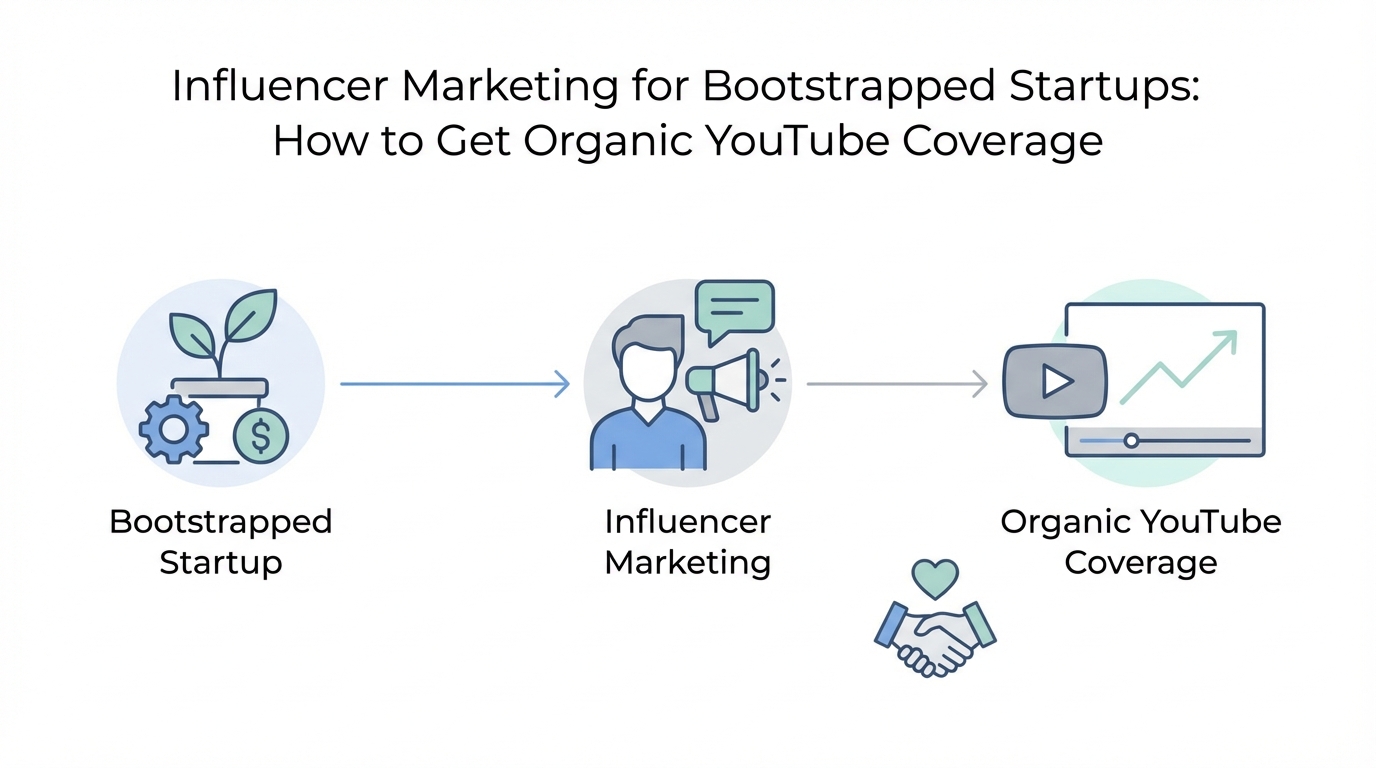
In the high-stakes world of software development, the dream is often the same: build something valuable, launch it to a waiting audience, and watch the metrics climb without spending a dime on paid advertising. For most, this remains a dream. But for Pontus and Viktor, the founders of Cursor Directory, this became a reality in just three hours. By leveraging organic growth strategies for SaaS and tapping into the power of tech influencer marketing, they transformed a simple weekend project into a powerhouse that generates $35,000 per month with a 99.8% profit margin. This wasn't achieved through expensive agency contracts or massive ad spend; it was the result of building an "influence-ready" product that creators couldn't wait to share.
The Ripple Effect: How a Viral X Thread Attracts High-Authority Tech YouTubers

The journey of Cursor Directory didn't begin with a marketing plan; it began on a three-hour flight to France. Pontus, a developer looking for ways to optimize his workflow in the Cursor code editor, realized there was no central repository for "Cursor Rules"—the custom instructions that make AI coding more efficient. Upon landing, he and his co-founder Viktor built the MVP in a single afternoon. When they posted the initial release on X (formerly Twitter), the response was explosive. This initial spark is the first step in influencer marketing for startups: creating a narrative that is inherently shareable within a specific community.
That single post generated over one million impressions. But the real magic happened in the secondary wave. High-authority tech YouTubers and content creators are constantly hunting for the "next big thing" to show their audiences. When a project trends on X or reaches the front page of Hacker News, it acts as a signal to creators that the tool is worth covering. This organic discovery process is often more effective than cold outreach because the influencer feels they have "discovered" a gem for their followers. This is the essence of how to get influencers to promote your product: provide them with high-signal content that validates their expertise as trend-spotters.
For bootstrapped founders, the lesson is clear: your initial launch shouldn't just target users; it should target the platforms where influencers hang out. While platforms like Stormy AI allow you to use natural-language prompts to find specific creator niches, your product's user interface is what convinces those faces to hit the "record" button. Stormy AI is an AI-powered search engine that scans TikTok, YouTube, Instagram, and more to find the perfect influencers instantly.
Designing for 'Shareability': Why Aesthetic UI is a Competitive Advantage

In a world where AI can generate a functional website in seconds, design has become the ultimate differentiator. Many founders make the mistake of thinking an MVP needs to be ugly. Cursor Directory proves the opposite. Despite being built in three hours, the site featured a polished, "tech-heavy" aesthetic that resonated with the developer elite.
Viktor, the design lead, utilized a specific formula: keep it simple, find patterns you love, and iterate quickly. They didn't reinvent the wheel; they used a proven tech stack including Shadcn components and Next.js to ensure the site looked professional from minute one. An aesthetic UI creates a lower barrier for tech influencer marketing because the product looks good in a screen recording or a YouTube thumbnail. If your tool looks like a "black box" or an unstyled list, creators have to work harder to make their content visually appealing. If your tool is beautiful, you've already done half the work for them.
The Aesthetic Competitive Advantage
As Pontus noted during his interview on Starter Story, design is more important than ever in 2025. When everything is AI-generated, intentionality in design stands out. This intentionality signals to influencers that the founders care about the user experience, which in turn makes the influencer more comfortable putting their reputation on the line to recommend the tool. For influencer marketing for startups, your UI is your business card.
How to Track Influencer Mentions and Their Direct Impact

You cannot manage what you do not measure. For a small business, influencer tracking doesn't require a six-figure enterprise suite. Pontus and Viktor kept their operations lean by using OpenPanel for analytics and monitoring their GitHub stars and registration spikes. For more robust monitoring, founders use Stormy AI to track individual videos and posts, monitoring exact view counts and engagement metrics automatically.
To implement influencer tracking for small business, startups should look at three key metrics:
- Referral Traffic Sources: Identifying which specific YouTube descriptions or X posts are driving the highest volume of clicks.
- Direct Traffic Spikes: Often, users see a video on their TV or mobile device and then type the URL directly into their browser later.
- Conversion Rate by Source: Using tools like OpenPanel to see if users coming from a specific "influencer" are more likely to register or pay for featured listings.
For Cursor Directory, tracking was simplified by their 99.8% profit margin and low overhead. With operational costs under $500 per month using tools like Vercel for hosting and Resend for email, they could clearly see how organic coverage translated directly into profit. When you aren't burning money on ads, every organic mention becomes a high-ROI event.
Building Relationships with Micro-Influencers in AI Development
While everyone wants a shoutout from a creator with millions of subscribers, the real growth for bootstrapped SaaS often comes from micro-influencers. In the AI and developer niche, these are the creators who may only have 10,000 to 50,000 followers but possess high trust and deep technical authority. These creators are looking for tools that provide genuine utility to their audience, such as MCP (Model Context Protocol) search tools or custom rule generators.
Using an AI-powered quality report from Stormy AI is invaluable for identifying these niche creators and detecting fake followers or engagement fraud before you reach out. By finding creators who are already talking about the "Cursor ecosystem" or "AI productivity," founders can engage with them authentically. Pontus and Viktor didn't just build a site; they built a community where users could upvote rules and post their own content. This community-led growth naturally attracts micro-influencers because the platform becomes a source of content for them as well. They aren't just reviewing a tool; they are participating in a movement.
Creating an 'Influence-Ready' Product: Features That Drive Coverage
What makes a product "influence-ready"? It’s not just about functionality; it’s about demonstrability. Cursor Directory succeeded because it was incredibly easy to show on camera. A creator could open the site, click "copy" on a rule, paste it into their editor, and show the immediate result. This "aha moment" is the holy grail of organic growth strategies for SaaS.
To make your product ready for tech influencer marketing, consider these features:
- One-Click Actions: Features like the "copy rule" button that provide instant gratification.
- Shareable Artefacts: Allowing users to create and share their own custom rules or profiles, which influencers can then link to.
- Community Validation: Upvotes and "popular" sections that show an influencer what is currently trending, giving them a script for their content.
- Low Friction Entry: No heavy sign-up walls for the core value proposition. Let the influencer show the value before asking for an email.
By the time MCPs became popular, Cursor Directory was already positioned to catch the "second wave" of interest. They added an MCP searchable database, making the site an essential resource once again. This adaptability ensures that influencers have a reason to return to your product and cover it multiple times as the market evolves.
The Bootstrapped Playbook: Step-by-Step Organic Growth
If you are looking to replicate the success of Cursor Directory, follow this playbook to secure organic growth strategies for SaaS and get influencers to notice your work.
Step 1: Identify a Timeless Problem in a Trending Niche
Pontus didn't invent Cursor; he spotted a discoverability problem within a fast-growing ecosystem. Use tools like X, Reddit, and specialized forums to see what people are complaining about. If people are sharing "obscure gists on GitHub," that is your signal to build a directory.
Step 2: Build and Ship in Record Time
Don't spend months in stealth mode. Use a familiar tech stack—Cursor Directory used TypeScript and Next.js—and ship an MVP in days, or even hours. The goal is to catch the "wave" of interest while it's still peaking. Use a merchant of record like Polar to handle international payments instantly so you can focus on the product, not the plumbing.
Step 3: Seed the Community
Post your launch on X, Hacker News, and relevant subreddits. Building in public is a powerful way to gain early traction. To automate this, you can set up an AI agent via Stormy AI that discovers, outreaches, and follows up with creators on a daily schedule, managing your inbox while you sleep.
Step 4: Make it Demonstrable
Refine your UI until it is "camera-ready." Ensure your core value proposition can be explained and demonstrated in a 60-second TikTok or a 10-minute YouTube video. If a creator can't explain your tool in one sentence, it’s not ready for influencer marketing for startups.
Step 5: Monetize and Scale Leanly
Cursor Directory monetizes through paid job ads and featured listings. By keeping the gross margin at 99.8%, the founders ensure that they don't need a massive team to maintain the business. This allows them to spend only three hours a month on maintenance while focusing on their primary startup, Midday.
Conclusion: The Power of Starting
The story of Cursor Directory is a testament to the fact that directories are not dead in 2025; they are evolving. By solving a specific problem for a dedicated audience and wrapping it in a beautiful, shareable package, Pontus and Viktor unlocked the power of organic growth strategies for SaaS. They proved that influencer marketing for startups doesn't require a massive budget—it requires a product that creators are proud to showcase.
As you look to launch your next project, remember Pontus’s core advice: Just start. You don't know if your weekend project will be a flop or a $35k-a-month success until you put it in the hands of users and the creators who influence them. Leverage tools like Stormy AI to find your niche, build something beautiful, and let the organic ripple effect do the rest. There is no such thing as failure when every build is a lesson that brings you one step closer to your own viral success.