When most app founders think about influencer marketing for mobile apps, they imagine a single, expensive shoutout from a massive creator that results in a temporary spike in downloads followed by a steep drop-off. However, the world's fastest-growing apps—like Kunch AI, which hit $1 million ARR in just 30 days—don't rely on luck or one-off hits. They treat creator partnerships as a sustainable, viral engine designed for high-margin returns. By moving beyond the "pay-and-pray" model and focusing on specific, data-driven deal structures, developers can turn social media into a consistent growth channel that outperforms traditional paid acquisition.
The Math of Influencer Deals: Targeting $1-$2 CPMs

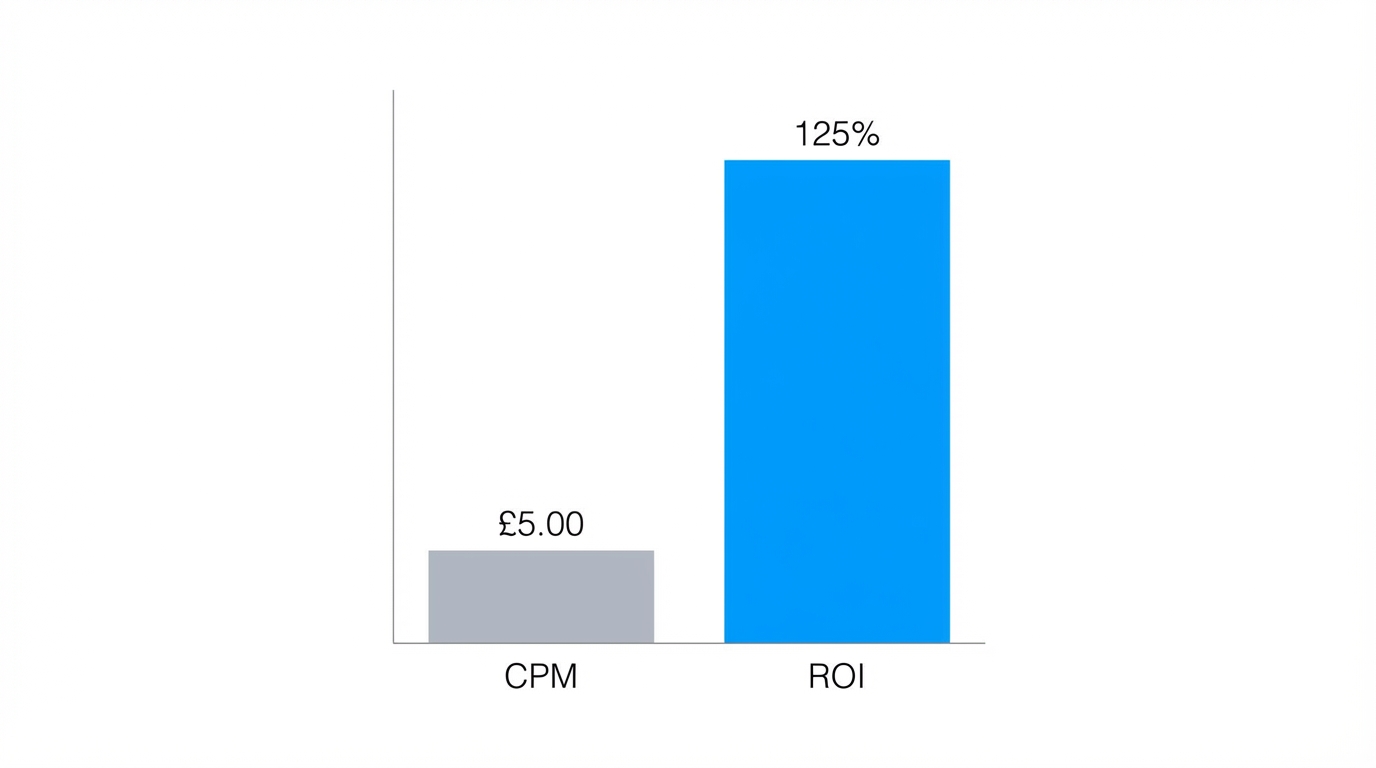
To achieve a high influencer ROI, you must understand the unit economics of the attention you are buying. Performance-driven marketers today are moving away from flat-fee "shoutouts" and toward volume-based deals that target $1 to $2 CPMs (Cost Per Mille). This strategy is built on the principle that if you can acquire views at a significantly lower rate than your RPM (Revenue Per Mille), you create an arbitrage opportunity that scales. For instance, if your app generates a $7 or $8 RPM through subscriptions or in-app purchases, securing $1 CPMs ensures a massive profit margin on every thousand views. Managing these campaigns effectively requires robust tools; many growth leads use Meta Ads Manager to benchmark their organic performance against paid benchmarks.
Finding these deals requires looking at creators who have high engagement but perhaps haven't yet optimized their own monetization. This is where social media analytics for influencers become critical. You aren't just looking for follower counts; you are looking for "momentum waves." When an app like Shepherd (a Duolingo-style Bible study app) reached $75,000 MRR in just 14 days, it did so by identifying creators who could generate millions of views for pennies on the dollar. By negotiating deals based on expected reach rather than prestige, you can stretch a modest marketing budget to cover hundreds of millions of impressions.
Vetting for "Scrappy" High-Conversion Content
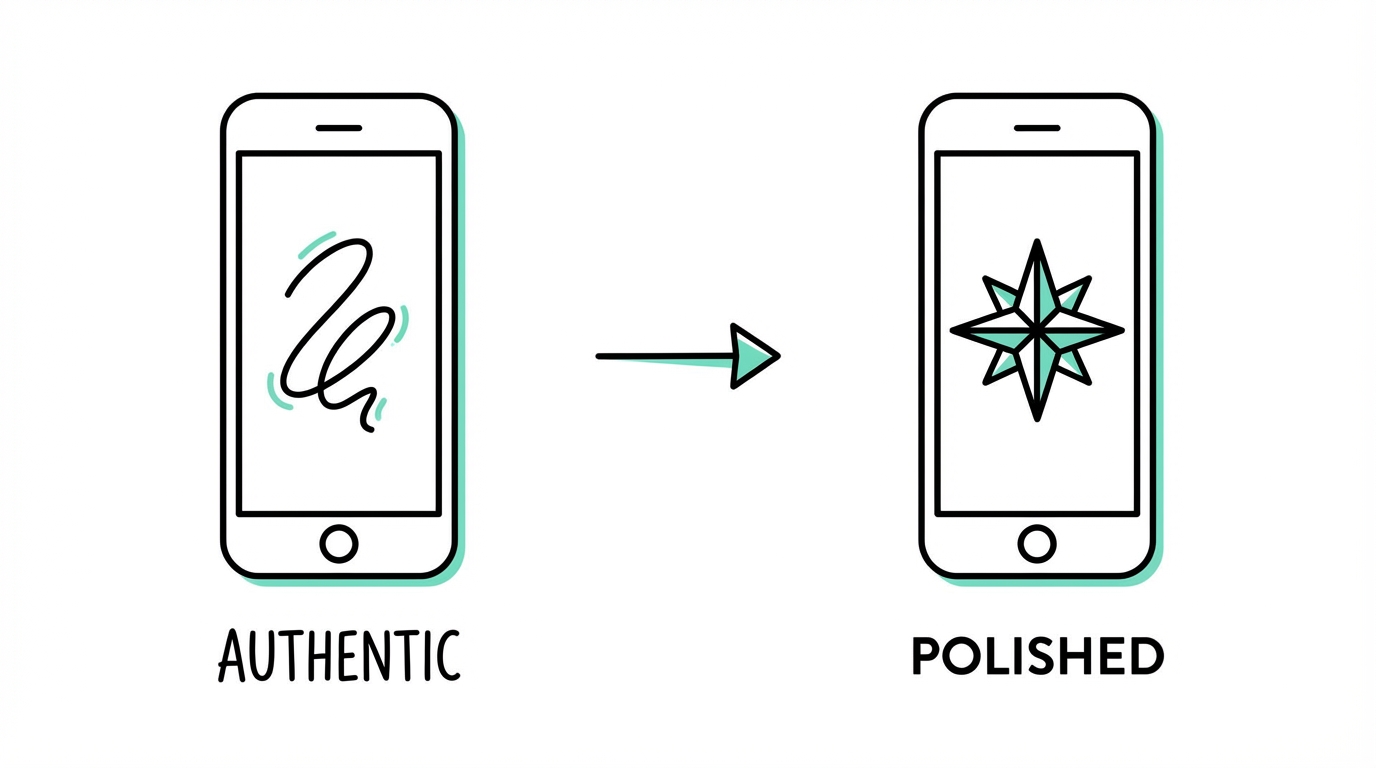
One of the biggest mistakes in a ugc creator strategy is prioritizing high production value over authenticity. Data from viral app launches suggests that "scrappy" content—videos that look like they were filmed in a kitchen or a bedroom—often converts at a much higher rate than polished, studio-quality ads. This is because modern audiences, particularly Gen Z and Gen Alpha, possess a high degree of "ad blindness." They are trained to skip anything that looks like a corporate promotion. Instead, look for creators who can produce content that feels "native" to the platform. For example, using Snapchat-style captions or filming natively within social apps creates a lower frame rate and pixelation that subconsciously signals to the viewer that the content is real and trustworthy. Platforms like Stormy AI help brands find these authentic voices by using an AI search engine to find creators who specialize in high-engagement, low-friction content across TikTok, Instagram, and YouTube.
When vetting creators for creator partnerships, look at their existing feed. Do they use "Frankensteining" techniques? This involves taking high-performing hooks or sounds from other viral videos and stitching them with new, relevant demos. A video for an AI writing tool that used a sound of a teacher yelling at a student reached over 150 million views across platforms because it leaned into a high "cringe factor" and felt like a real-life situation caught on camera. This scrappiness isn't just a budget-saver; it's a conversion necessity. Brands often track these metrics alongside their performance on Apple Search Ads to see how organic virality impacts their branded search volume.
Transitioning Influencers into 'Dedicated Brand Accounts'
The secret to building a sustainable viral engine is moving beyond the one-time post. The most successful influencer marketing for mobile apps involves transitioning top-performing creators into full-time or dedicated UGC hosts for your brand’s own accounts. Instead of the creator posting once to their feed, you hire them to run a brand-owned account, posting daily. This provides the consistency needed to satisfy social media algorithms and builds a "face" for the brand. For many app developers, using Stormy AI is the most efficient way to discover and vet these long-term partners by generating AI-powered quality reports that detect engagement fraud and analyze audience demographics.
This "Dedicated Account" model allows you to test hundreds of different formats without exhausting a creator's personal audience. You can experiment with different angles: one day might focus on a "Small Business" narrative, while another focuses on a "Clearance Sale" or "Limited Drop" hook. For the candy brand Final Boss Sour, this strategy turned a scrappy organic presence into a nuclear growth engine on TikTok Shop by combining founder-led content with dedicated affiliate voices who focused purely on product conversions. This approach is highly effective for apps that rely on social media analytics for influencers to pivot their messaging based on real-time feedback loops.
The Cold-Start Playbook: Carousels and Meme Pages
If you are launching a new app with zero users, you need a cold-start strategy that tests product-market fit quickly and cheaply. Before committing to expensive creator partnerships, many founders use carousels and meme pages to gauge interest. Here is a step-by-step playbook for a successful cold start:
Step 1: Identify an Existing Movement
Don't build in a vacuum. Find a community that is already "obsessed" with a specific niche. For the fitness app Arise, the founders tapped into the Solo Leveling anime community. They didn't have to convince people to like the concept; the fans were already asking for a real-life version of the show’s fitness system. You can use tools like Google Ads to research keyword demand before you even begin your ugc creator strategy.
Step 2: Leverage Carousel Formats
Carousels on platforms like Instagram and TikTok are currently prioritized by algorithms because they keep users on the app longer. Create carousels that describe the problem your app solves using a "Us vs. Them" narrative. Positioning your app as the solution to a "pointless bureaucracy" or "busy work" creates an immediate emotional hook. This strategy helped the app Shepherd gain 100,000 downloads in just two weeks with only seven videos.
Step 3: Partner with Meme Pages for Reach
Meme pages often offer much lower CPMs than traditional influencers. By seeding your content on pages where your target audience already hangs out, you can generate millions of views for a fraction of the cost. Once you see a specific hook or image performing well on a meme page, you can then hand that data to a UGC creator to produce a high-converting video version. This is a core component of maximizing influencer ROI during the early stages of an app's lifecycle.
Us vs. Them: Building a Movement

High-ROI influencer marketing for mobile apps often relies on conflict. Humans naturally gravitate toward gossip, taking sides, and movements. If your marketing can identify an "enemy"—whether that is a broken school system, an annoying competitor, or a boring routine—you can build a cult-like following. Dan Quan’s Shepherd app utilized this by positioning the "Lamb" (their mascot) against the "AI-first Owl" of Duolingo during a period when the latter was facing criticism. This "Us vs. Them" positioning creates instant brand loyalty and encourages users to share the app as a way of identifying with a specific group or set of values.
When working on creator partnerships, instruct your influencers to lean into these emotions. Don't just ask them to show the features of the app; ask them to talk about why the old way of doing things is frustrating. This type of storytelling works incredibly well for UGC creator strategy because it feels less like a sales pitch and more like a shared grievance. By tapping into existing cultural momentum, your app becomes more than just a tool—it becomes a symbol of a movement. Managing these diverse narratives is easier when you use Stormy AI to track which creators are best at landing these emotional hooks and monitor campaign performance across all platforms.
Founder-Led Influencer Presence
One of the most underutilized assets in influencer marketing for mobile apps is the founder. If you are a technical founder, you are actually your own best influencer. Gen Z and Gen Alpha consumers shop and download based on "vibes" and authenticity. Seeing a founder who is genuinely excited about their product resonates more than any high-budget ad. You don't need expensive gear or a professional editor; you just need to share your journey, your opinions, and your product’s value natively on camera. If you are afraid to do founder marketing, you might be missing out on the most effective cold-start mechanism available. Stormy AI is an all-in-one platform for creator discovery and outreach that can help founders scale this organic trust by setting up autonomous AI agents to manage creator conversations while they sleep.
A founder-led presence establishes authority and trust in new niches. Whether it’s sharing a "Google Slides" style launch video or a scrappy kitchen demo, the goal is to show the human behind the code. This builds a "small business factor" that consumers love to support. Once you have established this baseline of trust, you can then bring in external creators to scale your ugc creator strategy. Always remember that you should not touch paid advertising on platforms like Meta until you have cracked at least five winning organic formats. This ensures that when you do spend money, you are pouring gasoline on a fire that is already burning.
Conclusion: Structuring for Success
Success in influencer marketing for mobile apps is not about finding the perfect celebrity; it is about building a repeatable system for capturing attention and converting it into revenue. By targeting $1-$2 CPMs, prioritizing scrappy UGC content, and utilizing dedicated brand accounts, you can create a viral engine that drives sustainable growth. Whether you are using carousels for a cold start or building a founder-led movement, the key is to stay authentic and move fast. Don't wait for a perfect production—start posting, gather your social media analytics for influencers, and iterate until you find the hooks that resonate. With the right creator partnerships and a data-driven approach, your app can achieve the kind of viral scale that turns a side project into a million-dollar business.