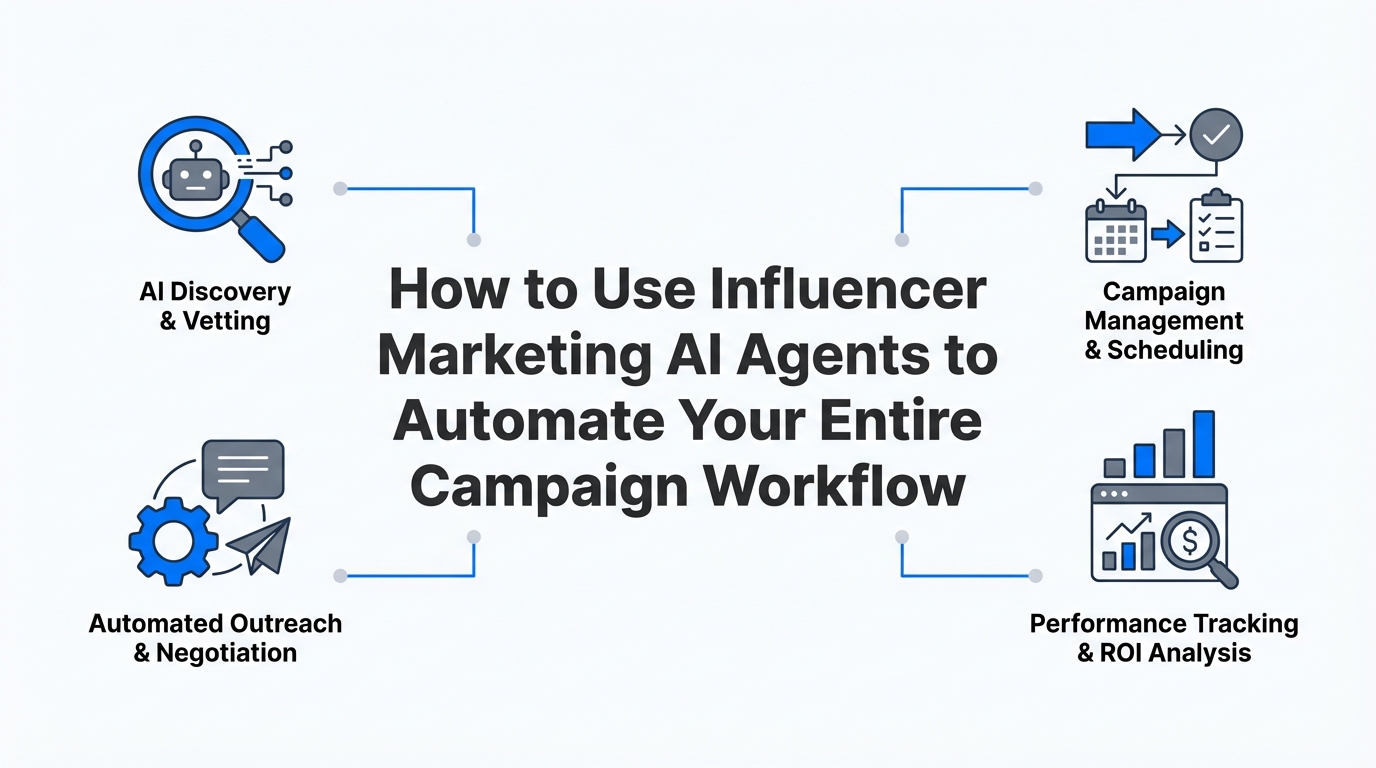
The era of manual influencer outreach—scouring spreadsheets, sending hundreds of copy-pasted emails, and haggling over rates for weeks—is officially over. We are witnessing a fundamental shift in the creator economy: the move from static SaaS databases to agentic execution. As the global influencer market is projected to reach $24 billion in 2024, brands can no longer afford to operate at human speed. The future belongs to those who deploy an influencer marketing ai agent to handle the heavy lifting, allowing human marketers to focus on strategy and storytelling.
The Shift: From Static Databases to Autonomous Reasoning
For the last decade, influencer marketing software has functioned as a search engine. You typed in a keyword, looked at a list of creators, and did the rest of the work yourself. Today, the industry is moving toward autonomous agents that reason. Unlike traditional tools, an ai agentic workflow doesn't just find a creator; it understands your brand goals, evaluates creator sentiment, and executes the outreach independently.
"We are in the 'Oprah era of agentic AI,' where every niche task—from community management to creative directing—will have a dedicated agent."
This transition is fueled by a staggering 33% CAGR, with the market expected to hit $32.55 billion by the end of 2025 [source: MarketsandMarkets]. Marketing teams are already feeling the pressure to adapt; nearly 60% of marketers are already using AI for daily operations like performance prediction and filtering. The goal is no longer just to find an influencer, but to automate the entire lifecycle of a partnership, from the first contact to the final payment.
Step 1: Semantic Discovery vs. Keyword Searching
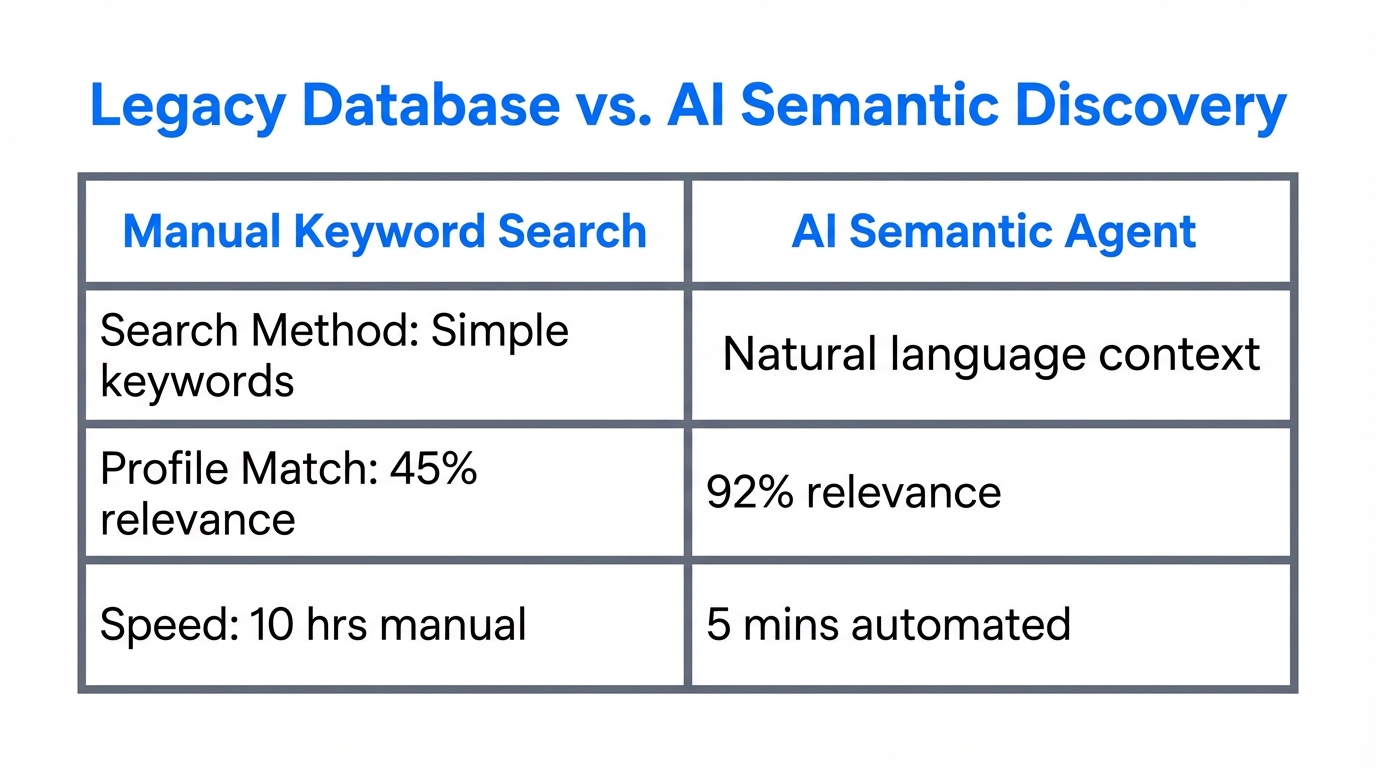
The first step in a modern influencer marketing automation strategy is evolving how you find talent. Traditional keyword searches are brittle. If you search for "fitness," you might get a bodybuilder when you actually wanted a yoga instructor for seniors. Agentic discovery uses semantic customer descriptions.
Instead of searching for a tag, you tell the agent: "Find 50 creators who talk about sustainable parenting, have a high sentiment score in the Midwest US, and produce content that appeals to eco-conscious Gen X mothers." Tools like heyseva.com and other modern CRM specialists are beginning to integrate this level of deep contextual understanding.
- Granular Targeting: AI agents can analyze the actual transcripts of videos to ensure the creator’s values align with yours.
- Sentiment Analysis: Automatically filter out creators with controversial comment sections or low-quality engagement.
- Audience Authenticity: Modern workflows include automated fraud detection to ensure you aren't paying for bots.
Step 2: Automating the 'Negotiation Loop'
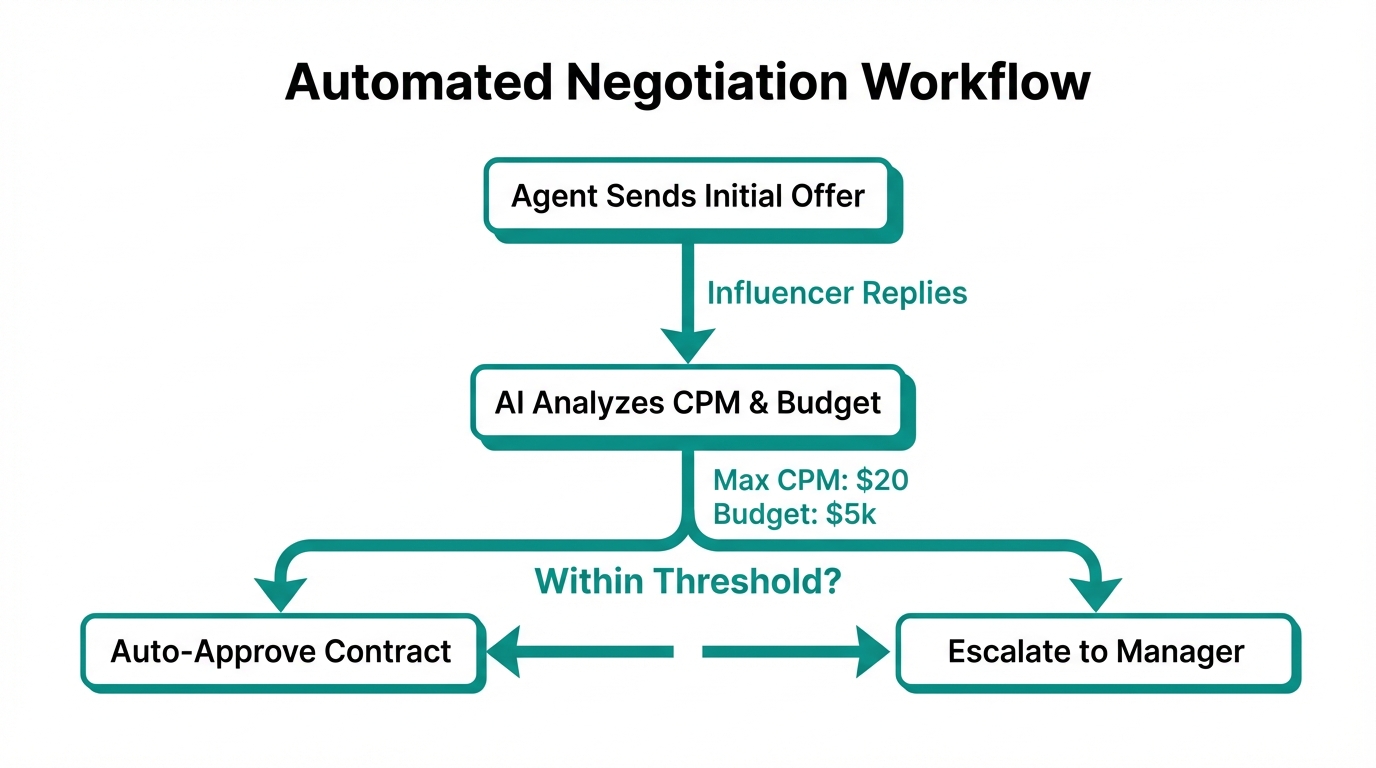
The most time-consuming part of influencer management is the back-and-forth regarding rates, usage rights, and deadlines. This is where the negotiation loop usually breaks down. By the time a human manager replies, the creator has often moved on to another brand. Influencer management software equipped with agentic capabilities can now handle these conversations in real-time.
To automate influencer outreach effectively, you should deploy an agent that follows a specific playbook:
- Initial Outreach: The agent sends a personalized pitch based on the creator's recent content.
- Rate Benchmarking: If a creator asks for $1,000, the agent compares this against historical data and audience quality in seconds.
- Counter-Offering: The agent can be programmed to counter-offer within a specific budget range, citing performance metrics as leverage.
- Contract Execution: Once terms are met, the agent triggers a contract template for digital signature.
Platforms like Janney AI are pioneers in this space, focusing specifically on reducing the friction of the outreach and negotiation phase. This approach has been documented to achieve up to 43% cost savings by benchmarking rates against market averages in real-time.
"AI agents act as a tireless, perfectly aligned digital C-suite for the creator economy, liberating human teams from the tyranny of scale and logistics."
Step 3: AI Optimization (AIO) and Performance Tracking
Influencer marketing is no longer just about direct sales; it’s about influencing the algorithms that influence the customers. This is known as AI Optimization (AIO). When niche creators mention your brand frequently, they create a "web of mentions" that AI search engines (like Perplexity or Gemini) use to recommend products. This is a critical component of a modern influencer marketing ai agent strategy.
Furthermore, the industry is shifting toward Performance-Based AI Agents. These agents focus on CPA (Cost Per Acquisition) models rather than vanity metrics. They automatically scout for micro-influencers who are willing to work on commission, optimizing for actual ROI. To manage this at scale, brands are turning to tools like Snaplama for content strategy and Stormy AI, which helps source and manage UGC creators who can fuel these high-performance campaigns.
| Feature | Traditional SaaS | Agentic AI Workflow |
|---|---|---|
| Discovery | Keyword-based database | Semantic & Goal-based |
| Outreach | Manual email templates | Autonomous personalized emails |
| Negotiation | Human back-and-forth | Automated rate benchmarking |
| Reporting | Static dashboards | Real-time AIO performance tracking |
Essential Tools for Your Automated Stack
Building an automated workflow requires a stack of specialized tools rather than a single "do-it-all" platform that often fails to deliver on depth. When selecting your stack, prioritize tools that offer deep integration and autonomous capabilities.
For mobile app developers and brands looking for high-velocity user-generated content, platforms like Stormy AI provide an agentic discovery engine that finds creators specifically optimized for UGC performance. This is far more effective than general-purpose databases that don't account for the unique requirements of app-store-driven marketing.
- Outreach & Negotiation: Look for agents that can connect to your email inbox and handle replies autonomously.
- Creative Automation: Use tools that can generate scripts and storyboards for your influencers to follow, reducing the production time by up to 70%.
- Compliance Monitoring: Deploy agents to scan live content for FTC disclosures and brand-safe language, protecting your brand reputation 24/7.
Maintaining the 'Human Soul' in an Automated World
While an influencer marketing ai agent can handle the logistics, it cannot replace the "voice, personality, and human soul" of a brand. Expert Brian Klais emphasizes that AI should act as a "super virtual assistant" rather than a replacement for human creativity. The most successful campaigns use AI to handle the scale and humans to handle the relationship.
Don't fall into the "Vanity Metric" trap. Even the most advanced AI scores can prioritize follower counts over storytelling depth. Always ensure your influencer management software allows for a "human-in-the-loop" phase where you can approve the final shortlist of creators based on the emotional resonance of their work.
"AI handles the logistics of 1,000 creators so that you have the time to build a real relationship with the top 10."
Conclusion: Your Automation Playbook
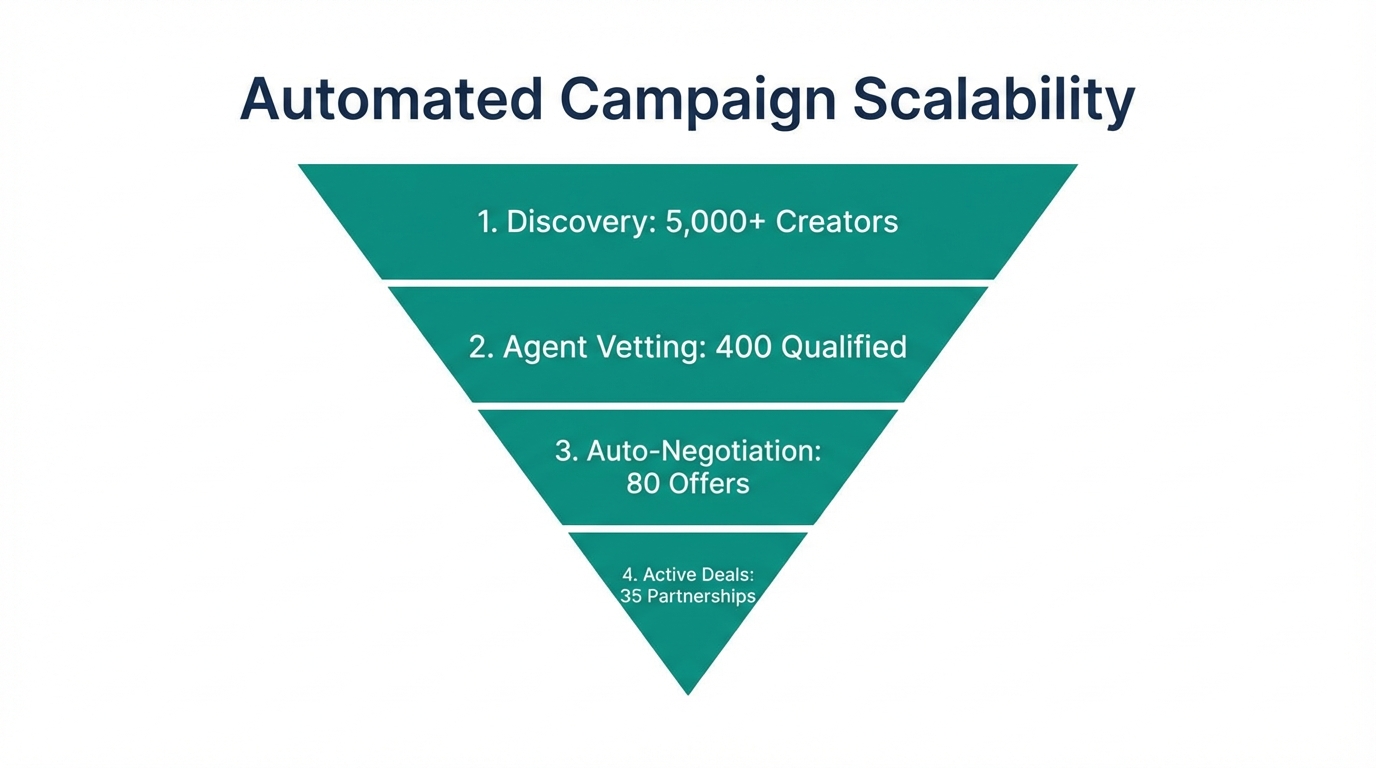
The path to scaling your influencer efforts is clear. Stop acting as a data entry clerk and start acting as a campaign architect. Start by transitioning from keyword searches to semantic descriptions. Implement an ai agentic workflow to handle your initial outreach and negotiation loops. Finally, use tools like Stormy AI to ensure you are sourcing creators who actually drive the bottom line through high-quality UGC.
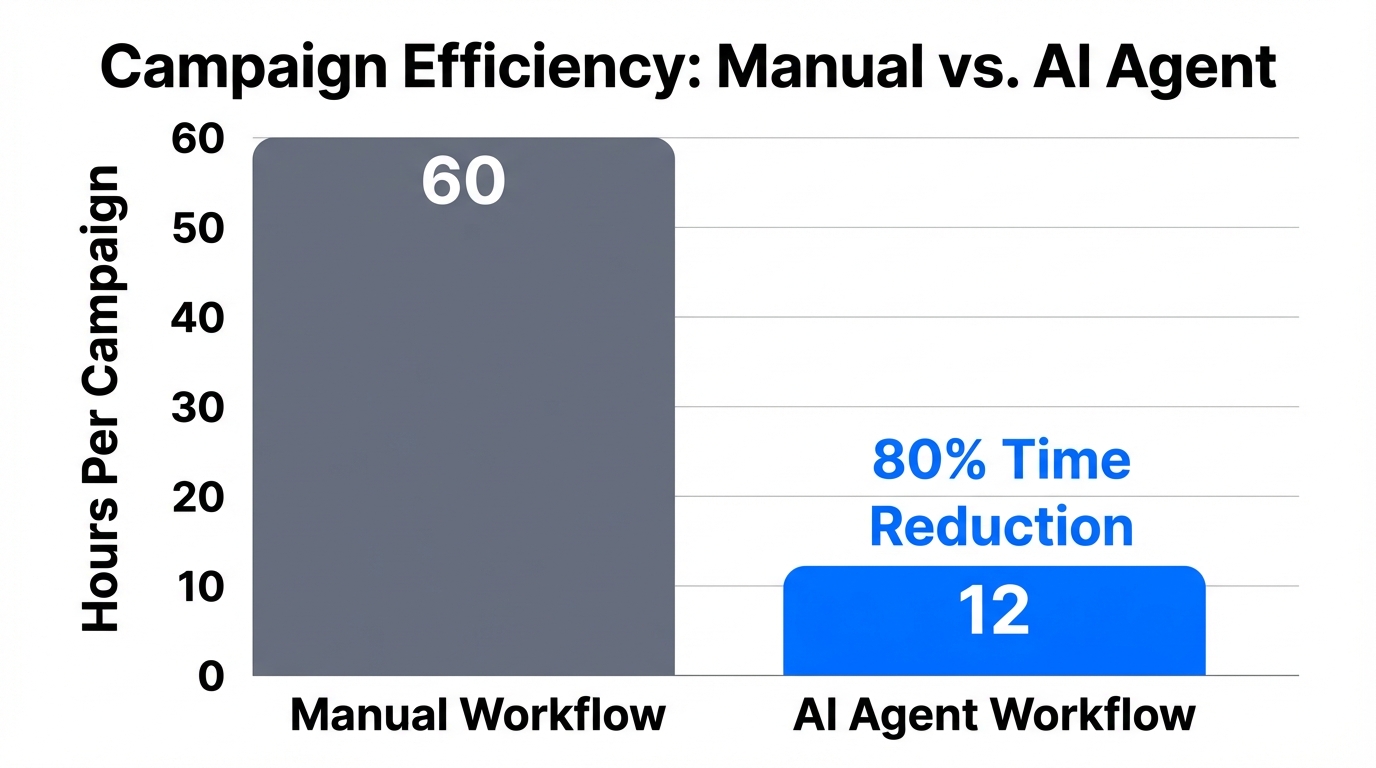
By automating the repetitive 70% of your workflow, you don't just save time—you gain the competitive edge needed to dominate the $32 billion creator economy of 2025. Start small, automate one loop at a time, and let the agents do the work while you sleep.