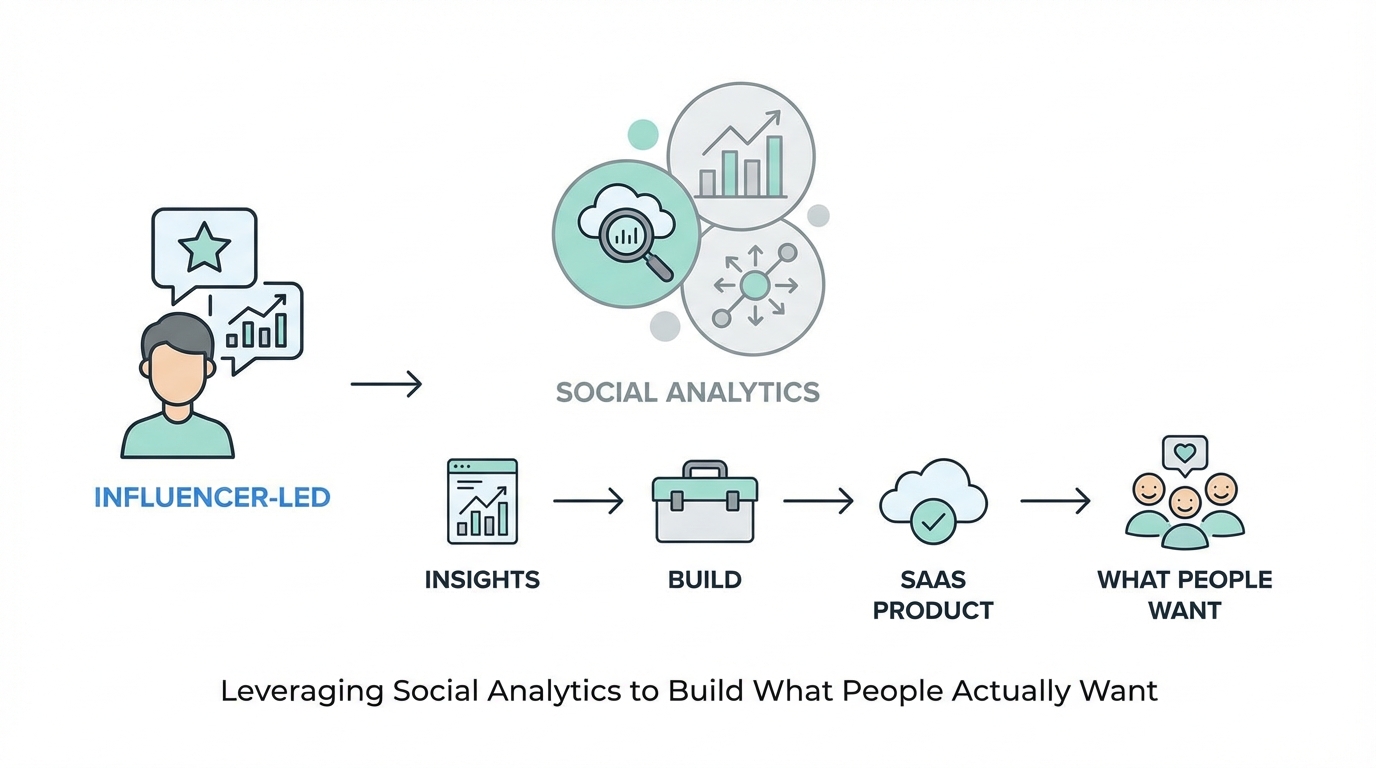
In the current tech landscape, the barrier to building software has effectively collapsed. What used to take a team of engineers months to prototype can now be accomplished by a single founder in a weekend. However, this ease of production has created a new, more dangerous bottleneck: the struggle for product-market fit (PMF). Most SaaS startups fail not because the code is broken, but because they build solutions for problems that don't exist. The secret to bypassing this failure rate lies in the influencer-led SaaS model. By leveraging social media analytics and the creator economy, founders can validate their features, build a pre-existing audience, and ensure their product is 'screenshot-worthy' before a single line of backend logic is written.
The 'Unfair Advantage' Audit: Defining Your SaaS Features
The traditional software development lifecycle often starts with a brainstorm in a vacuum. A better approach, as highlighted in a viral Reddit playbook by user Lord007TN, suggests starting at 'Step Zero.' This involves an Unfair Advantage Audit. Instead of asking what you can build, ask who you already know. Your unfair advantage is the intersection of your professional background and the social communities you inhabit. For instance, if you have spent a decade in the nursing industry, you understand the micro-frustrations of hospital administration better than any Silicon Valley generalist.
Before you open an IDE, you should identify a niche on platforms like LinkedIn or X. By establishing a consistent content system, you aren't just 'posting'—you are conducting live market research. Building an audience is the ultimate risk mitigation strategy. When you have a community of 500 or 1,000 highly engaged professionals, they become your unofficial advisory board. They will tell you which tools they hate, which workflows are broken, and which 'dated' legacy platforms are ripe for disruption.
The Market Intelligence Phase: AI as Your McKinsey Analyst

Once you have a niche, the next step is a deep dive into the competitive landscape. If you are looking to disrupt a giant—like Goodreads, which was acquired by Amazon for an estimated $150 million—you need to know exactly why their users are frustrated. You can use Google Gemini to perform a rapid competitive analysis. By asking AI to map out the landscape, you discover competitors you might have missed, such as The StoryGraph or BookWorm.
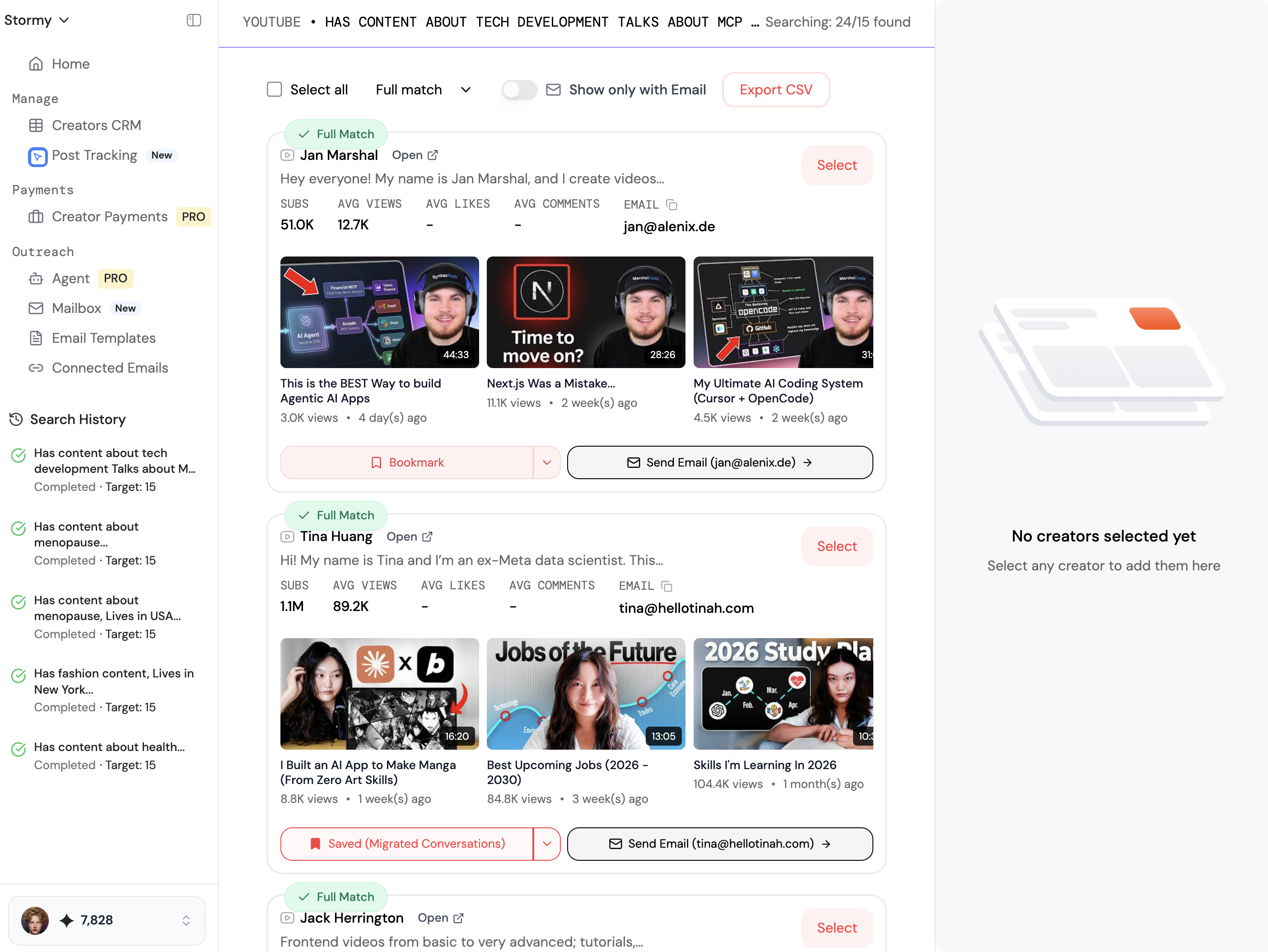
A critical part of this phase is identifying the 'dated interface' gap. Many legacy SaaS products suffer from 'feature bloat' and archaic UI. If users on Instagram or TikTok are complaining that a platform feels like it hasn't been updated since 2012, that is your entry point. Your goal isn't just to match their features, but to reimagine the user experience for a modern, social-first demographic. Tools like Stormy AI can help you discover these niches by analyzing creator sentiment across social platforms, allowing you to see exactly which software pain points are trending in real-time.
Tease and Build: The Social Media Strategy for PMF
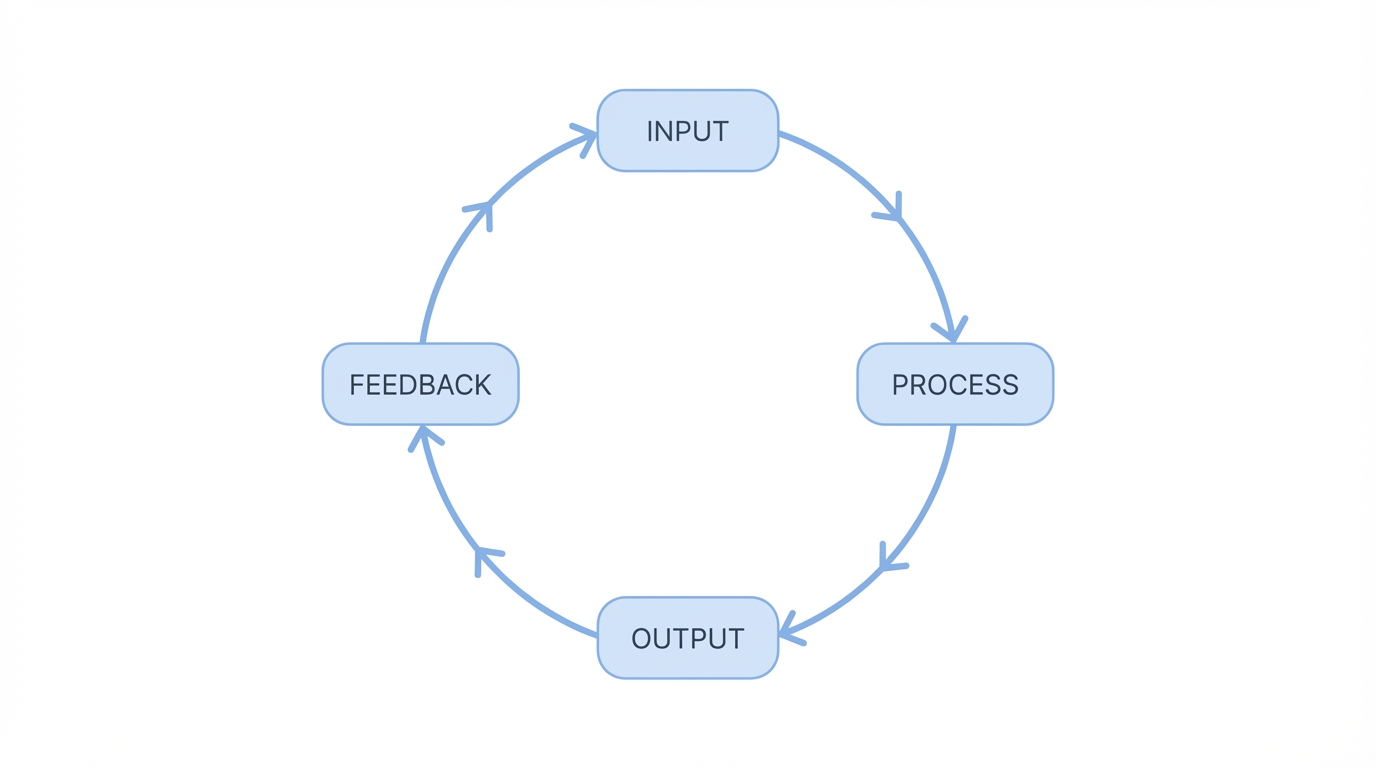
The 'build in public' strategy is more than just a marketing tactic; it is a feedback loop. Instead of launching a finished product, you should tease individual components of your vision. For example, if you are building a book discovery app, you might post a video of a potential UI feature—like a randomizer wheel for picking your next read—on TikTok. The engagement metrics on that post will tell you more about the feature's value than any internal survey ever could.
This is where social media analytics for startups become vital. By tracking which 'teases' get the most shares and saves, you can prioritize your development roadmap. If a specific UI interaction goes viral, that becomes your North Star feature. This approach ensures that when you finally launch, you already have a list of users who have 'opted-in' to the journey. You aren't launching to a cold audience; you are launching to a community that feels a sense of ownership over the product.
Designing Viral Loops: Designing for the 'K-Factor'
Growth hacking for SaaS has shifted from paid acquisition to organic virality. To achieve this, your software must be 'screenshot-worthy.' Think about the Strava effect: people share their running maps because the visual design is iconic and social. When designing your SaaS, look for inspiration in high-design consumer apps like Cue. Features like the 'Novel Spin' wheel—which allows users to gamify their discovery process—are inherently shareable.
The K-Factor is a mathematical representation of how many new users each existing user brings in. If your software includes community challenges, reading lists, or 'aesthetic' progress trackers, users will naturally want to share these on their Instagram Stories. By integrating social sharing into the core logic of the app, you turn your user base into a secondary marketing department. This is the essence of creator economy software: it doesn't just serve a utility; it serves a social identity.
The AI Interrogation: Grilling Your SaaS Idea
Before you commit a weekend to coding, you need to subject your idea to what we call the 'AI Interrogation.' You can use Claude to grill your concept with 20 tough questions. These should cover everything from demographic targeting (e.g., 'Is Gen Z really the right audience for a long-form reading app?') to monetization hurdles. If the idea survives this interrogation, you then ask the AI to generate a one-page PRD (Product Requirements Document).
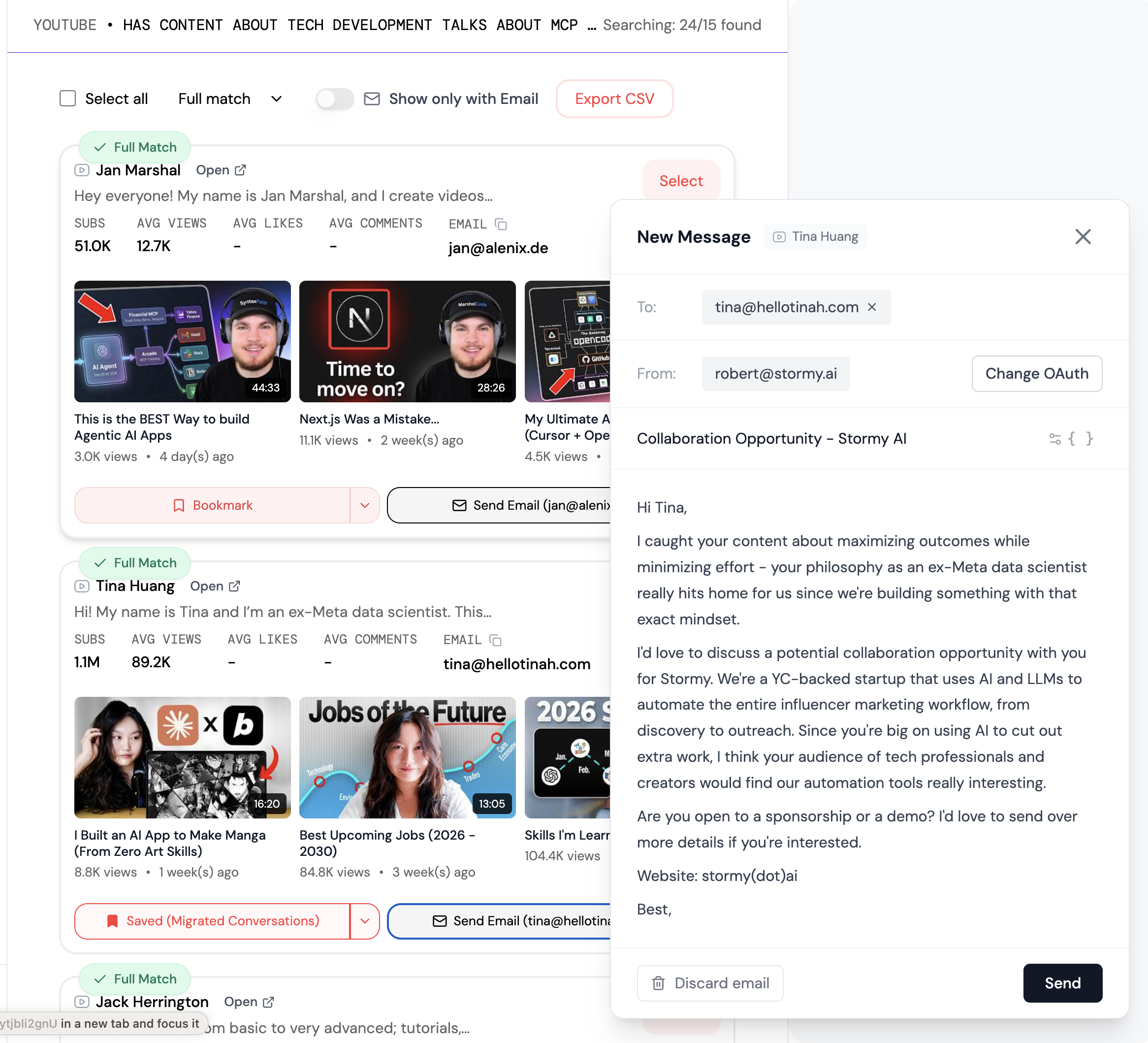
This PRD serves as the blueprint for your weekend build. It should outline the Minimum Viable Product (MVP) features, the target audience, and the unique value proposition. By using AI to refine the logic before you touch the UI, you ensure that the product is structurally sound. For founders looking to scale these types of influencer-led projects, platforms like Stormy AI can be used to identify and outreach to the very influencers who will eventually help promote the launched product, automating the bridge between development and distribution.
Rapid Prototyping: From PRD to UI with V0
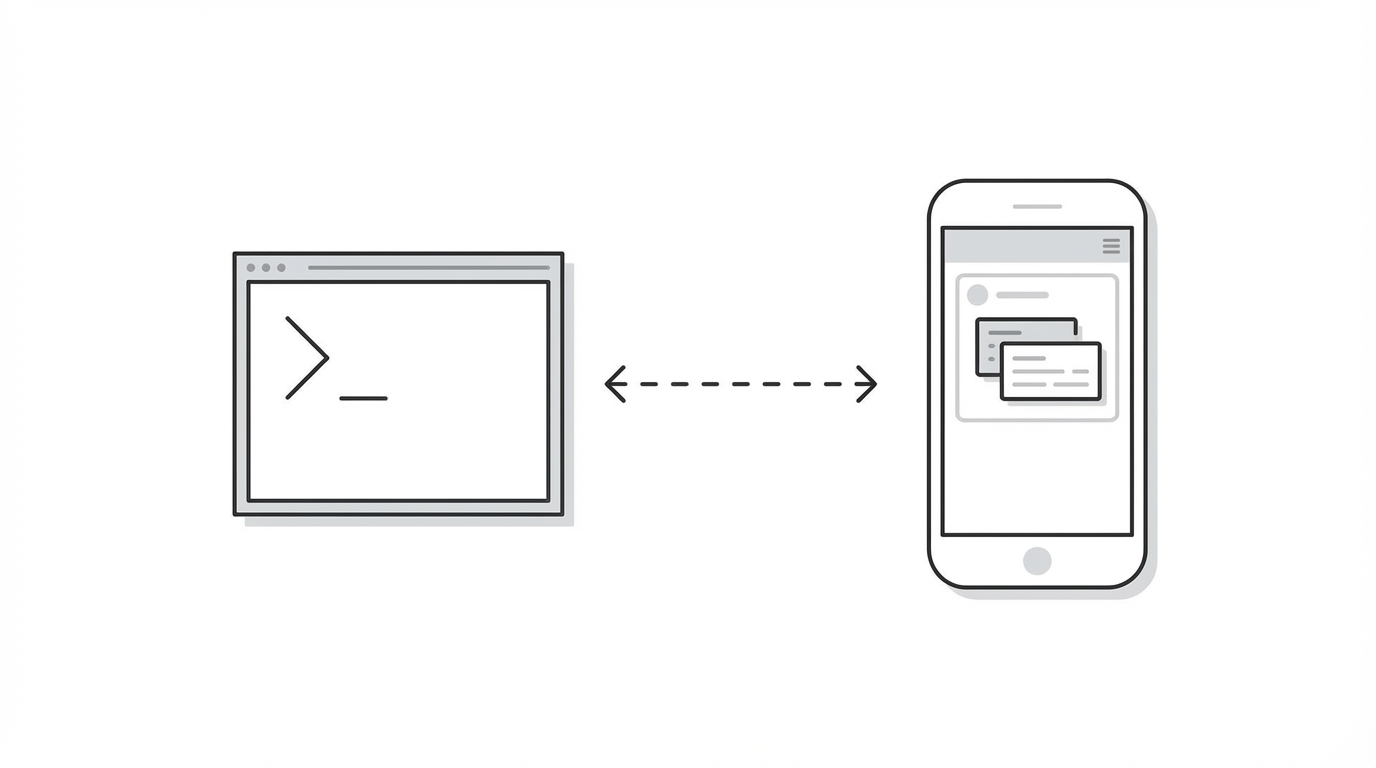
The transition from a text-based plan to a living UI is where tools like V0.dev come into play. Instead of designing every screen from scratch, you can feed your AI-generated UI chunks into V0 to generate high-fidelity components using Next.js and Tailwind CSS. This allows you to focus on the 'feel' of the app—the haptic feedback, the smooth animations, and the visual hierarchy—rather than the boilerplate code.
For a mobile-first experience, you might choose to build using React Native. While this requires a slightly different development environment than a standard web app, the principle remains the same: use AI to generate the UI piece-by-piece, tweaking the prompts until the 'vibe' matches your niche's expectations. Once the UI is settled, you can export the code into Cursor or use GitHub Copilot to wire up the backend logic and database.
The New Playbook for Social-First Software
Building a SaaS in a weekend is no longer a pipe dream—it is a repeatable process. By starting with a social-first approach, you ensure that you aren't just building a tool, but a brand that resonates with a specific community. The 'Unfair Advantage' Audit, combined with AI-driven competitive analysis and rapid UI prototyping, creates a streamlined path to market. The goal is to ship fast, validate via social analytics, and iterate based on real user feedback. If you can master the blend of creator economy insights and AI speed, you don't just build software; you build what people actually want. Now, stop overthinking, pick your niche, and go ship your idea.