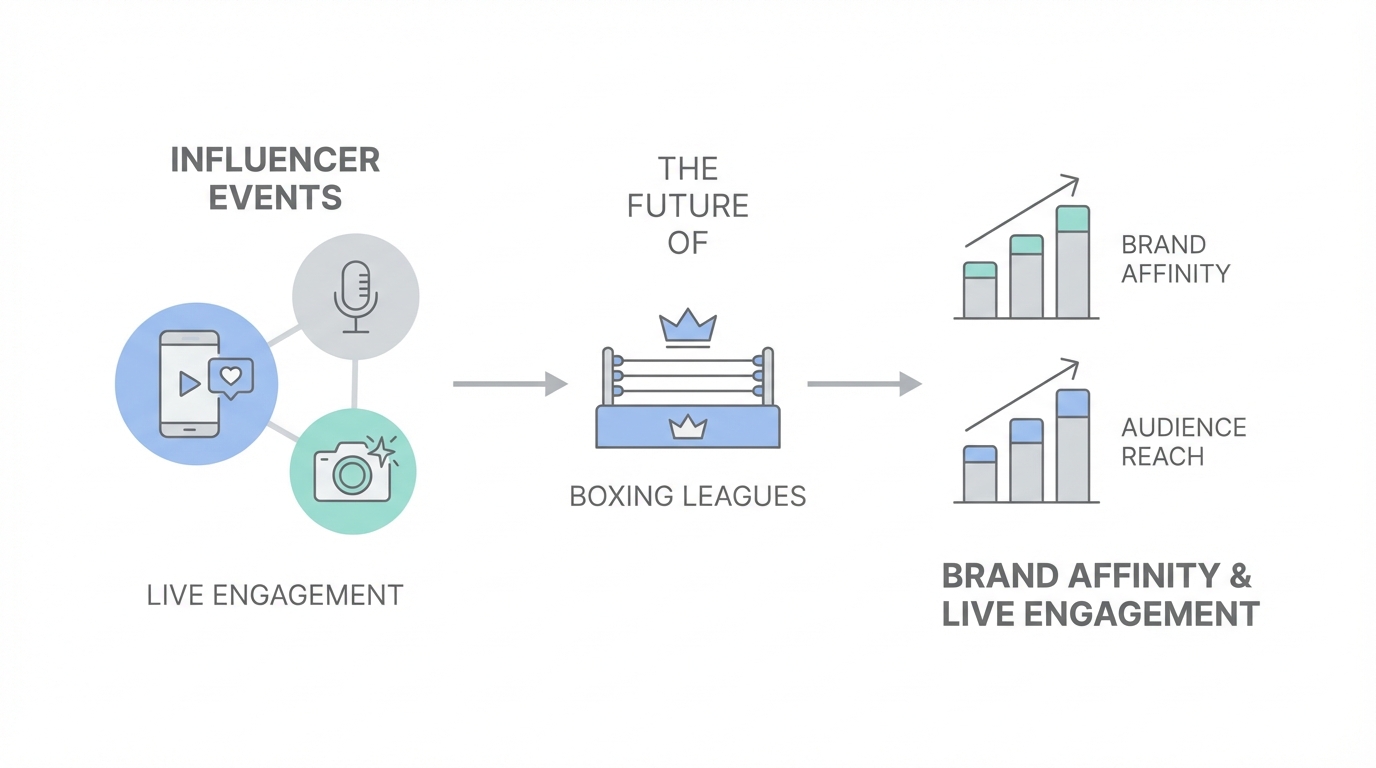
The traditional boundaries of the creator economy are dissolving. We are moving away from an era defined solely by static posts and 15-second clips toward a new frontier of high-stakes, physical engagement. Today, the most successful influencer marketing trends are no longer happening on a smartphone screen—they are taking place in sold-out arenas and university stadiums. From the rise of the Paul brothers in professional combat sports to regional influencer boxing leagues, creators are leveraging their digital footprints to build massive, real-world social media brand affinity. This shift represents a fundamental change in how influencers monetize their audience and how brands must think about participation in these culture-shifting moments.
The Psychology of 'Pro vs. Joe': Why Vulnerability Drives Engagement


At the heart of the explosion in influencer events is a psychological concept often referred to as 'Pro vs. Joe.' For years, the appeal of a creator was their relatability—the idea that they were just like us. However, as creators attained superstar status, a gap formed. Live sporting events, specifically those where influencers step into roles they aren't traditionally trained for, close that gap instantly. There is an insane energy generated when an audience watches a person they have followed for years step into a boxing ring or onto a basketball court. It is the ultimate test of authenticity. Unlike a polished, edited video on YouTube, a live event is raw, unpredictable, and potentially embarrassing.
As discussed in recent creator strategy circles, seeing someone famous doing something abnormal or outside their comfort zone makes them more accessible to the viewer. It creates a sense of shared humanity. For example, watching a personal finance creator like Graham Stephan—who has over three million subscribers—get punched in the face in a boxing match is a jarring, yet deeply engaging experience for his community. It isn't about the technical skill of the boxing; it is about the courage to perform under pressure. This vulnerability builds a level of social media brand affinity that traditional advertisements simply cannot replicate. When a creator risks their reputation in a physical arena, their followers feel a heightened sense of investment in the outcome, leading to record-breaking engagement metrics.
Storytelling in Sports: Building Reality-TV Style Narratives
For an influencer league or a recurring series of events to survive beyond a one-off novelty, it must master the art of the narrative arc. Professional sports have long understood that the game is only half the product; the story is the other half. Modern creator economy events are essentially reality TV disguised as sport. To sustain interest in a recurring league, organizers must create 'villains' and 'heroes' through digital content months before the first bell rings. This involves trash-talking on X (formerly Twitter), 'diss tracks,' and behind-the-scenes training vlogs that document the physical and emotional toll of preparation.
This storytelling framework ensures that the audience isn't just paying to see a match; they are paying to see the resolution of a conflict. In the tech world, drama often stays confined to text threads, but in the world of influencer events, that drama is the primary marketing lever. By creating weird, niche insights into a creator's life and their rivalries, leagues can build a 'why now' factor that compels fans to open their wallets. The storytelling must be authentic to the creator's existing brand while pushing them into a new, high-stakes environment. Without these storylines, even the most famous influencers risk their events becoming stale or feeling like uninspired cash-grabs.
Monetizing Attention: The Economics of the Digital Ticket

The monetization model for these events has evolved rapidly. While early creator events relied on brand sponsorships, the current trend is direct-to-consumer (DTC) revenue through Pay-Per-View (PPV) and digital tickets. The math is simple but powerful: if an influencer can sell 50,000 digital tickets at $30 to $40 each, the revenue adds up to millions of dollars for a few hours of content. This is a level of influencer monetization that bypasses the traditional ad-share models of major platforms. By using software like Stripe for payment processing and modern streaming stacks, creators can own the entirety of their event data and revenue.
Moreover, the physical footprint of these events shouldn't be overlooked. A recent event at a university in Tampa sold out its physical seats while simultaneously reaching a massive global audience through a gated live stream. This hybrid model allows for community cross-pollination. When you have 'TikTok famous' people fighting 'YouTube famous' people, you are essentially merging two massive, disparate fan bases into one transaction. This doesn't just drive revenue; it drives follower growth. Fans of the opposing creator are introduced to a new personality in a high-intensity setting, often leading to a permanent shift in audience demographics. For brands looking to capitalize on influencer marketing trends, these events offer a unique opportunity to reach hyper-engaged cohorts who are already in a 'buying' mindset, having already committed to a PPV purchase.
Managing the Creator Search: Finding the Right Personalities
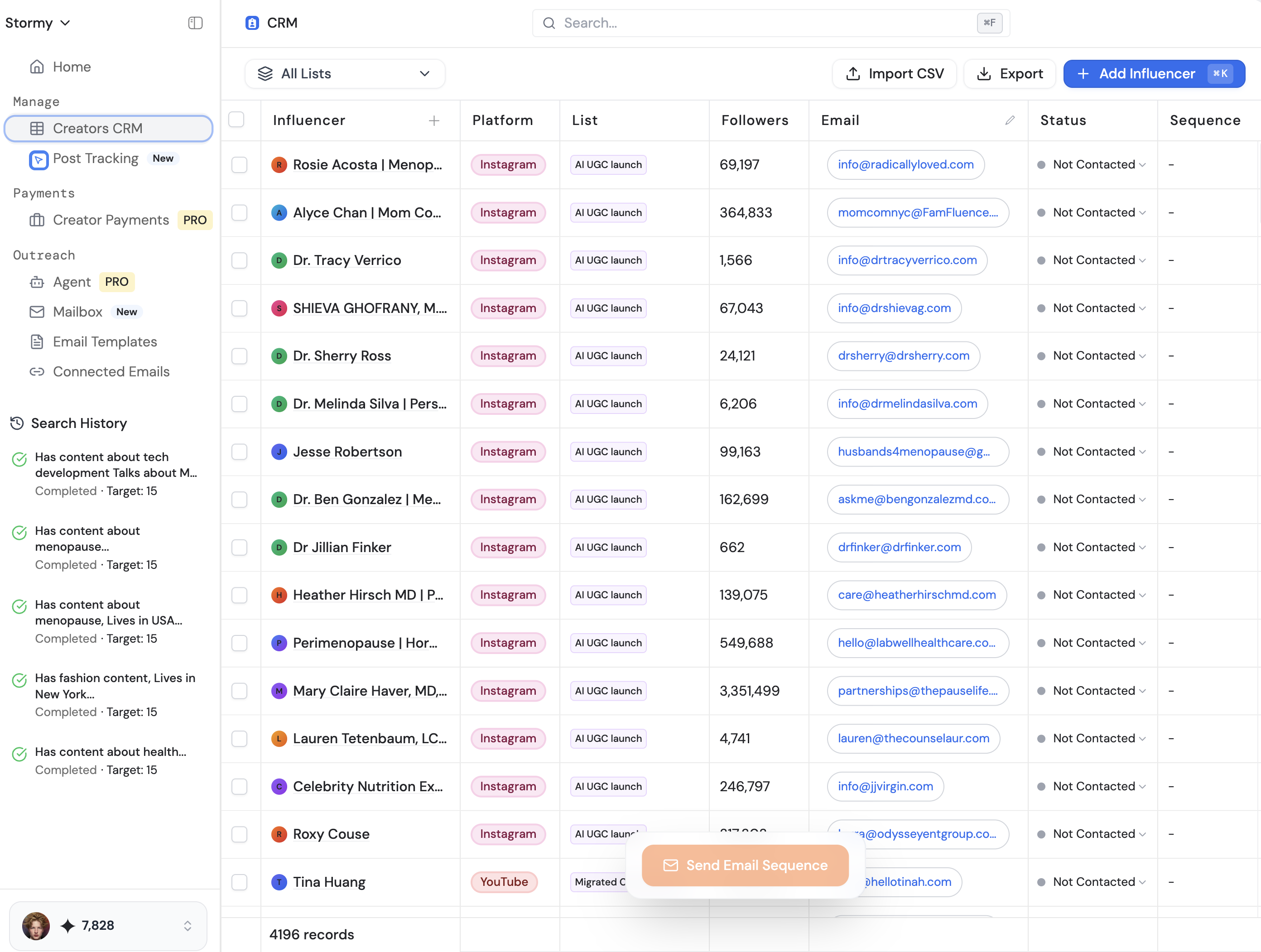
Execution of these large-scale events requires more than just fame; it requires a specific type of 'event-ready' creator. Not every influencer with a high follower count has the gravitas or the community trust to sell a digital ticket. This is where modern vetting tools become essential. To identify creators who have the right engagement patterns—specifically those who can move an audience from a free platform to a paid event—brands and agencies are turning to advanced analytics. While legacy tools like Julius offer basic search features, modern AI-powered platforms like Stormy AI allow users to search for creators across TikTok and Instagram using natural language prompts. For instance, an organizer could search for 'fitness creators with high sentiment in Los Angeles' to find the perfect match for a regional boxing league.
By using AI-powered discovery, organizers can look past vanity metrics and analyze the actual quality of a creator's community. Are the followers real, or is there a high percentage of engagement fraud? Stormy AI can help source and manage UGC creators at scale, ensuring that the people representing a league have the authentic connection required to drive ticket sales. Once the right creators are found, the platform’s Creator CRM helps manage the complex negotiations and outreach required to coordinate dozens of influencers for a single night of live entertainment.
Direct-to-Consumer Broadcasts: Bypassing Traditional Media
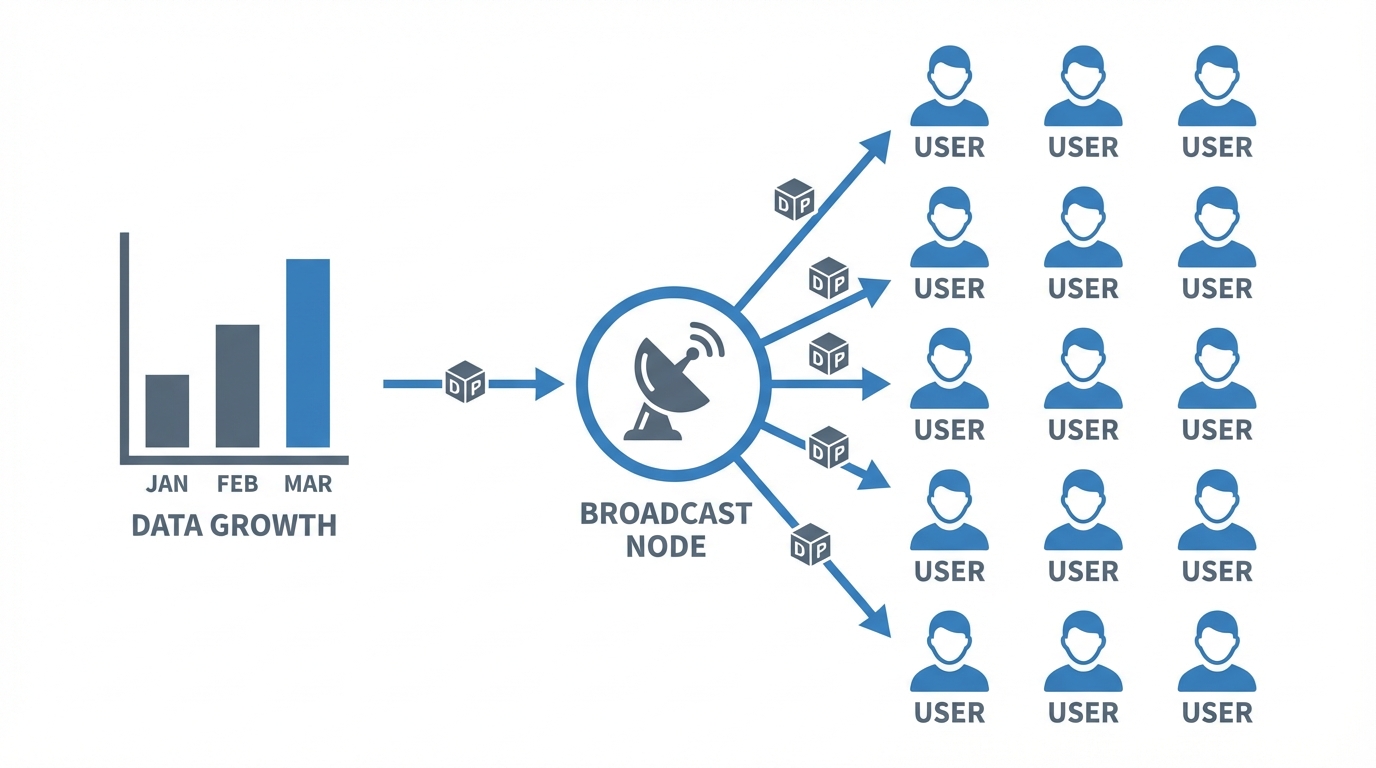
Perhaps the most significant shift in the creator economy is the ability for influencers to bypass traditional media conglomerates. Historically, a boxing match or a sporting event required a deal with a major network like ESPN or HBO. Today, the technology shift has enabled DTC broadcasts that are entirely owned by the creators themselves. Tools for event management, such as Luma, allow creators to manage RSVPs and build first-party data lists of their most loyal fans. This data is more valuable than any single sponsorship deal, as it allows the creator to re-market future events, merchandise, and digital products directly to their core audience.
This 'owner mentality' is becoming the standard for influencer events. By owning the broadcast stack, creators avoid the 'sterile' feel of traditional interviews and television productions. Instead, they can keep the content weird, authentic, and tailored to their specific community. This lack of corporate filtration is exactly what younger audiences crave. They don't want a polished broadcast; they want to feel like they are in the room where it happens, witnessing history in real-time. Whether it is a 100-person intimate coworking 'Weekend Cafe' concept or a 20,000-seat boxing match, the goal is the same: to create a shelling point for the community to gather and engage.
Conclusion: The Future of Brand Affinity
The rise of influencer boxing leagues and live sports is just the beginning. As creators continue to seek more sustainable forms of influencer monetization, we will see them branch into even more diverse physical arenas. The key takeaway for marketers is that social media brand affinity is built through shared experiences and high-stakes storytelling. Simply paying for a shout-out is no longer enough; brands must find ways to integrate into these community-driven events that offer real value and entertainment to the audience. By leveraging data-driven search tools and understanding the psychology of live engagement, brands can position themselves at the forefront of the next great wave in the creator economy. The future of marketing isn't just about being seen—it's about being part of the event.