Most indie hackers share a common dream: build a product, launch on Product Hunt, hit #1 Product of the Day, and watch the recurring revenue roll in. But for the vast majority of founders, the reality is a sharp spike in traffic followed by a deafening silence. Breaking through the noise to reach $10,000 Monthly Recurring Revenue (MRR) requires more than just one good launch day; it requires a systematic startup launch strategy that spans multiple platforms and sustains momentum long after the initial buzz fades.
Take the story of Thomas Sanlis, the founder of Uneed. Before reaching the $10K MRR milestone, Thomas failed with over 30 different projects. From bookmark managers to plant management apps, his GitHub profile was a graveyard of abandoned repositories. It wasn't until he identified a specific gap in the market—a need for a product hunt alternative that catered to indie hackers tired of the "big player" bias—that his trajectory changed. This guide breaks down his playbook for moving from failed experiments to a sustainable, high-revenue SaaS.
The Myth of the Overnight Success: Why 30 Failures Matter

In the world of startup culture, we often only see the finished product. We see the dashboard screenshots showing $10K MRR, but we rarely see the years of failed attempts that preceded them. Thomas’s journey is a masterclass in persistence. He built tools like Gum Affiliates and a website builder named Griddly, most of which resulted in zero revenue or minimal traction. According to Thomas, the primary reason most projects fail isn't a lack of technical skill, but a loss of momentum.
Many developers treat a launch like a sprint, but it is actually a marathon. When you build in public, every social media post is a brick in the wall of your brand. If you stop talking about your product for a month, you aren't just pausing; you are resetting your progress to zero. The goal is to reach a point where people recognize your name and your product in their feed automatically. Success isn't about being an overnight sensation; it’s about making sure your startup launch strategy includes a plan for the months after the first week.
Timing the Market: The "Why Now" Factor

One of the most critical insights from the success of Uneed is the importance of timing. Thomas notes that if he had launched his product hunt alternative a year earlier, it likely would have failed. He capitalized on a specific moment of "drama" within the tech community, where indie hackers felt marginalized by larger platforms that favored venture-backed companies. By positioning Uneed as the platform for the "underdog," he aligned his launch with an existing industry trend and a clear competitor weakness.
To replicate this, you must ask: Why is now the right time for my app? Is there a new API available? Is a major competitor raising their prices? Or is there a shift in how users want to consume content? For those looking to increase SaaS revenue, finding these windows of opportunity is more effective than any paid ad campaign. To identify these trends and the people leading the conversation, many founders are turning to Stormy's AI search. Instead of manually scouring social media, you can use natural-language prompts to find creators and influencers across TikTok, Instagram, and LinkedIn who are currently discussing the exact problems your SaaS solves, allowing you to time your outreach perfectly.
Beyond Product Hunt: A Multi-Platform SaaS Launch Checklist

If your entire plan for how to get users for my app relies on a single platform, you are leaving your success to chance. A robust SaaS launch checklist should involve a diversified approach to capture different audience segments. Thomas transitioned Uneed from a simple directory into a launch platform, but he didn't do it in a vacuum. He leveraged several distribution channels to ensure the pivot wasn't a total failure.
Phase 1: The Foundation
- Directory Submissions: Don't just stick to the big names. List your tool on niche-specific directories and platforms like Uneed to reach early adopters.
- Social Proof: Use tools like Typefully to schedule consistent updates on X/Twitter and LinkedIn.
- Community Engagement: Be active in Slack groups and Discord servers where your target audience hangs out.
Phase 2: Influencer Outreach
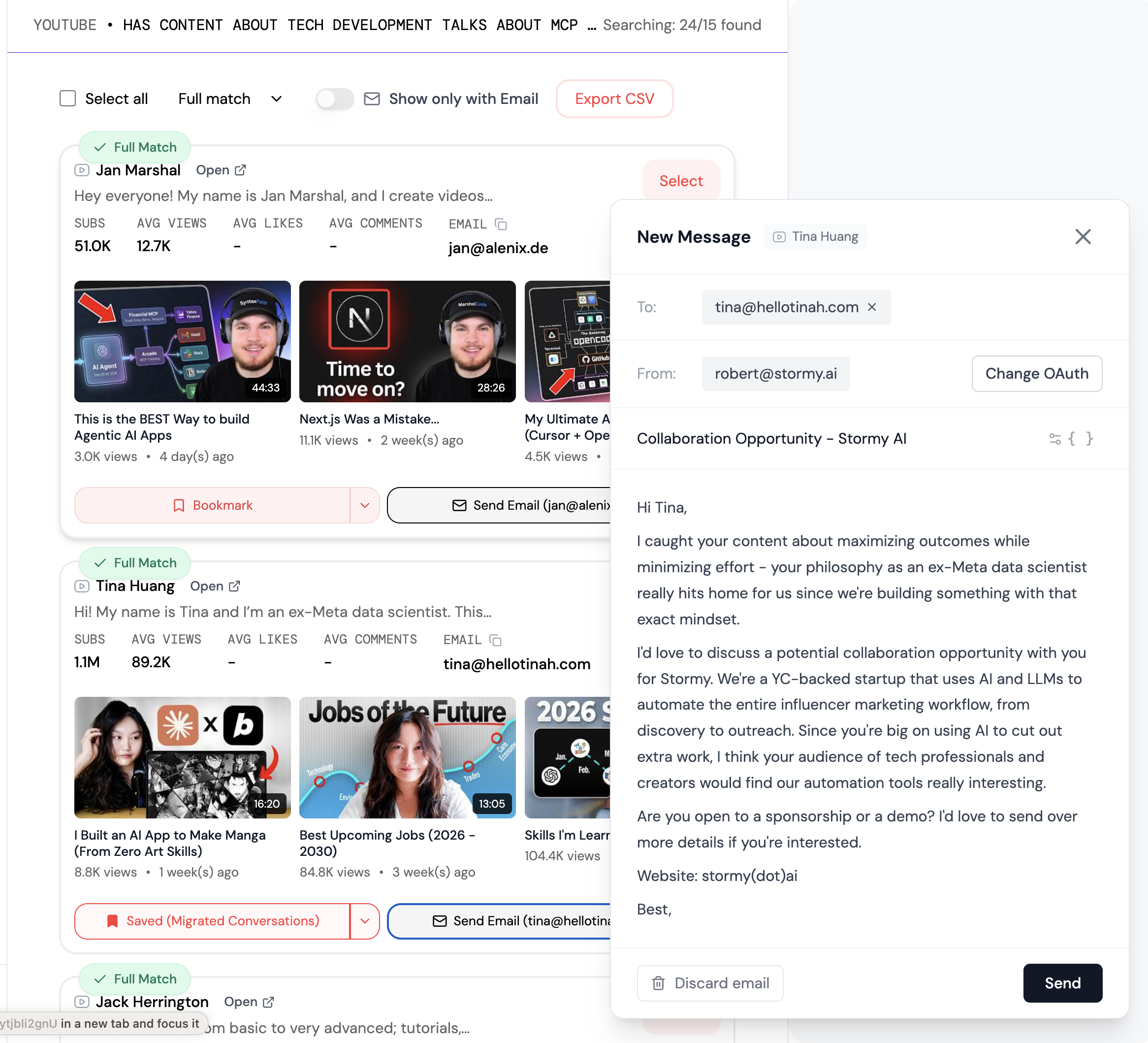
Once your foundation is set, you need to amplify your message. Partnering with creators who already have the attention of your target market is the fastest way to get users for your app. However, manual outreach is notoriously slow. This is where Stormy AI becomes a game-changer. The platform allows you to connect multiple Gmail accounts and set up an autonomous AI agent that discovers, outreaches to, and follows up with creators every day. It generates hyper-personalized emails based on the creator's actual content, which significantly increases response rates compared to generic templates found in legacy outreach tools.
Headline Optimization: The 3-Second Conversion Rule
You can have the best startup launch strategy in the world, but if your landing page is confusing, your traffic will bounce. Thomas observed hundreds of landing pages that were beautiful but functionally useless. His rule is simple: if a visitor doesn't understand exactly what your product offers within 3 seconds of reading your headline, you've lost them. High-fidelity animations and complex design language often distract from the value proposition.
To increase SaaS revenue, your headline must address a pain point or a clear benefit immediately. Avoid being "clever" and focus on being clear. For example, instead of "Revolutionizing the way you think about tasks," try "The task manager for developers who hate Jira." Clarity scales better than mystery. If you are struggling with design, Thomas recommends looking at real-world examples via Mobbin to see how successful products structure their onboarding and value propositions.
Converting Launch Traffic into Recurring Revenue
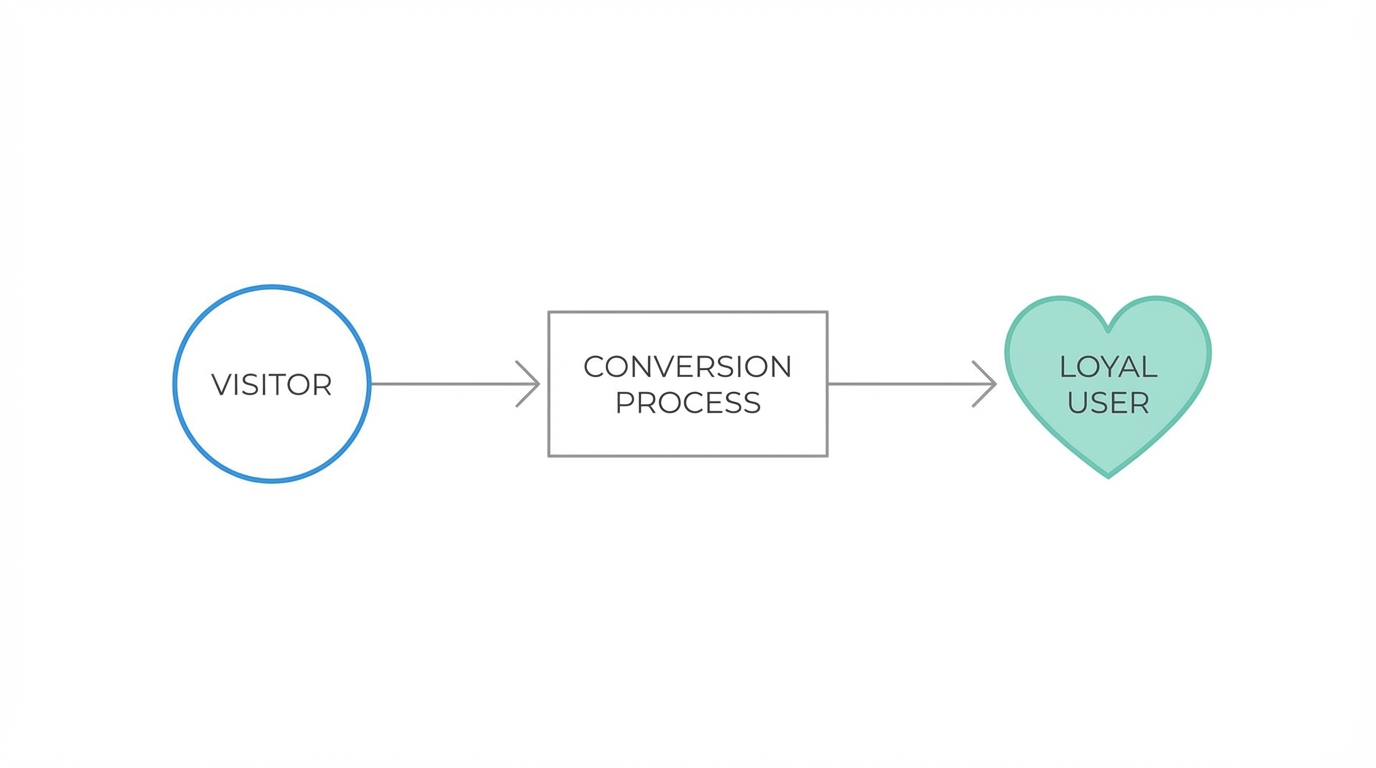
Traffic is a vanity metric; revenue is a sanity metric. Thomas currently sees 30,000 unique visitors per month, but more importantly, he has successfully converted 2,000 of them into paying customers. Moving a user from a "unique visitor" to a "paid customer" requires removing friction at the point of sale. Thomas uses Polar as a merchant of record to handle sales, which simplifies the global tax and payment complexities often associated with launching a SaaS.
On Uneed, users can pay to "skip the line" or advertise their products. This provides an immediate ROI for the customer and predictable revenue for the founder. When you are planning your monetization, think about what "speed" or "convenience" features you can offer. If you are working with influencers to drive this traffic, ensure you are using Stormy's influencer analysis to vet their audience quality and detect fake followers. There is no point in paying for a shoutout if the traffic consists of bots or low-intent users who will never convert to paid subscribers.
Sustaining Momentum: From Launch Spikes to Consistent Growth

The final stage of the indie hacker playbook is sustainability. Thomas emphasizes that he isn't the type of founder who works 10 hours a day. He prioritizes cycling, seeing friends, and maintaining a personal life to avoid burnout. To achieve $10K MRR while maintaining balance, you need systems that work while you sleep. This includes a technical stack built for stability, such as Next.js and Supabase, and marketing automation that keeps the engine running.
Post-launch, your focus should shift to post-tracking and analytics. You need to know which posts, which influencers, and which directories are actually driving growth. Using Stormy's post tracking allows you to monitor mentions and campaign performance across TikTok, YouTube, and Instagram in real-time. By seeing which videos or posts are generating the most engagement, you can double down on the strategies that are working and cut the ones that aren't.
The Marathon Mindset for $10K MRR
Reaching $10K MRR isn't about finding a magic "hack"; it's about the accumulation of small wins. Thomas Sanlis’s journey from 30 failed repositories to a successful product hunt alternative proves that persistence, market timing, and clear communication are the pillars of indie hacker success. Don't be afraid of the failed projects—treat them as data points that bring you closer to the one idea that sticks.
If you are ready to take your SaaS launch to the next level and move beyond the manual grind of finding and contacting users, it's time to leverage AI. Whether you're building a SaaS launch checklist or looking to increase SaaS revenue through creator partnerships, Stormy AI provides the tools to discover, vet, and outreach to the right audience automatically. Start your journey today and turn your next launch into a long-term revenue engine.