In a world saturated with digital noise and endless product options, most companies fall into the trap of competing on technical specifications alone. They focus on the width of a heel, the speed of a processor, or the efficiency of a service. However, the most iconic brands in history—the ones that live in our heads rent-free—rarely talk about the product at all. They sell something far more potent: an identity. This shift from selling a utility to selling a concept is the difference between a commodity and a culture. To understand how to achieve this, we must look at the blueprint laid down by the soul of Nike, an athlete who didn't just run races, but became a symbol of a 'punk rock' attitude that defined an entire industry.
The Soul of Nike: The Steve Prefontaine Case Study
Before Nike was a multi-billion dollar behemoth, it was a scrappy startup called Blue Ribbon Sports, founded by Nike co-founder Phil Knight and his coach, Bill Bowerman. While Bowerman was the scientific tinkerer who literally poured liquid rubber into his wife’s waffle iron to innovate shoe soles, the brand lacked a spiritual core. That changed with Steve Prefontaine, a runner from Coos Bay, Oregon, who became the company’s first sponsored athlete. Prefontaine wasn't just fast; he was a renegade.
Prefontaine famously rejected the methodical, scientific approach to racing. While coaches like Bowerman preached efficiency and running just fast enough to win, "Pre" believed that "to give anything less than your best is to sacrifice the gift." He ran every race from the front, leading from start to finish with a fierce, independent gaze that captivated the public. Even though he tragically died at age 24, his 'front-running' philosophy became the DNA of the Nike brand. Phil Knight later admitted that while Michael Jordan made Nike famous, Steve Prefontaine was the soul of the company. They didn't just sell shoes; they sold the fierce independence and competitiveness that Prefontaine embodied.
From Product Features to Customer Feelings
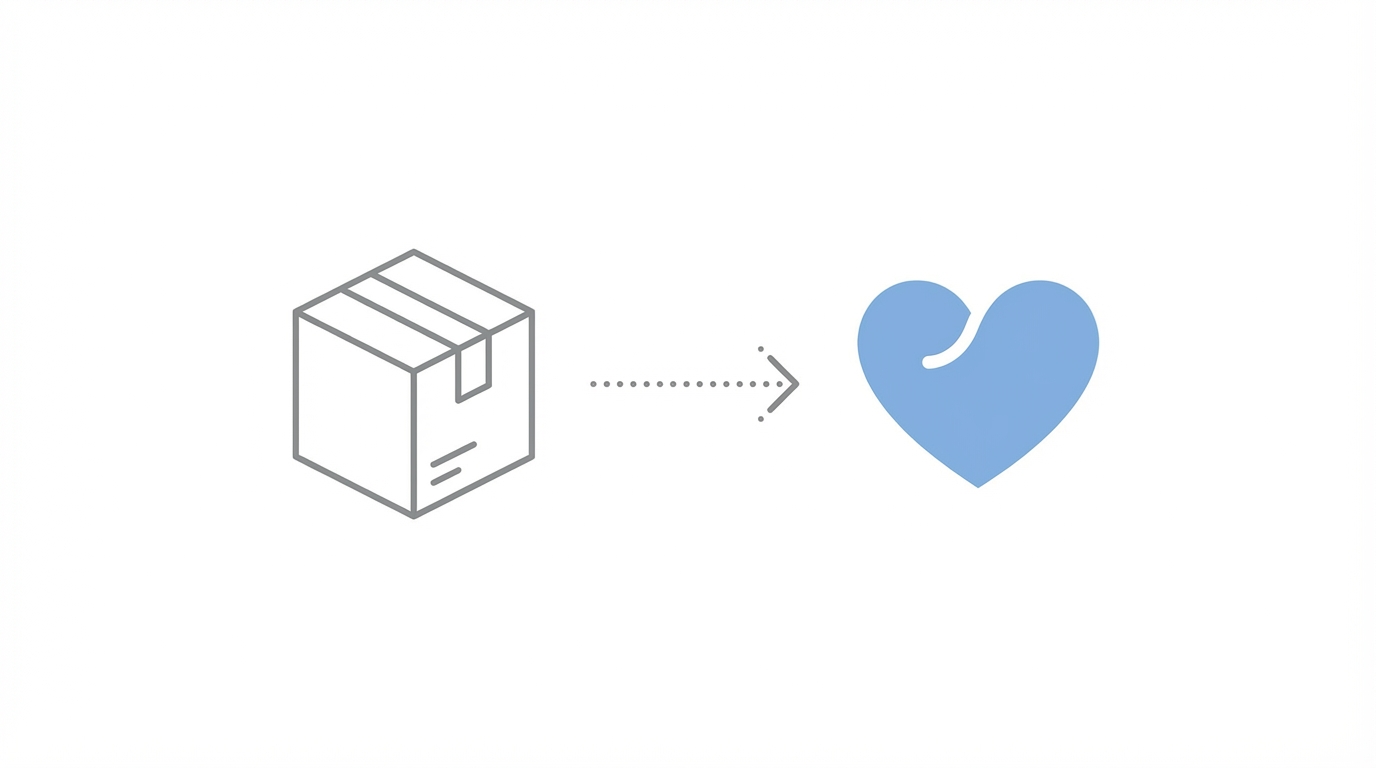
Successful emotional branding requires a fundamental shift in perspective. Most marketers spend their budget on Meta Ads Manager trying to explain what their product does. But as the Nike model proves, your customers don't care about the ounces on the toe; they care about how the product makes them feel. When you use a specific brand, you are signaling to yourself and the world who you are. This is why identity-based marketing is the ultimate prize.
Take the example of the jogging revolution. In the 1960s, Bill Bowerman literally pioneered the word "jogging" in America. At the time, if you saw someone running in the street, you'd think they were an alien or a criminal. By writing a book called Jogging and making it a health movement, Bowerman changed the identity of the average suburbanite. They weren't just people running; they were "joggers"—people who cared about their longevity and fitness. In modern marketing, platforms like Stormy AI, an AI-powered search engine for TikTok, YouTube, and Instagram, help brands find the right creators to mirror these identities, ensuring the message feels organic rather than manufactured.
The 'Hunk' Branding Model: Visuals and Independence

Visual aesthetics play a critical role in building a brand that transcends its niche. In the 1970s, high school kids who loved running didn't just have shoes; they had Steve Prefontaine posters. The "Hunk" branding model relies on creating a visual identity that feels like a rebellious, punk-rock statement. Prefontaine’s gaze, his mustache, and his defiant attitude were productized. One of the most famous examples of this was the "Stop Pre" t-shirts.
Originally, fans made "Go Pre" shirts. In a stroke of branding genius, the Nike camp leaned into the competitive tension by creating "Stop Pre" shirts featuring a stop sign. It was a joke, but it signaled a level of dominance and confidence that people wanted to be associated with. This type of customer identity marketing creates a community that is fiercely loyal because they aren't just buying a t-shirt—they are joining a tribe of high-performers. When brands use tools like Apple Search Ads to drive app installs, they often miss this layer of visual storytelling that builds long-term retention.
Influencer Marketing 2.0: Partnering with 'Concepts'
The next evolution of influencer marketing trends is moving away from simply buying reach and moving toward partnering with "concepts." This is what Steven Bartlett meant when he famously said, "I'm not a man; I'm a concept." When you partner with a creator who represents a concept, you are borrowing their entire worldview and attaching it to your product.
A prime example of this is Nick Bare. Bare is a "hybrid athlete"—someone who is both a heavily muscled bodybuilder and an elite endurance runner. His company, BPN, rarely focuses on the chemical composition of their protein powder. Instead, they promote the "Go One More" lifestyle. By using Stormy AI to analyze audience quality and detect engagement fraud, brands can find partners who do more than just post a link; they provide a cultural endorsement that resonates at an identity level.
The Seth Godin Test for Brand Strength

How do you know if you've actually built a brand or just a successful sales funnel on Google Ads? Use the Seth Godin Test. Godin poses a simple question: If Nike made a hotel, could you imagine what it would look like? Most people can immediately picture it—sleek, focused on recovery, high-performance, and perhaps a bit minimalist. Now, if Hilton made a shoe, could you imagine it? Likely not.
The strength of your brand identity strategy is measured by whether your brand can exist in an adjacent space. If your product is just a set of features, it dies the moment it leaves its category. But if your brand is a cultural concept, it can expand infinitely. Airbnb is another company that passed this test. They could have just been a cheaper alternative to hotels (the "air mattress" model), but they pivoted to the concept of "belonging anywhere" and living like a local. They made the standardized, safe hotel experience feel generic and boring compared to the "authentic" experience of an Airbnb stay.
The Identity Marketing Playbook: A Step-by-Step Guide

Turning your product into a cultural concept requires moving away from the "mercenary" mindset (chasing immediate ROI) and embracing the "missionary" mindset (building a cause). Here is how to execute this brand storytelling strategy:
Step 1: Identify Your Radical Irritation
As the saying goes, "irritation leads to innovation." Find a problem in your industry that genuinely bothers you. Don't just make it better; make the version of the product that doesn't suck. This gap between the industry standard and your vision is where your brand soul lives.
Step 2: Define the 'Concept' You Embody
Are you the front-runner (Prefontaine)? The world-changer (Steve Jobs' Think Different)? The hybrid athlete (Nick Bare)? Your brand needs a personality that can be summarized in one word. If your brand was a person, what would their "gaze" look like? Use Stormy AI to manage your creator relationships in a centralized CRM, ensuring every negotiation and deal stage is tracked alongside your influencers who already live this identity.
Step 3: Apply the 'Yes Test'
The best projects are those you would be willing to lose money on just because they are cool. This is a forcing function for excellence. If you are willing to eat the cost to create a "core memory" for your customers—like Nike sending out custom magazines or hosting elite fantasy camps—you are building brand equity that cannot be bought with a standard ad budget.
Step 4: Design for Proportion and Style
Jerry Seinfeld famously said that in art, it's all about proportion [source: NYT Interview]. Too much of any one thing becomes a bad thing. In your branding, find the right balance between scientific data-driven marketing and emotional storytelling. Don't compromise on the "vibe" of your brand to chase a 1% higher click-through rate if it makes your brand look like a commodity.
Conclusion: Moving Beyond the Physical Form
The ultimate goal of brand identity strategy is to move beyond your physical form. Steve Prefontaine is no longer just a runner who died in the 70s; he is the concept of all-out effort and guts. Nike is no longer just a shoe company; it is a celebration of human greatness. When you build your brand around how the customer feels and who they want to become, you stop competing on price and start competing on meaning.
Whether you are a mobile app developer using Stormy AI to deploy an autonomous AI agent that manages outreach and follow-ups on a schedule or a startup founder trying to find your voice, remember: the product is just you productized. Turn the volume knob up on your own DNA, stop being a mercenary for five minutes, and start building something you’d be proud to put on a poster. Excellence isn't just about the result; it's about the style with which you chase it.