Most entrepreneurs believe that the path to the next revenue milestone is paved with new ideas. They think they need a new product, a new social media platform, or a revolutionary marketing campaign to bridge the gap between $1 million and $10 million in revenue. However, after 15 years in the game, many seasoned founders realize the truth: the problem isn't a lack of ideas—it’s often the entrepreneur themselves. As Ryan Deiss famously noted, "The more valuable you are at your company, the less valuable your company is." To build a business that is truly scalable, exit-ready, and capable of operating without your constant intervention, you must move away from the "player" role and into the "owner's box." This transition requires a shift from idea generation to rigorous business constraint identification.
The Chocolate Cake Trap: Why You Need Fewer Ideas
Entrepreneurs are naturally adept at spotting problems and generating solutions. We see opportunities everywhere, but this gift is also a curse. Ryan Deiss refers to this as the "Chocolate Cake Trap." Ideas are like chocolate cake: they are delicious, but you can only consume so much before they make you sick. In a business context, every new idea represents a commitment of time, energy, and resources. If you keep adding ideas without finishing the previous ones, you create a cluttered organization where nothing actually moves the needle. To achieve operational excellence, you must learn to stack-rank your priorities and focus only on the "right next thing."
The goal is to stop being the "most valuable player" who has their fingerprints on every single decision. When your team is asking you for permission 200 times a day, your business owns you rather than you owning the business. This dependency makes it impossible to sell the company or even take a 30-day vacation. True value is created when the team executes and optimizes without the founder. This is especially true in the world of mobile growth; for instance, finding high-quality Stormy AI UGC creators for app ads should be a systemized process, not a task that lands on the CEO's desk every Tuesday morning.
Diagnosing the Leak: Supply vs. Demand Constraints
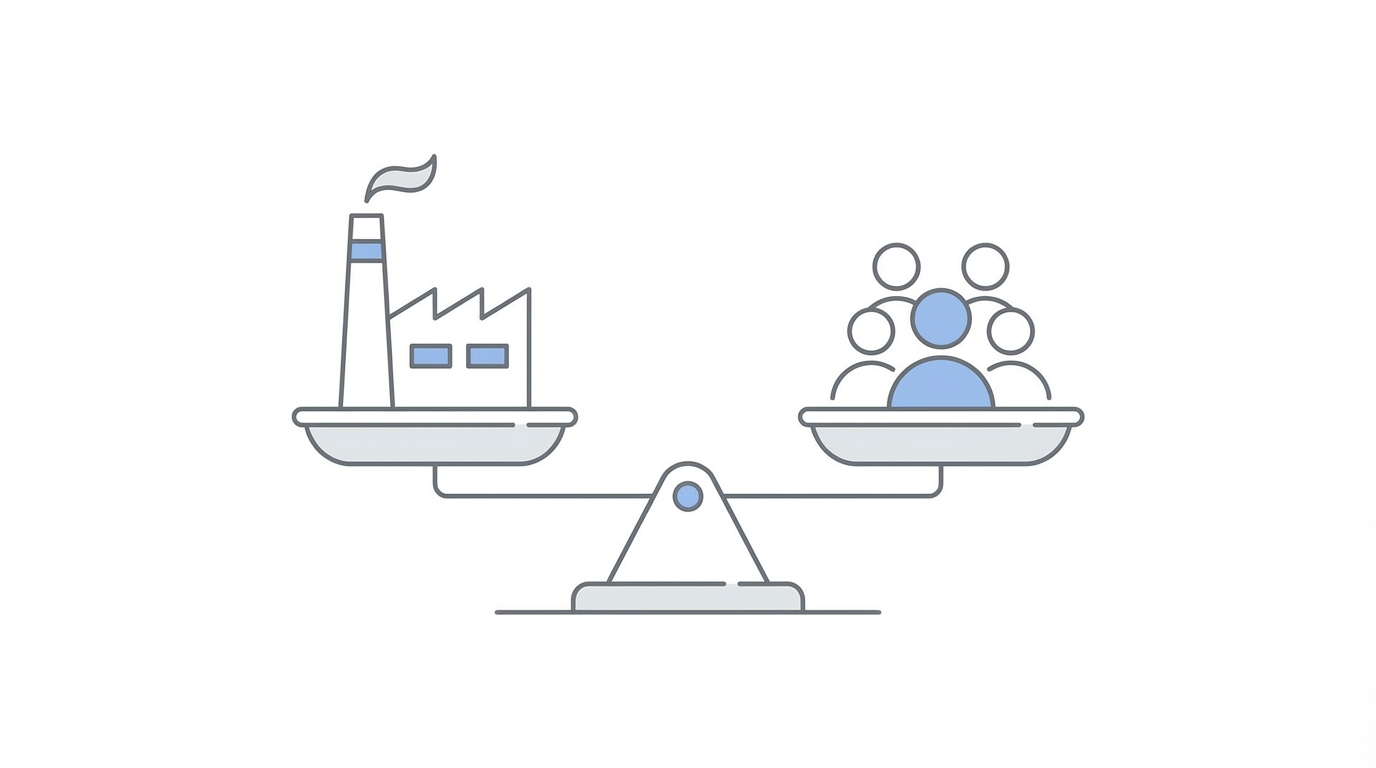
Every problem in business can be categorized into one of two buckets: a demand constraint or a supply constraint. Identifying bottlenecks in business starts with determining which side of the scale is tipped. A demand constraint means you simply need more leads and sales. You might have a great product and a flawless fulfillment process, but your Meta Ads Manager isn't generating enough awareness. In this case, your focus should be on growth engines.
Conversely, a supply constraint is the "good problem" that quickly turns into a nightmare: you have more leads than you can handle, and your fulfillment is breaking. If your waitlist is too long or customer satisfaction is dropping, adding more Google Ads spend will only accelerate your demise. By identifying the specific constraint, you can stop wasting time on activities that don't address the core leak in your bucket. For many mobile apps, the constraint is often the quality of the creative; using Stormy AI—an all-in-one AI platform for creator discovery and audience vetting—can help identify the right creators to solve demand constraints without the founder needing to manage every creative brief personally.
Visualizing the Engine: Business Process Mapping


To identify constraints effectively, you must visualize how your business creates value. Every business does three things: they make stuff, they sell stuff, and they fulfill stuff. Ryan Deiss suggests using physical sticky notes on a whiteboard to create a visual process map. Start with the moment a potential customer becomes aware of you—perhaps through Apple Search Ads or organic social media—and map every single "then what?" until the customer has received their value and returned for a second purchase.
This map should not represent what you *wish* was happening, but what is *actually* happening today. When you overlay data onto this map, the constraints become obvious. You might see that while you have high click-through rates from your TikTok Ads, the conversion rate on your landing page is abysmal. That landing page is your bottleneck. By focusing your energy there, rather than launching a new product, you achieve operational excellence through targeted optimization.
Building a High-Output Team Canvas
Once the value engine is mapped, you can solve the "people problem." Many entrepreneurs make the mistake of hiring "helpers"—people who just do what the founder tells them to do. This actually increases the founder's workload because it creates a new job: management. Instead, you need functional leaders—a head of sales, a head of marketing, or a head of product—who own specific stages of the process map.
The High-Output Team Canvas involves taking every sticky note on your process map and assigning a "critical accountability bullet" to a specific person. This ensures that every step in your value chain has a clear owner. If you find that one person is responsible for twenty sticky notes while another has only two, you have identified a human resource bottleneck. This structured approach allows you to find Stormy AI-level talent—functional leaders who are "send and delete" people. When you forward them a problem, you can delete the email because you know it will be handled better than if you did it yourself.
The Metric-Process Link: Building Your Business Scorecard
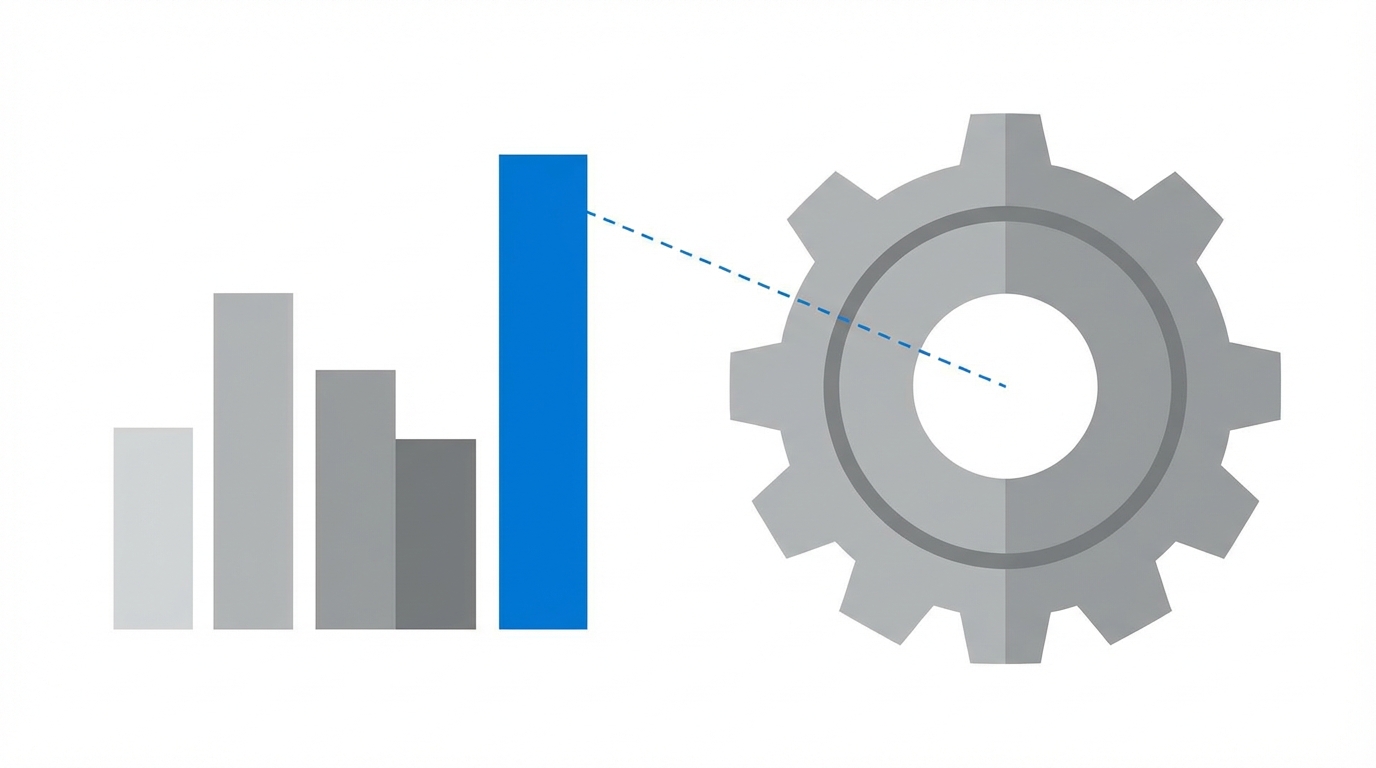
A business scorecard template is only useful if it tracks the metrics that actually matter. A common mistake is tracking vanity metrics that don't link back to a specific stage in your value creation map. If a metric doesn't correspond to a "sticky note" on your growth or fulfillment engine, it is likely an "orphaned activity." For example, if you are spending hours on an email newsletter that doesn't drive users toward a specific conversion point or engagement goal on your map, you should either fix the newsletter or stop doing it entirely.
Every key performance indicator for small business should be tied to a process step. When you look at your scorecard from top to bottom, it should tell the story of your process map from left to right. This ensures that you are measuring the health of the entire system, not just isolated pockets of activity. By using tools like Google Analytics to feed data into your scorecard, you can see in real-time where the system is breaking down. This data-driven approach removes the emotion from decision-making and allows you to lead with clarity.
Operational Excellence: Bridging the Swamp of Scale
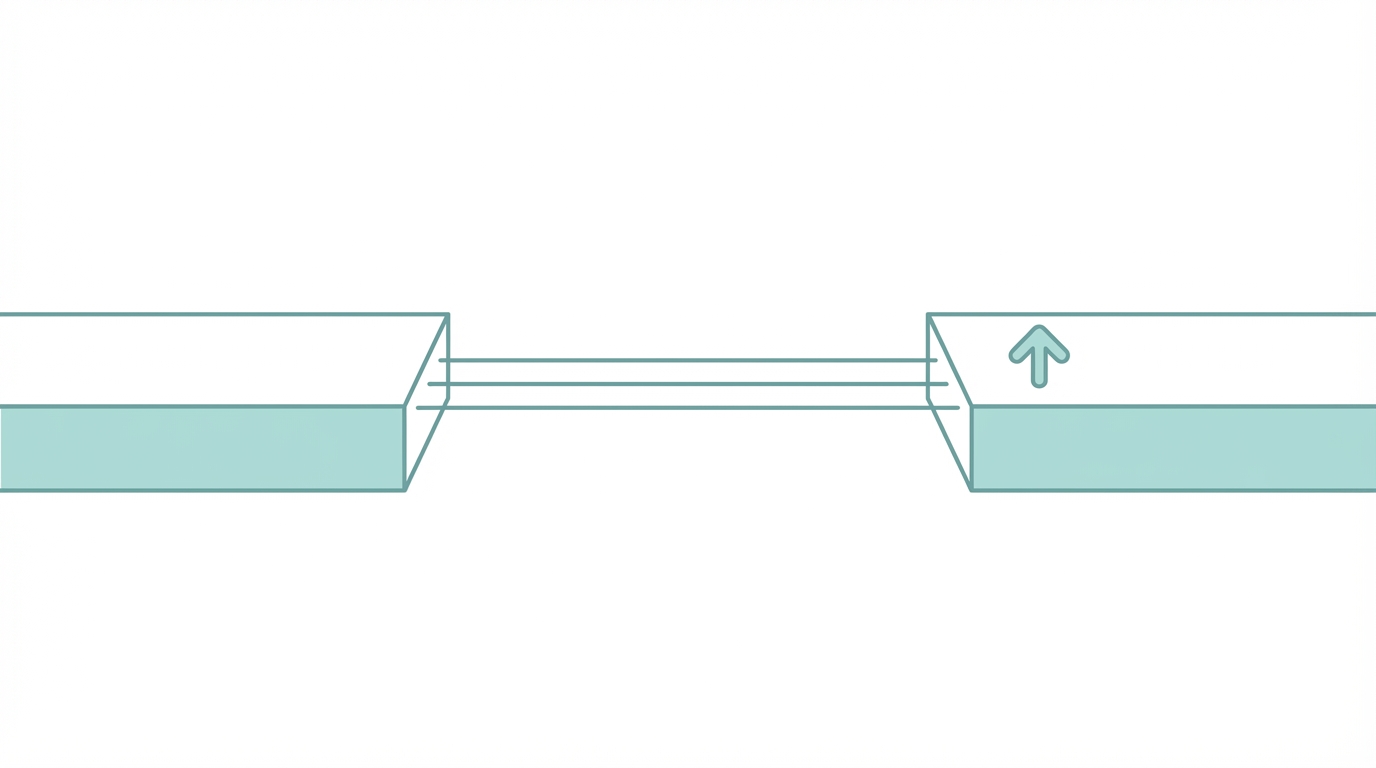
Scaling from $4 million to $10 million is often referred to as "No Man's Land." This is the stage where you need high-level leadership that you can't quite afford, but you can't reach the next level without them. The only way to bridge this gap without burning out is through systems. Operational excellence isn't about working harder; it's about building a machine that leverages talented people. High-level talent—the "10s" of the professional world—want to work for companies that have clear systems and defined roles.
By shifting your focus from being the "idea guy" to being the "constraint identifier," you create a culture of efficiency. You stop chasing every shiny object and start fixing the leaks that are actually draining your revenue. Whether you are optimizing your Stormy AI creator CRM workflows or refining your user-generated content strategy, every action should be a deliberate move to clear a bottleneck. This is how you build a business that is not only profitable but also a valuable asset that can eventually thrive without you.
Conclusion: Your Path to a Scalable Business
Identifying the leak in your business requires the humility to admit that more ideas aren't the answer. By utilizing business constraint identification and mapping your value creation engine, you can move from the weeds of daily operations to the owner's box. Implement a business scorecard template that links every KPI to a real-world process, and use a High-Output Team Canvas to empower functional leaders. Remember, the goal of operational excellence is to create a business that is an asset, not a job. Start by mapping your growth engine today, identify your single biggest constraint, and ignore the rest until that leak is plugged. For those looking to scale their mobile presence through AI-powered creator discovery, leveraging Stormy AI is a perfect example of using systems to solve growth constraints efficiently.