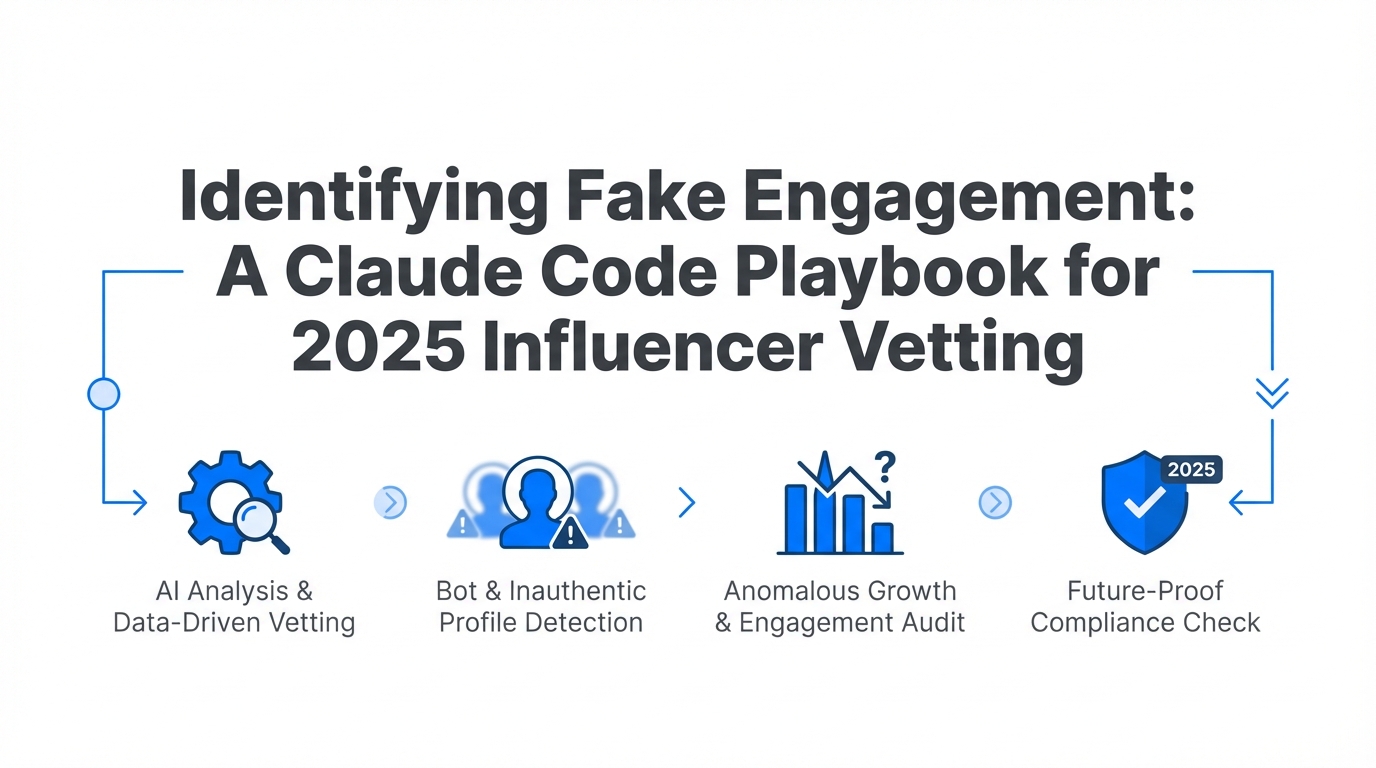
Protecting your influencer marketing budget is no longer just about choosing the right creator; it is about defending against a $1.3 billion global fraud epidemic. As we head into 2025, the industry is shifting from "Chat AI"—where we simply brainstorm ideas—to "Action AI" (autonomous execution). Performance marketers are no longer scrolling through profiles manually; they are moving into the terminal. Using Claude Code, Anthropic’s agentic command-line interface (CLI), marketers are now building their own "fraud-detection sub-agents" to audit thousands of creators in minutes—a task that previously took entire agencies weeks.
The 'Zombie' Engagement Problem: A $2 Billion Leak
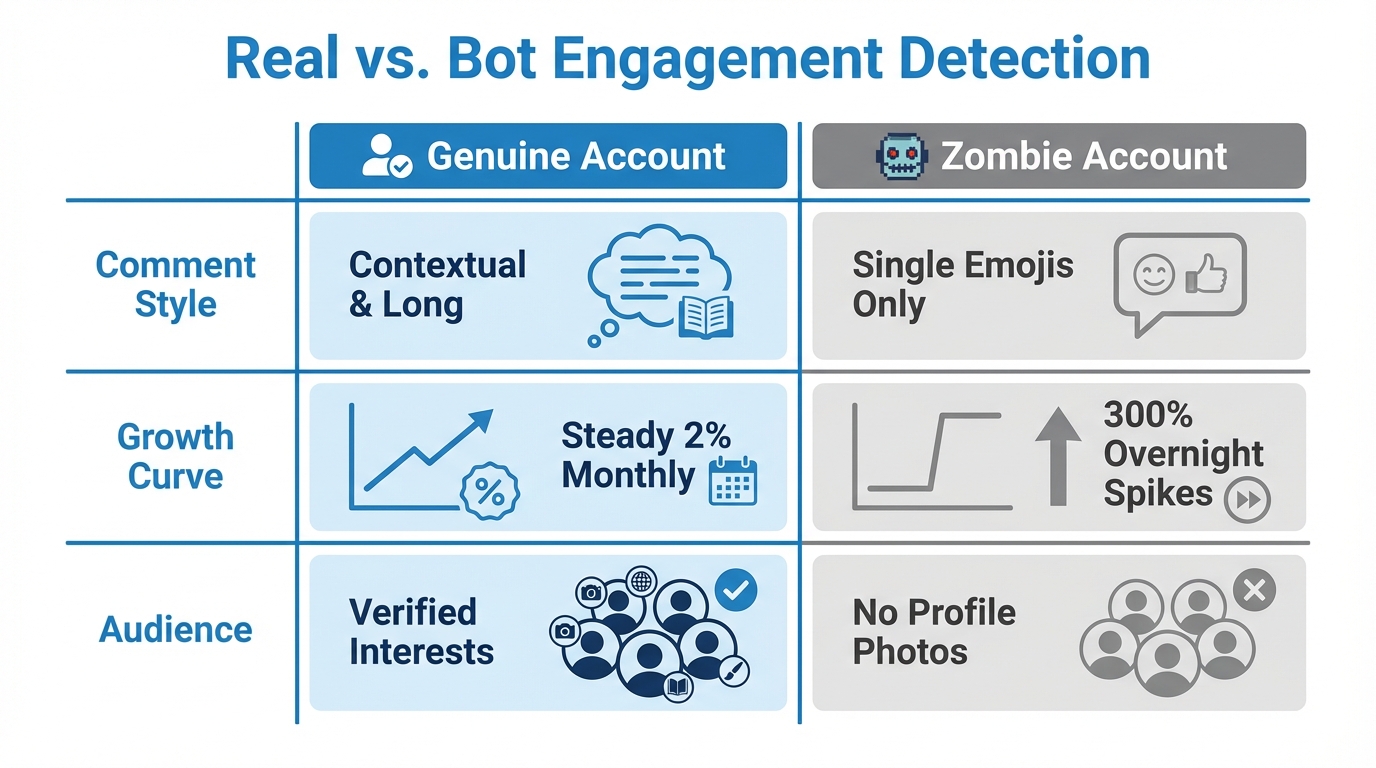
The growth of the creator economy is staggering, with spend projected to reach $32.55 billion by 2025. However, this massive influx of capital has attracted highly sophisticated bot farms. According to industry research, roughly 55% of Instagram engagement is estimated to be fake, driven by bots, engagement pods, and purchased followers. This isn't just a vanity problem; it’s a financial one. Brands are projected to lose over $2 billion to influencer fraud in 2025, as cited by Statista.
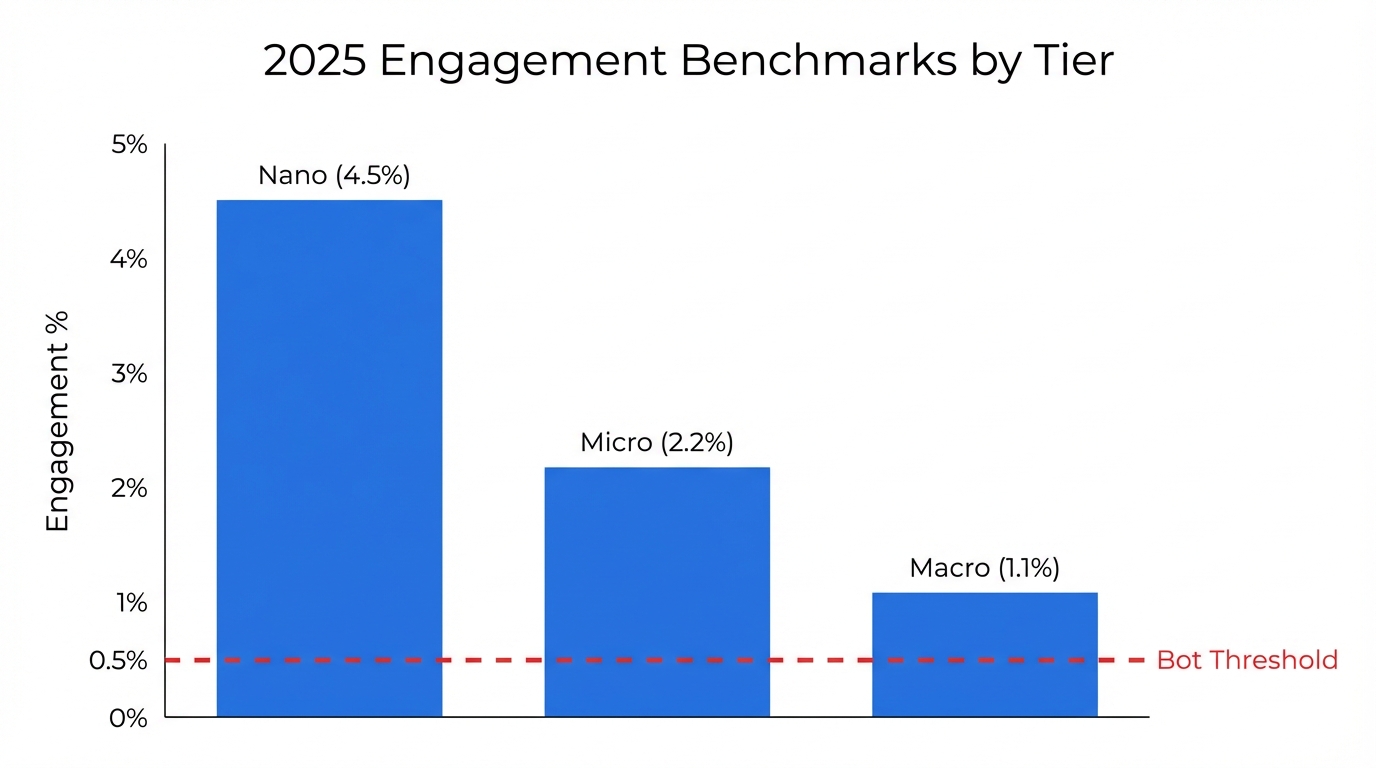
The exposure is more widespread than many realize. In 2024, 59.8% of brands reported experiencing influencer fraud, a sharp increase from just 31% in 2022, according to reports in AdWeek. We are seeing the rise of the "Zombie" creator—accounts with hundreds of thousands of followers that possess high engagement rates on paper, but zero actual influence or purchasing power. This makes high follower counts the most expensive "vanity metric" in marketing. While nano-influencers with fewer than 10,000 followers average a 6.7% engagement rate, mega-influencers (1M+) often see their authentic engagement drop to 1.6%.
"The defining trend of 2025 is Agentic Marketing Operations: Moving from clicking through static dashboards to querying live data via the terminal."
The Claude Code Playbook: Building Your Fraud-Detection Agent
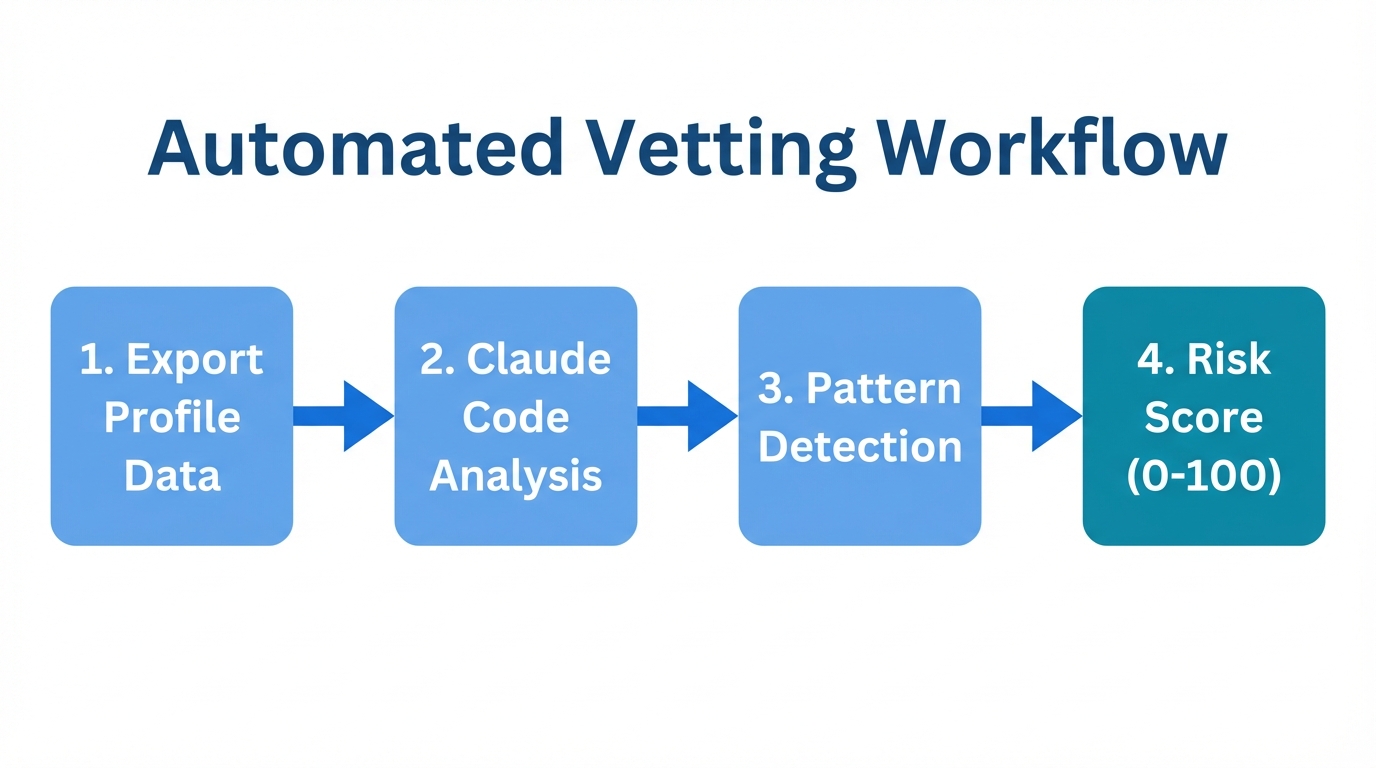
The defining trend of 2025 is the death of the static dashboard. Real-time data is now queried via conversation and code execution rather than clicking through charts. Claude Code allows marketers with zero traditional coding experience to run "Vibe Marketing" at scale. By using the Model Context Protocol (MCP), you can give your AI agent "hands" to scrape data, analyze sentiment, and check for fraud autonomously.
Step 1: Initialize Your "Marketing Source of Truth"
Start by creating a CLAUDE.md file in your project directory. This acts as the "Agent Skill" layer that guides Claude's vetting process. You must define a "Red Flag Rubric" that the agent will follow for every creator it audits. Use a prompt like: "/audit - Analyze @creator_handle. Flag: 1) Comments with less than 3 words, 2) Follower spikes greater than 20% in 24 hours, 3) Engagement from private accounts."
Step 2: Deploy Sub-Agents for Depth
Rather than one general prompt, use Claude Code to orchestrate specialized sub-agents. This modular approach ensures that each layer of the influencer audit is rigorous. You can set up a Data Scraper using tools like Apify to extract the last 500 comments, an NLP Auditor to analyze if users are actually asking questions or just posting emojis, and a Budget Analyst to compare the creator's media kit rates against their actual performance data. While manual workflows are evolving, platforms like Stormy AI streamline creator sourcing and outreach by automating these deep vetting steps in a single interface.
Step 3: Cross-Reference with Paid Performance
One of the most powerful features of Claude Code is its ability to connect to external APIs. Use the Google Ads and Meta Ads MCP connections from the MCP repository to cross-reference an influencer's organic performance with your actual paid results. If an influencer has "viral" organic reach but fails to convert when boosted via Meta Ads Manager, it’s a major red flag for audience quality.
Auditing Story-to-Post Ratios: Catching Static Fraud
A common mistake in fake engagement detection is only looking at static posts. Sophisticated fraudulent influencers often buy likes and comments for their main feed but have zero views on their Stories. Because Story metrics are private, they are harder for bots to fake convincingly. You can use Claude Code to ingest historical data and identify growth spikes that signal purchased followers.
For example, modern platforms allow you to ingest years of historical data to detect these anomalies. If an account has been stagnant for three years and suddenly gains 50,000 followers in a single weekend without a corresponding viral post or PR event, your agent should flag this as a high-risk "Zombie" account. Tracking performance across TikTok Shop or Instagram also helps verify if the creator is actually driving commerce.
| Metric | Healthy Account | Fraudulent "Zombie" Account |
|---|---|---|
| Engagement/Follower Ratio | 2% - 7% (Niche dependent) | >15% (Bot heavy) or <0.5% |
| Comment Sentiment | Specific questions about products | Single emojis or "Nice!" |
| Follower Growth | Steady, incremental gains | Spikes >20% in 24 hours |
| Story-to-Post Ratio | Consistent views across both | High post likes, low story views |
Action AI in Action: Real-World Efficiency Gains
The shift to agentic tools is already yielding massive results. At Anthropic, growth marketer Austin Lau used Claude Code to build internal tools that reduced ad creative tasks from 30 minutes to 30 seconds. This allows his team to iterate on influencer content 60x faster than traditional workflows, as detailed on the Anthropic Blog. Similarly, TELUS integrated Claude to automate complex data workflows, saving over 500,000 staff hours annually, allowing their marketing team to focus on strategic vetting rather than manual data entry.
This level of automation is essential when managing large-scale campaigns. While manual vetting might work for five creators, it fails when you are managing a roster of 500. Using an influencer vetting process powered by AI ensures that consistency and brand safety are maintained across every single interaction. You can even use Claude’s "Constitutional AI" framework to ensure influencer scripts and audience comments align with strict ethical guidelines.
"Automating the 'boring' parts of vetting—like checking for 3-word comments—unlocks the ability for marketers to focus on creative strategy and high-level negotiations."
Common Vetting Mistakes to Avoid in 2025
Even with the best AI tools, strategy remains paramount. According to market analysis from Insider Intelligence, 49% of marketers fail by prioritizing reach over niche relevance. In the age of Action AI, "reach" is the easiest metric to fake. Here are three mistakes to avoid:
- Prioritizing Follower Count: As we've seen, high follower counts often lead to lower engagement and higher fraud risk. Look for niche alignment over raw numbers.
- Ignoring Sentiment Quality: A post with 1,000 comments that all say "Great post!" is worthless compared to a post with 50 comments asking where to buy the product. Use Google Analytics to audit if influencer traffic is actually converting on your site.
- Tool Fragmentation: Using five different browser-based tools that don't talk to each other leads to data silos. Use a unified terminal approach or an all-in-one platform to keep your tech stack lean.
Conclusion: Building a Fraud-Proof Future
The battle against fake engagement is an arms race. As bot farms become more sophisticated, our vetting processes must evolve from reactive checking to proactive, agentic auditing. By leveraging Claude Code and the Model Context Protocol, performance marketers can build automated systems that protect their budgets and ensure every dollar is spent on authentic human connection.
Whether you are building your own CLI tools or using an AI-powered platform like Stormy AI, the goal remains the same: transparency and accountability. By auditing Story-to-Post ratios, monitoring for 20% follower spikes, and cross-referencing with paid data from Google Ads, you can ensure your brand stays ahead of the "Zombie" epidemic and delivers real results in 2025.