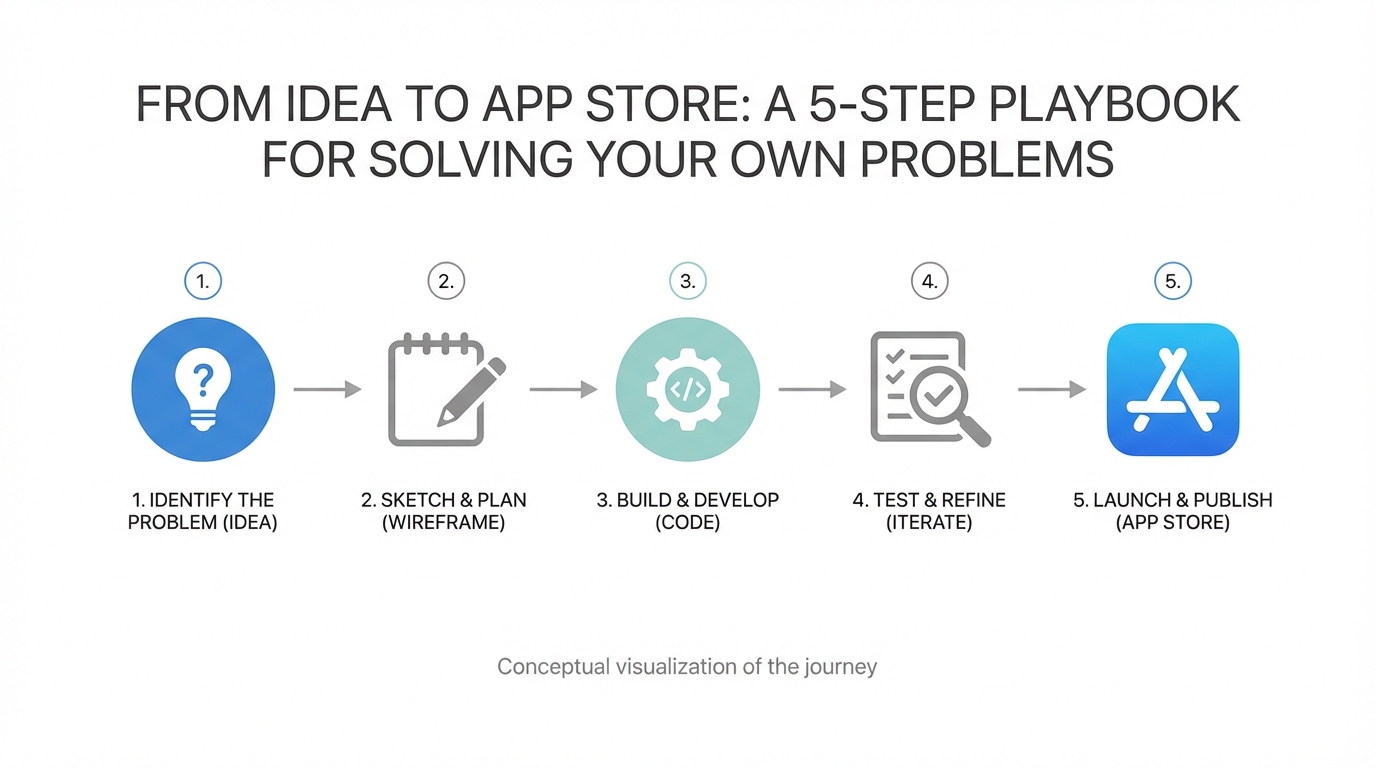
The dream of launching a successful mobile app often feels gated by a massive wall of technical complexity, capital requirements, and the elusive hunt for the "next big idea." However, the modern mobile app development process has shifted. You no longer need a massive engineering team or a revolutionary concept that changes the world; you simply need to solve a recurring frustration in your own life. By focusing on niche solutions for personal pain points, founders are currently scaling apps from zero to $120,000 ARR (Annual Recurring Revenue) in less than a year. This guide provides a comprehensive startup ideation framework designed specifically for non-technical founders who want to move from a concept to a live, revenue-generating product on the App Store.
Step 1: Identifying High-Interest Niches and Market Demand
When learning how to find app ideas, the most common mistake is starting with a solution rather than a fertile environment. You want to build where people are already spending money and seeking improvement. High-interest niches, such as Health and Wellness, are evergreen because they tap into fundamental human desires: longevity, mental clarity, and physical performance. According to research from Starter Story, focusing on a single high-interest domain allows you to build a portfolio of apps that serve the same audience, creating a powerful compounding effect.
Consider the success of "The Wellness Company," a product studio that launched three apps in 10 months, reaching over 20,000 downloads and a freeto-paid conversion rate of 8%. By staying within the health niche, they ensured that a user of one app—say, a cold plunge tracker—is statistically likely to be interested in their other apps, like a circadian rhythm optimizer. This niche-first approach reduces your marketing overhead because you aren't constantly searching for a new demographic; you are simply offering more value to the one you already understand.
- Look for High Retention: Niches like fitness or productivity often have higher Day 30 retention rates (sometimes exceeding 60%) because the apps become part of a daily habit.
- Analyze Subscription Potential: Identify areas where users are already comfortable with subscription-based revenue models.
- Follow the Passion: It is easier to sustain the mobile app development process when you genuinely care about the niche’s outcomes.
Step 2: The 'Personal Pain Point' Filter for Better UX
The most effective startup ideation framework is one that looks inward. If you are experiencing a specific friction in your daily routine, thousands of others likely are too. Building for yourself acts as a natural filter for User Experience (UX). When you are the primary user, you don't need to guess which features are important; you feel the need for them. For instance, the creator of Go Polar built the app because he couldn't find a high-quality way to track cold plunges and sauna sessions using his Apple Watch. By solving his own problem, he crafted a superior experience compared to generic fitness trackers.
Platforms like Stormy AI for finding UGC creators and influencers emphasize that the most successful creators and founders are those who have an authentic connection to the problem they are solving. When you build for yourself, your app development for beginners journey becomes an exercise in empathy. You understand the "why" behind every button and every notification. This deep context allows you to avoid feature bloat and focus on the core utility that drives user satisfaction. This is the difference between a tool that people download once and a tool they use every morning.
To apply this filter, keep a "frustration log" for one week. Every time you think, "I wish there was an app for this," or "This existing app is too complicated," write it down. These are your seed ideas. By the end of the week, you'll have a list of potential projects that have built-in validation because the demand (you) already exists.
Step 3: Rapid Prototyping and Building an MVP
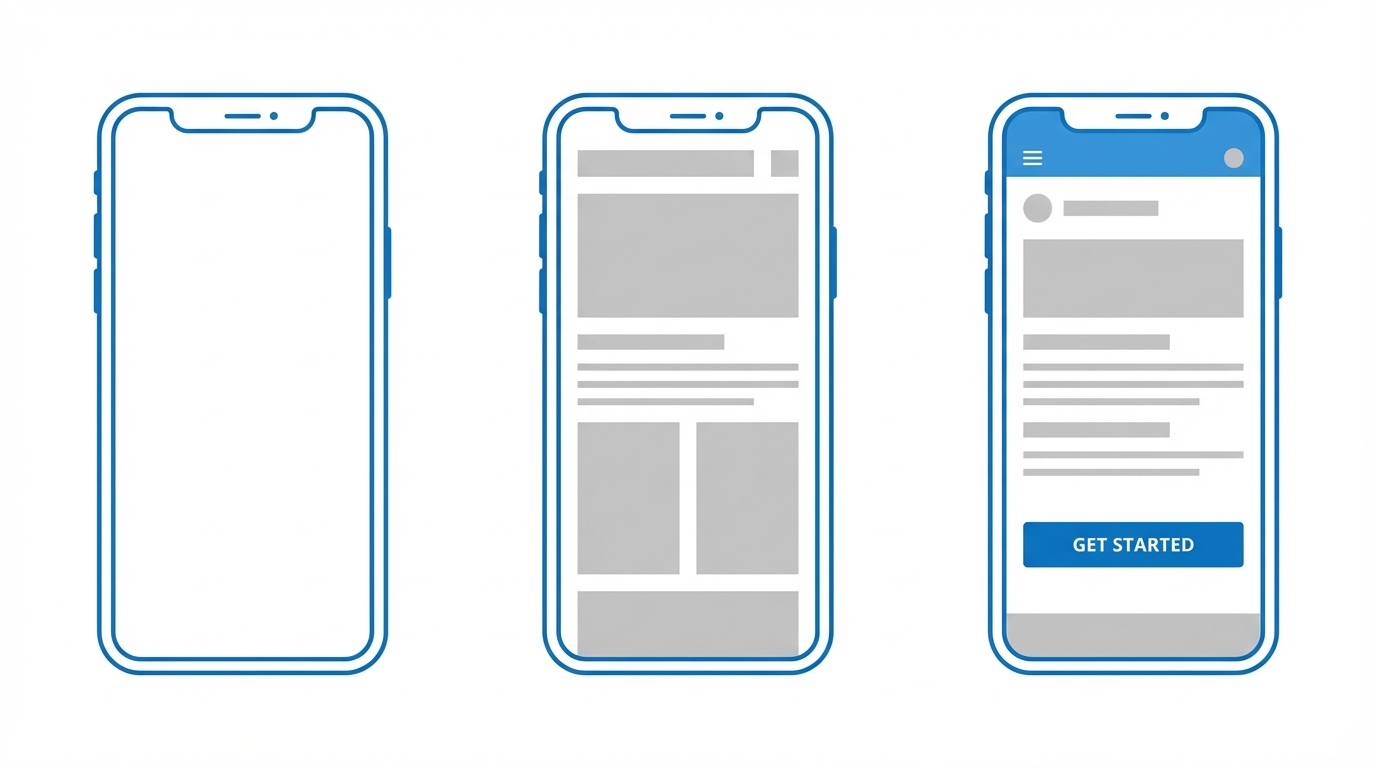
In the past, building an MVP for mobile apps required months of coding or tens of thousands of dollars in agency fees. Today, the mobile app development process has been democratized by AI-powered tools. You can move from a design in Figma to a functional prototype in days using platforms like Lovable, Replit, or Bolt. These tools allow non-technical founders to generate code, iterate on UI components, and deploy testable versions of their apps without writing every line from scratch.
A modern, lean tech stack for a mobile app MVP might look like this:
- Backend & Database: Supabase for managing user data and authentication with minimal configuration.
- Subscriptions: RevenueCat to handle the complexities of in-app purchases and paywalls across iOS and Android.
- Analytics: PostHog to track user behavior and understand where people are dropping off in your funnel.
- Project Management: Linear to stay organized and prioritize features during the build phase.
The goal of an MVP (Minimum Viable Product) is to solve the core problem as quickly as possible. Don't worry about perfect aesthetics or secondary features. If your app is meant to correct posture, the MVP should simply be able to scan a user’s alignment and provide a basic report. If it’s a sunlight tracker, it should just show the optimal window for Vitamin D. By keeping your scope narrow, you reduce the time to market and start collecting real-world data sooner.
Step 4: Day Zero Distribution and Creator Partnerships

Distribution should never be an afterthought. In the current app ecosystem, you must think about your audience on Day Zero—long before the app hits the store. One of the most effective ways to drive initial downloads is through User-Generated Content (UGC) and influencer partnerships. Because you are building for a niche you understand, you likely already know which creators your target audience follows. Using a tool like Stormy AI, which is an AI-powered platform for creator discovery, you can discover creators who specialize in your specific niche, whether that's biohacking, desk ergonomics, or mindfulness. To ensure your budget is well-spent, you can also use Stormy AI to vet creators by detecting fake followers and analyzing deep audience demographics before reaching out.
Working with creators allows you to build social proof and trust before a user even downloads the app. For mobile app marketing, a short video of a creator using your app to solve the very problem they complain about is more effective than any polished corporate ad. This is especially true for app install campaigns where the cost-per-acquisition (CPA) can be significantly lowered by using authentic UGC on platforms like TikTok or Instagram Reels. To manage this at scale, Stormy AI enables you to contact influencers instantly with hyper-personalized emails and set up an AI agent that handles follow-ups automatically.
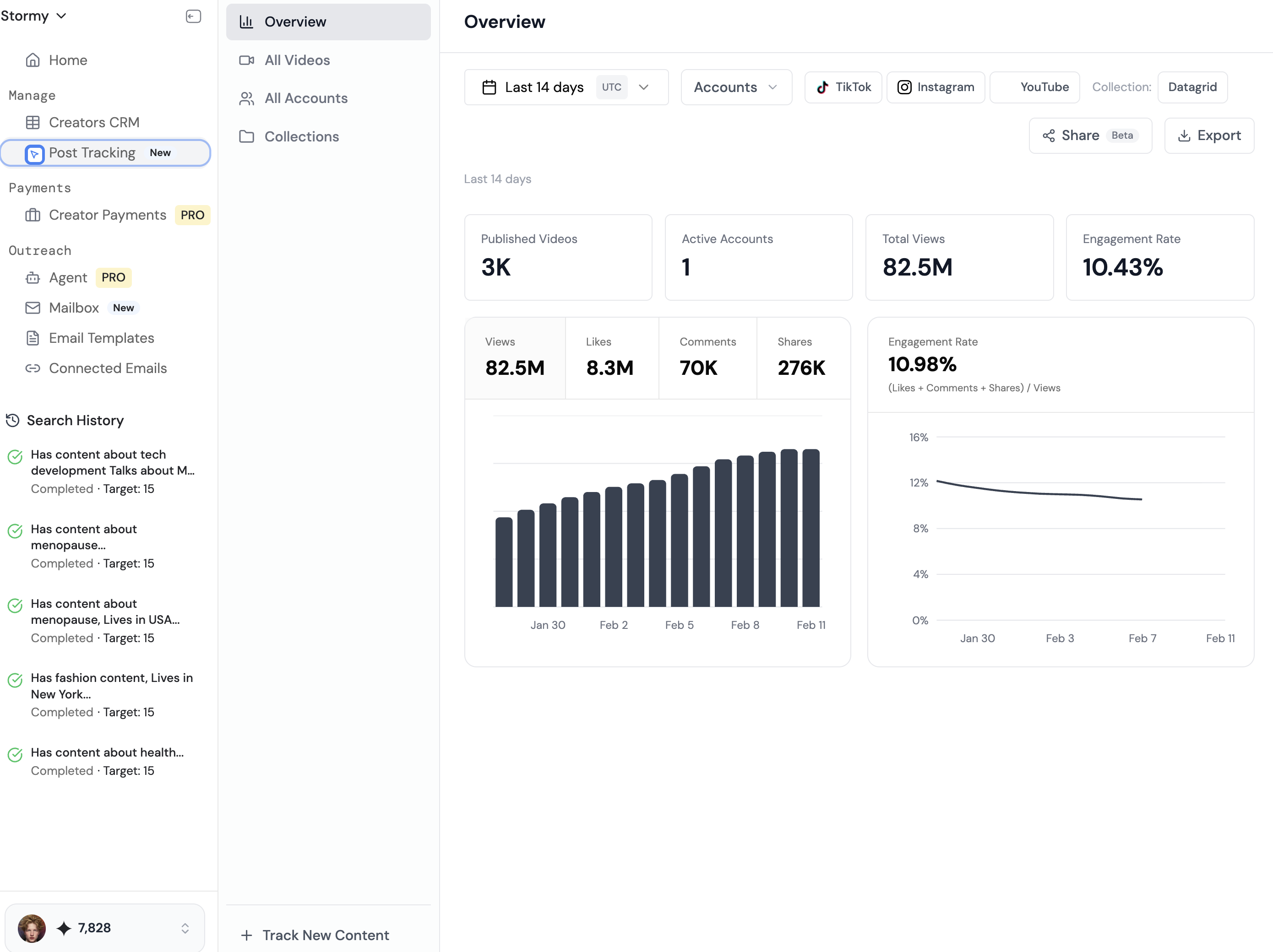
If you don't have a budget for influencers, become the creator yourself. Document the mobile app development process on social media. Share the "behind the scenes" of how you are solving your own problem. This transparency builds a loyal community that feels invested in your success. When you eventually launch, you won't be shouting into a void; you'll be speaking to an audience that has been waiting for the solution you've been teasing for weeks. Once your campaign is running, you can use Stormy AI to track post performance and monitor engagement across all platforms in real-time. For those looking to scale further, legacy tools like Captiv8 or Tagger can be used, though they often feel outdated compared to modern AI-native platforms. Additionally, leveraging Apple Search Ads can provide a consistent baseline of organic-looking traffic.
Step 5: The 'Repetition' Principle and the Portfolio Effect
Success in app development for beginners rarely happens on the first try. The final step in this playbook is embracing the Repetition Principle. Many successful founders find that their first app is a learning experience, their second is a modest success, and their third or fourth app is the one that truly breaks out. Each repetition teaches you more about the mobile app development process, from refining your design language in Figma to optimizing your paywall conversion rates with RevenueCat.
Building a portfolio of hyper-niche apps serves two purposes:
- Risk Mitigation: If one niche fluctuates or an algorithm change affects your visibility, you have other revenue streams to fall back on.
- Cross-Promotion: You can market your new products to your existing user base for free. This "ecosystem" approach is how small teams generate $10,000+ monthly revenue with minimal ongoing ad spend.
As you ship more products, you get faster. The components you built for your first app—the onboarding flow, the settings page, the database schema—can be reused for your next project. You aren't just building apps; you are building an internal library of assets that makes each subsequent launch easier and more professional. This is how you transition from being a hobbyist to running a legitimate software studio.
Conclusion: Taking the First Step in Your App Journey
The journey from a simple idea to a top-ranking app on the store is paved with small, consistent actions. By following this startup ideation framework—identifying a niche, filtering for personal pain, building an MVP with modern tools, planning distribution early, and committing to the process of repetition—you remove the guesswork from how to find app ideas. Remember: motivation is fleeting, but a system is sustainable. If you have an idea that brings you energy, ship it. The market will provide the feedback you need to refine, iterate, and eventually win. Whether you are building for health, productivity, or a hyper-specific hobby, the tools and strategies are now within your reach. Start today, solve your own problem, and build the future you want to see on your home screen.