In the age of digital saturation, where the cost of customer acquisition on platforms like Meta Ads Manager continues to climb, a new frontier is emerging. It isn’t found in a new SaaS vertical or a trending crypto-token. Instead, it is found on the corner of Main Street and 5th, in the bustling aisles of a Saturday morning farmers' market. This is the 'Flea to Mouth' revolution—a movement where localized, organic, and cult-like physical communities are becoming the next major business opportunity for savvy entrepreneurs. By combining modern hyperlocal digital marketing with physical space, business owners can build moats that 800-pound gorillas like Amazon or Figma can't easily squash.
The Flea to Mouth Revolution: Why Physical is the New Digital

For the last decade, entrepreneurs have been obsessed with scale. The goal was always to reach the global market from a laptop in a bedroom. However, as Greg Isenberg notes, the uncertainty period of digital entrepreneurship can be grueling. You wake up, check Product Hunt, and pray a giant hasn't launched a feature that makes your startup obsolete. Physical markets offer a different kind of security. A community driven business model centered around local commerce creates a tangible network of relationships that digital algorithms cannot replicate.
We are seeing people become 'cultish' about their local environments. Whether it is a farmers' market in a small Canadian town or a massive food hall like Time Out Market, the demand for high-quality, local art, organic food, and 'third spaces' is skyrocketing. This isn't just about selling carrots; it's about niche audience building. When you own the physical space and the digital attention of a town, you aren't just an event organizer—you are the infrastructure of that community's social and commercial life.
Step 1: Building 'Local Leverage' Through Digital Content

The biggest mistake most traditional event managers make is starting with the physical space. In the hybrid playbook, you start with the audience. You must build Local Leverage before you ever sign a lease or negotiate with a merchant. The goal is to become the digital 'mayor' of your target area using platforms like TikTok and Instagram.
The Content Strategy for Local Dominance
To build this leverage, start by reviewing local institutions. Create short-form videos reviewing the best hidden-gem restaurants, the local library, or existing small shops. Use hyperlocal digital marketing tactics like tagging specific neighborhoods and using trending local audio. Once you have a following of even 2,000–5,000 people in a specific town, you have a massive bargaining chip. You can go to a merchant and say, 'I have an email list of 3,000 locals who trust my taste. If I host a market, they will show up.'
Utilize tools like Notion to track your local leads and Google Analytics to see where your traffic is coming from. If you notice a high concentration of engagement in a specific zip code, that is your beachhead. You are building a niche audience that is ready to be converted into physical foot traffic.
Using AI to Identify 'Market Gaps'

How do you choose the right town? You don't guess. You use data. Modern AI tools and SEO strategies can help you find towns with high demand but zero existing community commerce infrastructure. For example, Boring Marketing specializes in using AI and SEO to outrank competition by identifying these types of 'boring' but highly profitable niches.
Analyze search volume for terms like 'farmers market near me' or 'things to do this weekend' in specific geographic areas. If you find a town with high search volume but poor existing results, you've found a market gap. AI can also help you analyze merchant supply. By scraping local business directories on sites like Yelp, you can identify if a town has 50+ independent makers (potters, bakers, artists) but no centralized place for them to sell. This event management for small business strategy relies on being the bridge between under-utilized supply and pent-up demand.
The Logistics of Being the 'Middleman'
Once you have the audience and the data, you move into the 'Firefighter' phase of entrepreneurship. This is where execution becomes everything. You aren't just a visionary; you are a logistics coordinator. The 'Middleman' model is simple: you curate the merchants, handle the permits, and provide the platform. In exchange, you monetize through rent or revenue shares.
Negotiating with Town Officials
Many entrepreneurs are intimidated by local government, but as Greg Eisenberg points out, town officials are often desperate for commerce. Go to the town hall and find the person in charge of local business development. They want people coming to their town. They want empty lots filled with vibrant activity. If you can prove you have the digital leverage to bring hundreds of people to a Saturday event, they will often give you the space for free or at a significant discount.
The Revenue Model
You can structure your business in two ways:1. Fixed Rent: Charge merchants a flat fee (e.g., $100–$500) for a stall. This is low risk and provides predictable cash flow.2. Revenue Share: Take a percentage of all sales. This aligns your incentives with the merchants and can lead to much higher upside if the event is a massive success. Use tools like Stripe or Shopify to manage these transactions and keep the paperwork clean.
Scaling the Model: From Local Market to Regional Network
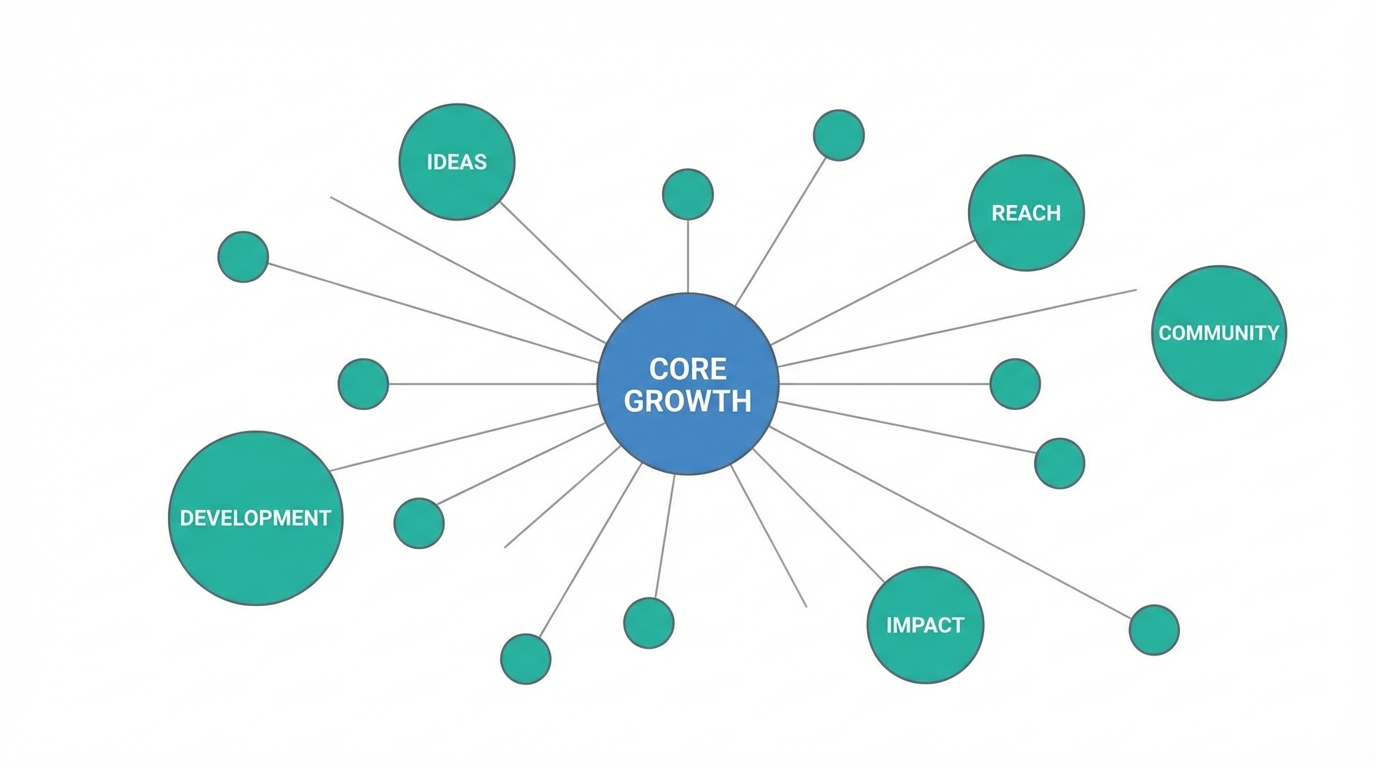
The beauty of this community driven business model is that it is repeatable. Once you have a 'playbook' for one town—the permits, the merchant contracts, the social media templates—you can replicate it in the next town over. This is how you move from a single event to a regional network with high brand equity.
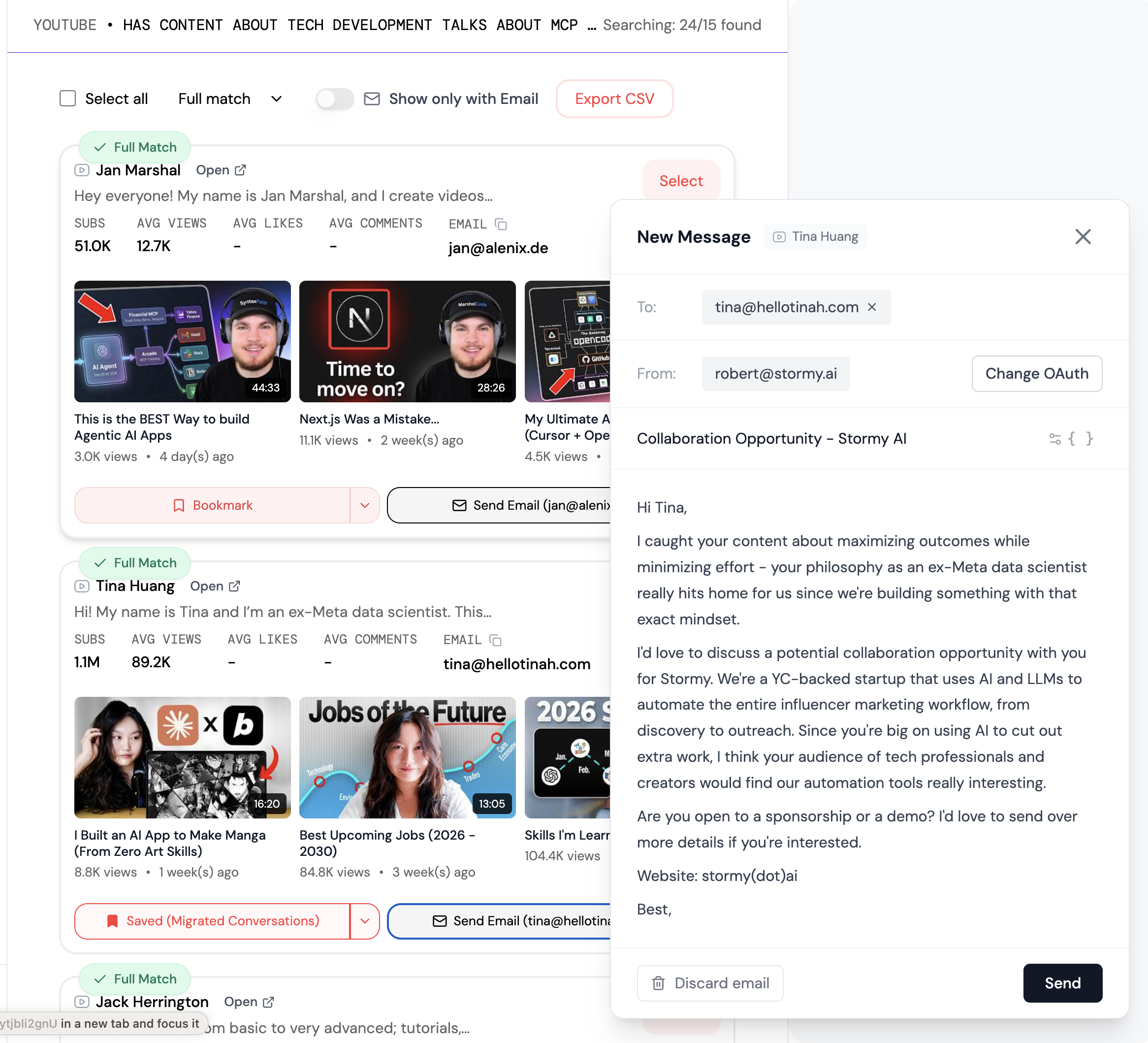
As you scale, managing relationships becomes the primary challenge. When you are running markets across ten different locations, you need a way to vet and manage the creators and merchants you work with. This is where tools like Stormy AI become essential. Stormy allows you to discover and vet local influencers who can promote your new market locations, ensuring you have the same local leverage in town number ten that you had in town number one. You can use their AI-powered search to find 'foodie' creators in a 20-mile radius and use the built-in CRM to manage the outreach and negotiations at scale.
The Path to Hyperlocal Success
Dominating a local physical market is about more than just setting up tables; it is about merging the digital and the physical. By building a local marketing strategy rooted in niche audience building, you create a business that is resistant to the whims of Silicon Valley giants. Start by picking three things to do today: audit a local town for market gaps, start one local-focused social media account, and reach out to one local maker. Stop over-complicating the system and start pressing the buttons that move the needle. The 'Flea to Mouth' era is here—it's time to take your place at the table.