The Hybrid Ecommerce Playbook 2026: Validating Products with Dropshipping Before Launching Private Label on TikTok Shop
Learn the 2026 hybrid ecommerce model: validate hero products with low-risk dropshipping before scaling into a high-margin private label brand on TikTok Shop.
In 2026, the barrier to entry for ecommerce has never been lower, yet the cost of failure has never been higher. Launching a brand with 2,000 units of unproven inventory is no longer a bold move—it is a statistical gamble that most startups cannot afford. Enter the Hybrid Ecommerce Playbook: a strategic framework where entrepreneurs leverage the speed of dropshipping to find "Hero Products" before committing to the capital-intensive world of private labeling. By using TikTok Shop as the ultimate validation engine, brands are achieving product-market fit with minimal upfront risk, ensuring that when they finally invest in custom manufacturing, the demand is already guaranteed.
The 'Hybrid Shift': Why 80% of Successful Brands Start as Dropshippers
The ecommerce landscape has undergone a fundamental transformation. We have moved from the "easy side hustle" era into a period of data-driven professional retail. According to recent reports from Grand View Research, the Global Dropshipping Market is projected to exceed $1.2 trillion by 2030, maintaining a massive 23.4% CAGR. However, the most successful players are no longer staying dropshippers forever.
Instead, 80% of successful entrepreneurs now utilize a hybrid model. They start with dropshipping to validate a product’s market fit and then transition into a private label brand to build long-term equity. This shift is driven by the need to balance risk and reward. While dropshipping offers net profit margins of 15% to 20%, a private label brand allows for gross margins of 30% to 50%+ due to the "brand premium" and manufacturing control. By starting small, you avoid the common pitfall of "Inventory Bloat"—ordering thousands of units of a product that eventually becomes dead stock.
"The hybrid shift isn't just a trend; it's a survival strategy. Validating via dropshipping allows you to fail fast and cheap, so you can win big and permanent with private label."
| Feature | Dropshipping (Validation Phase) | Private Label (Scaling Phase) |
|---|---|---|
| Upfront Investment | Low ($500 - $2,000) | High ($5,000 - $20,000+) |
| Profit Margins | 15% - 20% | 30% - 50%+ |
| Shipping Speed | Variable (aim for domestic) | Fast (2-day domestic) |
| Brand Equity | Low to None | High Asset Value |
Step-by-Step Guide to Validating a 'Hero Product'
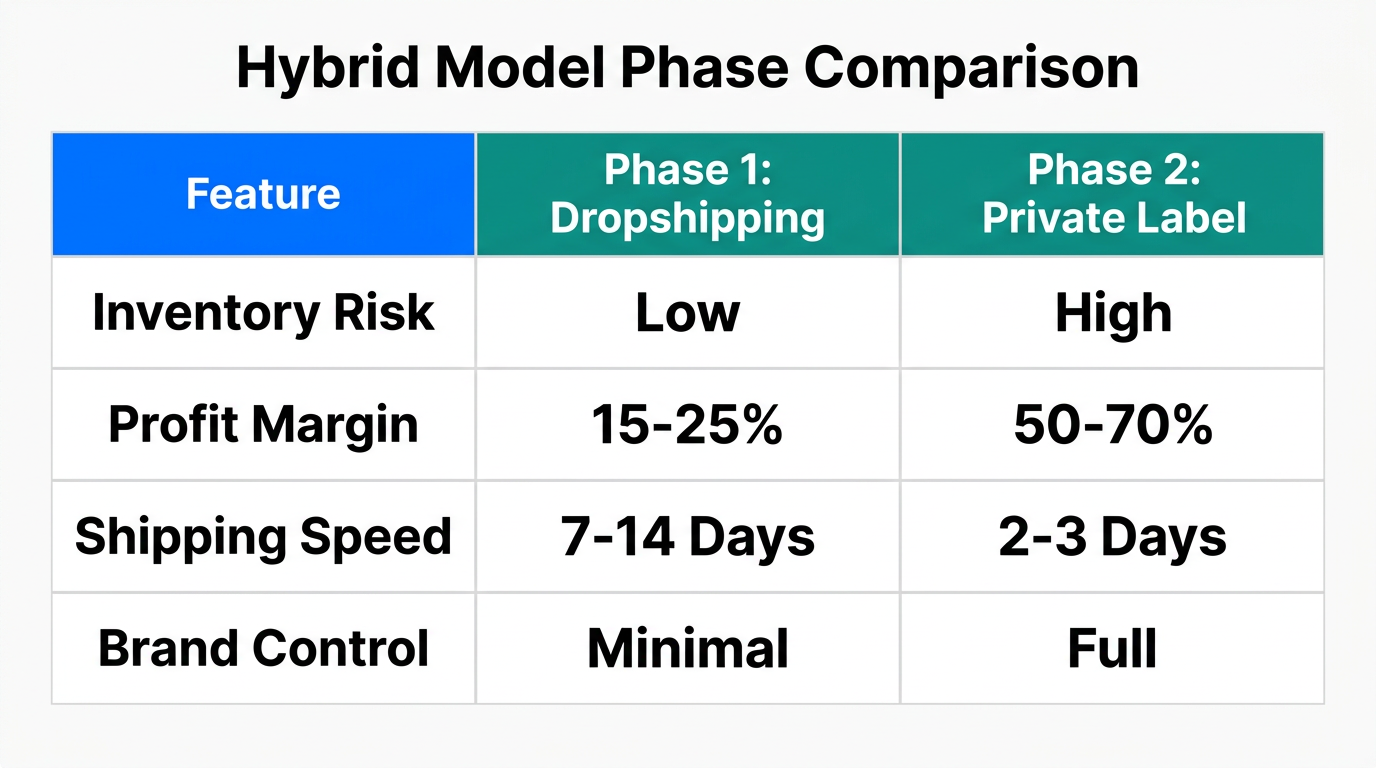
Your goal in the first phase is not to build an empire, but to identify a Hero Product. This is a single item that demonstrates high demand, low return rates, and a strong resonance with a specific audience. Start by using an AI-powered ad spy tool like Minea to identify products that are already gaining traction on social media. Avoid saturated niches like generic posture correctors; instead, look for unique solutions in high-ticket categories or passionate subcultures, similar to how brands on Shopify's success lists have generated significant profit by focusing on niche hobbyist items.
To ensure a professional experience during validation, prioritize domestic sourcing. According to consumer behavior studies, 42% of consumers now expect 2-day shipping options, and relying on 3-week lead times from overseas will lead to account bans on TikTok and Meta. Use platforms like Spocket or SaleHoo to find vetted suppliers in the U.S. or EU. This phase is about gathering data: which creative angles convert? What is the average Customer Acquisition Cost (CAC)? Once you have 50+ positive reviews and a consistent sales volume, you have found your hero.
Integrating TikTok Shop: The #1 Discovery Engine
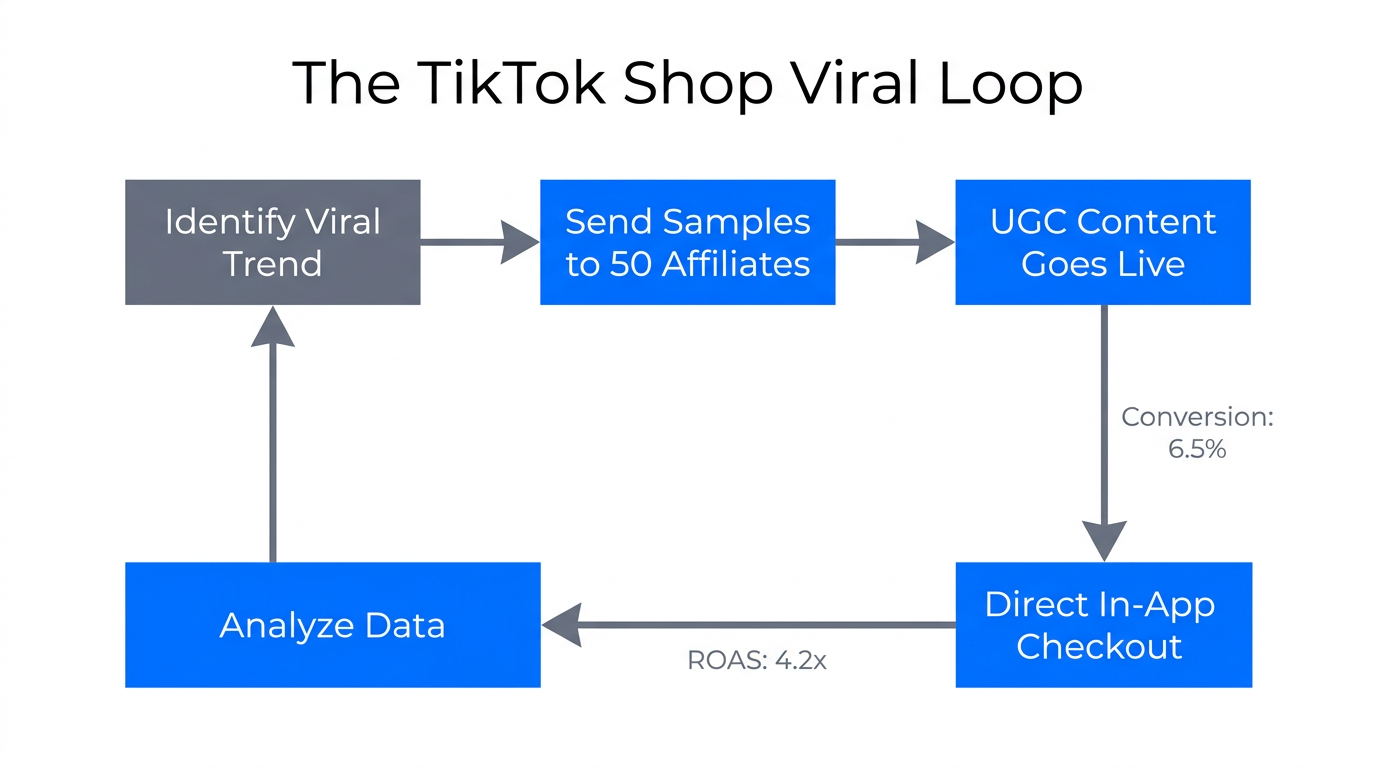
In 2026, TikTok Shop has become the primary battleground for ecommerce growth. Statistics from Statista show that 47% of users have made an instant purchase based on TikTok content. For brands using the hybrid model, TikTok Shop offers a frictionless way to test products directly within the feed. By setting up a Shopify store and syncing it with the TikTok Business Center, you can sell products through short-form video, live streams, and the "Shop" tab.
The secret to winning on TikTok Shop isn't just running ads; it's TikTok influencer marketing for ecommerce. Instead of generic brand posts, successful stores use influencer whitelisting. This involves having creators run ads from their personal accounts that point to your product. This strategy has been shown to lower CAC by 20-30% because it leverages the creator's existing trust. To find these high-performing creators, modern brands use AI-driven tools like Stormy AI, which allows you to search for influencers based on niche, engagement quality, and their actual history of driving sales on TikTok Shop.
"The algorithm doesn't care about your brand's aesthetic; it cares about engagement. Influencers are the bridge between a product and a viral sales event."
Transitioning Logistics: From Third-Party to Private Label
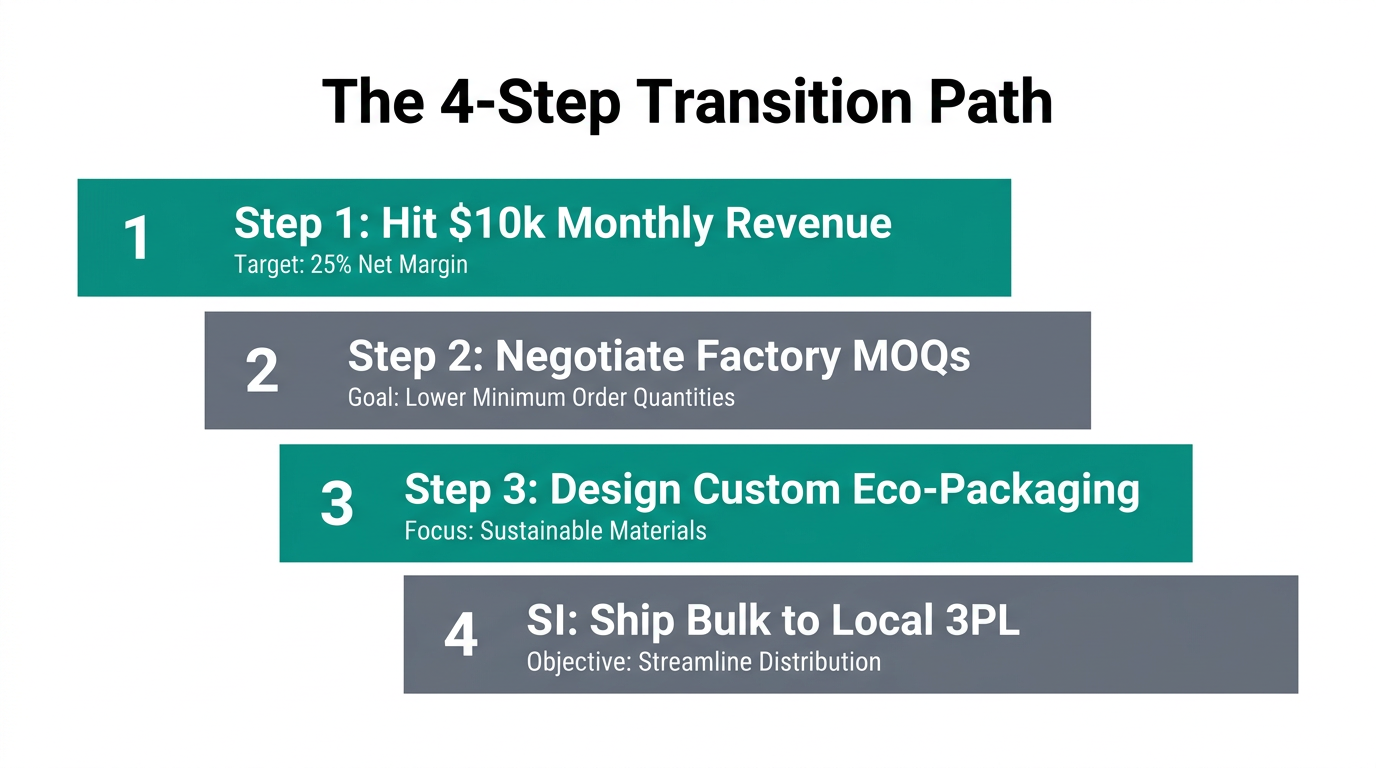
When should you pull the trigger on a transitioning to private label strategy? The tipping point usually occurs when your daily order volume is consistent enough to predict inventory needs for at least 30 days. Moving to private label involves finding a manufacturer who can produce your validated product with custom branding, improved quality, and sustainable packaging. This transition is where real wealth is built; U.S. private label sales hit a record $282.8 billion in 2026, proving that consumers are increasingly choosing retailer-owned brands over generic alternatives.
During this phase, focus on Quality Control (QC). A common mistake is choosing a manufacturer based solely on the lowest price, which often leads to 1-star reviews that can kill a brand in its infancy. Use the capital saved from your dropshipping phase to hire a third-party QC agent. Once your branded inventory arrives at a domestic 3PL (Third-Party Logistics) center like ShipBob, you can offer the lightning-fast shipping that modern consumers demand, further boosting your conversion rates and customer lifetime value.
Case Study: The Gymshark Evolution
There is no better example of the hybrid-to-powerhouse trajectory than Gymshark. What is now a $1.3 billion private label giant began as a humble screen-printing operation in a garage. Ben Francis didn't start by ordering 10,000 units of custom-engineered tech-wear. He started by identifying what the fitness community wanted, fulfilling orders manually, and leveraging influencer marketing long before it was a standard industry term.
Gymshark used early community feedback to validate their designs. As they grew, they transitioned from third-party garments to fully custom, private-label manufacturing. This allowed them to capture the massive margins necessary to fund global expansion. Their story proves that product validation for ecommerce isn't about having the most money on day one; it's about having the best data and the most authentic connection to your audience.
The 2026 Ecommerce Stack: Essential Tools
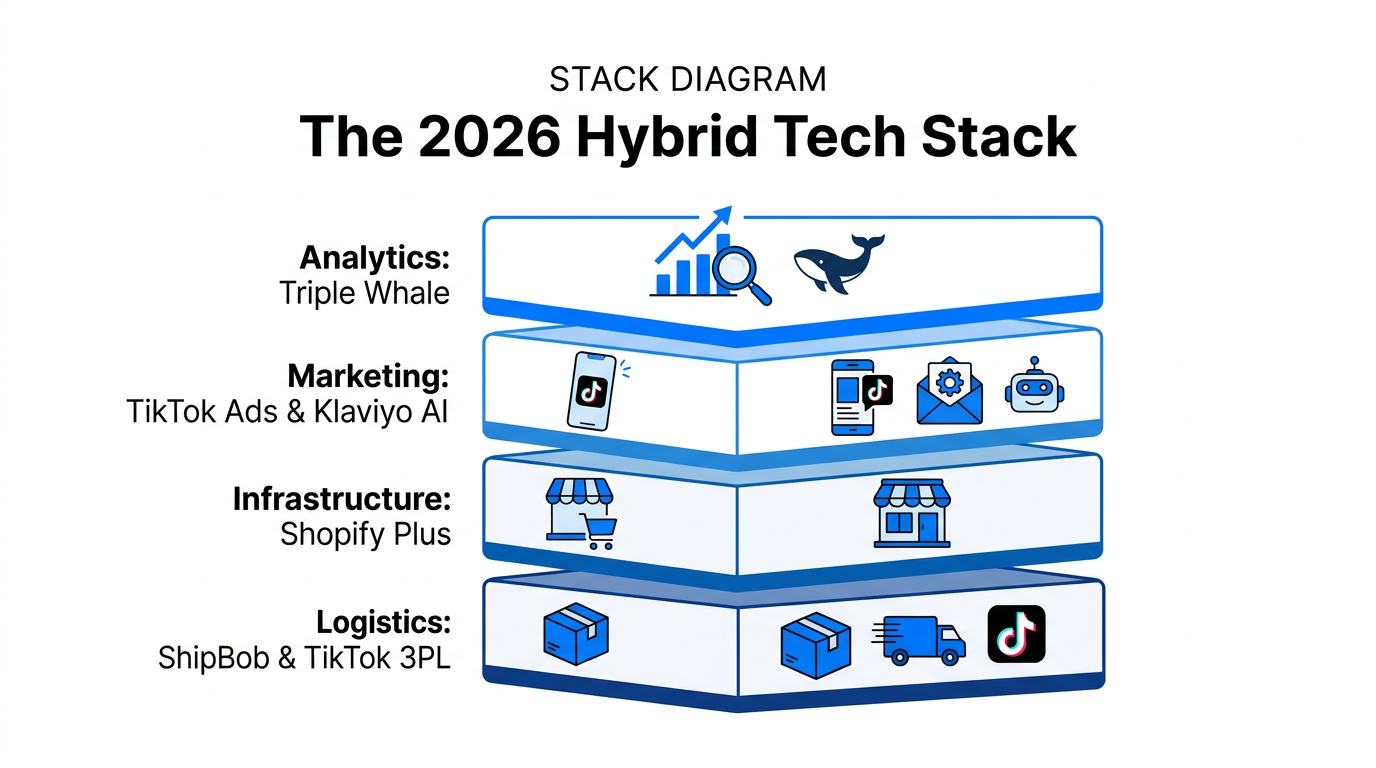
To execute the hybrid ecommerce model effectively, you need a tech stack that scales with you. Your foundation should be Shopify, which integrates seamlessly with both dropshipping suppliers and private label 3PLs. For marketing automation, Klaviyo remains the industry leader for email and SMS, helping you retain the customers you acquire via TikTok.
Managing influencer relationships at scale is the biggest bottleneck for growing brands. This is where Stormy AI becomes indispensable. Its AI agent can discover, outreach, and follow up with creators on a daily schedule, ensuring your TikTok influencer marketing for ecommerce runs on autopilot while you focus on manufacturing and logistics. For private label research specifically, Jungle Scout remains the gold standard for analyzing competitor data on marketplaces like Amazon.
Conclusion: Building for Long-Term Equity
The TikTok Shop marketing strategy for 2026 is no longer about short-term wins, but about building long-term equity through the hybrid model. By validating with dropshipping and scaling with private label, you create a resilient brand that survives algorithm shifts and rising ad costs.