Building a consumer mobile app that reaches the top of the App Store charts used to require millions of dollars in venture capital and massive engineering teams. However, a new wave of solo founders and lean teams are proving that with the right mobile app growth framework, you can scale to seven figures in monthly recurring revenue (MRR) using little more than a clever brand and strategic organic seeding. One of the most successful architects of this new era is Hunter Isaacson, the mind behind viral sensations like NGL, which amassed over 250 million downloads, and Bags, a crypto-native consumer experience that captured the attention of the Solana ecosystem. In this deep dive, we break down Isaacson’s blueprint for building a consumer app business model that thrives on simplicity, community slang, and aggressive core action optimization.
The New Window for Consumer Startups
We are currently witnessing a unique window of opportunity in the consumer mobile app space. With the rise of consumer AI and the lowering costs of development, it is more feasible than ever to build a consumer startup strategy that generates real revenue from day one without giving up equity to VCs. Isaacson points to apps like Cal AI as the perfect modern example. They didn't reinvent the wheel; they took a classic utility—calorie tracking—and packaged it into a "stupid simple" AI-first experience. By focusing on a frictionless onboarding funnel and partnering with creators on TikTok, they achieved massive MRR quickly.
The shift is moving away from complex, multi-feature platforms and toward singular, high-value utilities that feel more like a habit than a tool. Whether it's a prayer app like Hallow, which dominates the spiritual niche with daily content, or a social widget like Locket, the winners are those who identify a new "Wild West" within the ecosystem—such as iPhone lock screen widgets or live activities—and claim the territory first.
The 'Simple Brand' Framework: Slang as an Asset
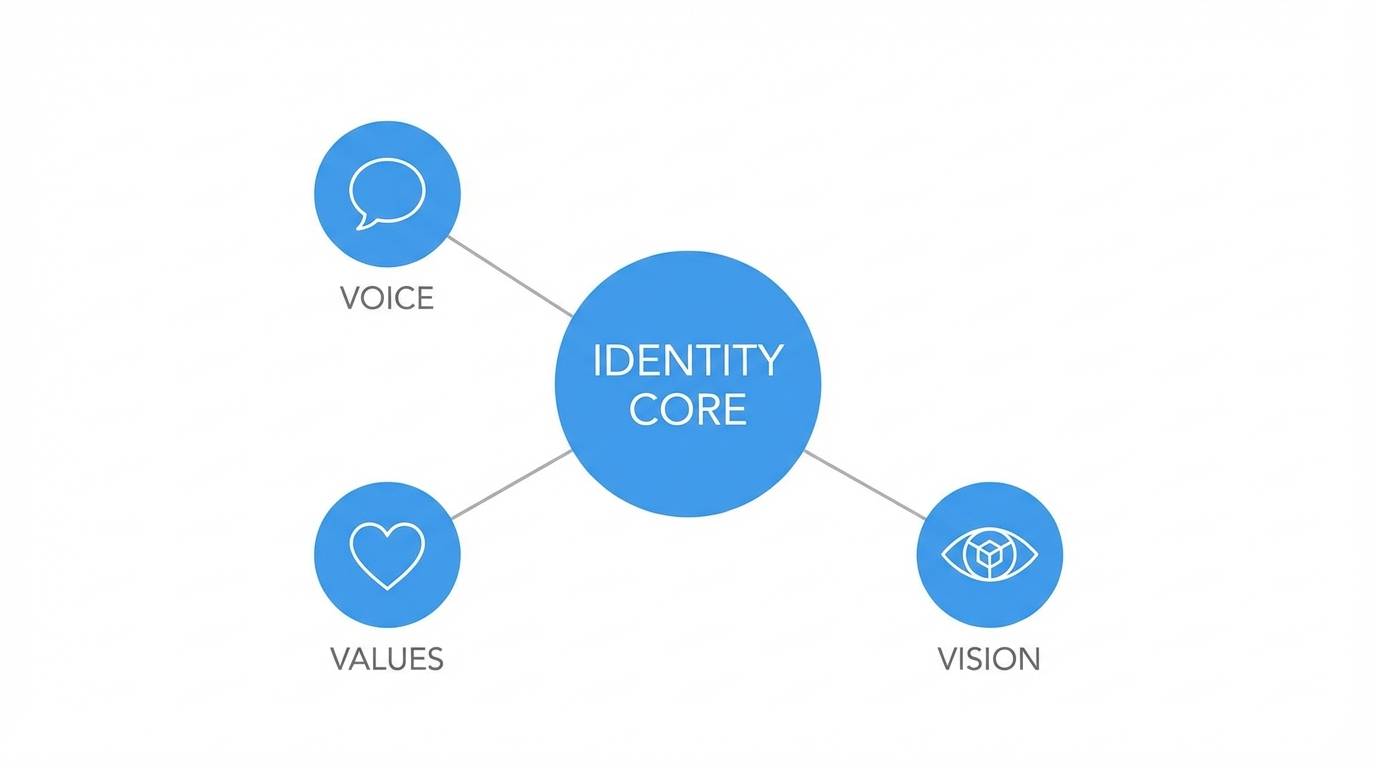
One of the most overlooked parts of Isaacson’s success is his branding strategy. He doesn't choose names that sound like traditional corporations; he chooses one-word names and community slang that young audiences already use. Names like Wink, NGL (Not Gonna Lie), and Bags (a term for crypto holdings) are intentionally colloquially driven. This strategy reduces the cognitive load on the user; they don't have to learn what the app does—the name already implies the vibe.
When your app name is a term people already use in their group chats, you gain an unfair advantage in organic discovery. For instance, NGL capitalized on the universal desire for anonymous feedback by using a term that Gen Z already associates with "telling the truth." This makes the brand feel like a friend rather than a product. To replicate this, Isaacson suggests looking at specific communities and identifying the words they use to describe their core actions. If you can own that word, you can own the market.
Defining a 'North Star Metric' for 90% Completion
A critical component of any mobile app growth framework is the startup north star metric. For Isaacson, this isn't just about "active users" or "downloads." It’s about the percentage of users who complete the single most important action within their first 24 hours. According to product growth experts, identifying a North Star Metric is essential for long-term retention. The goal should be 90% completion of this core action. If your users aren't hitting this mark, your onboarding is too complex or your value proposition is unclear.
- For Wink: The North Star was the percentage of users who got a match on day one. They optimized algorithms specifically to ensure new users felt the dopamine hit of a connection immediately.
- For NGL: The metric was the percentage of users sharing their link and posting at least three replies to their story.
- For Bags: The focus was on how many people funded their account and made their first trade on the first day.
By orienting every product decision around this one metric, you eliminate the "branching journey" problem. If a new feature doesn't directly increase your North Star completion rate, it doesn't belong in the V1. This level of focus is what allows a lean team to out-execute a large company that is distracted by too many KPIs.
Building a Bare Bones MVP: Single-Player First
Before an app can become a social network, it must be a single-player utility. Isaacson argues that you should build for the "daily driver" experience first. Look at Hallow; it succeeded because it provided immense value as a private, meditative tool before it ever introduced community challenges. You need to solve a problem for one person sitting alone in their room before you can expect them to invite their friends.
Using design tools like Figma, Isaacson solo-designs his apps to ensure the user interface is as stripped-back as possible. The MVP should be just enough to solve the core problem but rough enough that you're slightly embarrassed by it. The purpose of the MVP isn't to be perfect; it's to test content formats. Even before the app is live, you can use pre-order pages to see if your marketing hooks resonate on social media. If people won't click a link to a landing page, they certainly won't download the app.
Transitioning from Single-Player to Multiplayer

Once you have a high percentage of users completing the core action as individuals, you introduce growth loops. This is where the app becomes "multiplayer." The most effective loops are those where the user must share the app to get more value out of it. The K-factor, or virality coefficient, determines how fast these loops scale. For Locket, the widget was useless unless you had a friend to send photos to. For NGL, the growth was tied to Instagram's link sticker feature. When Instagram opened link stickers to all users, NGL was ready to capitalize on it, turning every user's Instagram Story into a billboard for the app.
Tools like Stormy AI can help source and manage the UGC creators needed to kickstart these loops. By using AI-powered search to find influencers in specific niches—like "fitness creators in LA" or "crypto enthusiasts on TikTok"—you can seed the app in tight-knit communities where word-of-mouth travels fastest. This "seeding" process is vital; NGL spent less than $10,000 on marketing to achieve 250 million downloads by focusing on high-leverage creator partnerships rather than massive ad spend.
The 5-Step Checklist for a Viral App Launch

If you want to scale an app to 1 million MRR, you need a repeatable process. Hunter Isaacson’s playbook can be distilled into these five actionable steps:
Step 1: Identify a High-Traffic Channel
Don't just build an app; build a channel-first experience. NGL was built for Instagram Stories. Bags was built for X (Twitter) and the Solana community. Find where your audience is already hanging out and build the app to live within those existing behaviors.
Step 2: Create a Slang-Based Brand
Choose a name that is one syllable or a common acronym. Use Figma to design a high-contrast, memeable icon. The goal is to make the app look like it belongs on a teenager's home screen, not in a corporate boardroom.
Step 3: Seed with Organic Content
Find 50-100 micro-influencers to post about the app. Don't go for the biggest names; go for the ones with the highest engagement. Research shows that micro-influencers often drive better conversion rates for niche products. You are looking for that one viral video that triggers the algorithm. Using an AI tool like Stormy AI allows you to discover these creators and automate personalized outreach, ensuring you get the most at-bats with the least effort.
Step 4: Optimize the North Star
Monitor your data. If users are dropping off before completing the core action, shorten the funnel. Aim for a 90% success rate for new users within their first hour of use. Remove all barriers, including mandatory accounts or complex tutorials, if they hinder this metric.
Step 5: Apply Pressure to the Loop
Once you see the K-factor (virality coefficient) increasing, double down. Invest more in the creators that worked and introduce sharing rewards or "invite gates" to force the multiplayer experience. This is the stage where you transition from a small project to a consumer startup strategy that can sustain seven-figure revenue.
The Future: AI, Crypto, and Hardware
Looking ahead to late 2025 and 2026, the consumer app business model is evolving. Isaacson is particularly bullish on the intersection of consumer crypto and AI. As regulation becomes clearer, apps that make crypto "invisible"—meaning the user doesn't even realize they are using a blockchain—will dominate. He also anticipates a shift toward local AI models running directly on phones, allowing for more private and faster "virtual pet" or "AI friend" experiences, similar to what Pangu is doing with interactive characters.
Ultimately, the advice for young founders is simple: take more swings. Consumer tech is a game of at-bats. By focusing on single-player utility, simple branding, and aggressive core action optimization, you can build a business that doesn't just survive but goes giga-viral in the modern attention economy. Whether you're tracking calories or praying, the framework remains the same: keep it simple, keep it social, and keep it fast.
Conclusion: Building Your Blueprint
Scaling a mobile app to $1 million MRR is no longer a mystery reserved for Silicon Valley insiders. By following Hunter Isaacson's blueprint—Brand, Simplicity, and Core Action—founders can bypass the traditional VC route and build profitable, world-changing products. Remember to start with a single-player habit, identify your North Star Metric, and use organic channels like TikTok and Instagram to seed your growth. With the right mobile app growth framework and a focus on authentic, slang-driven branding, your app could be the next one to capture the world's attention.