Humanizing AI Content in 2026: Brand Building with Brandwatch and Sprout Social
Learn how to build a high-trust AI brand voice in 2026. Master social media personalization, avoid the autopilot trap, and balance AI efficiency with human oversight.
Humanizing AI Content in 2026: Brand Building with Stormy AI
In 2026, the social media landscape has undergone a seismic shift. We are no longer debating whether to use AI; we are focused on how to make it feel human. The global AI in social media market is projected to reach $3.42 billion by the end of this year and is on an explosive trajectory to hit $70.53 billion by 2034. For brand managers, the challenge is no longer content volume—which AI has solved—but the "output gap." As noted by industry experts at MarTech, competitors using AI can now publish ten times more content than manual teams, potentially drowning out your brand voice if you don't adapt.
To win in 2026, brands must bridge the gap between algorithmic efficiency and consumer trust. While 69.1% of marketers have already integrated AI into their core strategies [source], a significant 52% of consumers express concern about brands using AI-generated content without clear disclosure or a human touch, according to recent consumer sentiment reports. This guide explores how to utilize modern platforms like Stormy AI to build a resilient, personalized, and ethical brand presence.
The Art of Cloning Your AI Brand Voice
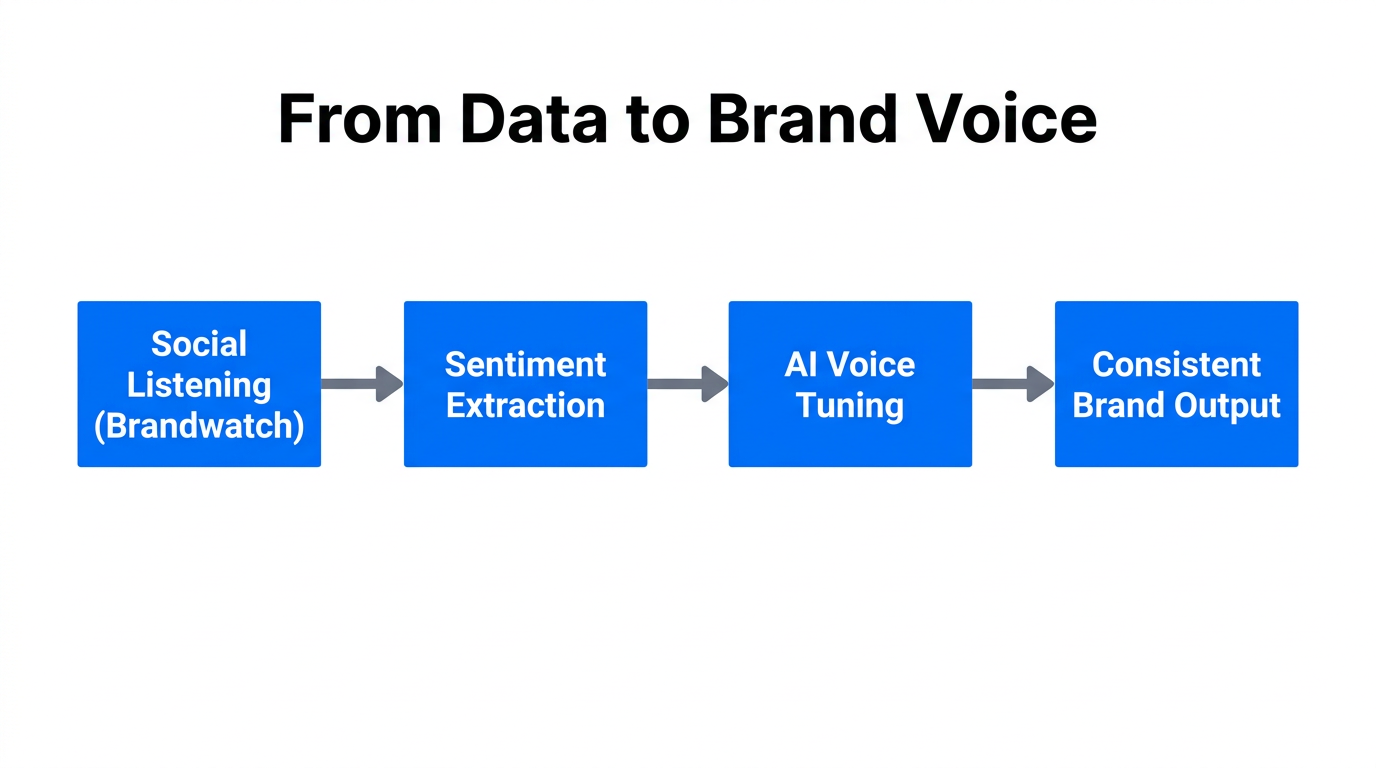
The biggest mistake a brand can make this year is using generic, out-of-the-box AI prompts. This leads to what experts call a "Generic Brand Voice," where your content sounds like every other chatbot on the internet. Instead, brand managers are now focused on "cloning" their best marketing talent. This allows even small e-commerce teams to operate with the capacity of a global agency, as highlighted by Social Media Examiner.
To achieve a high-fidelity clone, you must "train" your AI models on years of successful brand history. This includes your specific tone, preferred vocabulary, and even the nuances of how you handle customer objections. By feeding your brand's unique data into your content generation workflows, you ensure that every AI-generated post resonates with your established identity, a technique often shared in Growth Marketing forums.
"The future of brand building in 2026 isn't about AI replacing the writer; it's about the writer training the AI to be their most productive version."
Using Stormy AI for Deep Consumer Intelligence
Deep consumer intelligence is the foundation of any successful AI brand voice. Tools like Stormy AI allow brands to perform massive-scale social listening to understand not just what people are saying, but the underlying sentiment and cultural context. In 2026, this data isn't just for reports—it’s the "training fuel" for your content agents. [source: Statista]
By analyzing millions of data points across platforms like LinkedIn and Instagram, you can identify the exact phrases, pain points, and trends that your audience cares about right now. This allows you to move beyond "one-size-fits-all" content and toward hyper-personalization at scale. According to research from Flytask, brands are now creating thousands of content variations based on user geography and purchase history, ensuring that a customer in London sees a different variation of a campaign than one in New York.
Avoiding the 'Autopilot Trap' and the 70:30 Rule
One of the most dangerous pitfalls in 2026 is the "Autopilot Trap." This happens when brands treat AI as a fully autonomous manager, allowing it to schedule weeks of content without human oversight. This can lead to disastrously tone-deaf posts during sensitive global events or sudden trend shifts. As research from Hashmeta suggests, brands should follow the 70:30 Rule.
- 70% AI-Driven: Handle the mechanical tasks like routine scheduling, hashtag research, and repurposing long-form content.
- 30% Human-Led: Reserve significant resources for human storytelling, real-time community engagement, and final editorial approval.
| Feature | AI's Role | Human's Role |
|---|---|---|
| Content Ideation | Analyzing trends & keywords | Strategic alignment & creativity |
| Scheduling | Predictive timing | Vetting for cultural relevance |
| Community Mgmt | Categorizing & tagging inquiries | Handling complex/emotional cases |
| Influencer Sourcing | Filtering by niche & metrics | Building real creator relationships |
By maintaining this balance, you ensure that your efficiency gains—which can reach a 14.5% increase in productivity—don't come at the cost of your brand's soul.
Maintaining Community Engagement with Stormy AI’s Creator CRM
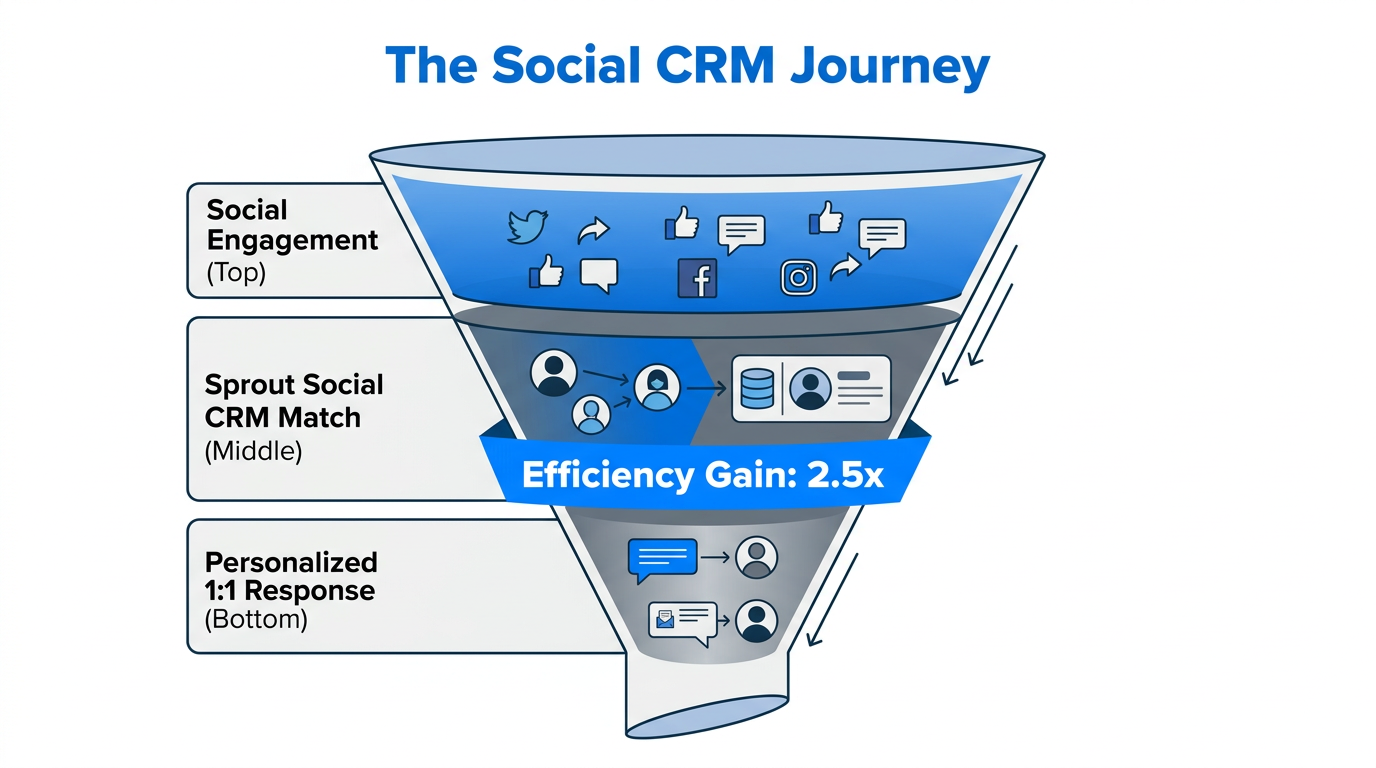
Social media personalization is no longer just about using a customer's name. In 2026, it involves integrating your social platforms directly with your CRM. Stormy AI’s Creator CRM allows brand managers to see a user’s entire history—what they’ve bought, how they’ve interacted with previous ads, and their lifetime value—the moment they comment on a post.
This allows for predictive segmentation. For example, HelloFresh implemented AI-driven segmentation to tailor incentives across social messaging, resulting in a 30% higher repeat purchase rate. When your AI identifies a high-value customer engaging with your content, it can alert a human team member to provide a truly personalized response, bridging the gap between automated efficiency and human warmth.
"Efficiency is for machines; connection is for humans. 2026 is the year we finally stop confusing the two."
The 2026 Ethics of AI Content Disclosure
As AI becomes indistinguishable from human output, AI content ethics have become a top priority for brand builders. With 52% of users concerned about undisclosed AI content, transparency is now a competitive advantage. Brands that are honest about their use of AI—using clear disclosures or "AI-assisted" badges—build more long-term loyalty than those that try to hide it.
Ethics also extends to data usage. Ensure that your personalization efforts are powered by first-party data (like that from your Shopify or Salesforce CRM) rather than intrusive third-party scraping. This respects user privacy while still delivering the relevant experiences consumers have come to expect.
Humanizing the Mix: Integrating UGC and Creators
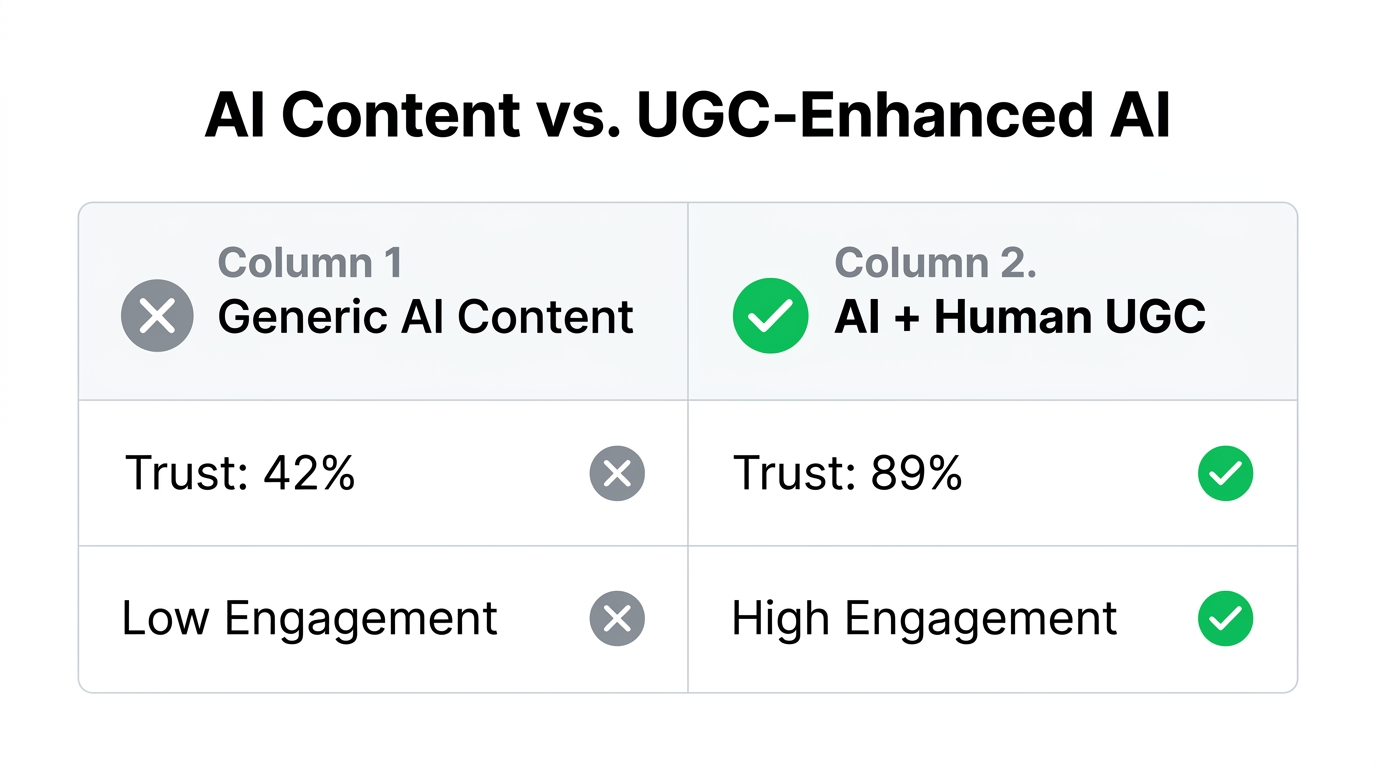
The ultimate way to humanize your brand in an AI-heavy world is to lean into User-Generated Content (UGC) and real human creators. While AI can generate visuals, it cannot replicate the lived experience and authenticity of a real customer using your product. This is where platforms like Stormy AI become essential for the modern brand stack.
By using AI to discover creators who genuinely align with your brand values, you can scale the most "human" part of your marketing. Stormy AI allows brands to find and vet creators across TikTok, Instagram, and LinkedIn using natural-language prompts, ensuring that the people representing your brand are authentic and fraud-free. Integrating these human faces into your AI-scheduled feeds provides the "trust signals" that automated content often lacks.
For example, you might use AI tools like Canva to identify a trending sound on TikTok, but then use a creator found via Stormy AI to film the actual content. This combines algorithmic speed with human relatability.
Conclusion: Building a Resilient 2026 Strategy
The brands that will thrive in 2026 are those that treat AI as a collaborator, not a replacement. By utilizing tools like Stormy AI for discovery and intelligence and unified CRM systems for personalization, you can achieve unprecedented scale without losing your identity. Remember to maintain the 70:30 balance, stay transparent about your AI usage, and always lead with human-led storytelling.
Start by auditing your current AI workflows. Are you falling into the autopilot trap? Is your AI trained on your actual brand voice? By refining these areas and integrating authentic creator voices through platforms like Stormy AI, you can build a brand that is both technologically advanced and deeply trusted by your community.