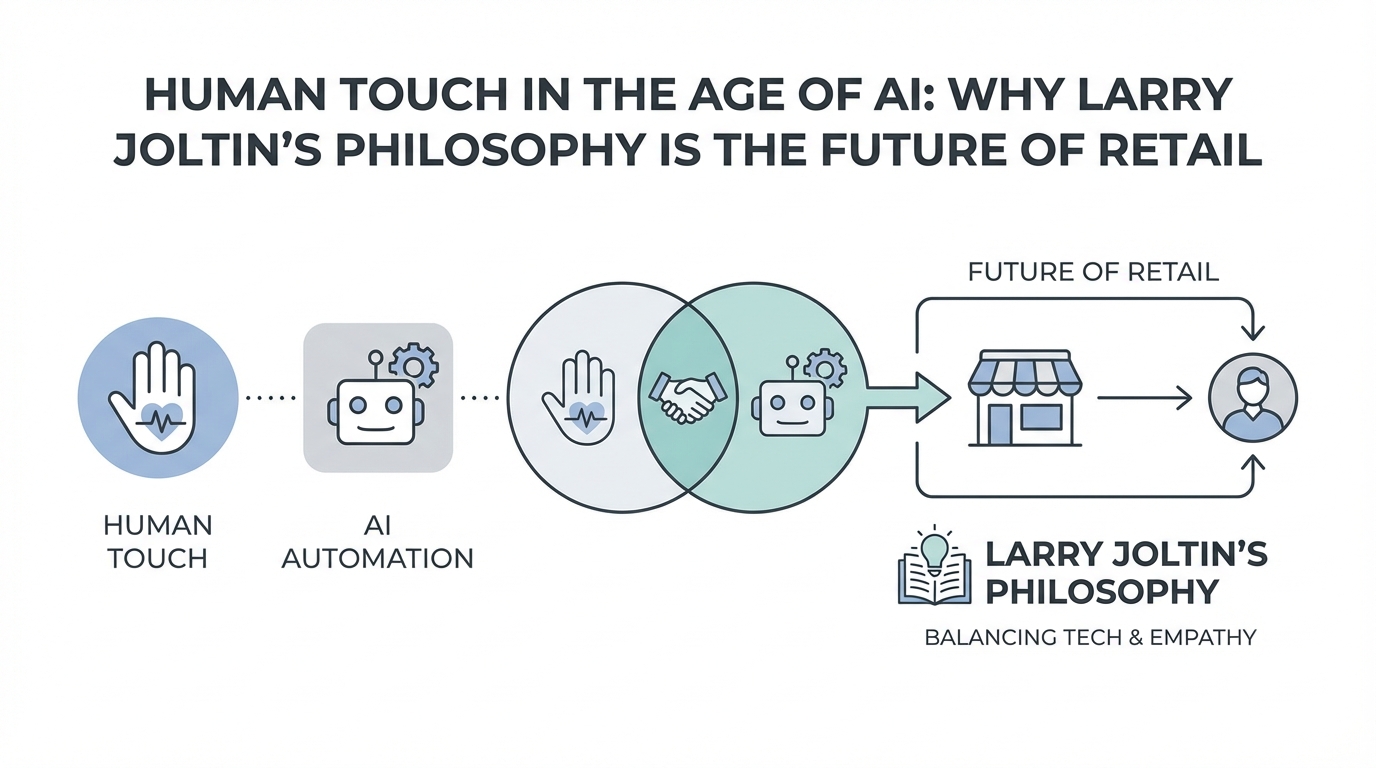
We are currently witnessing a paradox in the global marketplace. As artificial intelligence becomes more integrated into every facet of our digital lives, the value of the human connection has skyrocketed. After years of rapid-fire automation, 2025 has ushered in a profound era of AI fatigue in marketing. Consumers are no longer impressed by generic algorithms; they are starving for authenticity. According to recent research from Epsilon, a staggering 80% of consumers are more likely to purchase from a company that provides a tailored, human-centric experience. This shift isn't just a trend—it's a return to a philosophy perfected decades ago by a man who became a legend by simply caring more than his competitors.
The Rise of AI Fatigue and the Human Pivot


The honeymoon phase with basic automation is officially over. While AI can process data at speeds humans can only dream of, it often fails at the one thing that drives long-term brand equity: empathy. In 2025, the market is seeing a massive "human touch" resurgence. Data indicates that 69% of consumers still prefer phone or in-person support for complex issues over AI-driven "doom loops" that offer no escape to a real person. This isn't just about frustration; it's about the bottom line. When a customer feels like a number in a database rather than a human being, they leave. Qualtrics reports that 53% of bad experiences now result in customers immediately cutting their spending with that brand.
To combat this, leading retail trends 2025 suggest a move toward "Relationship Selling." This isn't about the quick win; it's about the lifetime value of the customer. Loyal customers are the lifeblood of sustainable growth, spending 67% more in their third year of a relationship than in their first six months, according to SellersCommerce. To understand how to achieve this level of loyalty, we have to look back at the gold standard of personalized service: Larry Joltin.
The Larry Joltin Empathy Model: More Than Just a Transaction

In 1983, a shoe salesman from Sharon, Pennsylvania, named Larry Joltin became a national sensation. Working at Reyers Shoe Store, Joltin wasn't just another clerk; he was a master of the human touch in business. His stats were staggering: he sold approximately $500,000 worth of shoes annually in a town of only 20,000 people. Adjusted for inflation, that is roughly $1.5 to $2 million in today’s currency. He won the National Shoe Retailers Association "Salesman of the Year" award by such a massive margin that the organization reportedly stopped giving the award for a period—he was simply unbeatable.
Joltin’s philosophy was deceptively simple: ethical closing. He famously refused to sell any pair of shoes that wasn't a perfect fit, even if it meant losing a high-value sale that day. This built an unbreakable wall of trust. He viewed every interaction not as a transaction, but as a "championship game." He worked through lunches, made house calls to deliver shoes on his own time, and treated the physical measurement of a foot as a ritual of care. As sales expert Amy Reczek notes, Joltin understood that while processes help you get there, personalization is what converts.
Strategic Automation: Preserving Human Capital for the "Championship Game"
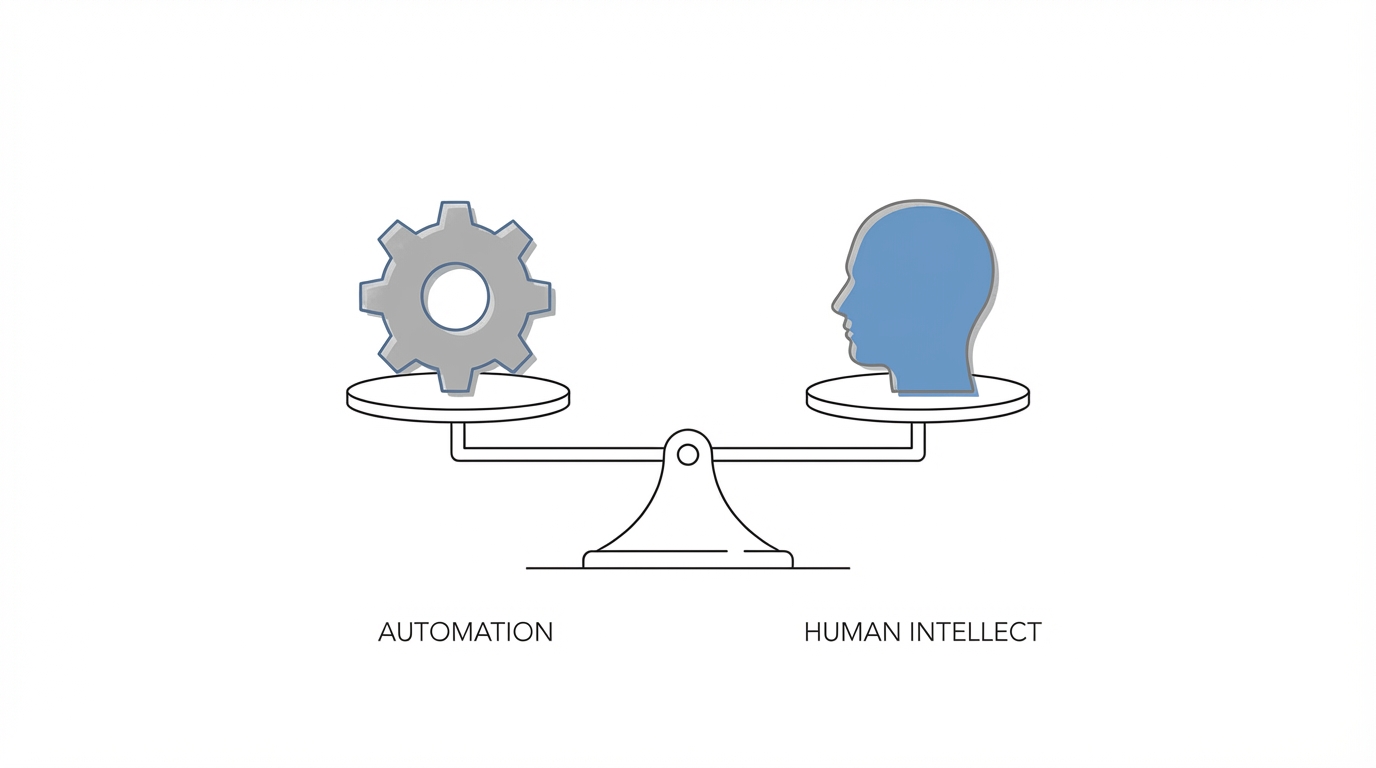
The lesson for modern retailers isn't to abandon AI, but to use it strategically. The goal is to automate the mundane so that your human team can focus on high-impact interactions. Experts at Zendesk emphasize that empathy and understanding are the only true differentiators left in an era where AI handles 95% of routine tasks. By offloading data entry, basic tracking, and routine queries to smart systems, brands can free up their staff to provide the kind of "wow" moments Joltin was known for.
For modern digital brands, this often means moving away from scripted bots and toward personalized retail marketing through human creators. In the digital space, User-Generated Content (UGC) acts as the modern-day Joltin. It provides the social proof and the "human face" that a sterile corporate ad cannot. Tools like Stormy AI allow brands to discover these authentic creators who can speak to their audience with genuine empathy, ensuring the brand maintains a human connection even at a massive digital scale.
Common Retail Mistakes Killing Brand Sentiment
Despite the clear data supporting a human-centric approach, many brands continue to fall into transactional traps. One of the most prevalent mistakes is focusing on price alone. While low prices might attract a first-time buyer, they do not foster loyalty. Data from The Retail Doctor and CustomerHero shows that positive experiences (+0.74 Net Sentiment Score) are what drive long-term retention, whereas treating customers like numbers leads to a rapid decline in brand value.
Another critical error is treating returns as "policies" instead of "experiences." Many brands make the return process a punishment for the consumer, resulting in a Net Sentiment Score (NSS) of -0.69. Larry Joltin viewed a potential return or a "no-sale" as an opportunity to build trust for tomorrow. Modern brands should view the return cycle as a chance to prove their commitment to the customer's satisfaction. When you over-rely on automation and fail to offer a "human out" when an AI fails to solve a complex problem, you risk creating AI fatigue in marketing that can alienate even your most loyal fans.
The Playbook for High-Touch Retail Success

To implement the Larry Joltin model in a modern environment, brands need a clear strategy that balances technology with the human touch in business. This playbook provides a roadmap for moving from transactional to relational success.
Step 1: Adopt the "Literal Fit" Rule
In a modern context, this means practicing Ethical Closing. If your product or service doesn't genuinely solve the customer's specific pain point, don't push the sale. This prevents churn and negative reviews, building "Sale for Tomorrow" trust. Use Consultative Selling techniques—instead of pitching features, ask the hard questions to find the real need, much like Joltin measuring every foot.
Step 2: Move from Reactive to Proactive Selling
Don't wait for the customer to come to you with a problem. Use your data to reach out before they even realize they have a need. According to Prokeep, proactive selling can result in a 17% daily increase in sales. Use your CRM to track milestones and personal preferences to make every outreach feel like a one-to-one conversation.
Step 3: Empower Your Staff to "Wow"
Take a page from the Zappos model. Their customer service reps have no time limits on calls and are empowered to solve problems without a script. Similarly, Nordstrom is legendary for empowering staff to go the extra mile, even if it means referring a customer to a competitor to find the right "fit." When you trust your employees to act like humans, they will treat your customers like humans.
Step 4: Leverage Digital Clienteling
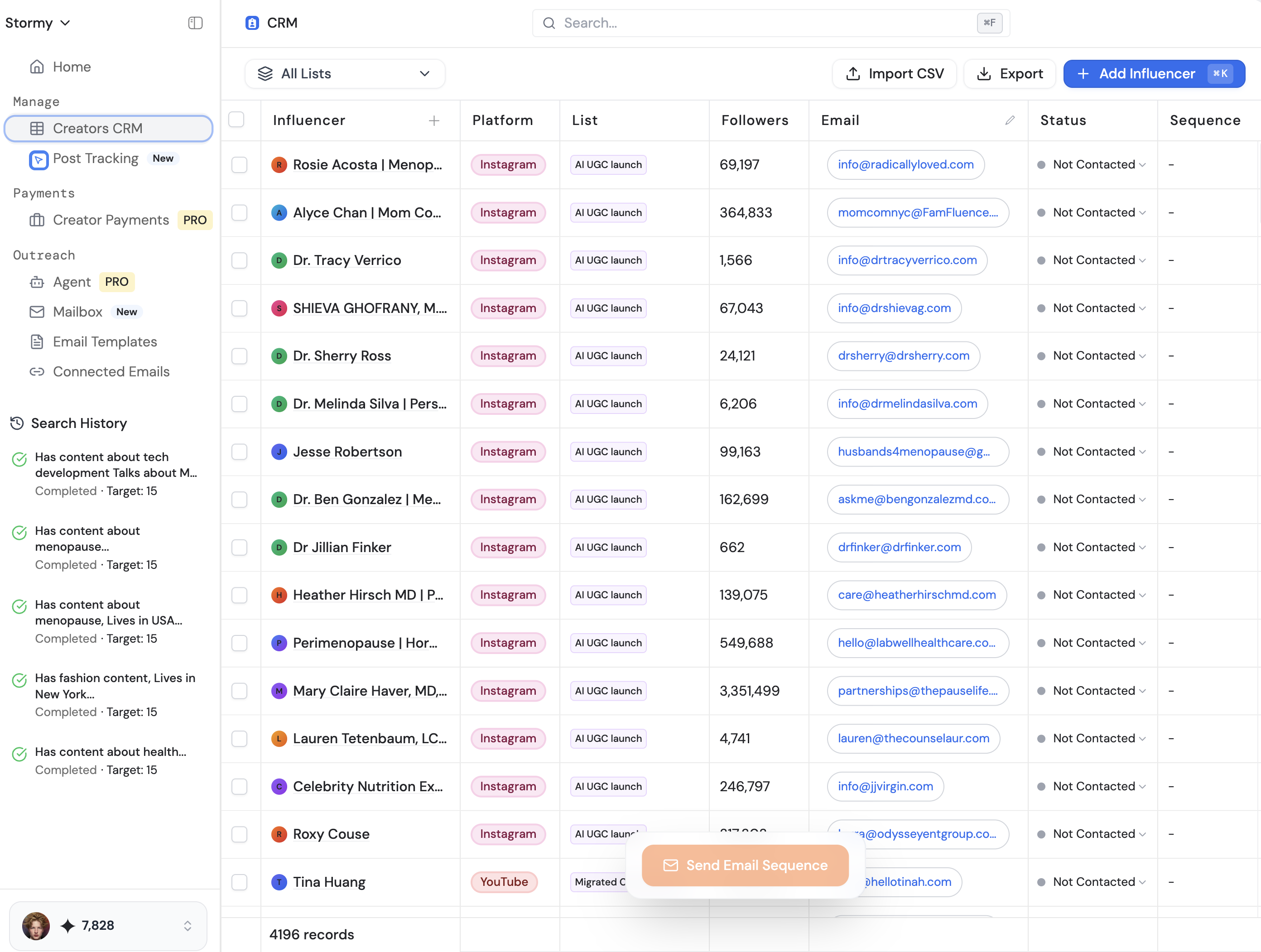
High-end retail now uses digital clienteling—sending personalized video messages or curated lists to individual clients via platforms like Shopify. To manage these relationships at scale, platforms like Stormy AI can help brands organize their outreach to UGC creators and influencers, ensuring every message feels hyper-personalized rather than mass-produced.
Conclusion: The Future of Retail is Human
The year 2025 marks a turning point where the most successful brands will be those that use technology to become more human, not less. Larry Joltin’s 1983 success story is more relevant today than ever. By focusing on customer service examples that favor empathy over efficiency, brands can overcome the growing AI fatigue in marketing and build lasting loyalty. As Mevrik notes, 60% of consumers are willing to pay more for brands they are loyal to. That loyalty isn't bought with a discount code; it's earned through the human touch in business. Whether you are measuring a foot in a physical store or managing a global campaign through personalized retail marketing, the goal remains the same: treat every interaction like a championship game, and never sell a shoe that doesn't fit.