In the high-velocity landscape of 2026, where viral trends dissolve in hours and AI-driven market shifts occur overnight, the most radical thing an entrepreneur can do is play the long game. We are currently living through an era of peak noise, where the pressure to 'scale at all costs' often leads to the same 'shooting yourself in the foot' errors that legendary investor Howard Marks has warned about for decades. To build a brand that survives multiple market cycles, we must look beyond the 2026 hype and toward the immutable principles of temperament, risk assessment, and consistency according to the latest marketing strategy reports.
Howard Marks, the co-founder of Oaktree Capital, has spent his career mastering the art of the cycle. His philosophy isn't just for bond traders; it is a masterclass in entrepreneurship strategy 2026. By adopting a clinical, unemotional approach to growth, founders can navigate the precarious highs of 2026's economic environment without succumbing to the 'South Sea Bubble' mentality that still plagues modern tech and e-commerce.
The 'General Mills' Effect: Why Consistency Trumps Heroic Greatness
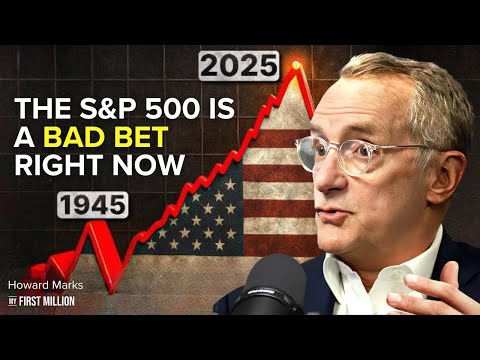 32:13
32:13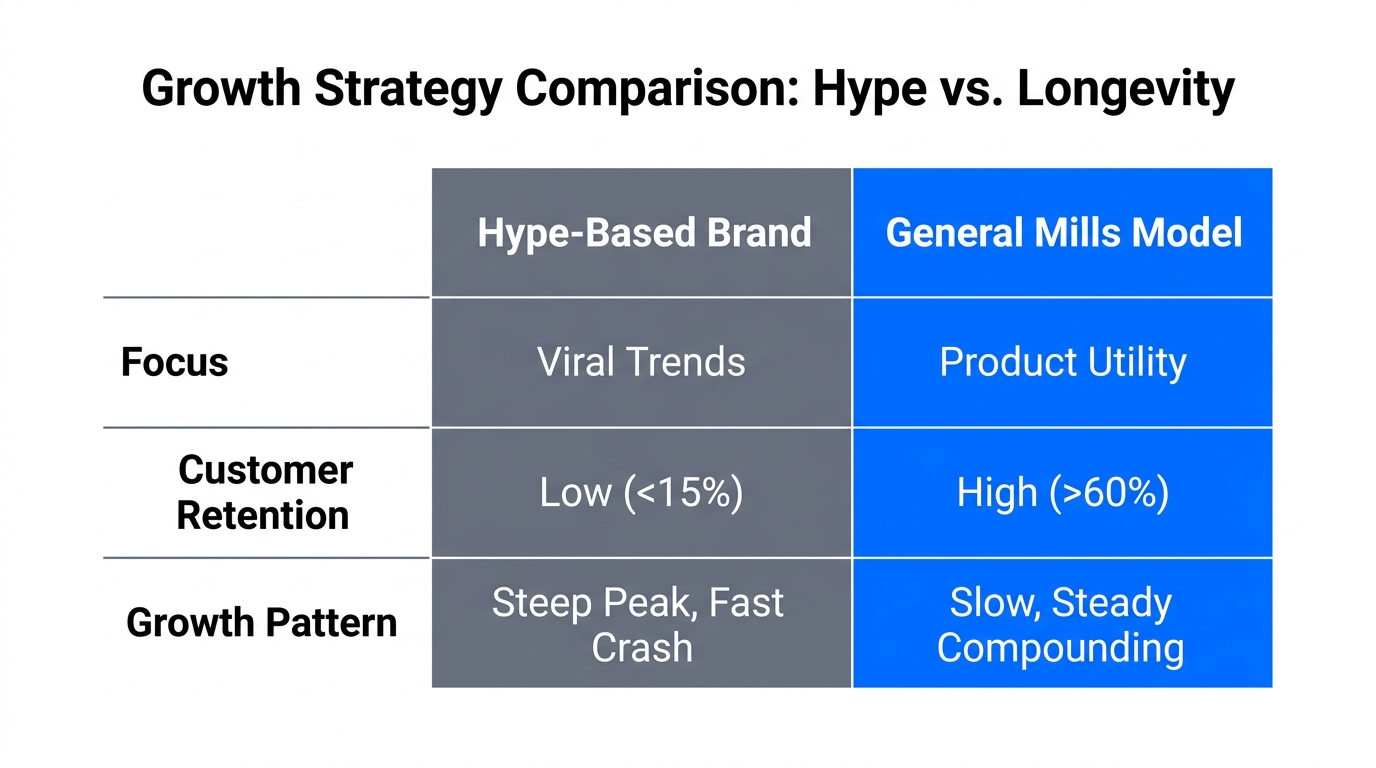
One of the most profound insights Marks shares comes from a 1990 memo regarding the General Mills pension fund. The fund's performance was never in the top 10% in any single year, yet over 14 years, it ranked in the top 4% of all funds. Why? Because they were consistently above average and avoided the bottom-quartile disasters that ruin long-term compounding.
For a founder focused on sustainable business growth, this is the 'General Mills' effect. In 2026, many startups burn out by trying to be the #1 performer in every quarter, leveraging aggressive TikTok Ads Manager spend and unsustainable customer acquisition costs. They aim for the 100th percentile and end up in the 0th percentile when the market corrects.
"If you can avoid the tendency to shoot yourself in the foot in a bad year, you can pop up to the top simply by surviving."
Building brand longevity requires the discipline to be 'second-quartile' consistently. This means maintaining steady growth through reliable channels like Google Ads and robust e-commerce foundations on Shopify, rather than pivoting the entire business model every time a new 'shiny tool' emerges. Success in 2026 is less about being a 'battlefield hero' and more about keeping the ball in play.
| Growth Strategy | Short-Term Result | Long-Term (10+ Years) | Risk Level |
|---|---|---|---|
| Hyper-Hype Scaling | Top 1% Growth | High Failure Rate | Extremely High |
| The General Mills Effect | Top 25-45% Growth | Top 5% Brand Equity | Low/Managed |
| Stagnation | Flat/Negative | Irrelevance | High |
Developing the 'Unemotional' Founder Temperament in 2026
18:31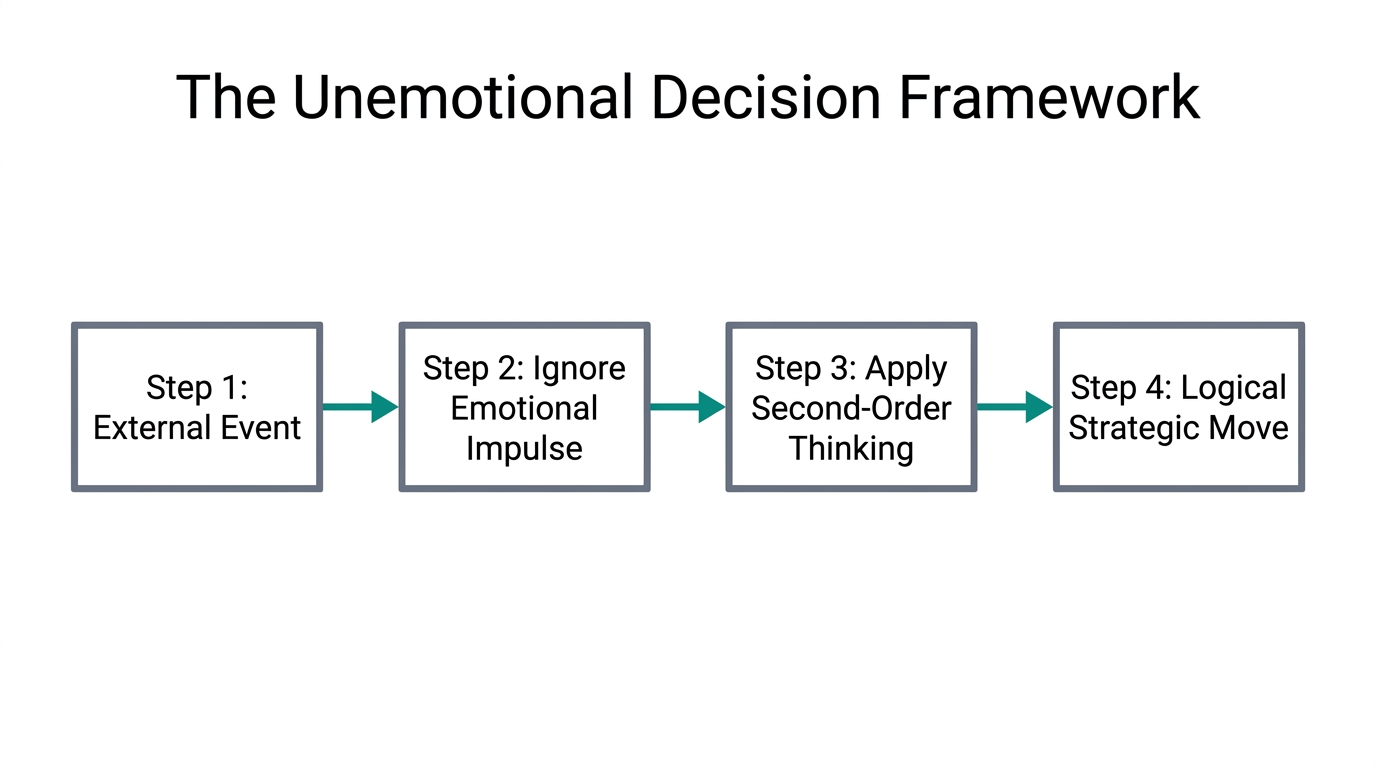
Marks often quotes Warren Buffett, noting that 'when others are carefree, you should be terrified.' In 2026, the founder mindset is tested by extreme sentiment swings. When the market is 'pro-risk,' founders often permit bad deals, over-hire, and ignore unit economics. Conversely, when the market is 'terrified,' they freeze, missing the opportunity to capture market share when acquisition costs are at their lowest.
To build a strategic brand building framework, you must be clinical. This means detaching your ego from the daily fluctuations of the market. If you are managing your company's growth via Meta Ads Manager, do you scale because the data supports it, or because you feel 'FOMO' seeing a competitor's viral post? Marks suggests that 'the riskiest thing in the world is the belief that there is no risk.'
This unemotional stance allows you to recognize where we stand in the cycle. If everyone is quitting their jobs to become day traders or 'AI influencers' (reminiscent of the Bubble.com memo of 2000), it is likely time for prudent diversification and defensive positioning. Using tools like Stormy AI to maintain a rigorous creator CRM and predictable collaboration pipeline is more valuable than chasing the latest 2026 fad.
Avoiding the 'Falling Knife': How to Scale Without Self-Destruction
10:51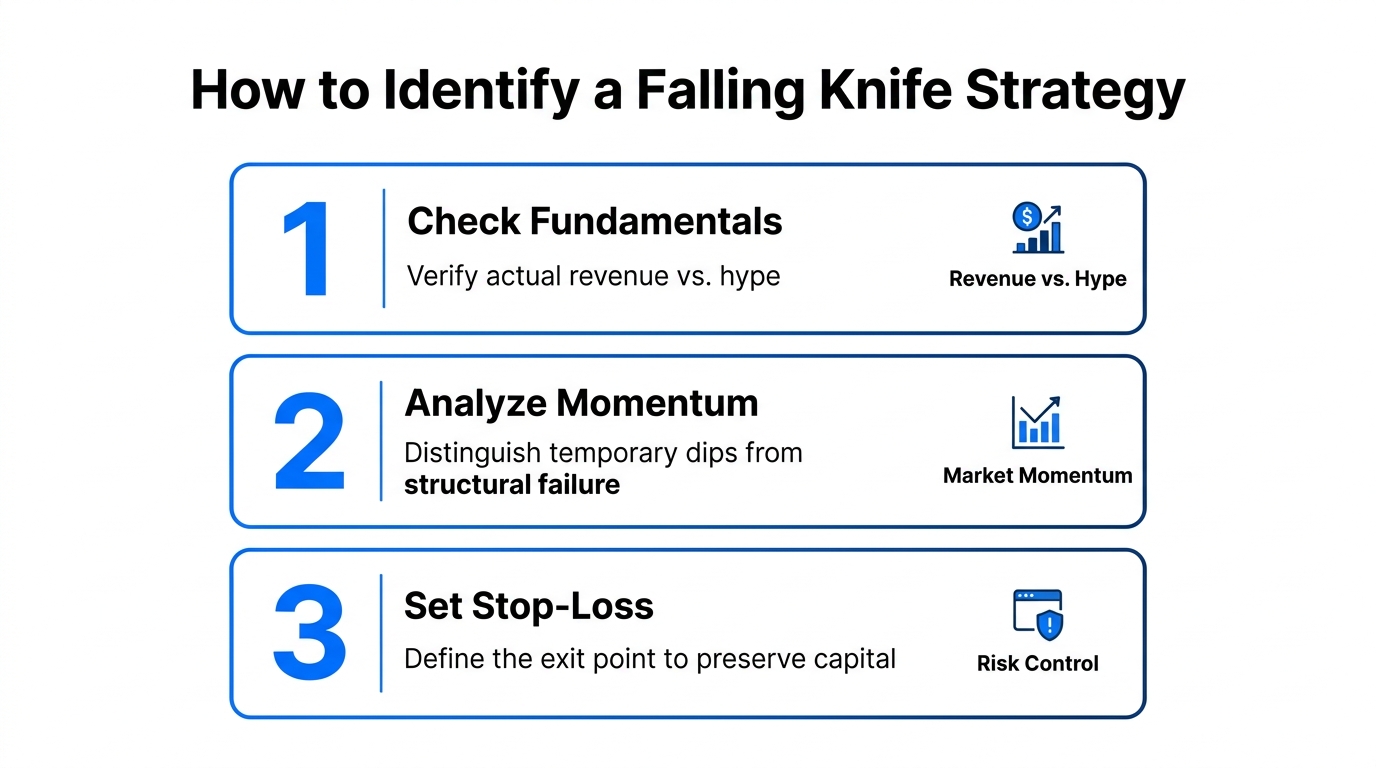
Scaling a startup is often described as 'catching a falling knife.' Marks argues that you make 'the big money catching falling knives carefully.' In an entrepreneurship context, this means identifying when a marketing channel or a product niche is undervalued because of temporary fear, then moving in with aggressive clinical precision.
However, the most common error during the scale-up phase is shooting yourself in the foot. This happens when founders:
- Over-leverage on debt to fund vanity metrics.
- Ignore audience quality in favor of raw follower counts.
- Lose sight of 'The Most Important Thing'—the core value proposition.
In the realm of influencer marketing, for instance, many brands in 2026 waste millions on creators with fake engagement. Smart founders use platforms like Stormy AI to perform deep audience vetting and fraud detection before committing budget. By being 'risk-averse' in the discovery phase, they allow themselves to be 'risk-on' in the execution phase. This is the essence of entrepreneurship strategy 2026: being conservative where it counts so you can be aggressive where it pays.
"The norm is not the average. The S&P 100-year average is 10%, but it is almost never between 8% and 12% in any single year. Entrepreneurs must prepare for the extremes, not the average."
Mastering 'The Most Important Thing' in a Distracted Market
30:31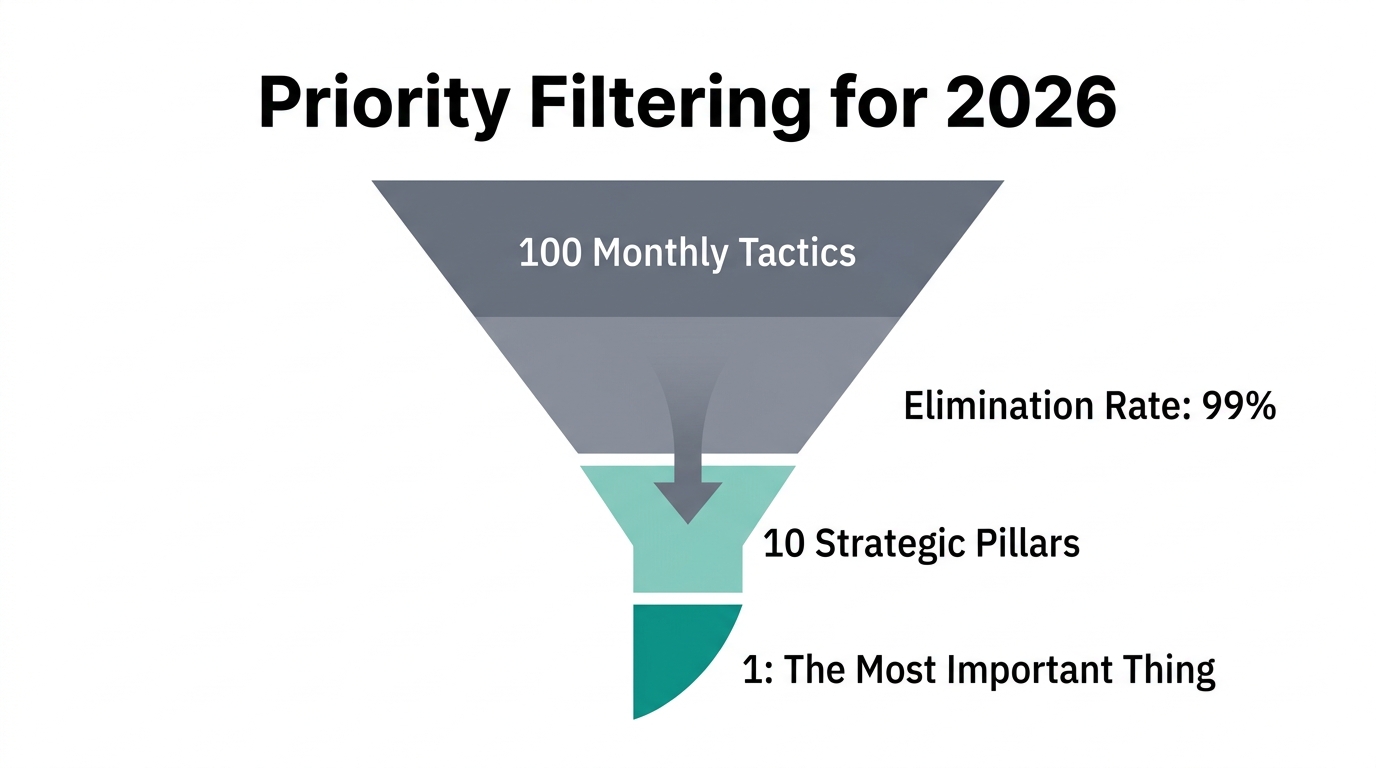
In his book The Most Important Thing, Marks emphasizes that success comes from second-level thinking. First-level thinking says: 'This is a great product, I should sell it.' Second-level thinking asks: 'It’s a great product, but is everyone else already selling it, and is the price of entry too high for the expected return?'
In 2026, the 'shiny new tool' syndrome is a first-level thinking trap. Whether it’s a new generative AI feature or a niche social platform, the question isn't 'Can we use this?' but 'Does using this improve our odds of brand longevity?' Founders should focus on their 'appropriate normal posture'—the 65/35 or 55/45 split between aggressive growth and defensive preservation of capital.
Strategic rebalancing is key. If your customer acquisition costs on TikTok are sky-high because of a 2026 'bubble' in creator pricing, you must have the discipline to rebalance into 'bonds'—the reliable, higher-yield channels like organic SEO or email automation via Klaviyo.
Conclusion: The Path to 2026 Longevity
Building a brand in 2026 requires the 'unemotional' temperament of a 50-year veteran investor. By applying the Howard Marks philosophy—focusing on the General Mills effect, avoiding the 'falling knife' of unvetted scaling, and mastering second-level thinking—entrepreneurs can transcend the hype cycle.
True strategic brand building is simple, but as Marks says, 'it is not easy.' It requires saying no to the 'South Sea Company' ideas of the day and yes to the boring, compounding actions that lead to top-tier equity. Whether you are managing your creator relationships through Stormy AI or your finances through Stripe, the goal remains the same: Fewer losers, more winners, and a brand that rhymes with history.