The barrier to entry for building a million-dollar software business has officially collapsed. Gone are the days when you needed a four-year Computer Science degree or a six-figure budget to launch a high-performing mobile application. Today, we are entering the era of vibe coding—a philosophy where vision, aesthetics, and strategic AI prompting take precedence over manual syntax. This isn't just theory; it’s the exact methodology used by builders like Connor, a 23-year-old entrepreneur who recently built a mobile app from scratch in less than two weeks, scaled it to $20,000 in monthly recurring revenue (MRR), and won a global hackathon with over 55,000 entrants. This article provides the comprehensive technical and philosophical playbook to help you replicate that success using Claude, Cursor, and a high-velocity mindset.
The Shift from Traditional Development to Vibe Coding
In the traditional development world, perfection is the enemy of progress. Developers often spend months architecting the "perfect" database or refactoring code that users will never see. Vibe coding flips this script. It focuses on the user experience (UX) and the "vibe" of the product first, leaving the heavy lifting of code generation to large language models. The goal is to move from idea to Revenue Cat integration as quickly as possible.
Speed beats perfection in the AI era because the faster you ship, the faster you get real-world market feedback. Connor’s journey began not with a sophisticated tech stack, but with an old MacBook and a relentless drive to solve problems. His first social app took eight months and failed because it lacked a clear path to scale. By shifting his focus to utilities and tools—apps that solve specific, immediate problems—he was able to generate over $1 million in subscription revenue. This pivot highlights a crucial lesson for modern builders: use Cursor AI to automate the mundane and focus your energy on high-value tasks like conversion optimization and market fit.
Validating Your App Idea Without a Waitlist

Many founders get stuck in "analysis paralysis," trying to invent a completely new category. However, the most successful AI-powered apps are often modified versions of existing ideas. If an app already exists and is making money, the idea is already validated. Your job is to find a niche, improve the design, or optimize the onboarding flow. When researching new niches, platforms like Stormy AI for finding UGC creators and influencers can be incredibly helpful for identifying what types of content and apps are currently trending among creators and their audiences.
To validate a brand-new idea, look at platforms like TikTok and Instagram. Search for problems people are complaining about in the comments. Are they asking, "How do I solve this?" or "Is there an app for this?" If the answer is yes, you have a validated problem. In the current landscape of ai app development, you should skip the traditional weightlist phase. If you can build the core functionality in 72 hours using Claude, the app itself becomes your validation tool.
The Psychology of a High-Converting Onboarding
Connor’s playbook places an extreme emphasis on the onboarding sequence. In fact, 90% of your users will likely only ever see your onboarding if you have a paywall. If your onboarding fails to convert, the technical brilliance of your backend doesn't matter. To build a world-class onboarding, start by downloading at least 20 apps in your niche and taking screenshots of every single screen. Use Figma to lay these out in a single line, allowing you to synthesize the best elements of each into your own unique flow.
A successful onboarding sequence should follow these four principles:
- Invoke Emotion: Most consumer purchases are emotional, not logical. Make the user feel the pain of their problem and the relief of your solution.
- Show Strong Incentives: Clearly communicate how the app will improve their life within the first 30 seconds.
- Personalization: Ask questions that make the app feel tailored to the user’s specific needs, even if the underlying logic is relatively broad.
- Scientific Proof: Use charts, graphs, and social proof to make the app feel legitimate. People trust data-driven solutions.
The Vibe Coding Technical Stack
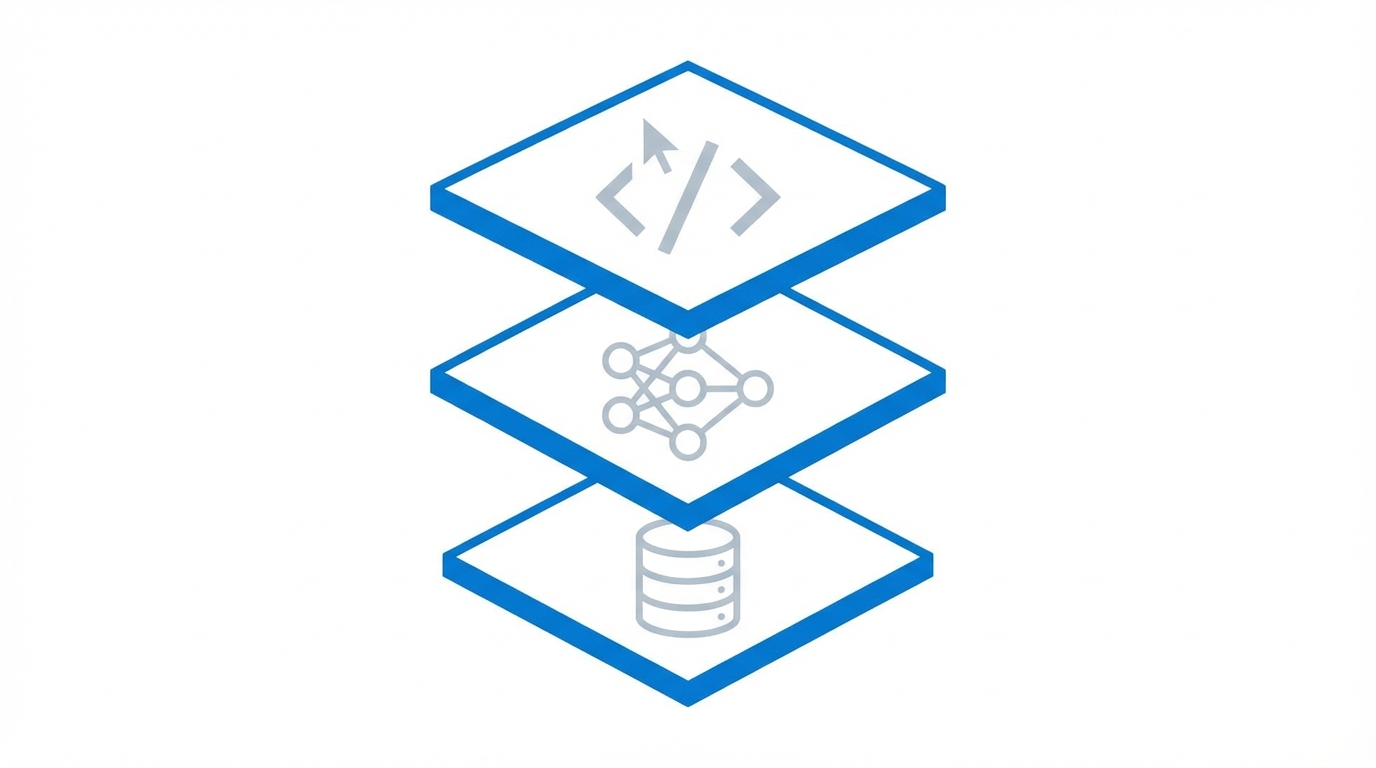
To build at this speed, you need a lean, modern stack that prioritizes cross-platform compatibility and automated deployments. You don't need to manage servers or write complex boilerplate. Here is the recommended stack for ai app development:
- Frontend & Logic: Cursor and Claude. Use these as your primary coding partners.
- Cross-Platform Management: Expo. This allows you to build for both iOS and Android simultaneously with a single codebase.
- Backend & Hosting: Vercel for web components and GitHub for version control.
- Analytics: Mixpanel to track user behavior and identify drop-off points in your onboarding.
- Payments: Revenue Cat for managing subscriptions, paywalls, and A/B testing price points.
The 'JSON-First' Methodology: Secret to AI Accuracy
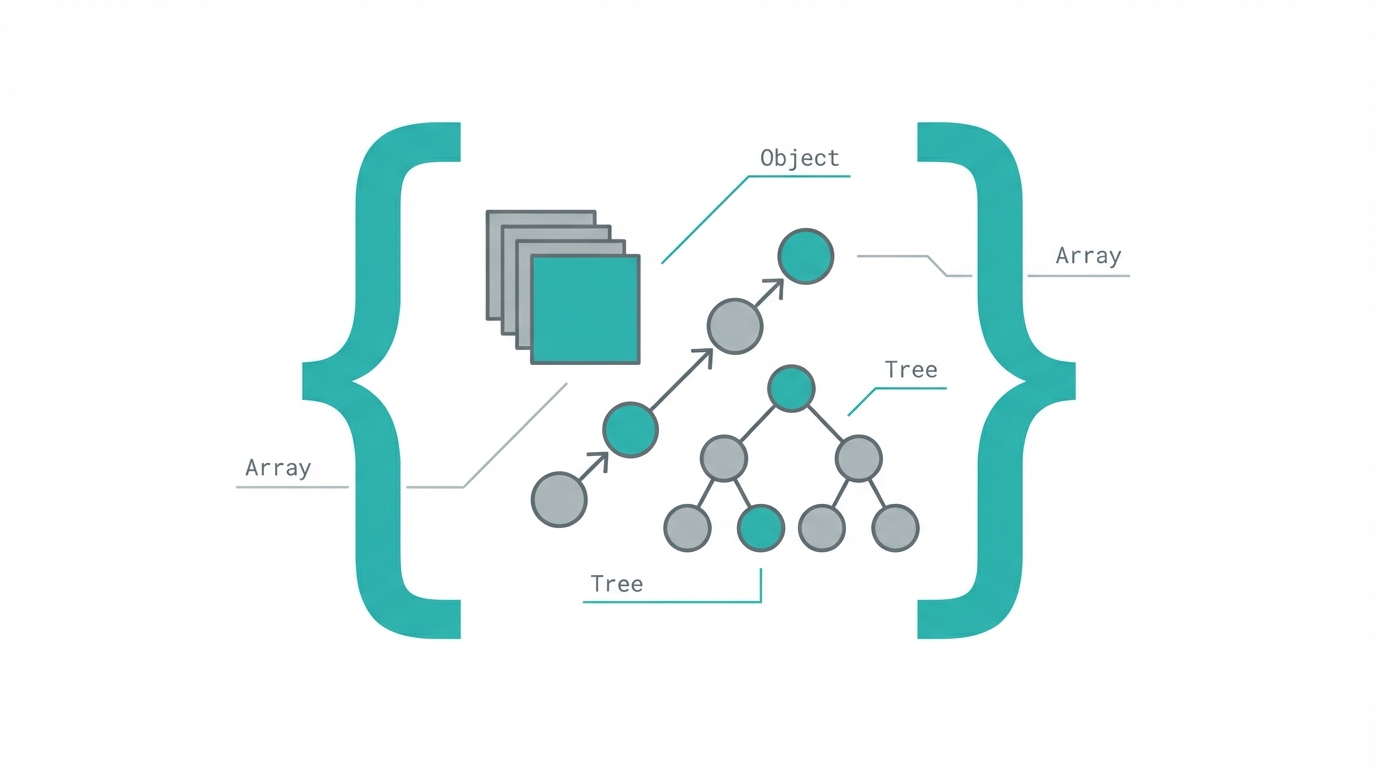
The biggest mistake people make when they build an app with ai is asking the AI to "build a fitness app" without context. AI performs best when it has a rigid structure to follow. Before writing a single line of React Native code, you must design your data structures. This is the 'JSON-First' methodology.
Create a text document that defines exactly what your data looks like. If you're building a lawsuit discovery app like Payout, your JSON might define a "Lawsuit" object with attributes like id, title, requirements, deadline, and claimAmount. By feeding this JSON schema into Claude first, the AI understands the shape of your application's logic. When you later ask it to build a UI component, it won't have to guess where the data is coming from or how it’s formatted. This drastically reduces the number of hallucinations and bugs you'll encounter during the build phase.
The 14-Day Build Playbook
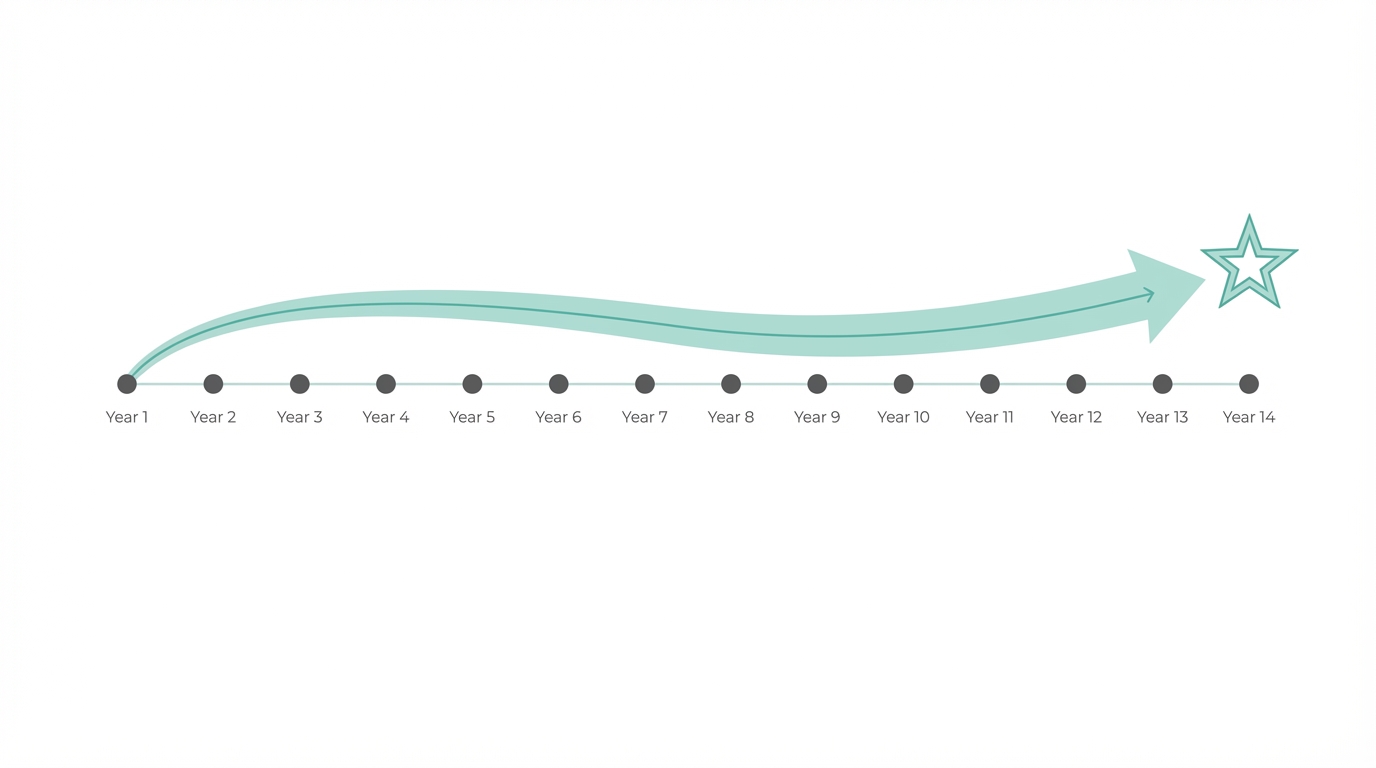
Building a $20,000/month app in 14 days requires extreme focus. You must ruthlessly prioritize the minimum viable product (MVP). Do not get bogged down in edge cases; focus on the core "happy path" that leads the user to the paywall.
Days 1-3: Research and UI Design
Spend the first three days downloading competitors, mapping out your onboarding flow in Figma, and defining your JSON data structures. Do not write code yet. Your goal is to have a visual map of every screen the user will interact with.
Days 4-7: Core Functionality Build
Open Cursor and start with the main feature of the app. If your app finds lawsuits, build the search and list functionality first. You can drop screenshots of your Figma designs directly into Claude-3.5-Sonnet, and it will generate the corresponding code. Don't worry about the onboarding yet—just make sure the core utility works.
Days 8-11: Onboarding and Paywall Integration
Now, build the onboarding sequence you designed in Step 1. Use Revenue Cat to set up your paywall. Connor recommends offering both a weekly and a yearly option, as the yearly option often provides the highest lifetime value (LTV) for the business. Ensure your paywall triggers at the moment of highest emotional intent.
Days 12-14: Deployment and Submission
Use Expo to package your app for the App Store and Google Play. Set up your GitHub repository to trigger deployments. Submit your app for review. While waiting for approval, start preparing your marketing materials.
Marketing: Scaling from 0 to $20K with UGC
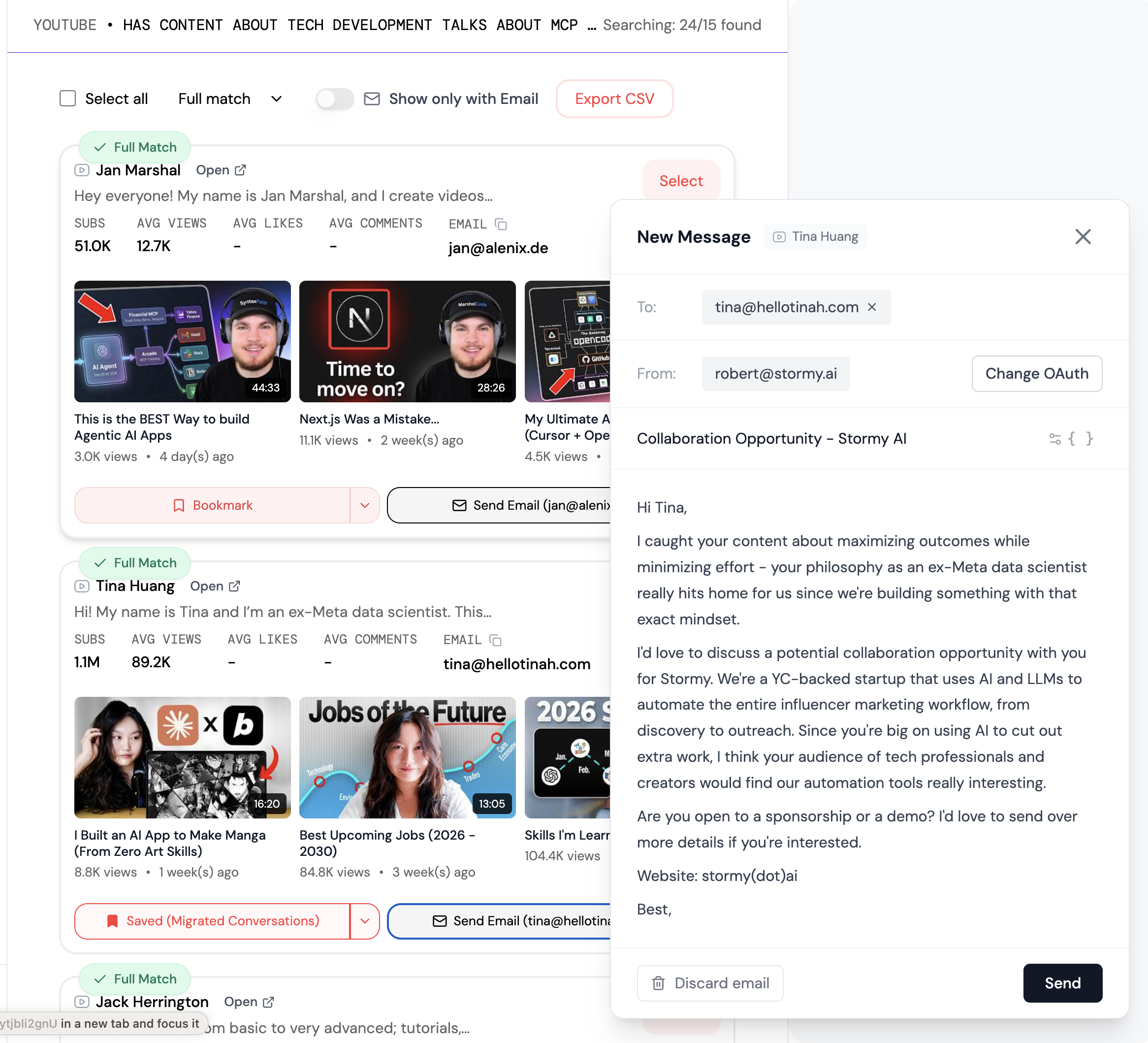
Building the app is only half the battle; distribution is where the revenue is made. For Payout, the breakthrough came from Influencer Campaigns and User-Generated Content (UGC). Organic content on TikTok can drive thousands of downloads, but it requires finding the right creators who resonate with your niche. This is where Stormy AI becomes essential—it is an AI-powered platform for creator discovery, especially for mobile app marketing and UGC campaigns, ensuring your message reaches the right audience without wasting ad spend. To automate this, you can use Stormy AI to handle personalized creator outreach and follow-ups automatically.
The goal of organic marketing is to find viral hooks. Once a specific video format starts performing well, you can double down by hiring more creators to replicate that format. This builds a library of assets that you can eventually move into Meta Ads Manager. Paid ads are the most consistent way to drive revenue growth, but they only work if your content is entertaining first and promotional second. Facebook's algorithm prioritizes videos that keep users on the platform, so your ads must feel natural and unprocessed.
The Path Forward for AI App Developers
Vibe coding is more than just a cursor ai tutorial; it’s a shift in how we perceive the act of creation. By leveraging tools like Claude for code generation and Stormy AI for creator discovery, the timeline for building a profitable business has been compressed from years to weeks. The 14-day timeline is aggressive, but as Connor proved, it is entirely possible with the right playbook.
The most important takeaway? Build something simple that solves a core human desire—making money, saving time, or improving health. Focus on an incredible onboarding, use AI to handle the technical complexity, and leverage UGC to drive growth. The tools are ready; the only thing missing is your execution. Start your 14-day clock today.