Most founders believe that launching a successful startup requires a massive capital injection, a fully-baked product, and months of secretive development. But Justin Mares, the founder of the nine-figure brand Kettle & Fire, proved that you can validate a world-class business idea for less than the cost of a nice dinner. By utilizing a market validation framework that prioritizes real-world data over assumptions, he transformed a $50 ad budget and a janky landing page into a $100M empire. If you have a list of startup ideas but aren't sure which one is worth your time, this lean playbook will show you exactly how to validate a business idea without risking your life savings.
Step 1: Gauging Macro and Micro Demand
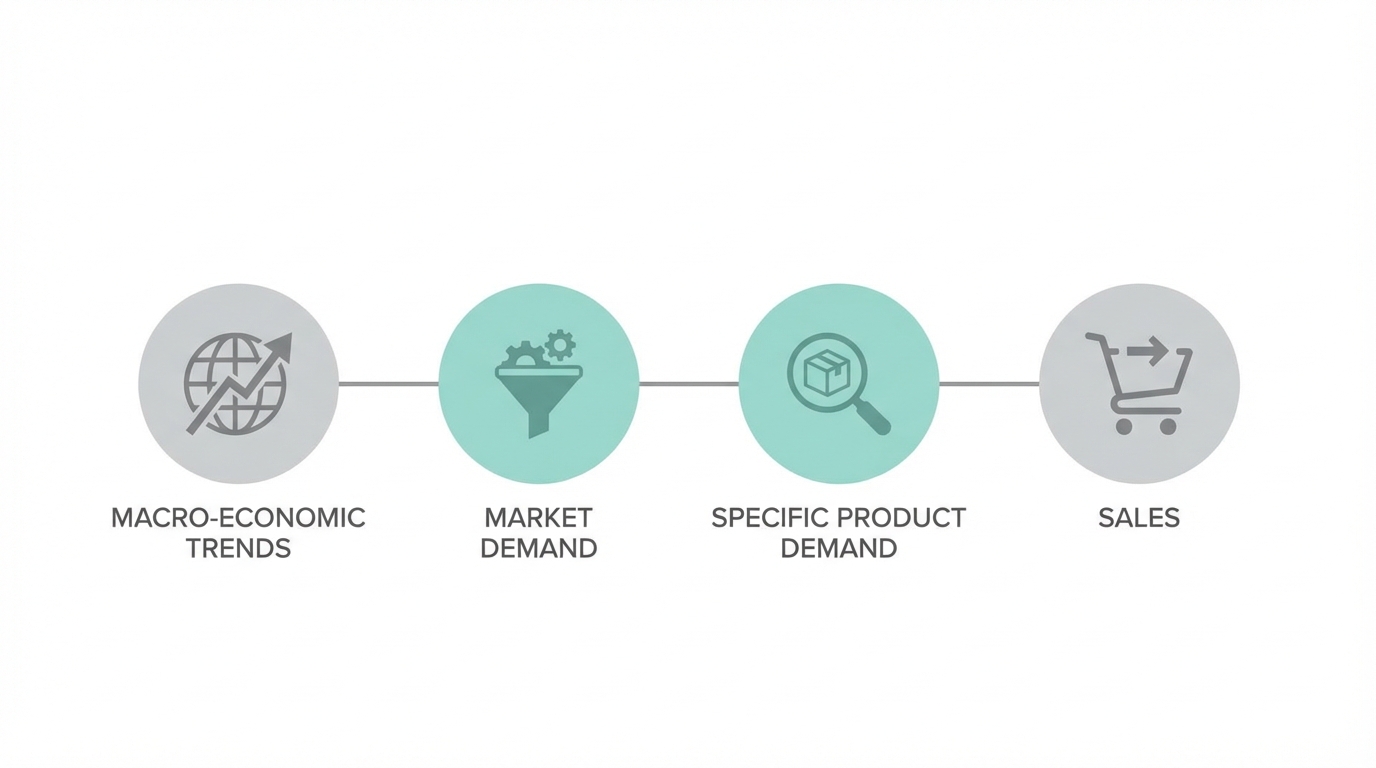

Before spending a single cent on ads, you need to understand if the world actually wants what you're thinking of building. Justin's journey with bone broth didn't start with a manufacturing plant; it started with digital anthropology. He began by looking for signs of life in two distinct areas: the macro trend and the micro-community engagement.
At the macro level, he used Google Trends to see if "bone broth" was a rising search term. A rising trend indicates that the general public is becoming aware of a category, which is essential for long-term growth. However, macro trends aren't enough. You also need to find where the "fanatics" hang out. Justin dove into Reddit, CrossFit forums, and Paleo health communities to see the level of engagement. He wasn't just looking for mentions; he was looking for high-intensity problem-solving. People were arguing over recipes and sourcing bones—clear indicators of a desperate need for a convenient solution.
The goal of this phase is to answer one question: Are there at least a few thousand people who care enough about this problem to spend money solving it? In Justin's case, he realized that even a modest business generating $200,000 a year only requires a few thousand dedicated customers. By verifying the demand on Google Trends and niche forums, he moved from a "guess" to a high-probability hypothesis.
Step 2: The $50 "Fake Door" Experiment
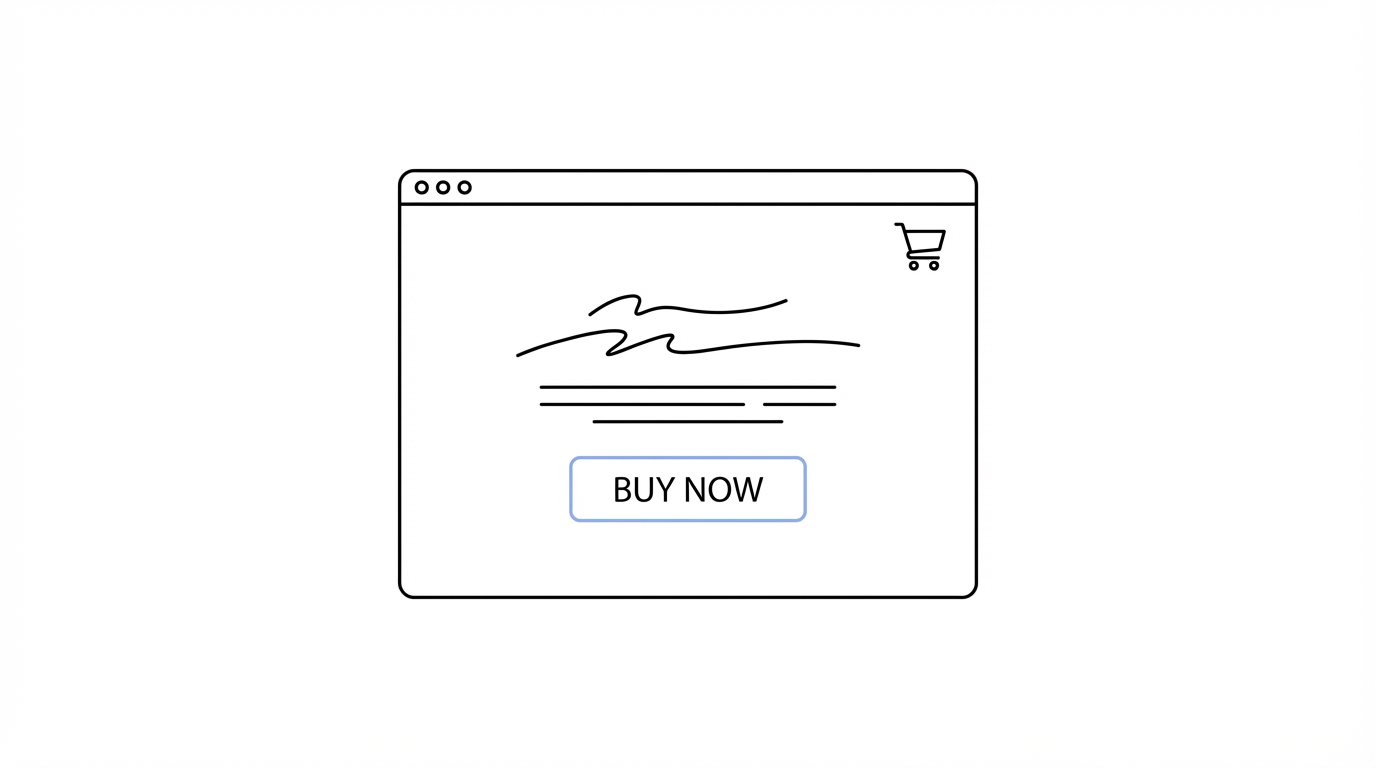
Once you’ve identified a potential market, the next step is the "Fake Door" test. This is the cornerstone of the lean startup methodology. Instead of building the product, you build the illusion of the product to measure real conversion intent. Justin bought a domain for $9.99 and used Fiverr to get a low-cost, even "sketchy" logo and product renders. In the modern era, you might use AI tools, but the principle remains the same: speed over perfection.
He built a simple landing page using Unbounce. The page highlighted three core value propositions: healing "leaky gut," convenience (saving the 24-48 hours required to cook broth at home), and high-quality organic ingredients. He then ran approximately $50 to $100 worth of ads on Bing Ads (now Microsoft Advertising), because the cost-per-click was lower than Google Ads at the time.
The checkout flow was intentionally "ghetto." When a user clicked "Order Now," they were directed to a personal PayPal link to send money to Justin’s personal email. This is the ultimate minimum viable product step. If a stranger is willing to send $30 to a random person on the internet for a product that doesn't exist yet, you have 100% validation. Over two weeks, Justin saw a 30% conversion rate and generated nearly $500 in revenue from a $250 ad spend. The economics worked before the product even did.
Step 3: The 6x Pricing Rule
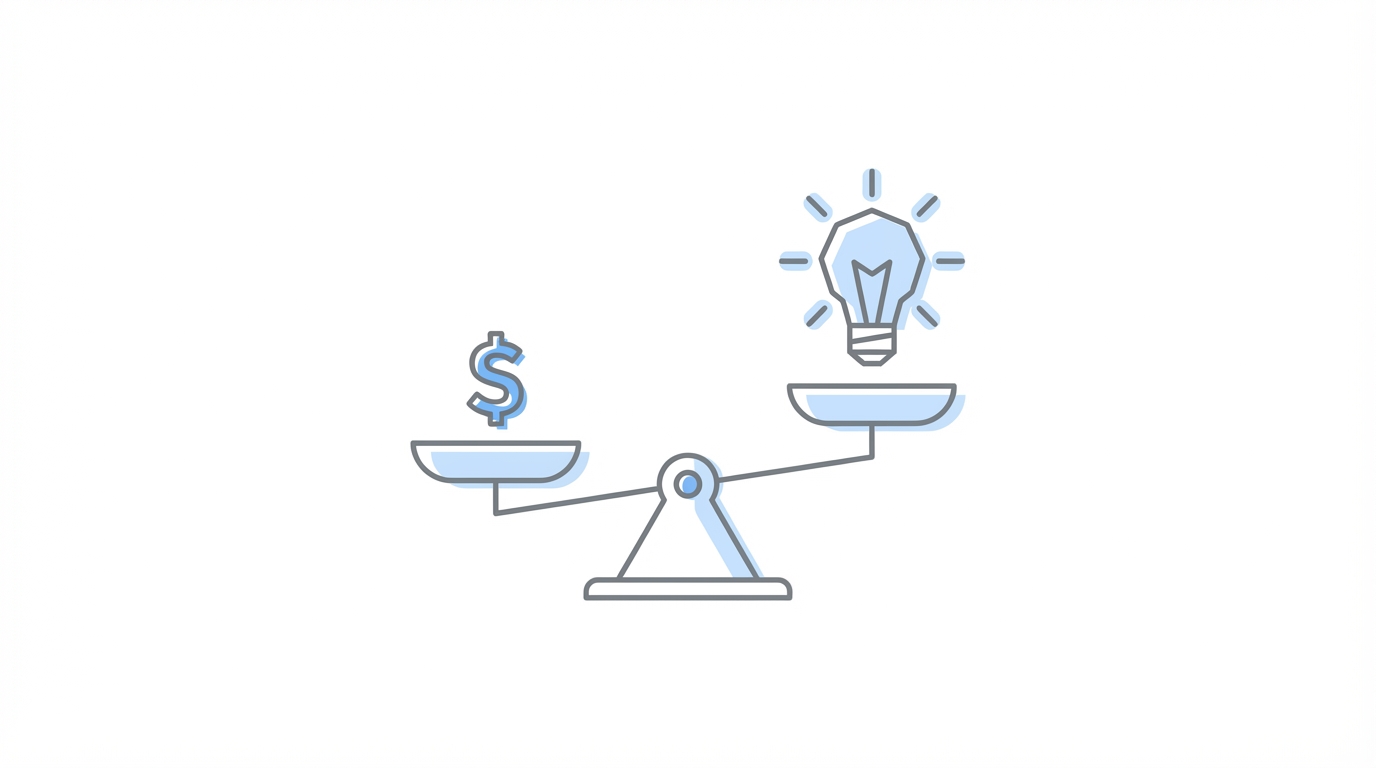
One of the biggest mistakes founders make during startup idea validation is pricing too low. They try to compete with established retail giants on price, which is a race to the bottom. Justin took the opposite approach. At the time, generic broth in a grocery store cost about $5 for 16 ounces. Justin priced his non-existent bone broth at $29.99—nearly six times the retail average.
This aggressive pricing serves two purposes. First, it validates that you are solving a high-value problem. If customers pay a 6x premium, they aren't just buying "broth"; they are buying a health solution. Second, it ensures that your unit economics will work once you actually have to manufacture, store, and ship the product. By starting with a high price point, you give yourself the margin necessary to handle the inevitable complexities of a physical supply chain. If you can't sell your idea at a premium during the validation phase, according to Harvard Business Review's guide to value-based pricing, you’ll likely struggle to keep the lights on once your overhead increases.
Step 4: The Refund vs. Discount Strategy
What happens when the money starts rolling in but you have no product to ship? This is the moment of truth in the market validation framework. Justin didn't panic or disappear with the money. Instead, he used a transparent email strategy to turn "orders" into a long-term waiting list. He sent an honest email to every customer who had paid via PayPal.
The email offered two choices:
- A full, immediate refund.
- A 50% discount if they were willing to wait a few weeks for the first batch.
Validating in 2025: The AI-Enhanced Playbook
While Justin’s original process took weeks of manual work, the tools available today have accelerated the minimum viable product steps to a matter of hours. In 2025, you no longer need to hire a designer for initial renders or spend days building a landing page. Tools like Bolt.new allow you to generate functional web interfaces instantly, while ChatGPT can help you redesign product packaging and branding in seconds.
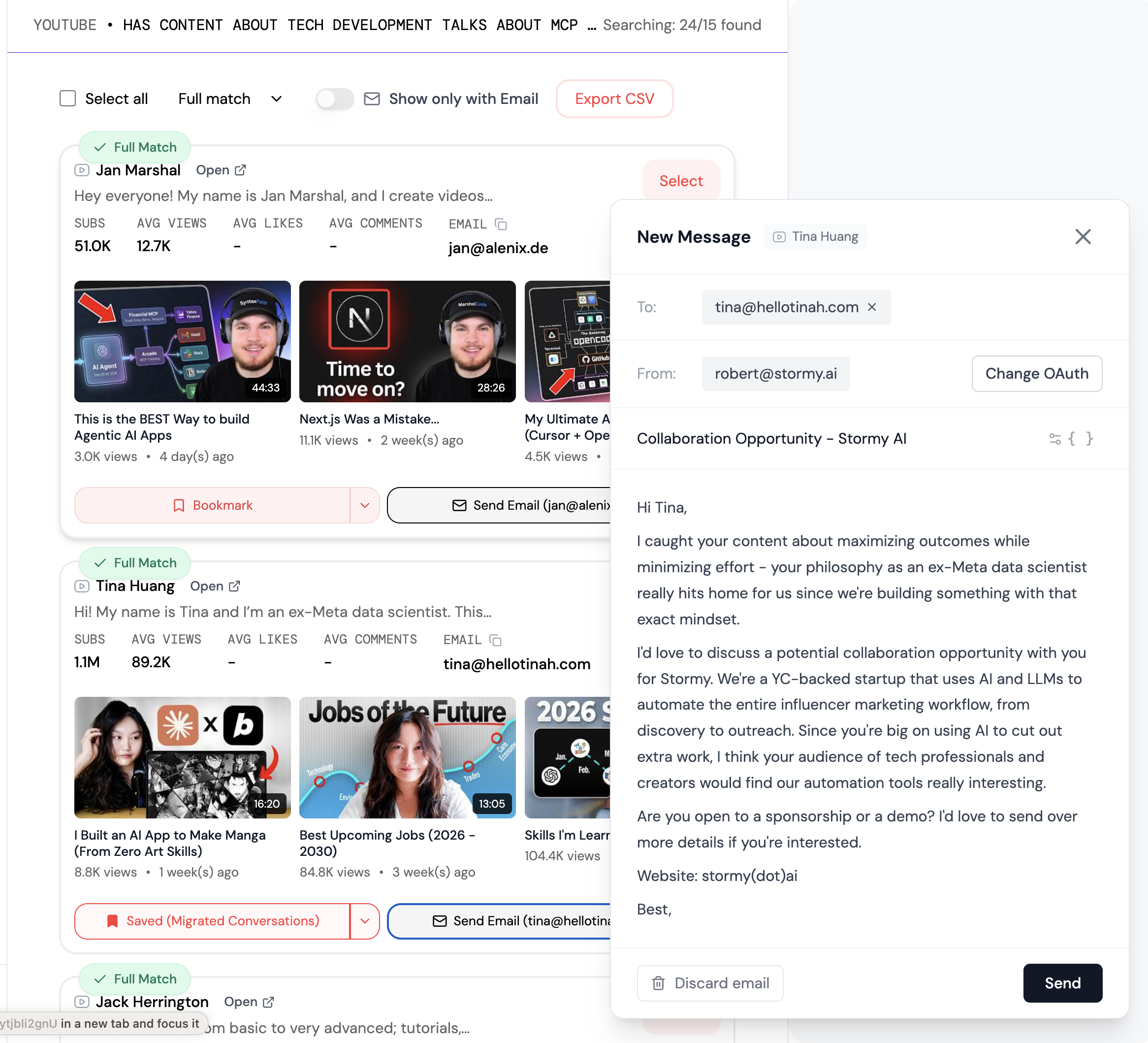
Beyond design, AI can now handle sentiment analysis across thousands of Reddit threads or X/Twitter conversations. This allows you to identify the specific "hooks" and pain points that resonate with your target audience without doing manual research. For founders looking to scale these early tests into full creator-led campaigns, tools like Stormy AI can help source and manage UGC creators at scale, allowing you to see which messaging converts before you invest in large-scale production.
The core philosophy, however, remains unchanged: Sell it before you build it. Whether you are using ChatGPT to create your marketing copy or Unbounce to host your page, the ultimate validation is a customer reaching for their wallet. Once you have that "signal of life," you can use modern platforms like Stormy AI to discover influencers who match your niche and automate the outreach process, effectively turning your $50 test into a scalable marketing engine.
The Path Forward for Your Startup Idea
Validating a startup idea doesn't have to be a multi-month ordeal. By following Justin Mares' lean playbook—gauging demand on Google Trends, running a $50 "fake door" test, and pricing for value—you can move from concept to conviction in less than 14 days. Remember, the goal of startup idea validation isn't to prove that you're right; it's to find out if you're wrong before you've spent your time and money. Use the tools of 2025 to shorten the feedback loop, and don't be afraid of a "sketchy" checkout flow—if the pain point is real, the customers will find you.