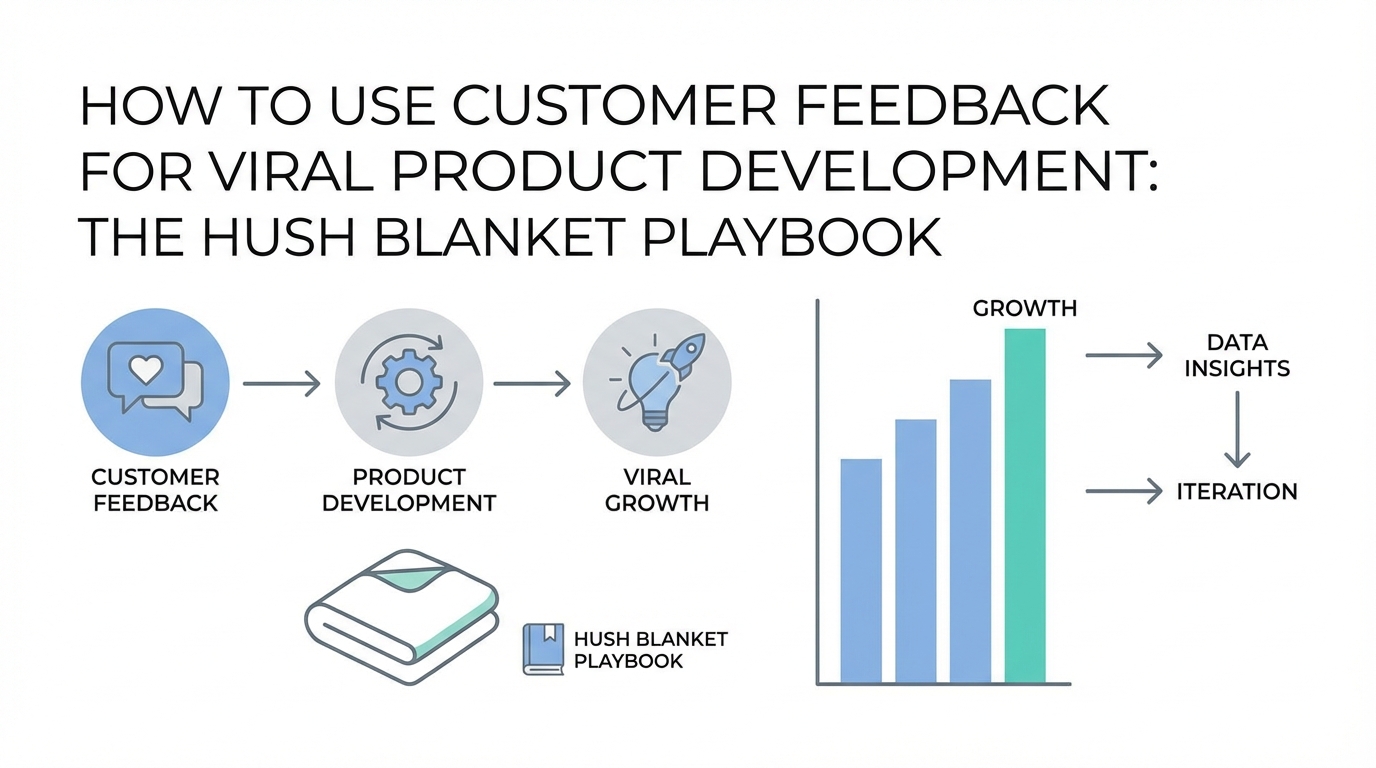
In the world of Direct-to-Consumer (D2C) brands, there is a dangerous phenomenon known as "beginners' luck." It starts with a surge of sales, a winning creative on Google Ads, and a bank account that seems to grow overnight. But for many founders, this early success is a mirage that evaporates as soon as the seasons change. Aaron Spivak and Lior Peri, the founders of Hush, experienced this firsthand. After launching a weighted blanket that scaled from 30k to 90k a month, they watched their revenue drop to nearly zero during their first summer. This is the story of how they used a rigorous customer feedback strategy to pivot their business, turning a failing seasonal product into a $48 million e-commerce powerhouse by listening to their customers when it mattered most.
The Summer Slump: Why Beginners' Luck Isn't Product Market Fit

Many entrepreneurs mistake early traction for long-term product market fit. As Aaron Spivak detailed on Starter Story, Hush launched in January and saw immediate demand. Weighted blankets were trending, with over 300,000 monthly searches on Google. However, as the Toronto heat hit 30 degrees in July, sales vanished. They were left with hundreds of units of inventory and a bank account approaching zero. This "summer slump" is a common diagnostic moment for D2C product development: it reveals whether you have a sustainable brand or merely a seasonal trend.
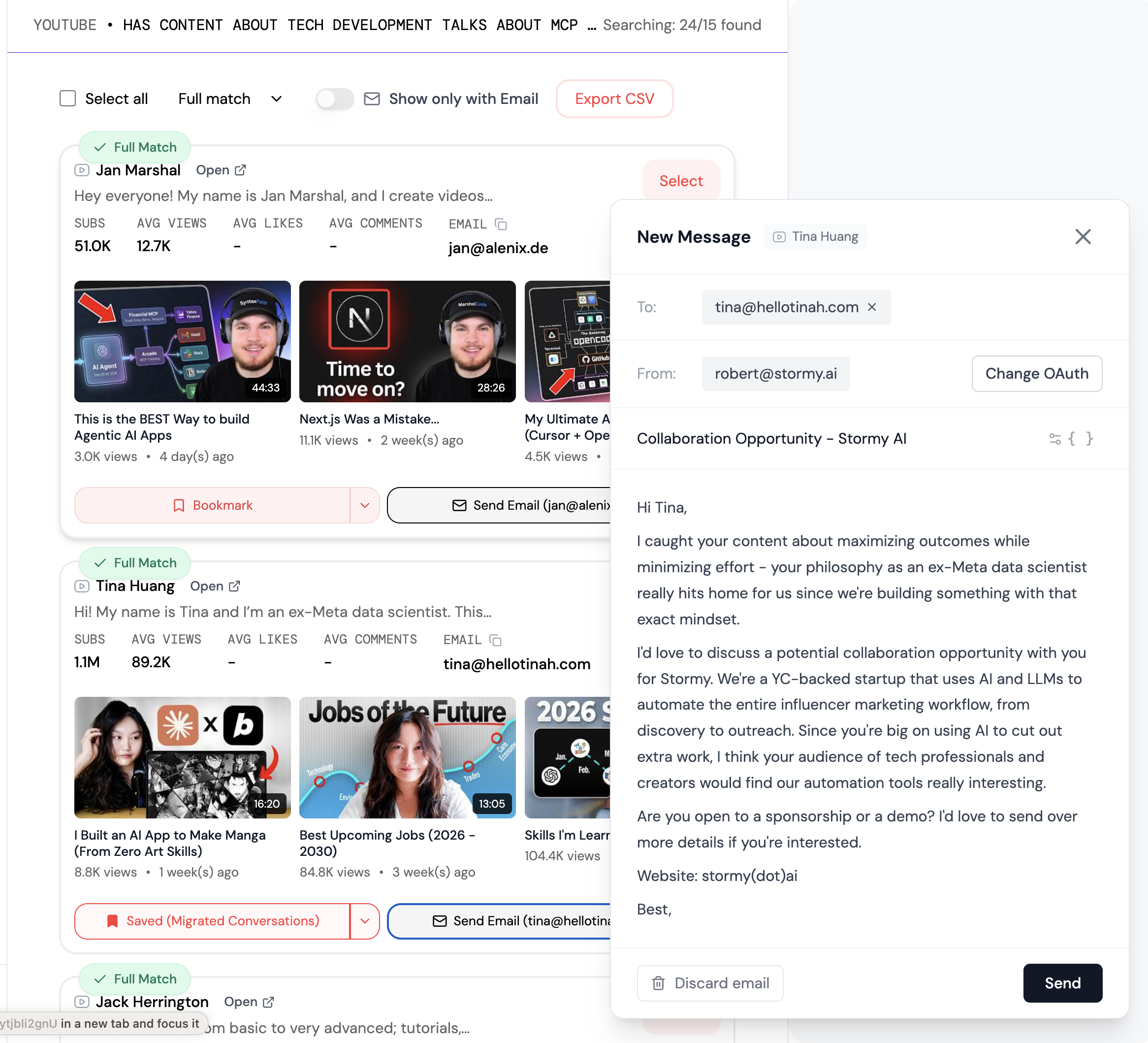
To survive, the founders had to determine if their product was fundamentally flawed or simply misaligned with the current environment. Instead of shutting down, they decided to prove there was a market by engaging in aggressive voice of customer research. They didn't guess what was wrong; they asked. This shift from internal assumptions to external validation is the foundation of any successful customer feedback strategy. To find the right voices to listen to, modern brands often use Stormy's AI search to identify and discover creators who are already discussing specific niche pain points, like sleep disorders or night sweats, to broaden their research pool.
The 'Calendly Method': Conducting High-Impact Customer Discovery

The breakthrough for Hush didn't come from a boardroom; it came from the phone. Aaron and Lior sent an email to every single customer they had with a Calendly link, asking for a quick chat. This is what we call the 'Calendly Method.' By opening a direct line of communication, they bypassed the filters of Shopify analytics and got to the raw truth.
During these calls, a clear pattern emerged. Every customer said the same thing: "I love the blanket, but I'm sweating in places I've never sweat before." This qualitative insight was the missing piece of their ecommerce product validation. They realized they didn't have a "weighted blanket" problem; they had a "temperature regulation" problem. This pivot is only possible when founders are willing to pick up the phone and listen to the negative feedback without getting defensive.
Step 1: Segment Your Outreach
Start by emailing customers who have purchased but haven't returned in six months. Use a simple, non-promotional subject line. Your goal is voice of customer research, not a sale. If you want to scale this, you can use Stormy's AI outreach to send hyper-personalized emails and automated follow-ups to your most influential customers or creator partners, ensuring a higher response rate for your discovery calls.
Step 2: The Interview Script
Don't ask leading questions. Ask open-ended questions like: "Tell me about the last time you used the product," or "Why haven't you used it in the last 30 days?" This uncovers the environmental factors—like summer heat—that data dashboards often miss.
Translating Qualitative Feedback into Technical Innovation
The feedback was clear: people wanted the weight but hated the heat. This led to the development of the Hush Iced fabric. Aaron and Lior spent months flying to suppliers to source a fabric that felt cold to the touch. This transition from a generic weighted blanket to a proprietary "Iced" technology is a masterclass in D2C product development. They weren't just adding a new color; they were engineering a solution to a specific pain point identified through customer feedback strategy.
This phase is where many brands fail because they lack the data to justify the high cost of innovation. The first roll of Iced fabric cost $100,000—money the founders didn't have. However, because they had 3,000 customers on the phone who guaranteed they would buy a cooling version, the risk was calculated. Before investing in such expensive manufacturing, it is wise to use Stormy's influencer analysis to vet which creators have an audience that actually cares about technical sleep specs and detect engagement fraud before you partner with them.
Validating Expansion: The $1.5 Million Mattress Launch
After the success of the cooling blanket, Hush used the same playbook to expand into pillows and mattresses. For the pillow launch, they simply asked their email list what would make the "perfect" pillow. They sold 3,000 units in 72 hours without a single dollar spent on traditional advertising. This is the power of ecommerce product validation through zero-party data.
When it came to the mattress, the stakes were even higher. Mattresses are expensive to ship and store. They spent three months calling customers to ask what their current mattress was missing. The feedback was unexpected: many customers felt their mattresses were uncomfortable during intimate moments or lacked support when sitting on the edge. This led to the creation of "Zone Technology," a specific spring configuration that solved these exact issues. By the time they launched, they had already built a product market fit into the design. The result? A $1.5 million launch in a crowded, competitive market [source].
Leveraging Social Analytics to Track Trending Pain Points
While direct calls are the gold standard, you can supplement your voice of customer research by monitoring social media trends. What are people complaining about in your niche? Using tools like Google Analytics and Stormy's post tracking allows you to monitor views, likes, and mentions of your brand and your competitors. If you see a spike in creators complaining about "sleep hygiene" or "night sweats," you know that your customer feedback strategy should pivot toward those themes.
Hush didn't just wait for the feedback to come to them; they looked at the broader market. When they saw the rise of Kickstarter campaigns for sleep products, they used that platform to validate their 1.0 product, raising over $1 million in 30 days. They combined their internal customer calls with the public validation of a crowdfunding platform to create a narrative that investors and customers couldn't ignore.
Storytelling as Your Competitive Moat
The final lesson from the Hush playbook is that customer feedback strategy isn't just about product specs—it's about community. Aaron and Lior documented their entire journey on LinkedIn and social media. They were vulnerable about their failures, including the time they almost shut down. This transparency turned customers into "superfans."
When they opened a pop-up shop in a major mall, they outperformed global brands like Alo Yoga, with 1,500 people showing up—not just to buy blankets, but to have the founders sign them. This level of brand loyalty is the ultimate goal of D2C product development. You aren't just selling a commodity; you are selling a story that the customer helped write. Managing these high-level relationships at scale is easier with Stormy's creator CRM, which helps you track every interaction, negotiation, and payment with the advocates who help tell your brand's story.
Conclusion: Your Action Plan for Product-Market Fit

The transition from $4,000 to $48 million was not an accident of the TikTok algorithm. It was the result of a disciplined approach to ecommerce product validation. To replicate the Hush success story, you must move beyond the data on your Meta Ads Manager and start talking to the humans behind the clicks.
Start by identifying your most loyal customers, use the 'Calendly Method' to uncover their deepest frustrations, and then build the solution they are literally begging for. Whether you are launching a new weighted blanket or a mattress, remember that the most valuable data isn't what people *did*—it's what they *say* they will do next. By integrating these insights with modern tools like Stormy AI to find the right voices, track campaign performance, and automate outreach, you can build a brand that doesn't just survive the summer slump but thrives in every season.