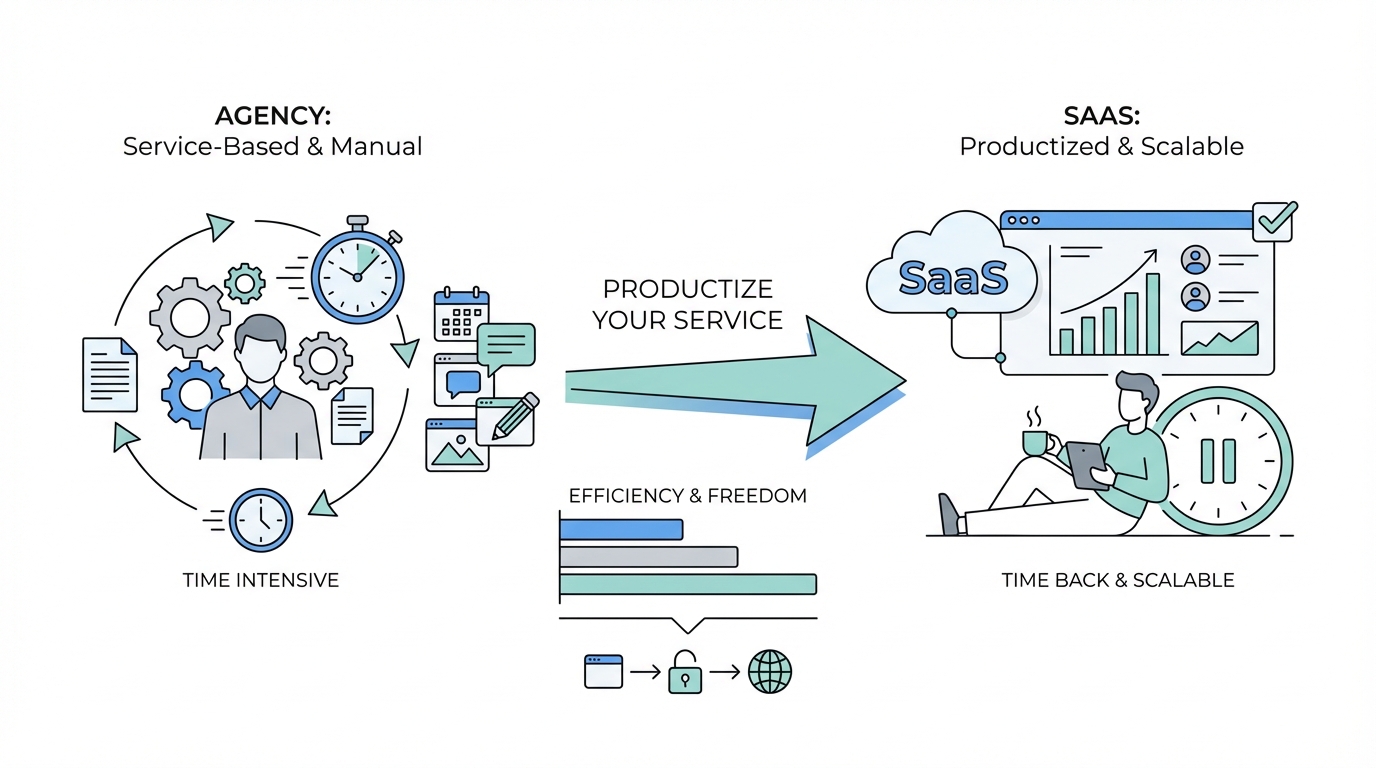
Running an agency is often described as a high-stakes balancing act where you are only as good as your last billable hour. For many founders, the thrill of landing a new client is quickly dampened by the realization that more revenue requires more headcount, more meetings, and more management. This is the classic time vs. money trap that defines the service based vs product based business debate. While agencies offer high margins and immediate cash flow, they rarely scale without a linear increase in stress. According to research from the Harvard Business Review, the ultimate goal for the modern entrepreneur is to decoupling income from hours worked, and the most proven path to achieving this is to transition from agency to SaaS.
The Time vs. Money Trap: Why Agencies Hit a Ceiling
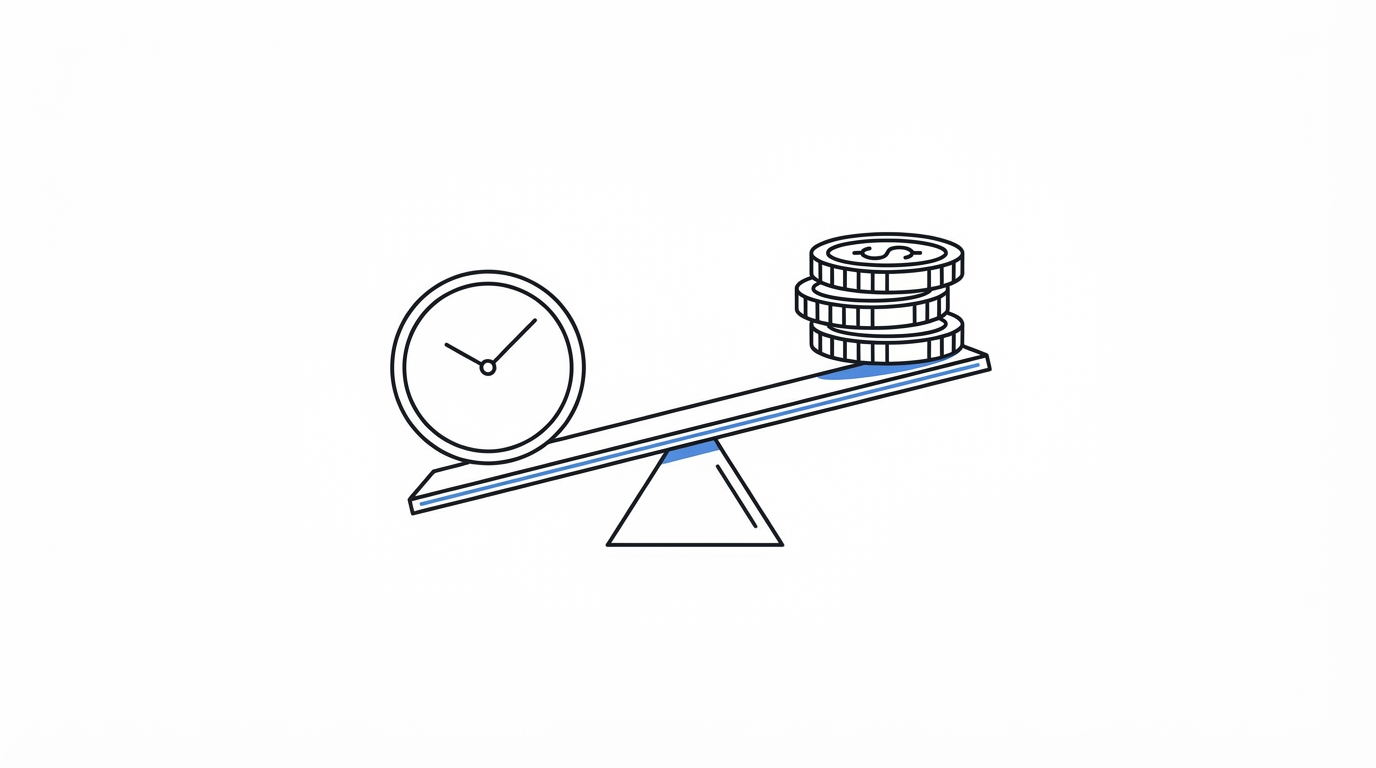
In a service-based model, your inventory is your time. Whether you are running a music marketing firm like Jacob did with his agency, Domino, or a creative studio, you eventually hit a ceiling. Jacob found that his income was directly correlated with the hours he put in, a realization that forced him to look toward software to help more people without sacrificing his life. When you sell a service, you are selling a customized solution for every client. This lack of standardization makes it nearly impossible to scale efficiently because every new dollar earned requires a corresponding unit of human effort.
The shift to a product-based model allows you to build a solution once and sell it a thousand times. Instead of managing people, you manage code, APIs, and automated workflows. This doesn't mean the work disappears; it simply shifts from reactive client management to proactive product optimization. In the software world, your profitable SaaS ideas 2024 likely already exist within your agency’s manual processes. Using tools like Exploding Topics can help identify which of these manual tasks are currently trending as major industry pain points. The tasks you repeat every day for your clients are the prime candidates for automation.
How to Use Agency Insights to Validate Your SaaS
The greatest advantage an agency owner has over a solo developer is deep market insight. You aren't guessing what people want; you are already being paid to solve their problems manually. To productize your agency, look at your most frequent client requests. If you find yourself repeatedly performing the same data analysis, content creation, or outreach tasks, you have found a potential SaaS product. Jacob and his co-founder Alex noticed a trend in faceless videos on TikTok and Instagram. They realized that while the trend was massive, the manual effort to stay consistent was a huge pain point for creators.
Instead of offering a "Faceless Video Agency" service, they built a tool that automated the entire process. To validate your own idea, you can use Stormy's AI search to identify trending niches and analyze what creators in those spaces are struggling with. By searching for creators in specific categories—like fitness or tech—you can see what kind of content is performing and where the gaps in their workflow might lie. Validating your SaaS idea with real-world data from social platforms ensures you aren't building in a vacuum, unlike legacy influencer tools such as Captiv8 or Tagger, which often lack real-time discovery insights for new niche trends.

The Fail Fast Mentality: Lessons from 6 Failed Ideas
One of the most dangerous traps for agency owners is getting too attached to their first software idea. Jacob didn't hit a million-dollar ARR on his first try; he went through six failed SaaS ideas before Faceless Video took off. The lesson here is that failing fast is a win-win. Every failed project teaches you more about user experience, database structure, and market-fit than any course ever could. If Jacob had stayed attached to his first mediocre idea, he would never have had the bandwidth to catch the faceless video trend at the right time.
When you are in the experimentation phase, treat your SaaS like a side project within your agency. Use your agency's cash flow to fund the development of MVPs (Minimum Viable Products) using resources from the Y Combinator Library. If an idea doesn't gain traction within a few months, move on. The goal is to find the one product that resonates so strongly that users start promoting it for you. This "obsessive" focus on the product is what separates a $1M success from a hobbyist project. Don't be afraid to scrap your code and start over if the data tells you the market isn't interested.
Bootstrapping vs. VC: Why Staying Lean Wins
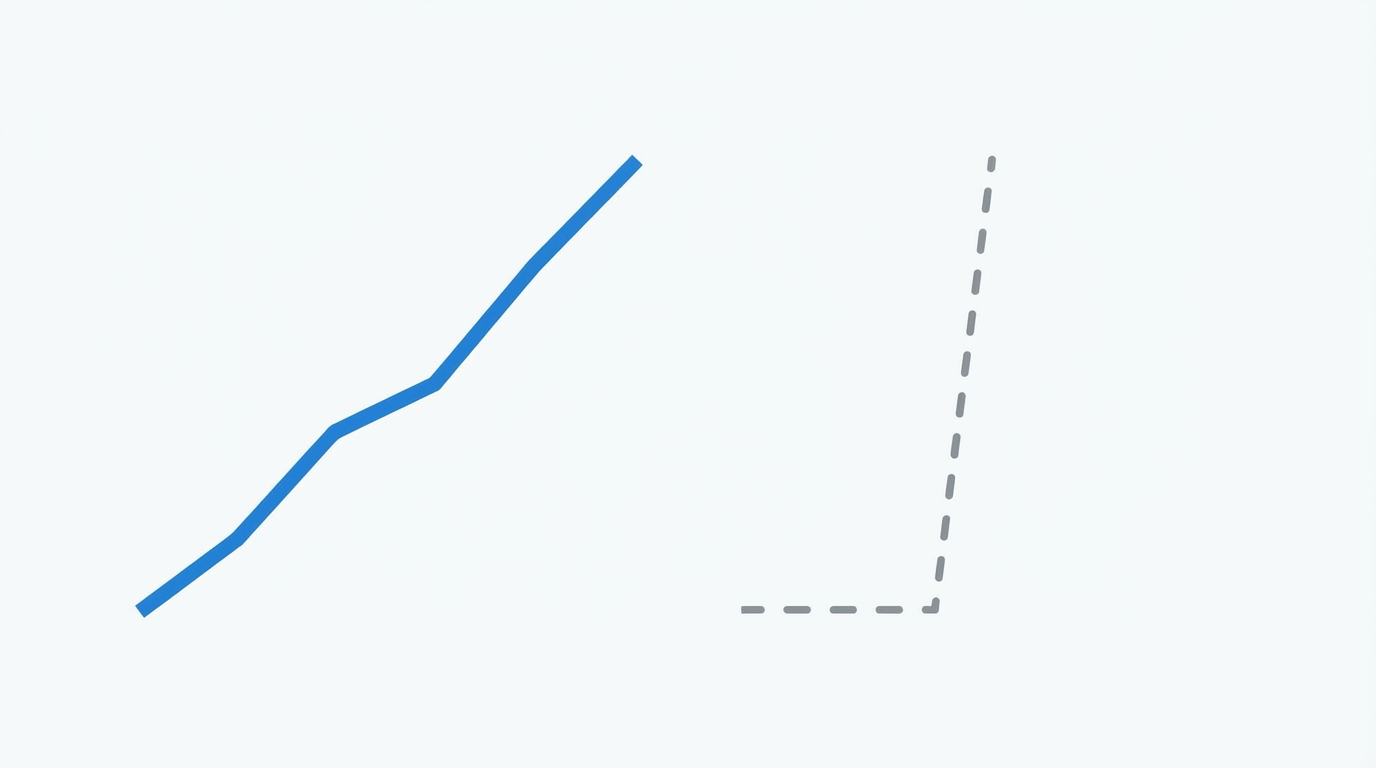
In the world of bootstrapping a startup guide, the focus is always on core value. Jacob and Alex chose to bootstrap their business using Bubble, a no-code platform that allows founders to build full-stack applications without traditional coding. By staying bootstrapped, they were forced to build lean. They didn't have a multi-million dollar VC check to hide their mistakes; they had to build something that people were willing to pay for from day one. Staying lean forces you to focus on your unique value proposition rather than chasing vanity metrics.
For agency owners, bootstrapping is often the only logical path. You already have a revenue stream from your services, so why give up equity to a VC? Furthermore, tools like Stormy's AI outreach allow you to handle your own influencer marketing and sales communication without hiring a massive team. You can connect your existing Gmail accounts and let AI agents handle the repetitive follow-ups, keeping your overhead low while you scale your user base. This level of automation is what allows a two-person team to manage a million-dollar company, often outperforming older systems like impact.com that require heavy manual management.
Productization Playbook: Turning Manual Tasks into Software
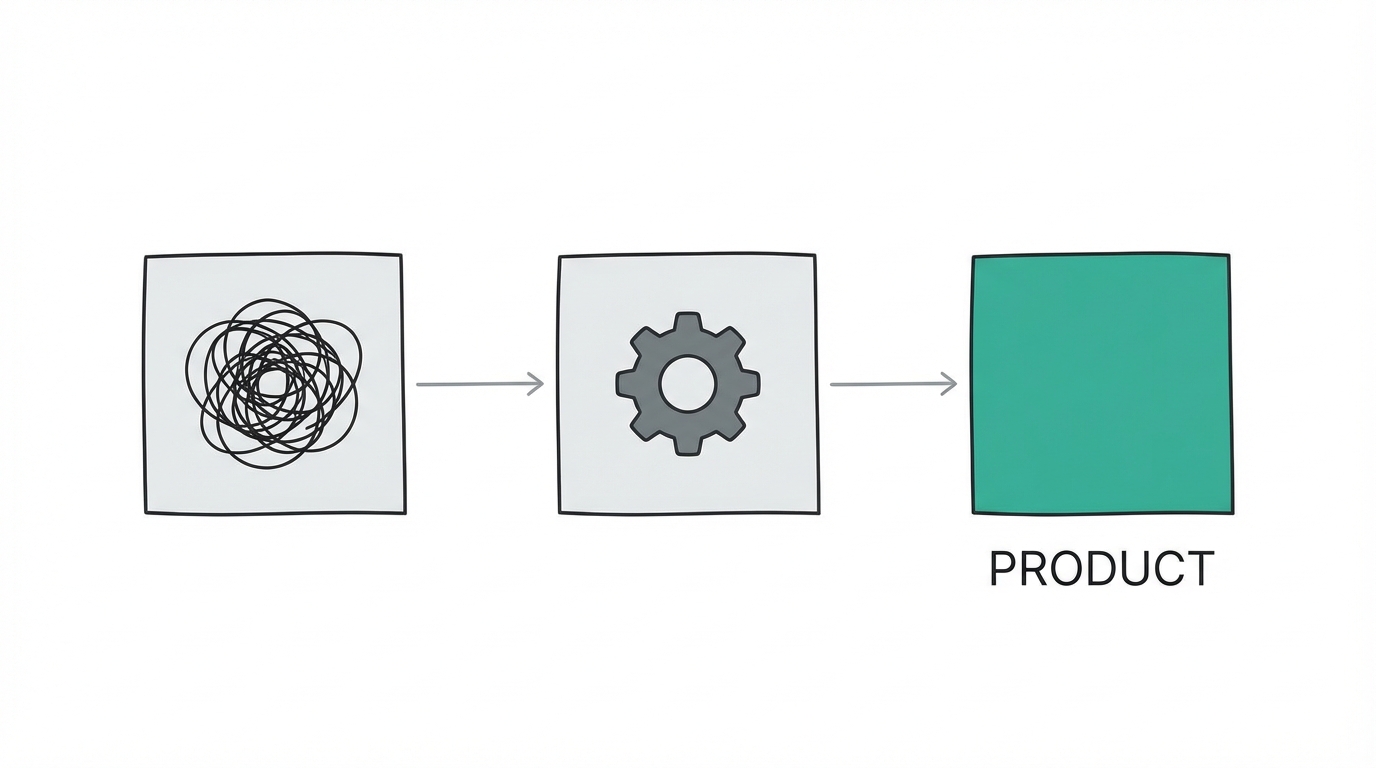
To successfully productize your agency, you must map out your internal workflows and identify which parts can be replaced by logic. Here is a step-by-step playbook for the transition:
Step 1: Audit Your Services
List every task your agency performs for a client. Identify which of these are "low-touch" (can be done with a script or template) and which are "high-touch" (require deep creative thought). Your SaaS should focus on the low-touch, high-volume tasks.
Step 2: Build a No-Code MVP
Don't hire a development team yet. Use tools like Bubble to create a visual version of your workflow. For example, if your agency helps brands find influencers, your MVP should simply be a database that users can search. As you scale, you can integrate more complex features like Stormy AI for influencer vetting, which allows you to automatically detect fake followers and engagement fraud, providing immediate value to your users without manual vetting.
Step 3: Establish a Feedback Loop
Give your MVP to your current agency clients for free. Monitor how they use it. Are they getting the same results from the software as they were from your team? Use their feedback to refine the UI/UX. The goal is to reach a point where the client no longer needs to talk to a project manager to get the result they want. You can use automation platforms like Zapier to bridge the gap between your prototype and existing client databases.
Step 4: Automate the Back-End
Once the front end is working, focus on the mundane back-end tasks. Use Stripe for automated payments and Stormy's creator CRM to manage all your user interactions and collaboration history. By automating your own administrative work, you free up your time to focus on the next big feature.
Marketing Your SaaS: From Storytelling to Virality
Marketing a SaaS is fundamentally different from selling agency services. In B2B services, you rely on high-ticket sales and long-term relationships. In B2C or prosumer SaaS, you need viral potential. Jacob and Alex found success by leaning into storytelling. Their first advertisement was a simple thread on X (formerly Twitter) that cost only $200 and generated hundreds of thousands of views. Because their product, Faceless Video, solved a clear pain point (consistency in content creation), the product began to speak for itself.
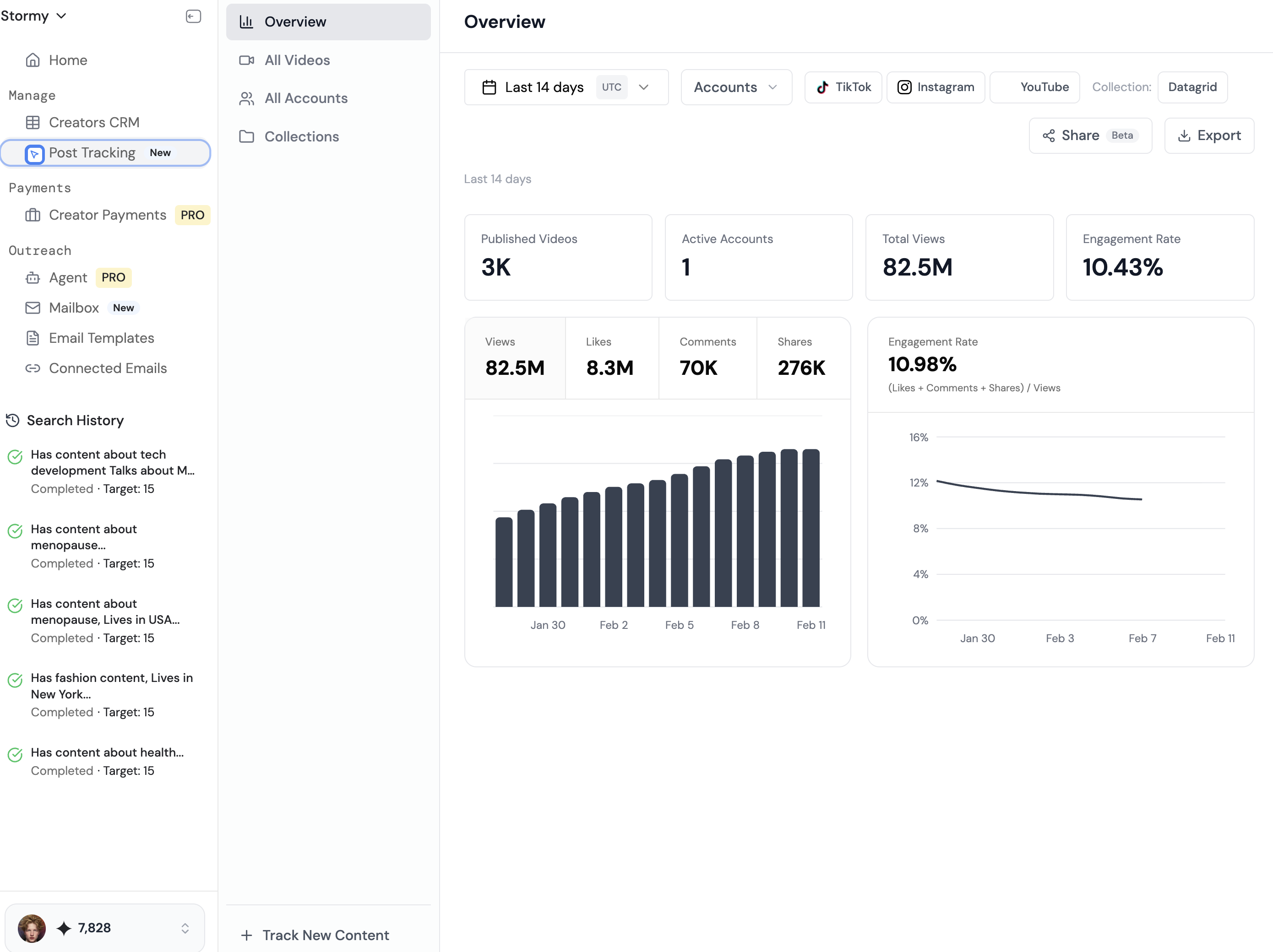
Word of mouth is a powerful growth engine for software. When you build something original that taps into an emerging trend, users will naturally share it. To keep the momentum going, you should use Stormy's post tracking to monitor how your brand is being mentioned across social media. By tracking individual videos and posts on platforms like YouTube, you can see which influencers are driving the most traffic and double down on those partnerships. This data-driven approach allows you to optimize your customer acquisition cost (CAC) and scale predictably.
The Path to Freedom: SaaS as the Ultimate Exit
The transition from service based vs product based business is not just a financial move—it is a lifestyle choice. While an agency can provide a comfortable living, a SaaS provides freedom. It allows you to build a system that works while you sleep, freeing you from the perpetual cycle of the billable hour. By leveraging your agency's deep client insights, embracing a fail-fast mentality, and using modern AI tools to automate your discovery and outreach, you can build a scalable business that actually gives your time back.
If you are ready to stop trading hours for dollars, start by auditing your agency’s manual processes today. Whether you build with no-code tools like Bubble or leverage Stormy AI's influencer infrastructure for discovery and post-tracking, the key is to start building. The market for profitable SaaS ideas 2024 is wide open for those who can turn their expertise into a product. Don't wait for the perfect moment—launch your MVP, listen to your users, and begin your journey toward a million-dollar ARR.