Ninety-nine percent of founders will tell you that all you need to succeed is a great idea. However, the unspoken truth in the entrepreneurial world is that moving from a concept to a reality typically requires massive effort and, traditionally, a significant capital injection. But the landscape of business has shifted. Today, it is entirely possible to bypass the venture capital route and build a high-growth company with the change in your pocket. This guide explores the $90 bootstrapping playbook, a strategy that proves you don't need millions to make millions. By following the lean startup methodology, you can validate demand, build a community, and launch a productized service for less than the cost of a nice dinner out.
The Myth of the Venture-Backed Start

For decades, the narrative of a successful startup was synonymous with raising seed rounds and Series A funding. This approach often forces founders to give away equity before they even know if their product works. In contrast, learning how to start a business with no money—or very little—allows for total creative control and forced efficiency. When you are bootstrapping a startup, every dollar must perform. You aren't just spending; you are investing in high-leverage activities that move the needle. The goal isn't to look like a big company; it's to solve a specific problem for a specific audience as cheaply as possible. This lean approach is the foundation of low cost business ideas that actually scale.
Step 1: Validate Your Idea with the 20% Rule
Before you spend a single cent, you must confirm that the market actually wants what you are selling. Many entrepreneurs fail because they spend months building a product in a vacuum, only to find out nobody cares. To avoid this, utilize social platforms like Twitter to test the waters. Validation doesn't require a complex survey or a paid focus group. It requires a single, well-crafted post that addresses a pain point.
The Retweet-to-Like Ratio
In the case of the $90 startup, the founder noticed a massive trend in AI productivity. Instead of building a platform immediately, they posted a tweet to gauge interest. A good rule of thumb for validation is the 20% retweet-to-like ratio. If 20% of the people who liked your post also retweeted it, you have struck a nerve. Retweets represent a higher level of commitment than a like; it means the user wants to be associated with the idea and share it with their own network. This signal is the ultimate green light to proceed with your lean startup methodology.
Step 2: Zero-Cost Market Research via Open-Ended Feedback

Once you have a signal, you need to refine the idea. Most founders make the mistake of assuming they know what the customer wants. The $90 playbook suggests a different route: let the audience design the product. After the initial viral tweet, the next step involves capturing demand and gathering intelligence. By using a tool like Typeform, you can create a simple landing page to collect email addresses and ask critical questions.
The Power of Open-Ended Questions
While many marketing experts suggest avoiding open-ended questions to increase completion rates, the bootstrapping a startup phase requires depth over breadth. Asking a question like "What is most interesting to you about this topic?" or "What is your biggest struggle with X?" provides a goldmine of data. When people care about a potential solution, they will take the time to write. These responses allow you to move from a "fuzzy idea" to a concrete product roadmap. At this stage of the playbook, the total amount spent is roughly $25 for a basic subscription to a form-building tool.
Step 3: Leveraging the Psychology of Scarcity
To turn interest into action, you must understand human behavior. Scarcity is one of the most powerful motivators in marketing. Just as consumer panic can drive irrational purchasing, manufactured scarcity can drive high conversion rates for your new venture. If you are trying to start a business with 100 dollars, you cannot afford a low conversion rate on your landing page.
The "Free for Now" Strategy
A simple yet effective tactic used in the $90 case study was the inclusion of six words: "Free for now, but not forever." This creates an immediate sense of urgency without being dishonest. It rewards early adopters and punishes procrastination. When users feel they might lose out on a future value, they are ten times more likely to sign up and provide their contact information. This psychological trigger helped scale the You Probably Need a Robot community to over 60,000 members in record time.
Step 4: Strategic Marketing on a Tight Budget

With $25 spent on research, you have $75 remaining in your $100 budget. This is where most founders stumble by trying to run generic ads on Meta Ads Manager or Google Ads. On a limited budget, these platforms will eat your capital with little to show for it. Instead, look for non-obvious, high-leverage marketing opportunities where your target audience is already hyper-engaged.
Finding High-Leverage Ad Slots
The $90 playbook utilized a unique opportunity: a viral experiment known as HustleGPT. By identifying a trending thread where the creator was looking for investment opportunities, the founder secured a $65 ad slot that generated over 1.3 million impressions. This is the essence of low cost business ideas: finding the gap between attention and cost. Rather than competing in an expensive auction, you are looking for specific individuals or small communities where a small payment can lead to massive exposure.
As your business grows, managing these relationships becomes vital. Platforms like Stormy AI streamline creator sourcing and outreach, helping you discover and vet creators who have the exact audience you need. By using AI-powered search, you can find niche influencers who offer high engagement without the agency markup, which is essential when you are bootstrapping a startup.
Step 5: Scaling to a Productized Service
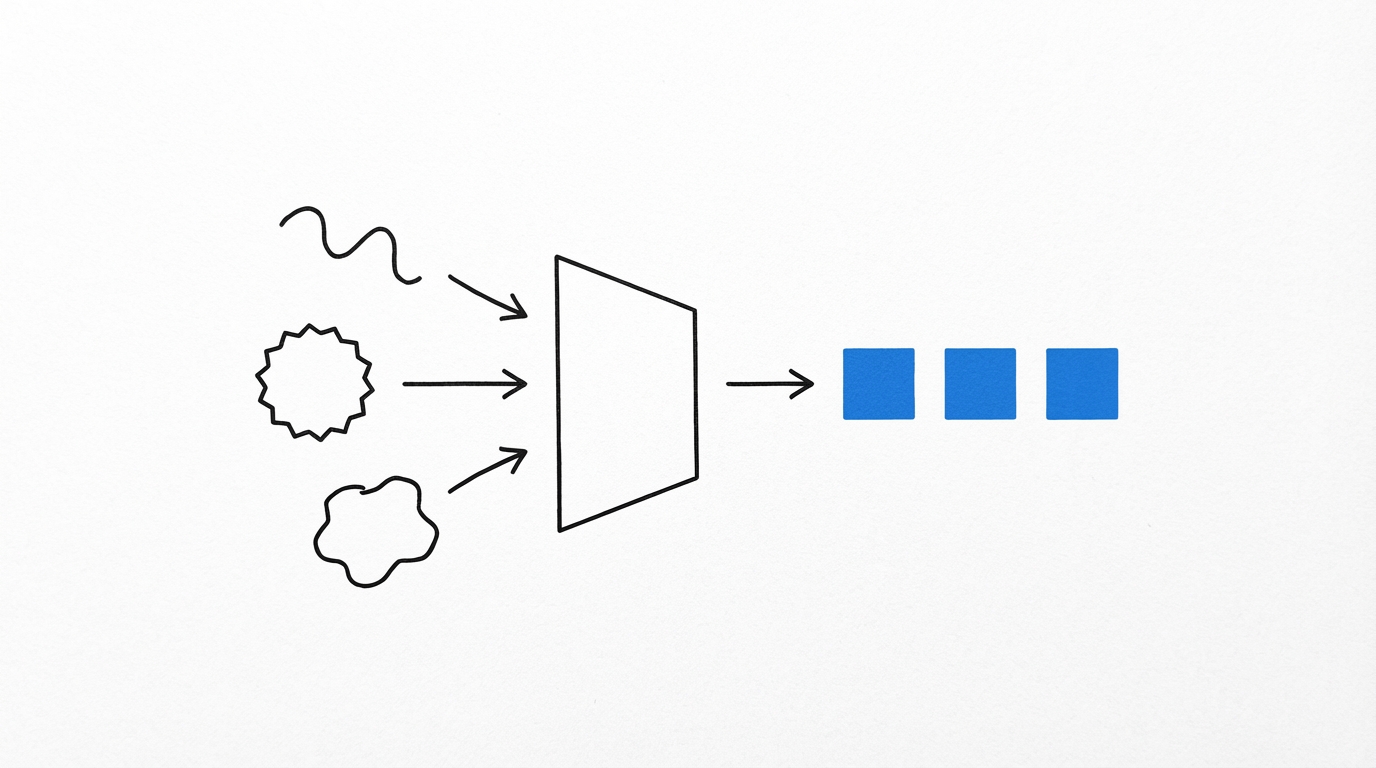
A community is an asset, but a productized service is a business. The feedback gathered from the open-ended Typeform questions revealed a recurring theme: businesses needed help implementing the technology, not just learning about it. This shift from information to implementation is how you transition from a free group to a high-ticket agency.
The Productization Framework
A productized agency takes a service—like AI implementation or UGC creation—and packages it with a fixed price and a clear scope. This makes it scalable because you aren't selling hours; you are selling a result. The community built at YouProbablyNeedaRobot.com served as the perfect lead generation engine for this agency. Within 40 days, the business was on track for a seven-figure annual run rate, all from an initial $90 investment. This demonstrates the power of lean startup methodology: start small, listen to the audience, and build the solution they are already asking for.
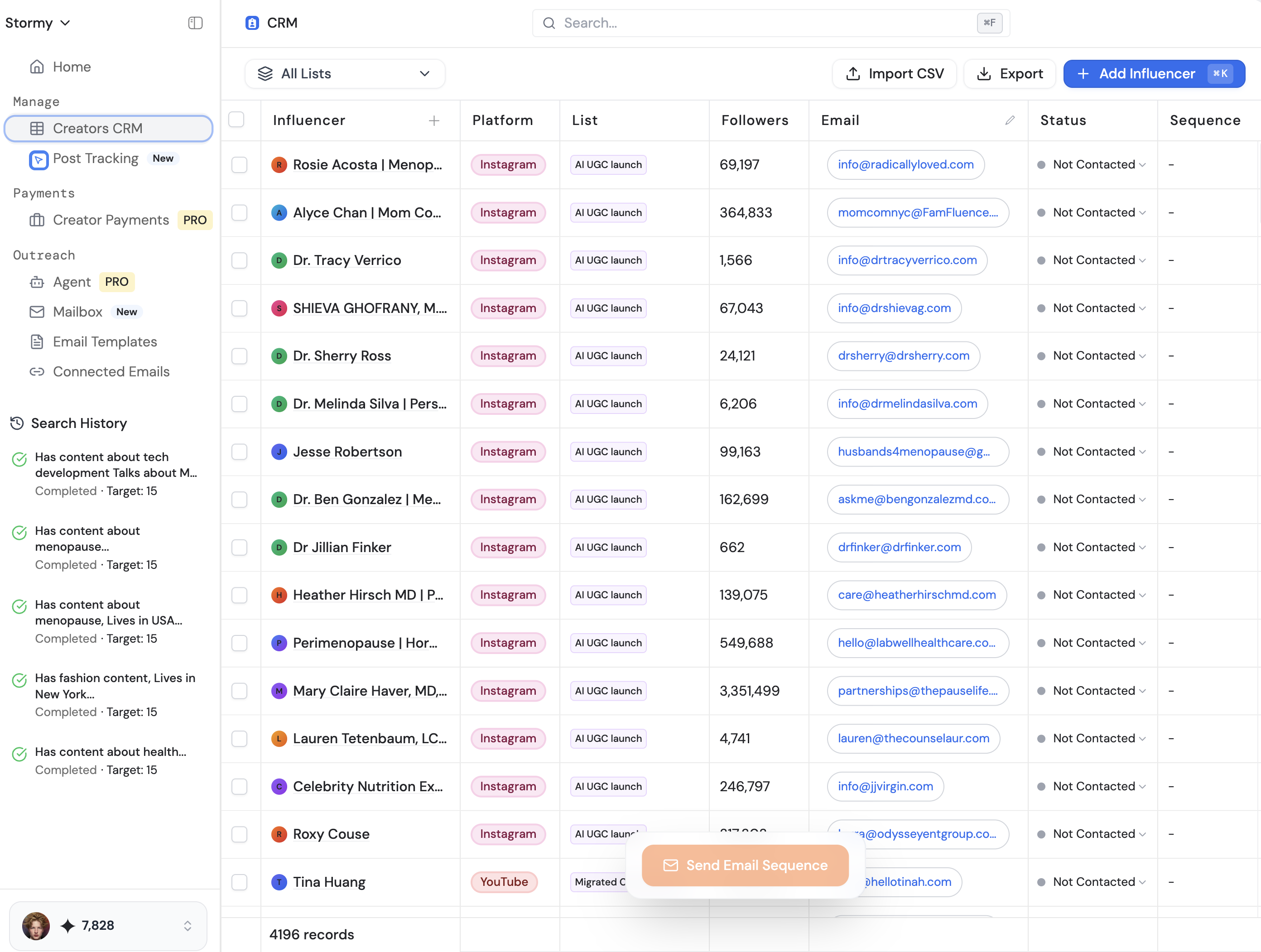
Managing this influx of leads and maintaining relationships with collaborators is often the next bottleneck. Utilizing a specialized creator CRM, such as the one offered by Stormy AI, allows you to track every interaction and negotiation in one place. This level of organization is what separates a hobbyist from a professional agency owner, especially when managing multiple outreach campaigns and creator partnerships simultaneously.
Conclusion: The $100 Blueprint for Success

Learning how to start a business with no money is not about luck; it is about following a repeatable system. By validating your ideas through social signals like the 20% rule, conducting deep market research with open-ended questions, and leveraging strategic scarcity, you can build a massive audience for almost nothing. The final step is simply connecting that audience to a high-value service that solves their most pressing needs.
Whether you are looking for low cost business ideas or aiming to disrupt an entire industry, the principles of bootstrapping a startup remain the same. Pay attention to where the questions are being asked, create a space to answer them, and build the tools that help people at scale. You don't need a massive bank account to start—you just need $90 and the discipline to follow the playbook.