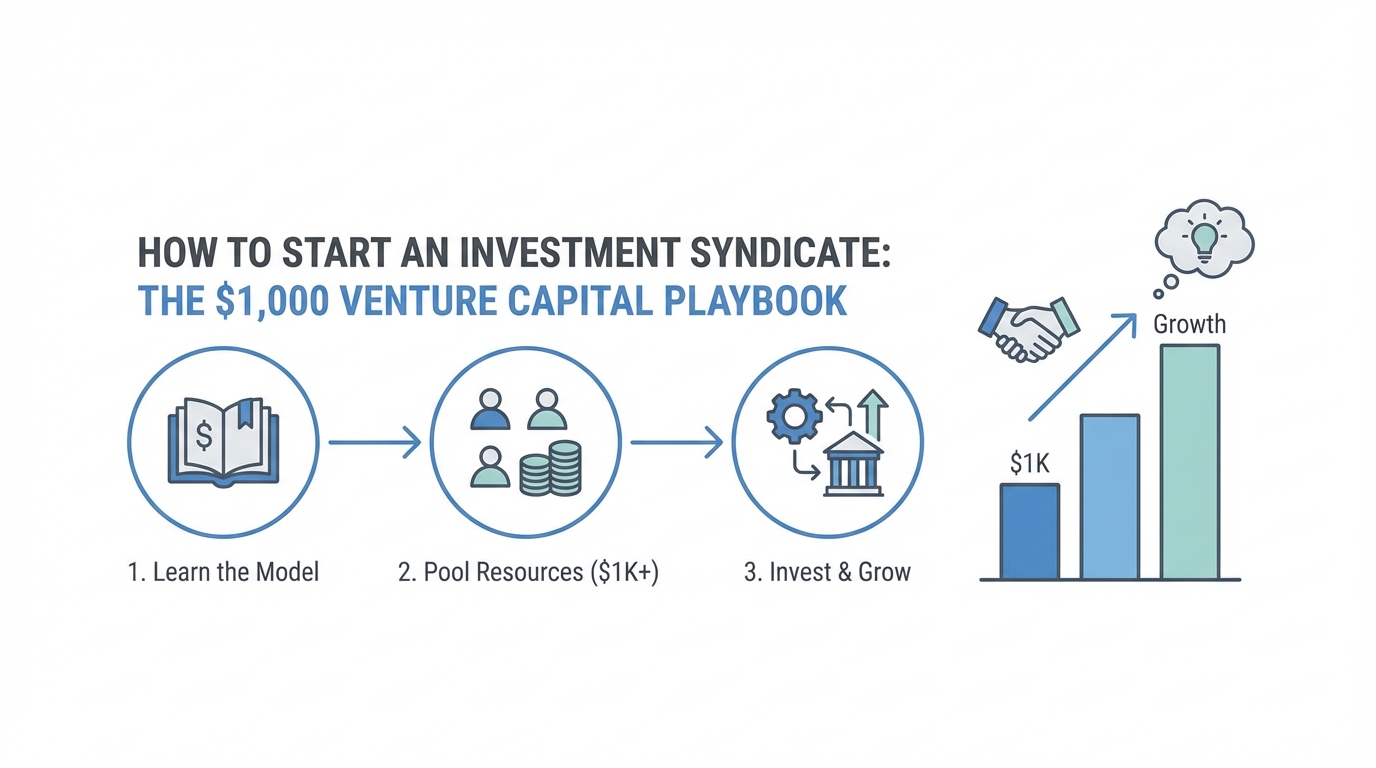
The dream of becoming a venture capitalist used to be reserved for the ultra-wealthy, the Ivy League elite, or those with deep roots in Silicon Valley. However, a massive shift in the financial landscape has democratized access to the world’s most promising startups. Today, professionals are leveraging a loophole known as the syndicate to build multi-million dollar portfolios without ever quitting their day jobs. By mastering how to start an investment syndicate, you can begin your journey into angel investing for beginners with as little as $1,000, accessing high-growth opportunities that were once behind a velvet rope. This playbook breaks down the exact steps to turn a venture capital side hustle into a powerful financial engine.
What is an Investment Syndicate?
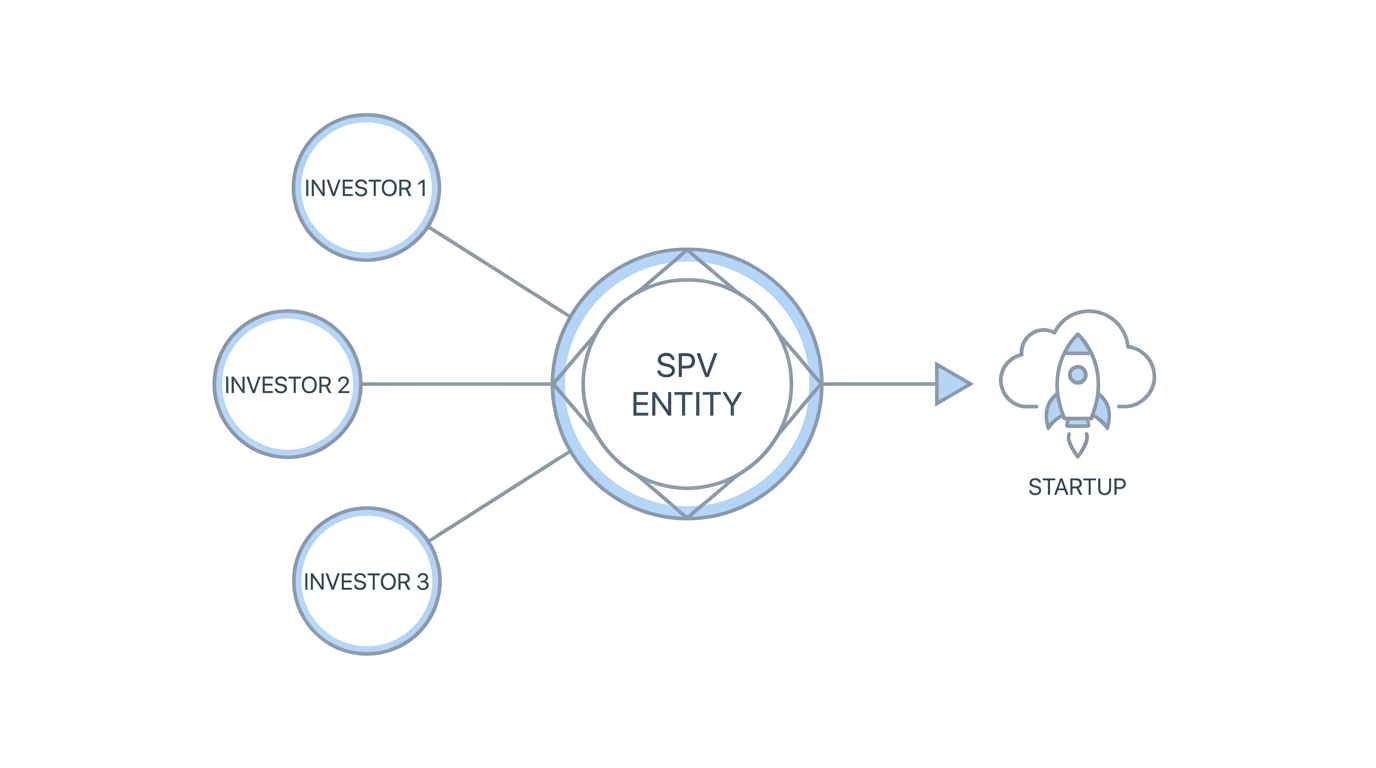
At its core, an investment syndicate is a group of investors who pool their capital together to invest in a specific startup. This is typically structured through a Special Purpose Vehicle (SPV), a legal entity created for the sole purpose of making one specific investment. According to research from Starter Story, this model allows regular professionals to act as a "Syndicate Lead," securing an allocation in a hot startup and then inviting their network to participate.

The beauty of special purpose vehicle investing is that it solves the problem of minimum check sizes. Most top-tier startups won’t accept a $1,000 check; they want $100,000 or more. A syndicate lead secures that $100,000 allocation and then fills it with 100 people contributing $1,000 each. This democratization allows you to get on the cap table of "unicorns"—startups valued at over $1 billion—alongside institutional giants. For the founder, they get one clean entry on their cap table instead of 100 individual names, keeping their administrative overhead low while gaining a diverse base of limited partners (LPs) who can provide value as the company grows.
The Venture Capital Side Hustle: Balancing a 9-to-5 with $60M in AUM
One of the most inspiring examples of this model is Alex Pattis, who managed to invest in over 275 private startups and deploy $60 million in total capital all while working a full-time job. His approach represents a 70/30 split: 70% of his time dedicated to his career and 30% to the venture capital side hustle world. This is possible because the syndicate model doesn't require the massive overhead of a traditional fund.
Instead of managing a massive pool of committed capital, you manage individual deals. You find a great company, secure the allocation, and raise the funds. This flexibility means you can take meetings with founders during early mornings or late evenings, leveraging tools like LinkedIn to build your network. To scale this effectively, modern syndicate leads are moving away from manual spreadsheets and using AI-native platforms. While traditional methods involve endless back-and-forth emails, Stormy’s creator CRM allows you to manage all your founder and investor relationships in one centralized dashboard, tracking every interaction and deal stage automatically.
Choosing Your Infrastructure: A Checklist for Success
Before you can wire a single dollar, you need a platform to handle the legal, tax, and administrative heavy lifting. You don't want to be drafting LLC operating agreements or issuing K-1 tax forms manually. When learning how to use AngelList for syndicates or comparing other platforms, you should look for a provider that offers "SPV-as-a-service."
- AngelList: The industry standard. It provides the largest network of active LPs and a seamless interface for how to start an investment syndicate. They handle everything from accreditation checks to capital calls.
- Carta: Known for its cap table management, Carta also offers robust SPV administration for more institutional-grade syndicates.
- Sidecar: A newer player that focuses on flexibility and lower costs for smaller, frequent deals. Using Sidecar is often a great choice for those just starting out with their first $10k-$50k SPV.
Regardless of the platform, your checklist should include automated KYC/AML (Know Your Customer/Anti-Money Laundering) checks, blue sky filing management, and a clean investor portal. As your syndicate grows, you’ll need more than just legal compliance; you’ll need a way to vet the people you are investing in. This is where Stormy’s influencer analysis becomes a competitive advantage. If you are investing in a founder-led brand or a startup relying on social distribution, you can instantly detect fake followers and engagement fraud, ensuring the "hype" around a deal is backed by real audience quality.
How to Source High-Quality Deals: The 5-Step Sourcing Flywheel
The hardest part of angel investing for beginners isn't the paperwork—it's getting access to the best deals. Top-tier founders don't just take money from anyone; they want "smart money." To build a portfolio of 275+ companies, you need a repeatable sourcing flywheel. Alex Pattis identifies five primary ways to find deals:
- Co-Syndicating: Partnering with other syndicate leads who have a larger allocation than they can fill.
- VC Relationships: Building a brand as a "deal flow hustle guy" who shares quality leads with larger venture funds.
- Portfolio Referrals: Being helpful to the founders you’ve already backed so they refer their friends to you.
- Angel Networks: Networking with very early-stage angels who invest in the pre-seed stage.
- Your Investor Base: Leveraging your own LPs—who are often CEOs or VCs themselves—to find new opportunities.
In the modern era, deal scouting is also about identifying trends before they hit the mainstream. Many of the most successful startups today are built by creators or rely heavily on user-generated content (UGC) for growth. To find these "under the radar" founders, you can use Stormy’s AI search. Instead of waiting for a pitch deck, you can proactively search for creators in niches like fintech or health-tech who are showing explosive growth on TikTok or YouTube, allowing you to reach out and offer an investment before the deal becomes competitive.
Structuring Your Syndicate for a $1,000 Minimum
To attract a diverse LP base, you should structure your syndicate to be as accessible as possible. While traditional funds might have a $250,000 minimum, a side-hustle syndicate thrives on volume and community. Setting a $1,000 minimum investment allows junior engineers, marketing managers, and other professionals to participate in special purpose vehicle investing.
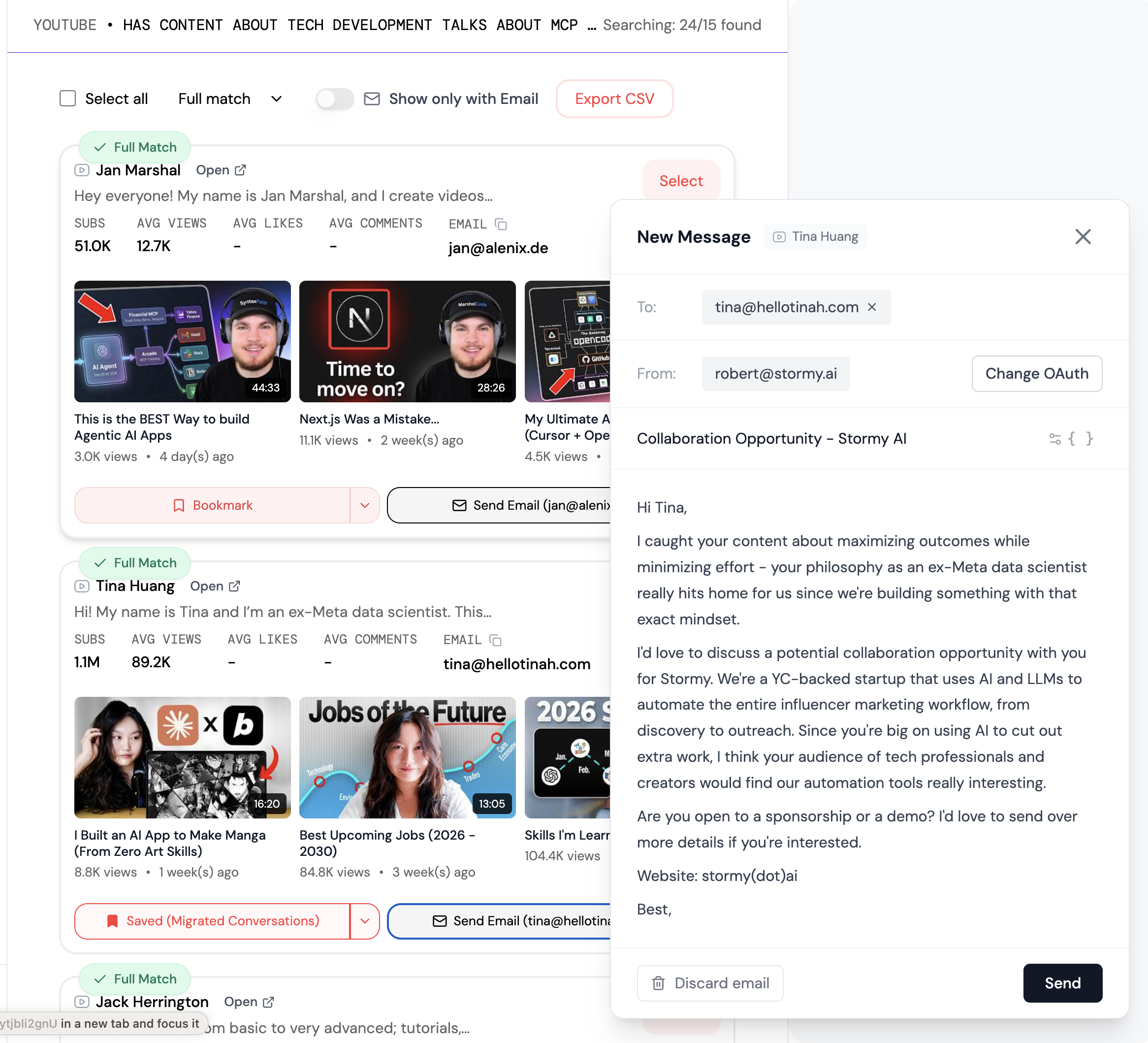
This low barrier to entry builds immense loyalty. When you have 100 LPs who each put in $1,000, you have 100 "nodes" in your network who are incentivized to see the company succeed. They will tweet about the product, introduce the founder to potential hires, and provide feedback on beta versions. Managing this level of outreach manually is impossible for a side hustle. To keep your LPs engaged and your founders happy, you can utilize an AI-powered email agent. Stormy’s AI outreach handles personalized follow-ups and investor updates automatically, allowing you to run a world-class operation while you sleep.
The Step-by-Step Timeline: From Allocation to Closing
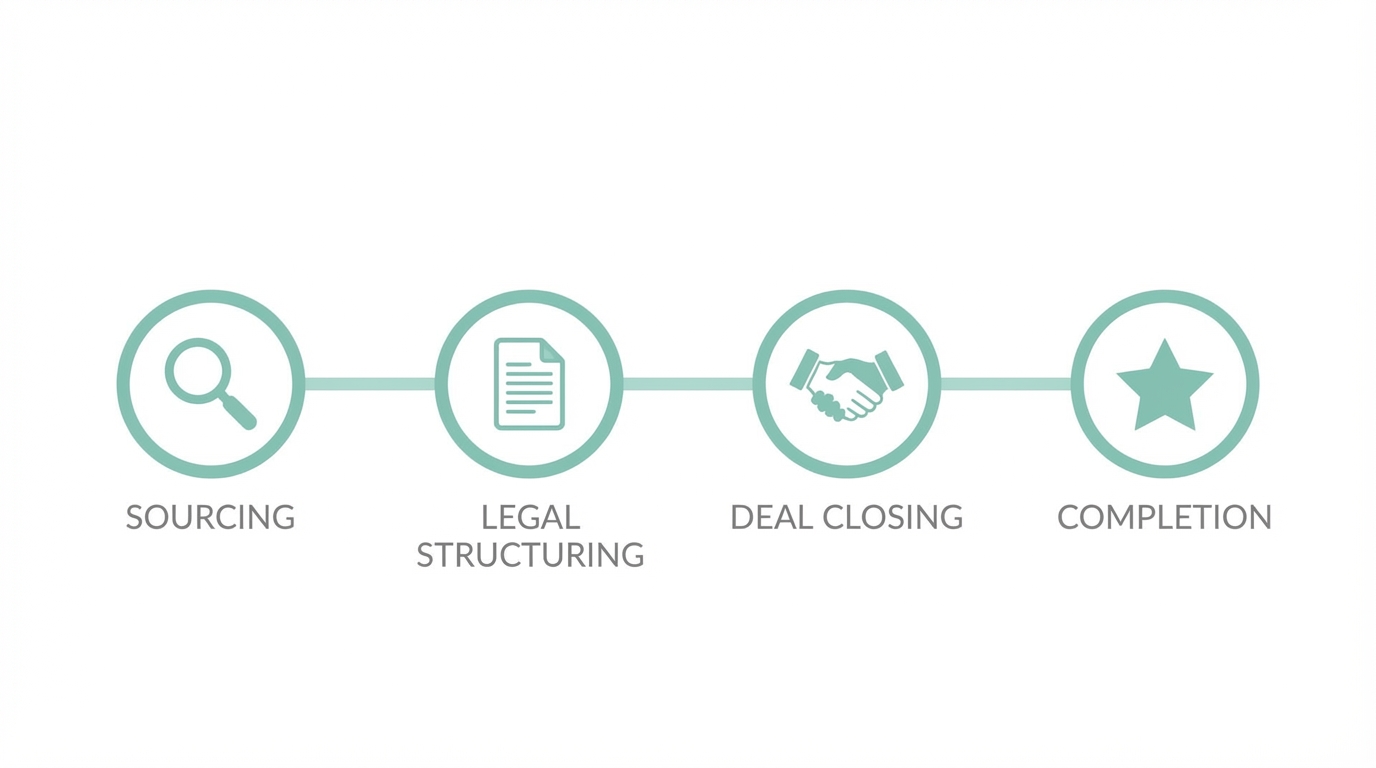
Once you've identified a deal, the process moves quickly. Time is of the essence in venture capital, and founders won't wait weeks for you to round up capital. Here is the standard timeline for closing an SPV:
Step 1: Secure the Allocation
Talk to the founder and confirm the amount they are willing to let your syndicate invest (e.g., $100k). Ensure a lead VC has already set the terms (valuation, liquidation preference, etc.).
Step 2: Draft the Deal Memo
Create a compelling document explaining why you are excited about the deal. Focus on the founder's background, the market size, and signs of product-market fit. Use data from Google Ads or Meta Ads Manager if applicable to show market demand.
Step 3: Launch the SPV
Set up the entity on your chosen platform (AngelList or Sidecar). This usually takes about 48 hours. Send the deal memo to your investor base and give them 7-14 days to commit capital.
Step 4: Close and Wire
Once the allocation is filled, the platform handles the signing of documents. You then close the SPV and wire the total capital to the company. After this, you are officially on the cap table.
The Economics of Syndicates: Carried Interest and ROI

The reason people start syndicates as a venture capital side hustle isn't for management fees—it’s for carried interest (or "carry"). Most syndicates don't charge an upfront fee; instead, they take 20% of the profits. If an investor puts $1,000 into your SPV and it eventually returns $10,000, the investor gets their $1,000 back plus 80% of the $9,000 profit. You, as the syndicate lead, keep 20% of that profit ($1,800) as your carry.
This model aligns your interests perfectly with your LPs. You only make money if they make money. In the world of early-stage startups, the goal is to find "home runs." While many investments may go to zero, a single winner can return 50x, 100x, or even 250x ROI. To maximize your chances, you must diversify. Investing in 275 companies isn't about being reckless; it's about increasing the statistical probability of hitting an Uber or Airbnb-level success. Tracking these results over time is essential for raising your next deal. Stormy’s post tracking and analytics tools can help you monitor the digital footprint of your portfolio companies, giving you early signals of which startups are gaining traction on social media and which might be the next big exit.
Conclusion: Your Path to Becoming a Syndicate Lead
Starting an investment syndicate is the ultimate "career hack" for anyone interested in technology and finance. It allows you to build a massive network, learn from the world's best founders, and create significant wealth through carried interest—all without the risk of leaving your primary income source. By following this $1,000 venture capital playbook, you can begin building your track record today. Start by networking with founders, use platforms like Apple Search Ads to understand which apps are actually growing, and lean on AI-native tools to handle the heavy lifting. If you're ready to automate your deal flow and outreach, explore Stormy AI for influencer vetting, fake follower detection, AI email outreach with auto follow-ups, creator CRM, post tracking, and creator payments to find your first unicorn deal.