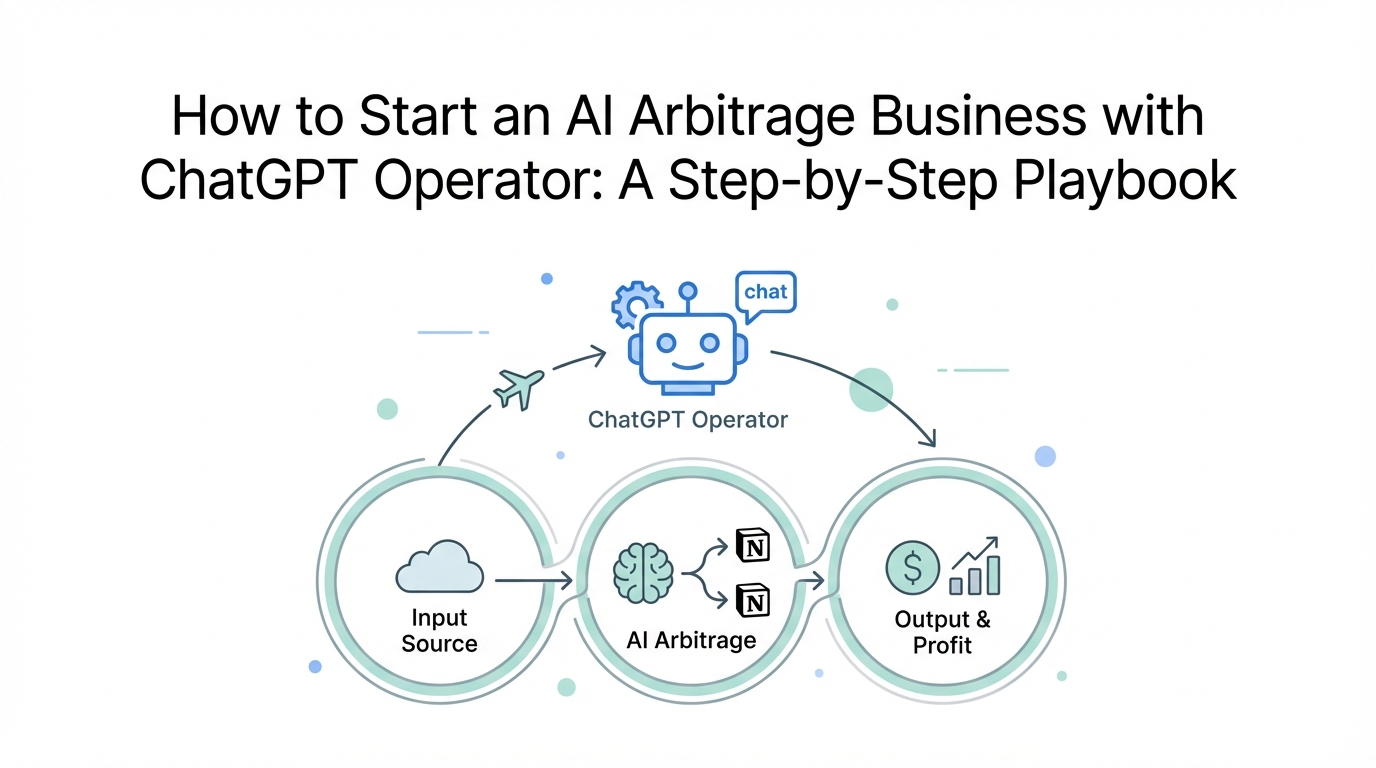
The era of the manual side hustle is ending. For decades, retail arbitrage required hours of scrolling through Facebook Marketplace or driving to thrift stores, hoping to find a hidden gem that could be flipped for a profit on eBay. It was a game of stamina, not just strategy. However, with the release of AI agents like the ChatGPT Operator, the barrier between an idea and a fully automated revenue stream has vanished. We are witnessing a fundamental shift where artificial intelligence doesn't just suggest ideas—it executes them.
What is an AI Arbitrage Business?
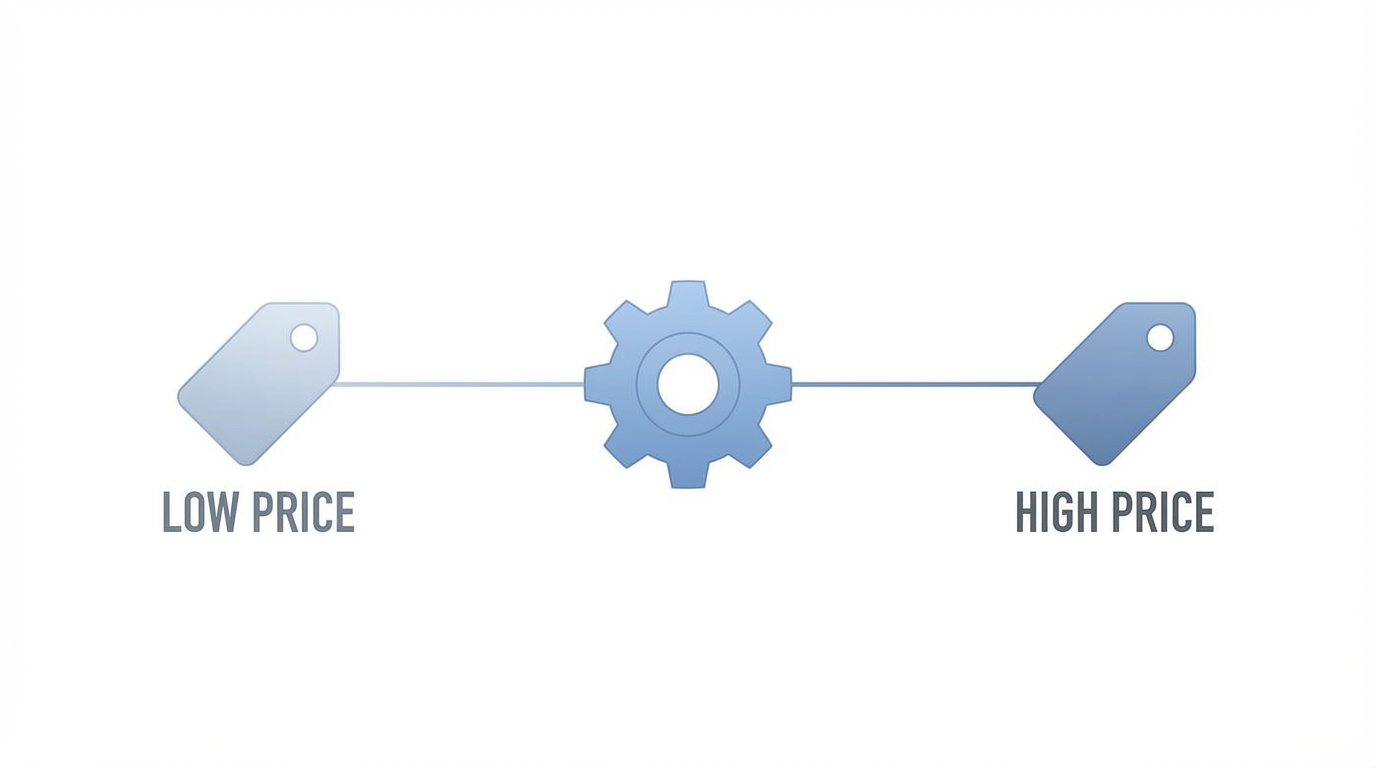
At its core, arbitrage is the practice of taking advantage of a price difference between two or more markets. In the context of the modern web, this usually means finding an undervalued item on a local platform like Facebook Marketplace and selling it at its true fair market value on a global platform like eBay. While the concept isn't new, the AI arbitrage business model uses autonomous agents to handle the discovery, logging, and even the initial outreach to sellers.
According to Chris Korner of The Korner Office podcast, this represents a "six or seven-figure opportunity." By delegating the grunt work to an agent, you can scan thousands of listings across multiple zip codes while you sleep. The goal is to identify high-ticket items—think professional kitchen equipment, high-end electronics, or specialty outdoor gear—where the price discrepancy is large enough to cover shipping and still leave a healthy margin.
The Foundation: ChatGPT Operator Tutorial
To begin this journey, you currently need access to the ChatGPT Pro plan (often cited at the $200/month tier for full agent capabilities), which includes the Operator feature. Unlike a standard chatbot, Operator is an agent that can control your browser, navigate websites, click buttons, and type into forms just like a human would.
Before launching your first agent, you need to prepare your digital workspace. You will need a clean Google Sheets document to act as your lead database. The agent will use this to log the item title, price, location, condition, and the direct link to the listing. This structured data allows you to perform automated retail arbitrage at scale, as you can quickly review a dozen high-probability flips in minutes rather than hours.
Step 1: Identifying Undervalued High-Ticket Items

The first step in the playbook is niche selection. You want products that are recognizable, have a stable resale value, and are often sold by individuals who just want to "clear out the garage." A prime example discussed in recent experiments is the Gozney pizza oven. These are high-quality, 900-degree outdoor ovens that retail for $500 or more. Because they are heavy and specialized, local sellers on Facebook often list them for $200-$250 just to avoid the hassle of shipping.
To start, you give the Operator a specific prompt: "Find a Gozney pizza oven in any market on Facebook Marketplace that is grossly undervalued compared to the same model on eBay. Focus on sellers willing to ship. Log the results in this spreadsheet." The agent then navigates to Marketplace, sets the location parameters (e.g., within 500 miles of a major hub like Dallas), and begins its search. Because the agent understands context, it can identify if a listing includes valuable accessories like a propane burner or a pizza peel, which further increases your potential profit margin.
Step 2: Automating Data Entry and Comparison
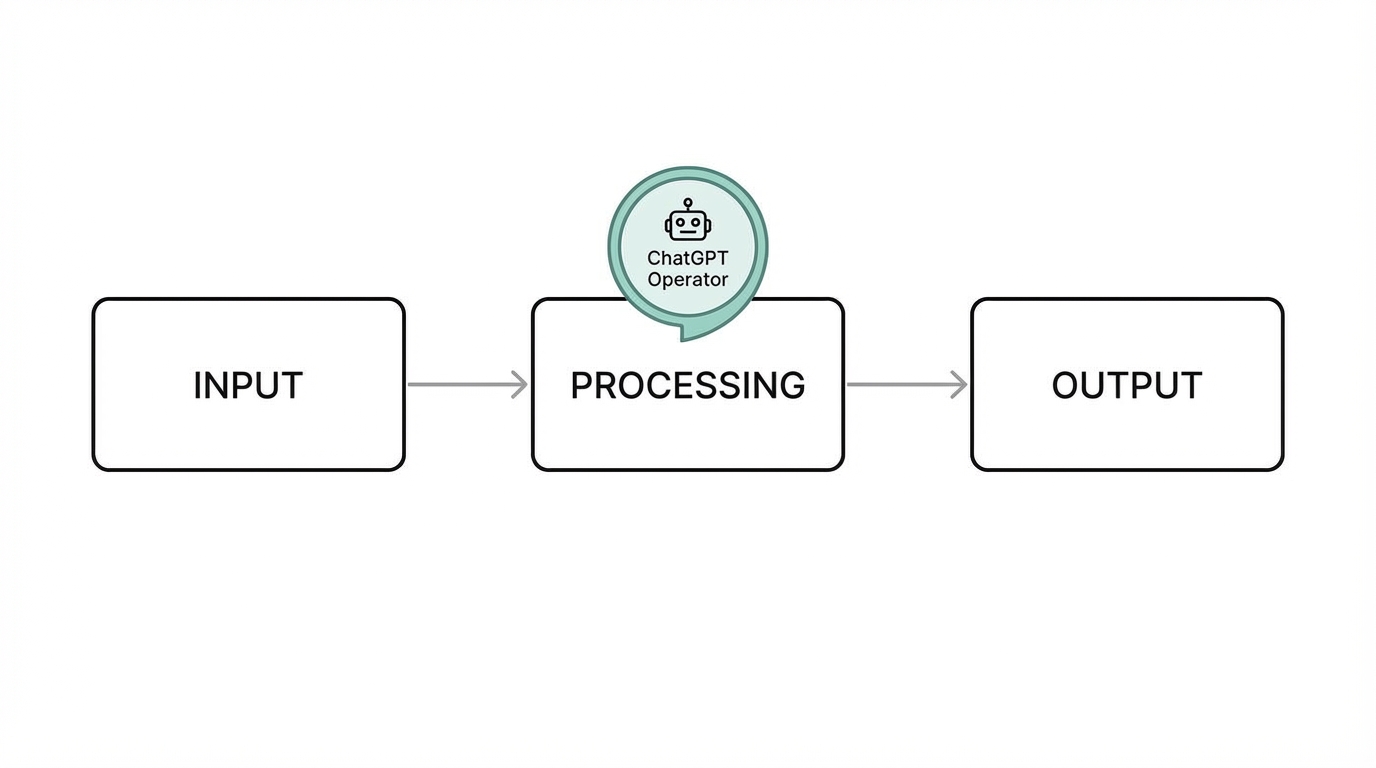
Once the agent finds a promising lead, it shouldn't just show it to you—it should organize it. By connecting the agent to Google Sheets, you create a living dashboard of your AI arbitrage business. The agent will fill out columns for "Current Price," "Estimated eBay Price," and "Link."
A sophisticated ChatGPT Operator tutorial approach involves having the agent perform "cross-market research." You can instruct the agent to visit eBay first to find the average sold price for a specific item over the last 30 days. Armed with this "fair market value," the agent can then filter Facebook listings to only show those priced at 50% or less of that value. This ensures that every lead in your spreadsheet has a built-in profit margin before you even look at it.
Step 3: AI-Driven Outreach and Negotiation
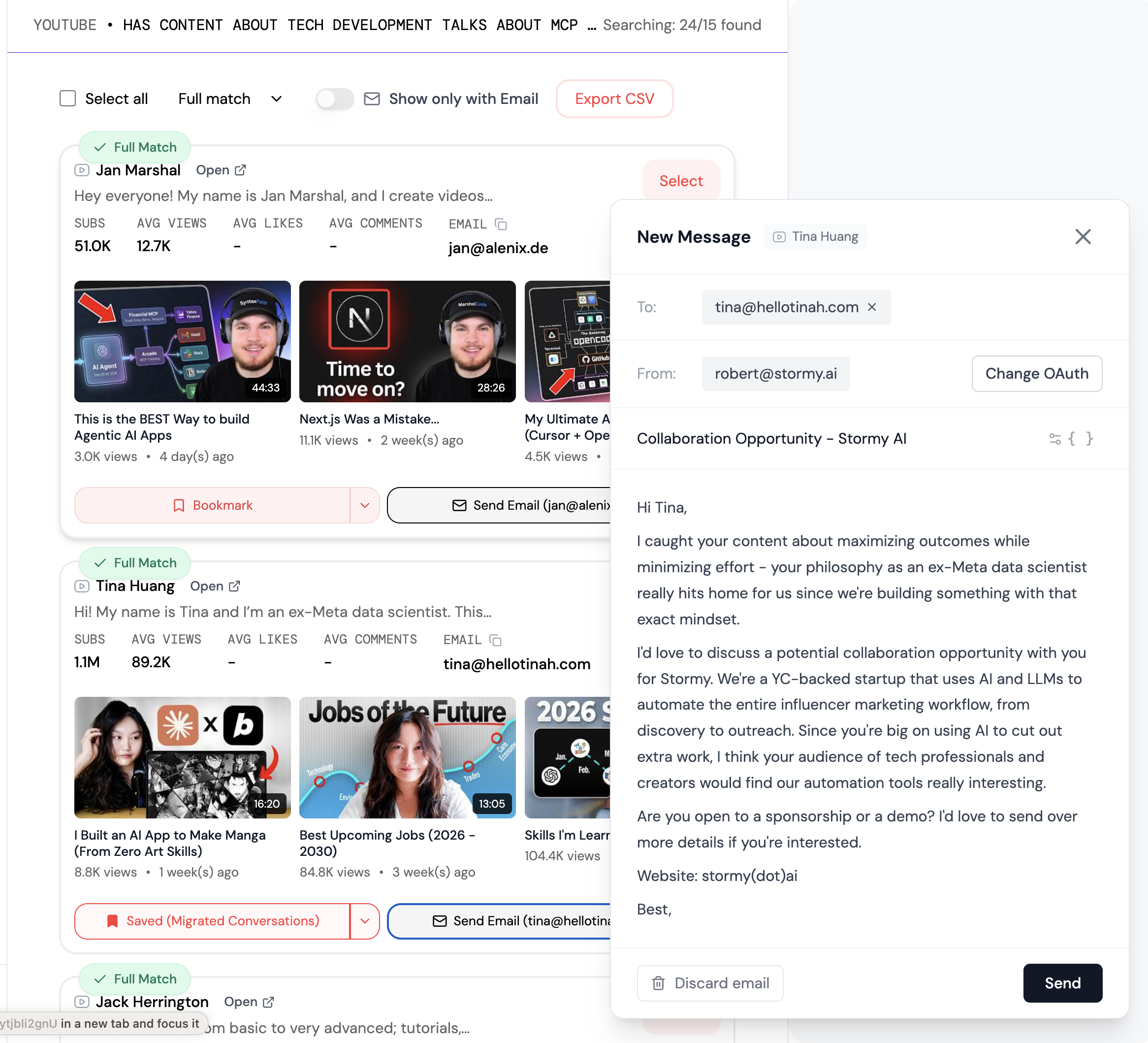
This is where the "magic" happens. Instead of you messaging every seller manually, you can instruct the Operator to initiate the conversation. You might prompt it to: "Message the seller of the $250 pizza oven and offer $150 cash if they can ship it. Ask for a shipping quote to my zip code."
While some platforms have bot detection, the key is to finessing the prompt. If the agent hits a roadblock, you can use the "take control" feature to guide it through a login or a specific button click. Once the agent understands the flow, it can replicate it across dozens of listings. This Facebook Marketplace automation allows you to cast a wide net, knowing that arbitrage is a numbers game. The more lowball offers you send on items that have been listed for 30+ days, the higher your chances of a "yes" from a motivated seller.
Sourcing and Scaling with Global Vendors
Arbitrage doesn't have to be limited to used goods. You can also use agents to source free samples or bulk discounts from global marketplaces like AliExpress or Banggood. The strategy here is to identify trending items—such as earbuds or smart home gadgets—and have the agent message multiple vendors to request samples for "review purposes."
For those looking to scale this into a brand, platforms like Stormy AI can help source and manage UGC creators to market these products once they arrive. If you are flipping high-end pizza ovens or tech gadgets, having an army of creators generating authentic content can significantly increase your sell-through rate on platforms like TikTok Shop or eBay. Managing these relationships through a dedicated AI-powered platform ensures that your arbitrage flip turns into a sustainable e-commerce brand.
Overcoming Roadblocks and Bot Detection
Running an automated retail arbitrage system isn't without its hurdles. Websites like Facebook and AliExpress have sophisticated security measures. If your agent is moving too fast or performing repetitive actions, it might trigger a captcha or a temporary block. To avoid this, you should instruct your agent to "move at a human pace" or even set specific goals, such as "submit only three quote requests per minute."
If the agent becomes "stubborn" or refuses to perform a task (like using a certain tone), it’s often because of the built-in safety filters of the LLM. You can often bypass these by rephrasing the request to focus on utility rather than personality. For example, instead of asking the agent to be "aggressive" in negotiations, ask it to "prioritize the lowest possible price and highlight the immediate availability of funds."
The 'Buy Local, Sell Global' Strategy

The most successful AI arbitrage business owners follow the "Buy Local, Sell Global" mantra. Local markets (Facebook, Craigslist, OfferUp) are inefficient. They rely on who is physically near the seller. Global markets (eBay, Amazon, specialty forums) are efficient. They rely on who wants the item most in the entire world.
When your agent finds a specialized item—like a vintage synthesizer or a specific model of Gozney oven—it is leveraging that inefficiency. The local seller wants it out of their garage today. The global buyer is willing to pay a premium for that specific model because they've been searching for it for months. Your AI agent is the bridge that connects these two parties with minimal effort on your part.
Beyond Arbitrage: Agents for General Business
The skills you learn in this ChatGPT Operator tutorial are transferable to almost any business task. As demonstrated by Chris Korner, you can use these agents to automate wedding planning by reaching out to caterers on The Knot, or even manage cold email campaigns by logging into Gmail and sending personalized messages to a list from a spreadsheet. The agent can even handle Beehiiv newsletter integrations or search for ASO opportunities for mobile apps.
For entrepreneurs, the AI agent is essentially a $200/month executive assistant that doesn't sleep. Whether you are using tools like Stormy AI to discover creators for a marketing campaign or scanning for pizza ovens, the ability to automate the "browser-based grunt work" is the ultimate competitive advantage in 2024 and beyond.
Conclusion: Your First 24 Hours
To start your AI arbitrage business today, don't wait for the tools to become "perfect." The bugs and the "slowness" are actually your advantage—they represent the barrier to entry that keeps your competition away. Start by picking one high-ticket niche you understand. Set up your Google Sheets, fire up ChatGPT Operator, and give it its first mission. By this time tomorrow, you could have a dozen undervalued leads waiting for your approval. The future belongs to those who learn to manage the agents, not those who compete with them.