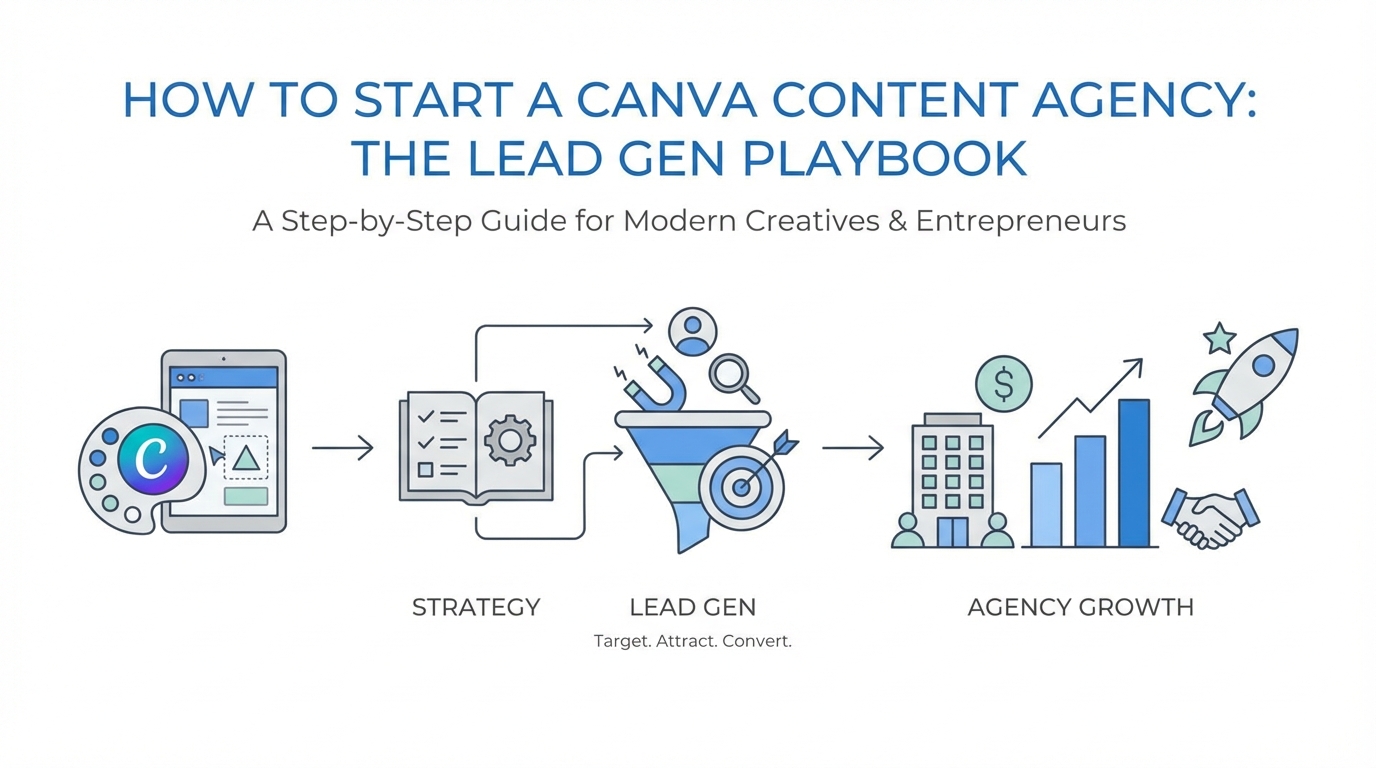
The dream of a high-margin, cash-flowing business is often buried under the weight of complex operations, but for those who know how to start a content agency in the modern era, the path is surprisingly simple. By combining the accessibility of Canva for business with the raw power of YouTube lead generation, you can build a design empire without ever touching Photoshop. This is not just about making pretty social media posts; it is about building a system where outsourcing design work to elite offshore talent allows you to scale while maintaining an 80% profit margin. Whether you are a veteran entrepreneur or a first-time founder, this playbook outlines how to turn search volume into a million-dollar agency asset.
The Evolution of the Canva Agency Model
For years, design agencies were gated by the need for expensive creative directors and high-end software suites. However, the market has shifted. Today, small and medium-sized businesses do not need a 50-page brand book; they need white label design services that can produce high-quality assets at the speed of social media. The rise of Canva has democratized design, but it has also created a new problem: business owners are busy. They know the tool is capable, but they do not have the ten hours a week required to master its nuances. This gap between 'the tool is easy' and 'the work still takes time' is where your agency lives.
Success in this space starts with a mindset shift. You are not selling 'design'; you are selling time and expertise. By positioning yourself as the authority on Canva for business, you become the logical choice for companies that want professional-grade assets without the professional-grade price tag of a traditional firm. The foundation of this business relies on a YouTube lead generation funnel that feeds an automated fulfillment engine. When you demonstrate your expertise through tutorials, you build a 'deep relationship' with your audience before they ever see a contract.
Step 1: Identifying High-Volume Lead Gen Keywords
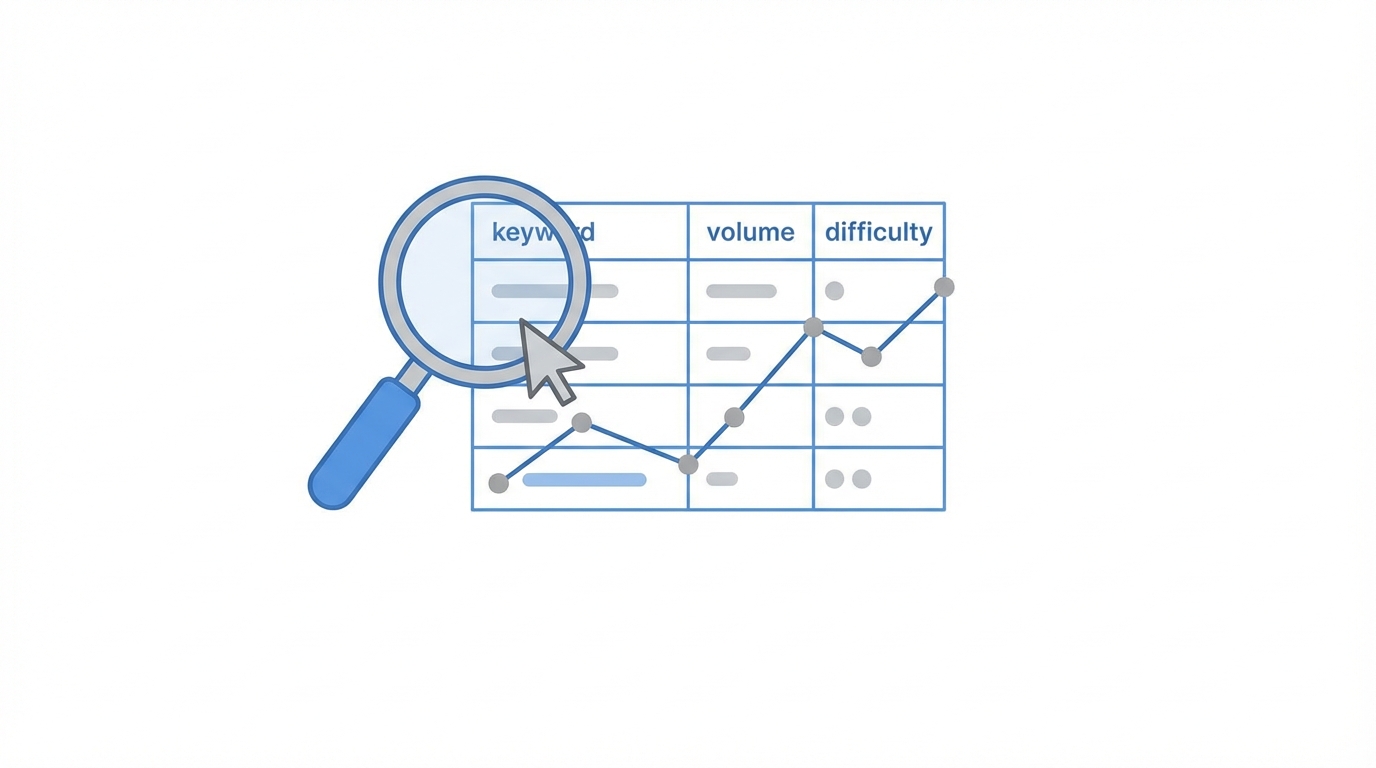
The biggest mistake new agency owners make is waiting for clients to find them. Instead, you must go where the problem is being articulated. Every day, thousands of business owners go to YouTube and search for specific Canva solutions. Your goal is to own those search terms. You need to identify keywords like 'how to design a pitch deck in Canva,' 'creating TikTok templates in Canva,' or 'how to automate social media posts.' These are high-intent searches. If someone is looking for a tutorial on how to build a complex asset, they are often one step away from realizing they would rather pay someone else to do it.
Using platforms like Google Ads to research keyword volume allows you to map out your content strategy based on data, not guesses. Each video you create acts as a 20-minute (or even 2-hour) Video Sales Letter (VSL). By the end of the tutorial, the viewer has seen your workflow, trusted your taste, and realized the complexity involved. You are effectively using education as a top-of-funnel filter to find clients who value quality but lack the time to execute it themselves.
Step 2: Building the 'Canva-to-Agency' Pipeline
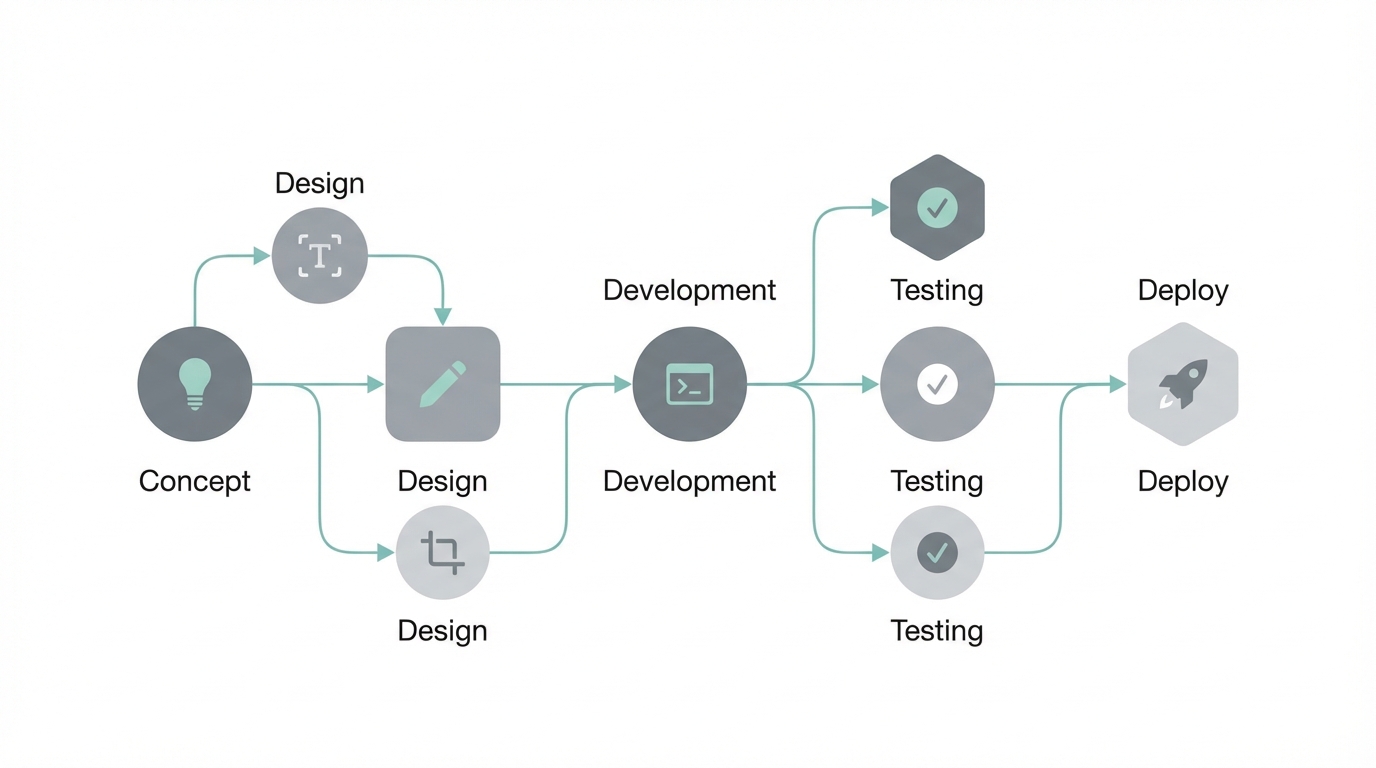
Once you have captured attention on YouTube, you need a frictionless way to move that viewer into your white label design services. This is where the 20-minute step-by-step tutorial becomes your greatest asset. It builds immediate trust. You aren't just a faceless agency; you are a teacher. This content strategy creates an inbound lead machine that never sleeps. You can further optimize this by building a newsletter around these tutorials. Every time you drop a new video, you email your list, keeping your agency top-of-mind for when they eventually scale their content needs.
To manage the intake of these leads, you should utilize a structured funnel. Your YouTube descriptions should link to a landing page where prospects can sign up for a trial or a consultation. At this stage, you are no longer just a creator; you are an agency owner building an asset. For those focused on hyper-growth, white label design services allow you to sell design packages to other agencies—like SEO firms or marketing consultants—who need creative work but don't want to hire in-house designers. This creates a secondary B2B revenue stream that is extremely stable.
Step 3: Sourcing and Managing Offshore Talent
The secret to 80% margins is outsourcing design work. You do not need a designer in New York or London; you need someone who is world-class at the Canva suite and understands visual hierarchies. Many founders find incredible talent in Southeast Asia or South Korea—markets that are highly skilled and efficient. The goal is to find 'Individual Contributors' (ICs) who can take the creative brief you've recorded and execute it perfectly within the Canva ecosystem. This keeps your costs low while providing a living wage in the talent's local economy.
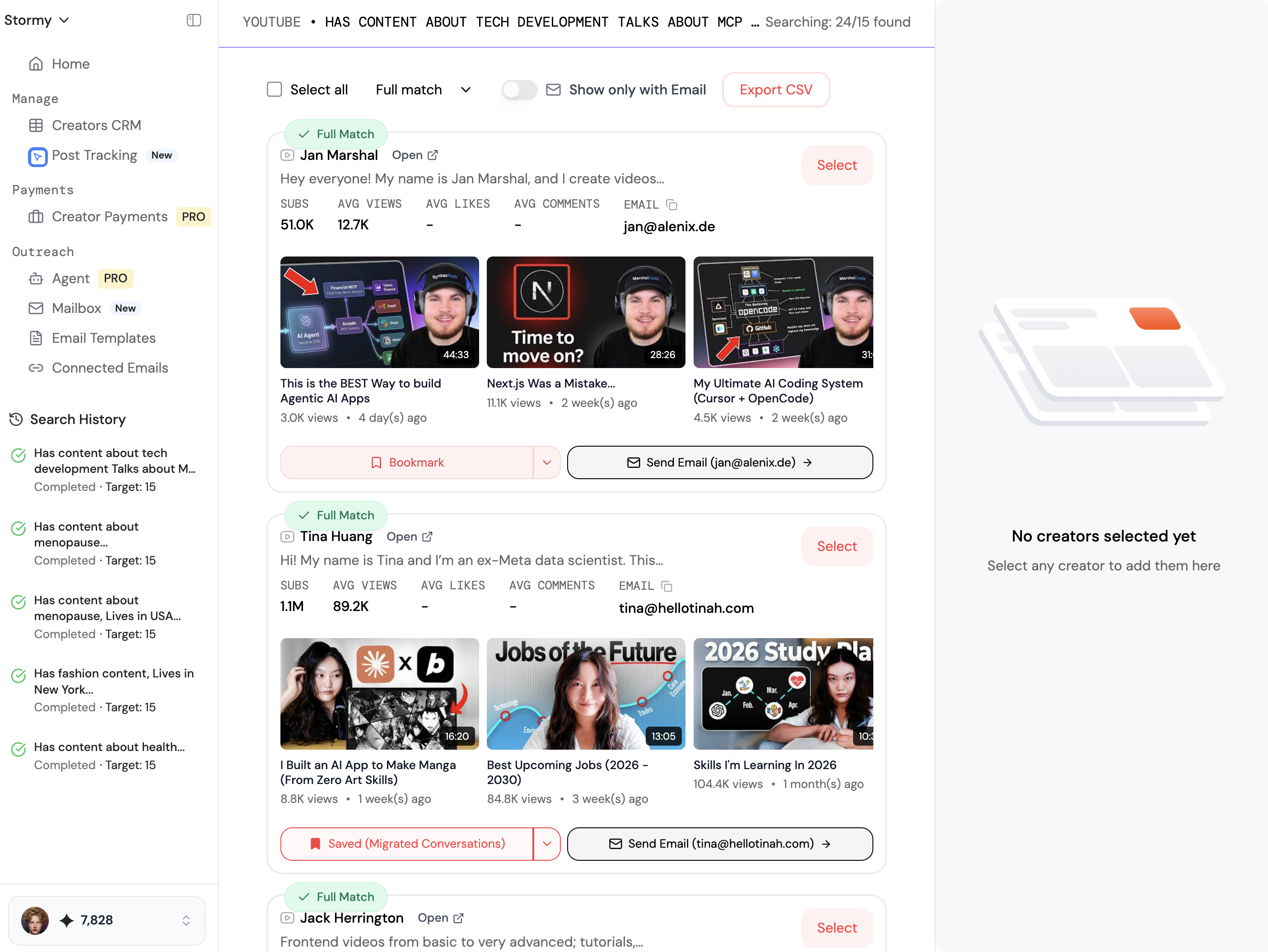
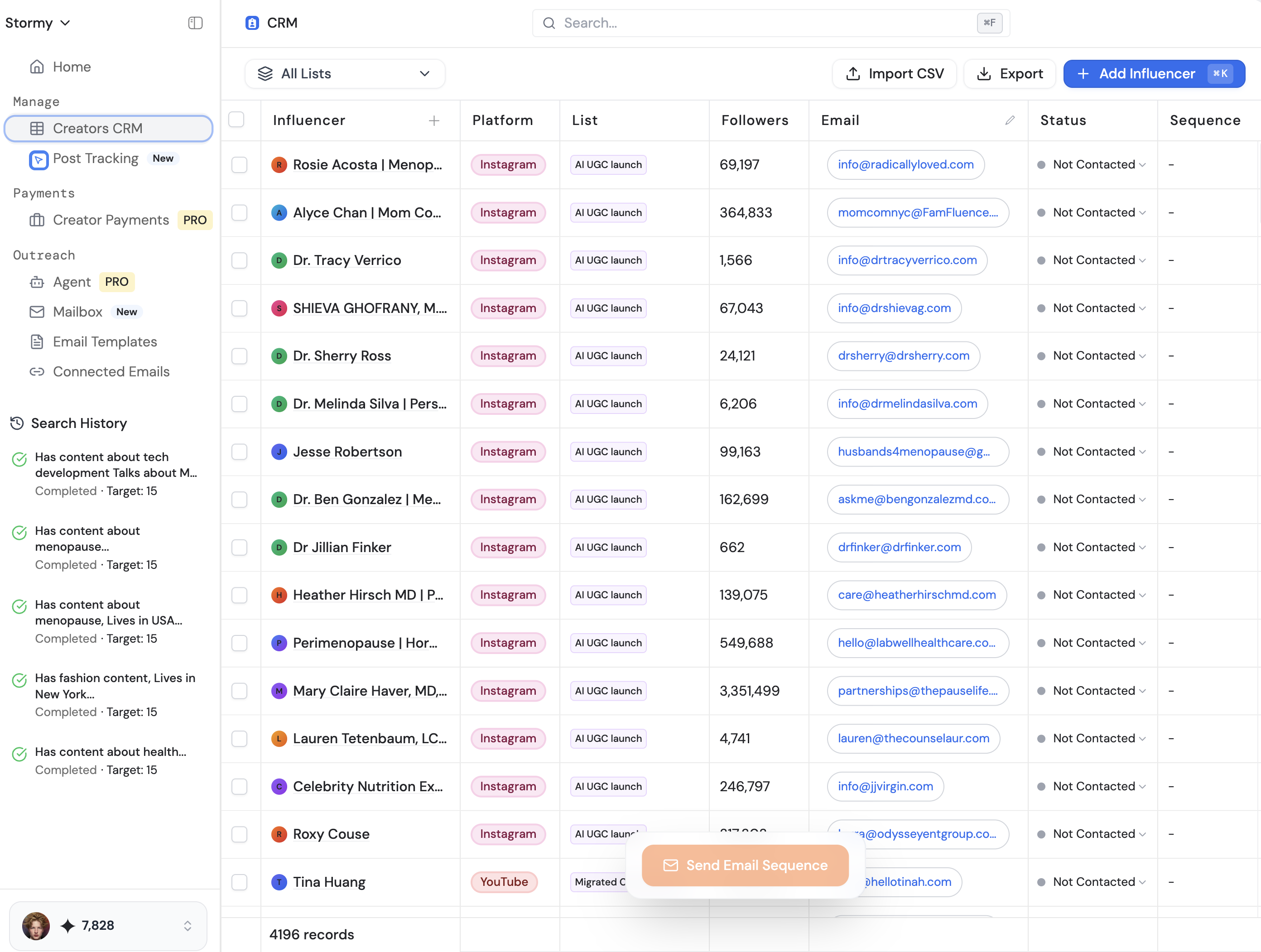
Managing a distributed team requires the right tools. When you are scaling and need to find specific types of creators to help with brand awareness or UGC for your clients, platforms like Stormy AI streamline creator sourcing and outreach. Stormy's AI-powered search allows you to find influencers and creators who fit your niche, while the built-in CRM helps you track every collaboration and payment in one place. This allows you to focus on the high-level strategy while the system handles the discovery and vetting of the talent you need to fulfill your client's needs.
Step 4: The Three-Tiered Monetization Stack
A true Canva agency is more than just a service business; it is a multi-layered revenue machine. To reach the million-dollar mark, you should diversify your income streams. First, there are the service fees from your design clients. Second, there is affiliate revenue. Many SaaS tools, including Adobe, offer between 10% and 50% recurring commissions for referrals. If you include these tools in your tutorials, you create a passive income stream that can often outpace the agency's service revenue.
Third, you have newsletter ad sales. As your YouTube audience grows, so will your email list. High-value B2B audiences are incredibly attractive to advertisers. By sending out a newsletter three times a week using a platform like Beehiiv, you can sell ad slots to companies looking to reach business owners. This turns your lead gen funnel into a standalone profit center. This 'trifecta' of services, affiliates, and ads ensures that your business remains healthy even if one channel fluctuates.
Step 5: Scaling to 80% Margins and Software
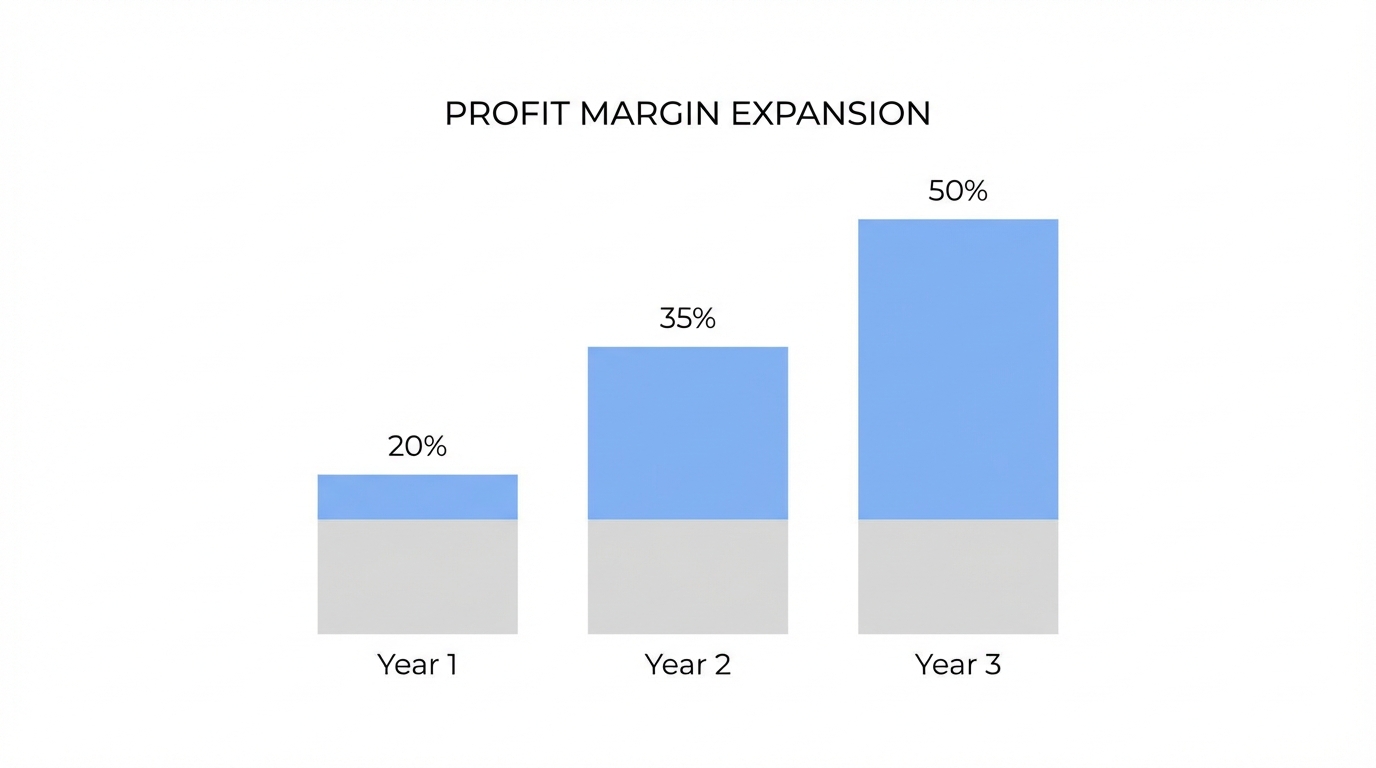
The final stage of how to start a content agency involves moving from a managed agency to a software-enabled powerhouse. As you work with clients, you will identify gaps in Canva’s functionality—for example, the need for better automated captions for video. This is an opportunity to build a 'Canva App' or a micro-SaaS that solves a specific pain point. You already have the audience and the newsletter to distribute it. This transition from 'Agency' to 'Software' is how you create an exit-ready company.
If you aren't a developer, you can use services like HTML Burger to build out your initial tools or landing pages for just a few thousand dollars. By outsourcing design work for the tool itself, you keep your overhead low while building an asset that can be sold for a multiple of revenue. This is the 'digital real estate' model. Unlike physical real estate, there are no tenants to manage and no mortgages to worry about; just pixels, search volume, and recurring revenue. For more insights on building these types of cash-flowing businesses, following industry leaders like Greg Eisenberg is essential for staying ahead of the curve.
Conclusion: Your Agency Blueprint
Building a Canva content agency is one of the most accessible paths to a million-dollar business in today's economy. By focusing on YouTube lead generation, mastering Canva for business, and effectively outsourcing design work, you create a scalable engine that provides massive value to clients while giving you freedom. Remember: start with the problem (search volume), build the trust (tutorials), and automate the fulfillment (offshore talent). If you are looking to accelerate your growth by finding the right creators to represent your brand or your clients, Stormy AI provides the vetting and discovery tools needed to scale your outreach without losing the personal touch. The digital real estate is there for the taking—now go out and build it.