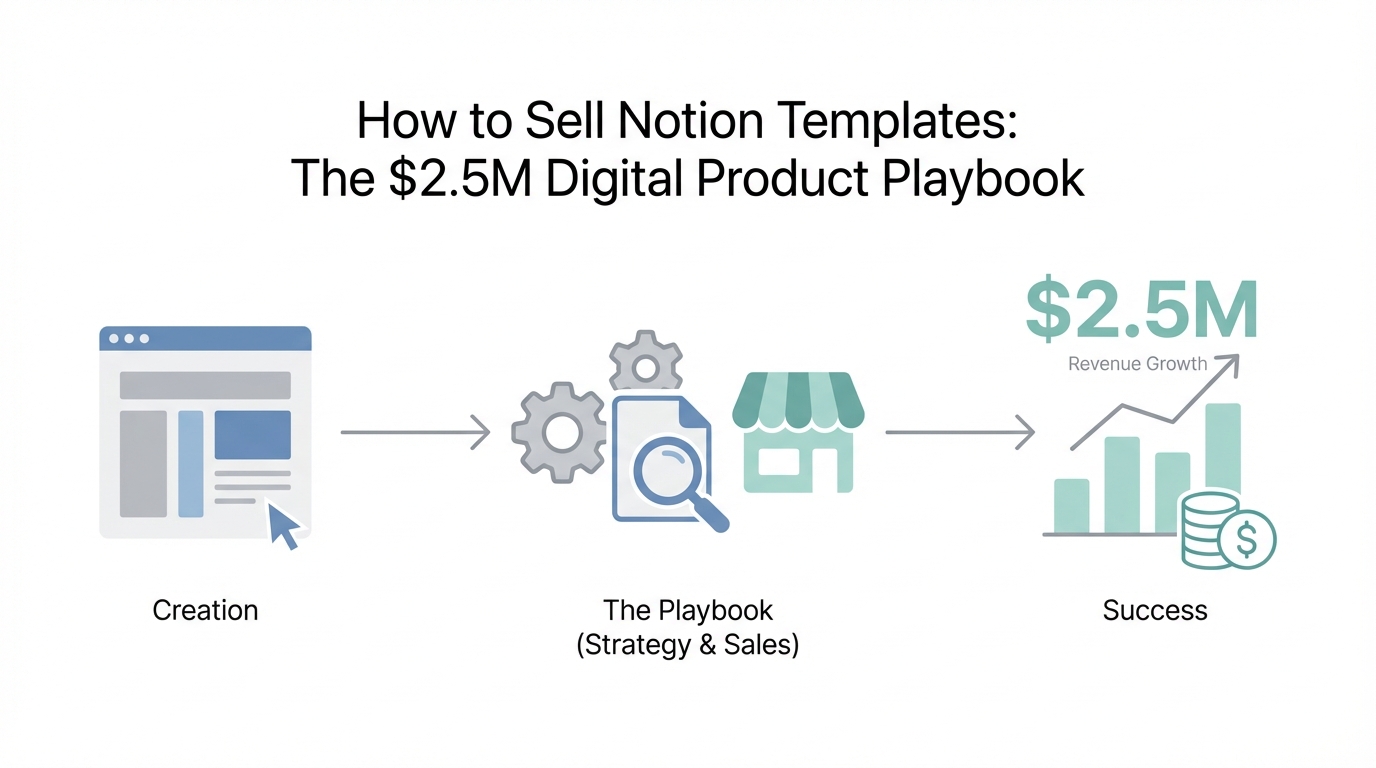
The dream of passive income for creators often feels like a mirage, but the rise of the notion business model has turned that dream into a multi-million dollar reality for those who know how to productize their workflows. Thomas Frank, a veteran productivity creator, recently shared his journey of generating over $2.5 million in revenue by selling digital products built entirely on a free platform. His success isn't just about having a large audience; it is a masterclass in identifying digital product ideas that solve high-friction problems and building a robust funnel that converts free users into high-ticket customers. This playbook breaks down exactly how to sell digital products by leveraging niche expertise and modern AI tools.
The Evolution of the Notion Business Model
For years, Thomas Frank operated a massive YouTube channel with nearly three million subscribers, focusing on general productivity and life hacks. While the channel was successful, the traditional creator model of brand sponsorships and high-volume views began to lead to burnout. According to his interview with Starter Story, the pivot came when he leaned into the specific mechanics of Notion, a versatile productivity tool. By creating a dedicated side channel, Thomas Frank Explains, he was able to fulfill a massive demand for technical tutorials and premium templates. This niche focus allowed him to generate over $100,000 per month with a fraction of the views his main channel received, proving that depth often outweighs breadth in the digital product economy.
Step 1: Identifying Product-Market Fit Through Internal Utility
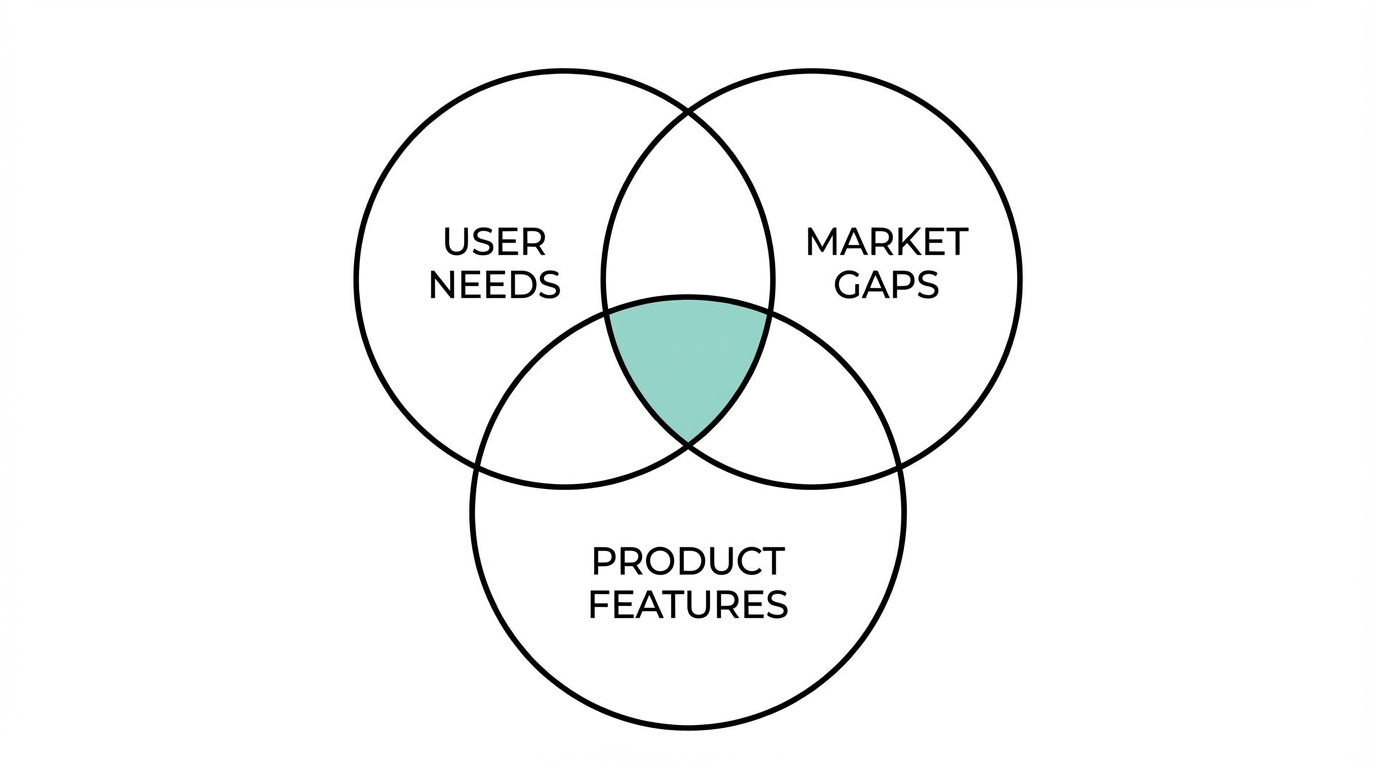

The most successful creators don't start by asking what will sell; they start by solving their own internal workflows. Thomas’s flagship products, Ultimate Brain and Creator's Companion, were born from his own needs. Creator's Companion was a polished version of the exact system he used to manage 180 million lifetime views on his main channel. When you sell notion templates that you actually use, you are selling a proven result, not just a layout. To identify these gaps in the market, many entrepreneurs now use Stormy's AI search to discover what other creators are struggling with. By searching across TikTok, YouTube, and LinkedIn, you can find common pain points in specific niches—like fitness or SaaS—and build a template that addresses those exact frictions.
The Technical Setup: Packaging Niche Expertise
Technically, a Notion template is just a page with the "Duplicate" setting enabled. However, to sell digital products at a premium, the "polishing" phase is critical. Thomas spent years refining his templates, adding features like content repurposing dashboards and complex task management integrations. To turn a basic page into a premium asset, you must ensure it is duplicatable and intuitive for a stranger to use. This means including onboarding guides and clear documentation. As Thomas mentioned in his Starter Story breakdown, the goal is to create a product that can run a customer's entire business or personal life from a single dashboard. Before launching, it is wise to use Stormy AI for influencer vetting and fake follower detection to find potential beta testers or early adopters who can provide high-quality feedback on your template's UX.
Step 2: Pricing Strategy: High-Ticket vs. Popcorn Products

A common mistake when learning how to sell notion templates is underpricing. Many creators sell "popcorn" products for $5–$10, which requires massive volume to sustain a business. Thomas Frank took the opposite approach, pricing Ultimate Brain at $129 and the full bundle at $229. His logic? If a tool can manage a creator's entire production schedule, it is worth hundreds of dollars. High-ticket pricing allows you to invest more in active support and customer acquisition. When he increased his prices, he saw a slight dip in volume, but a significant increase in total revenue. This confirms that serious users are willing to pay for high-value solutions that save them hours of manual work every week.
Step 3: Building the Creator Funnel: From YouTube to Email
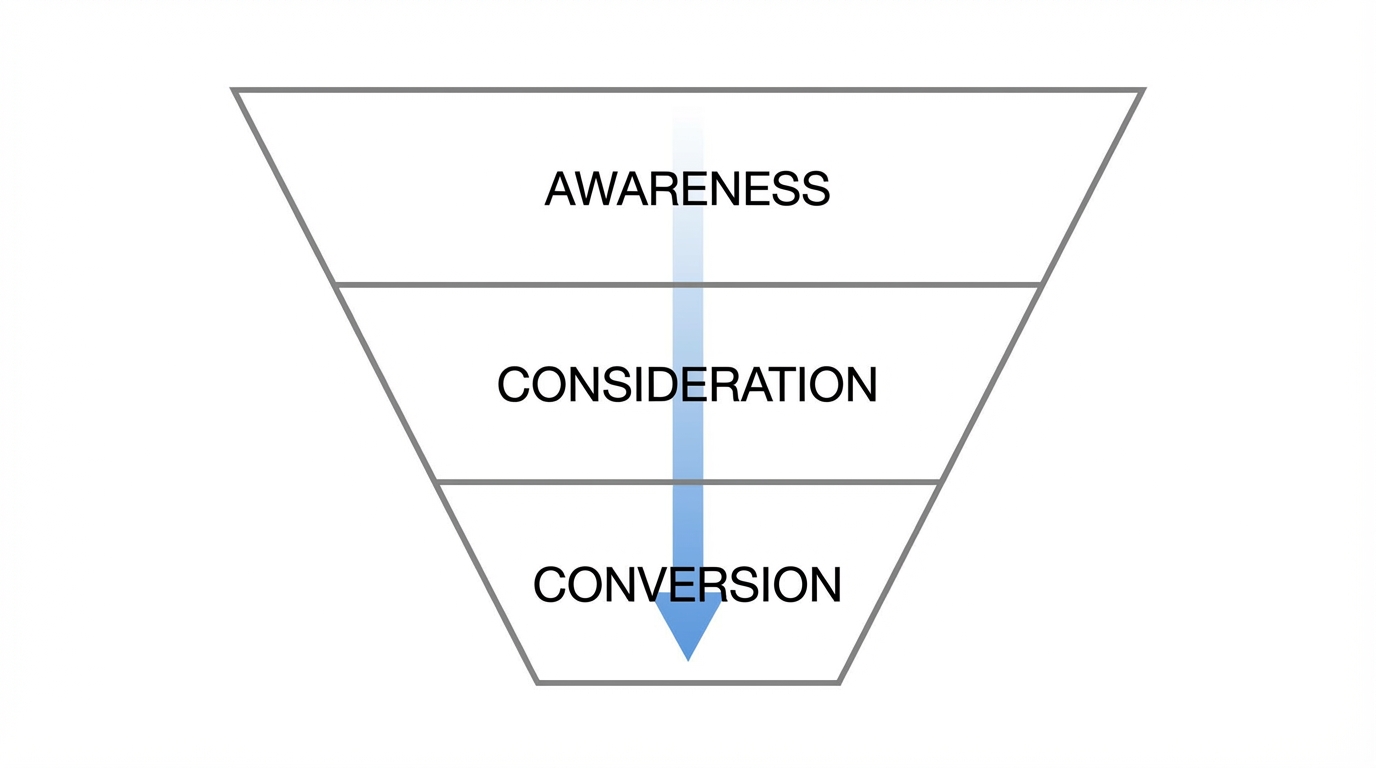
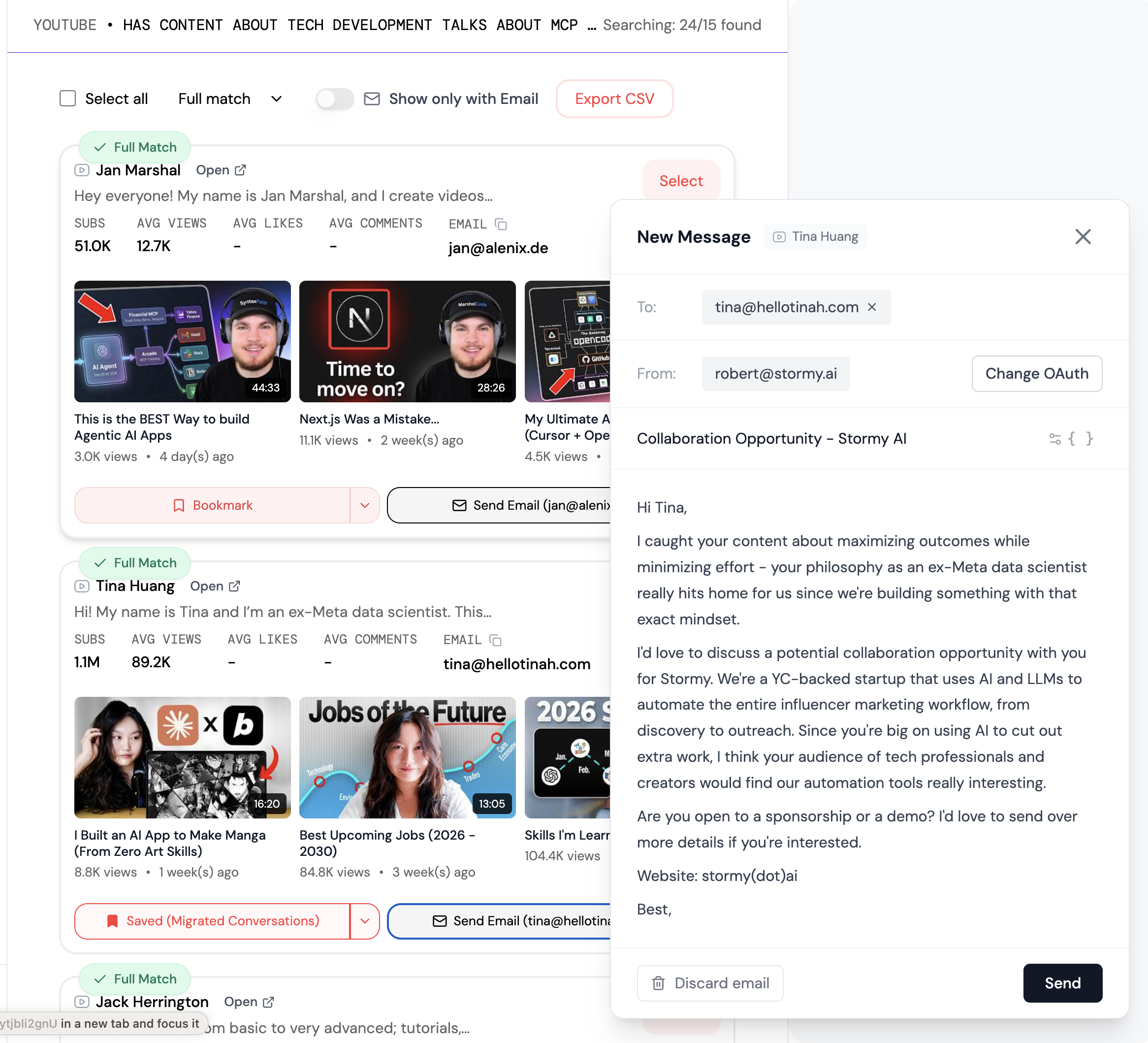
Distribution is the engine of any notion business model. Thomas uses a "Build Guide" strategy on YouTube: he creates 45-minute tutorials showing people exactly how to build a tool for free. This builds immense trust and authority. At the end of the video, he offers a free template in exchange for an email address, which flows into a ConvertKit auto-responder. This sequence eventually upsells the premium, fully-featured version of the template. For those looking to scale this outreach beyond their own channels, Stormy's AI email outreach can automate the process of finding and emailing other creators for collaborations. The platform's ability to handle hyper-personalized emails and follow-ups allows you to grow your affiliate network while you focus on product development.
Step 4: The 'Active Support' Phase and Feedback Loops
One of the most overlooked parts of Thomas’s $2.5M playbook is the Active Support phase. For the first full month after launching Ultimate Brain, Thomas handled customer support for 8 hours a day. This wasn't just about troubleshooting; it was about identifying product friction points. By talking directly to customers, he learned exactly where they were getting stuck, which allowed him to refine the template and reduce future support tickets. He uses Circle.so to manage his community and ensure that only paid users get access to high-level support. This feedback loop is essential for maintaining long-term passive income for creators, as a high-quality product reduces churn and negative reviews.
Managing Operations: The Modern Creator Tech Stack
To run a million-dollar digital product business with low overhead, Thomas utilizes a lean stack of tools. He uses Lemon Squeezy as the merchant of record, which simplifies the complex world of global sales tax. For automation, he prefers Pipedream, a developer-focused alternative to Zapier. To keep track of all creator relationships and campaign mentions, Stormy's creator CRM and post tracking features are invaluable. These tools allow you to monitor which influencers are driving the most traffic to your Framer-built landing pages, ensuring every marketing dollar is spent effectively.
How to Start Your Million-Dollar Business from Scratch
You don't need millions of followers to sell notion templates successfully. The "Zapier Gold Standard" marketing strategy involves casting a wide net around a niche (like productivity software) and then narrowing it down to a specific solution (like a Notion-based CRM). Start by publishing on a consistent schedule on YouTube or LinkedIn, focusing on incremental improvement. Thomas's advice for beginners is simple: get your reps in, build a body of work, and start building friendships with other ambitious creators. Success in the digital product ideas space is rarely a solo endeavor; it is the result of constant feedback, community engagement, and leveraging the right AI-powered discovery tools to find your audience.
The Future of Digital Ownership
Selling Notion templates is more than just a trend; it represents a shift toward productized expertise. By following Thomas Frank’s playbook—solving your own problems, pricing for value, and maintaining a tight feedback loop—you can build a sustainable, high-margin business. Whether you are just starting to explore how to sell digital products or looking to scale an existing brand, the combination of niche content and robust backend systems is the key to reaching the seven-figure mark. Ready to find the creators who can help you scale? Start by using Stormy's AI search to identify your next big partnership today.