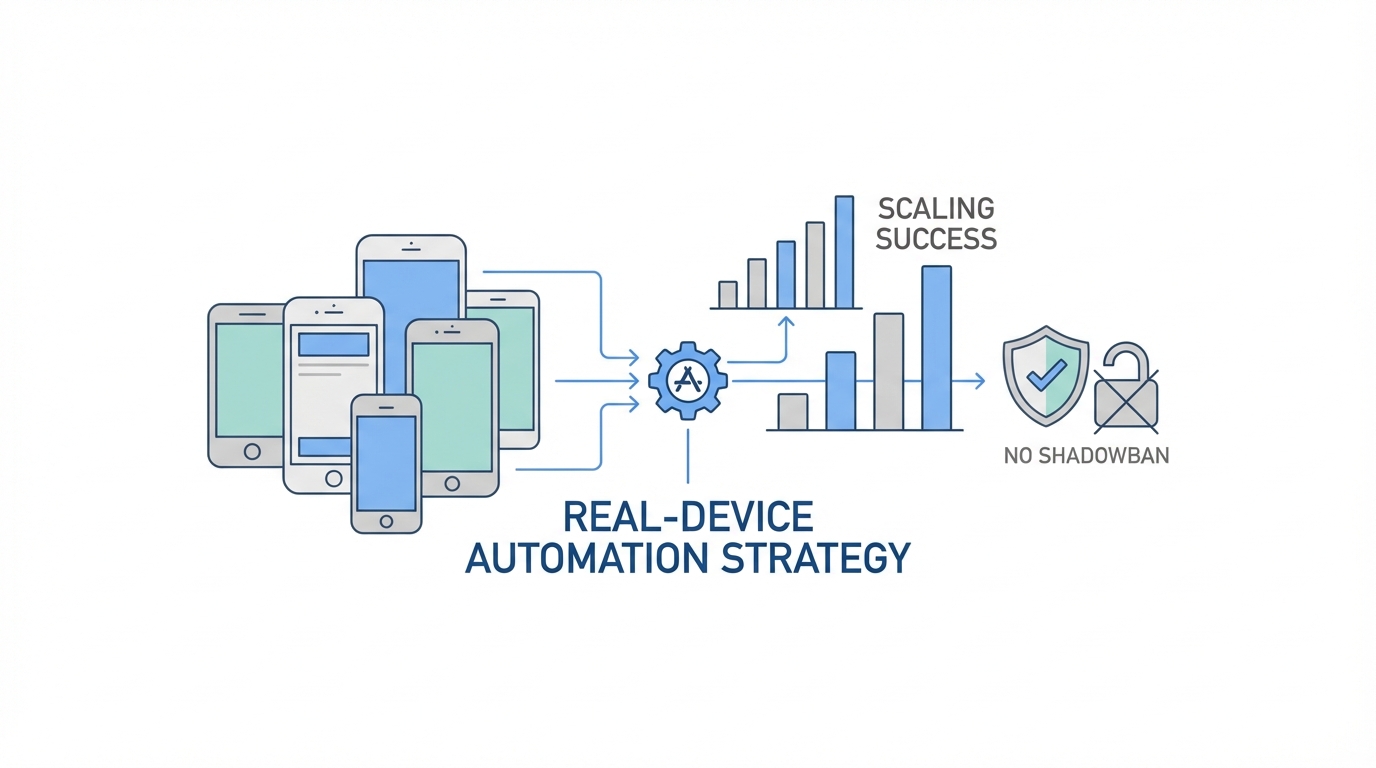
Scaling a social media presence in 2025 is no longer just a matter of creative intuition; it is an arms race of technical infrastructure. For brands and mobile app developers, the dream of running dozens of accounts to dominate a niche often hits a brick wall known as the TikTok shadowban. You post a high-quality video, and it sits at zero views. You create a new account, and it is flagged for suspicious activity within hours. The platforms have evolved, moving past simple IP tracking into the complex world of hardware identification and behavioral analysis. To succeed today, marketers must move away from software-only solutions and embrace a real-device automation strategy that mirrors human behavior at every layer of the stack. For those looking to skip the trial and error, Stormy provides an AI-powered platform for creator discovery, especially for mobile app marketing and UGC campaigns, helping you find the right talent to seed your initial accounts.
The End of Emulators: Why Software-Only Automation Fails
In the early days of social media growth, developers could easily scale by using Android emulators like BlueStacks on a standard Windows machine. By simulating a mobile environment, you could run dozens of instances of TikTok or Instagram from a single desktop. However, those days are over. Modern social media algorithms are incredibly sophisticated at detecting virtual environments. They look for device fingerprinting markers that an emulator simply cannot hide: the absence of a cellular radio, generic GPU drivers, and inconsistent hardware IDs.
When you attempt automated TikTok posting in 2025 through an emulator, the platform immediately flags the account. Even if you aren't banned outright, your content will likely be suppressed, leading many to search for a TikTok shadowban fix that doesn't exist for virtualized hardware. The platform's goal is to ensure that content is coming from real people on real devices. If your hardware signature says "Virtual Machine," your reach will be capped at zero. This shift has forced professional operations to pivot toward social media automation hardware—physical devices that exist in the real world.
Building a Physical Phone Farm: The Hardware Architecture

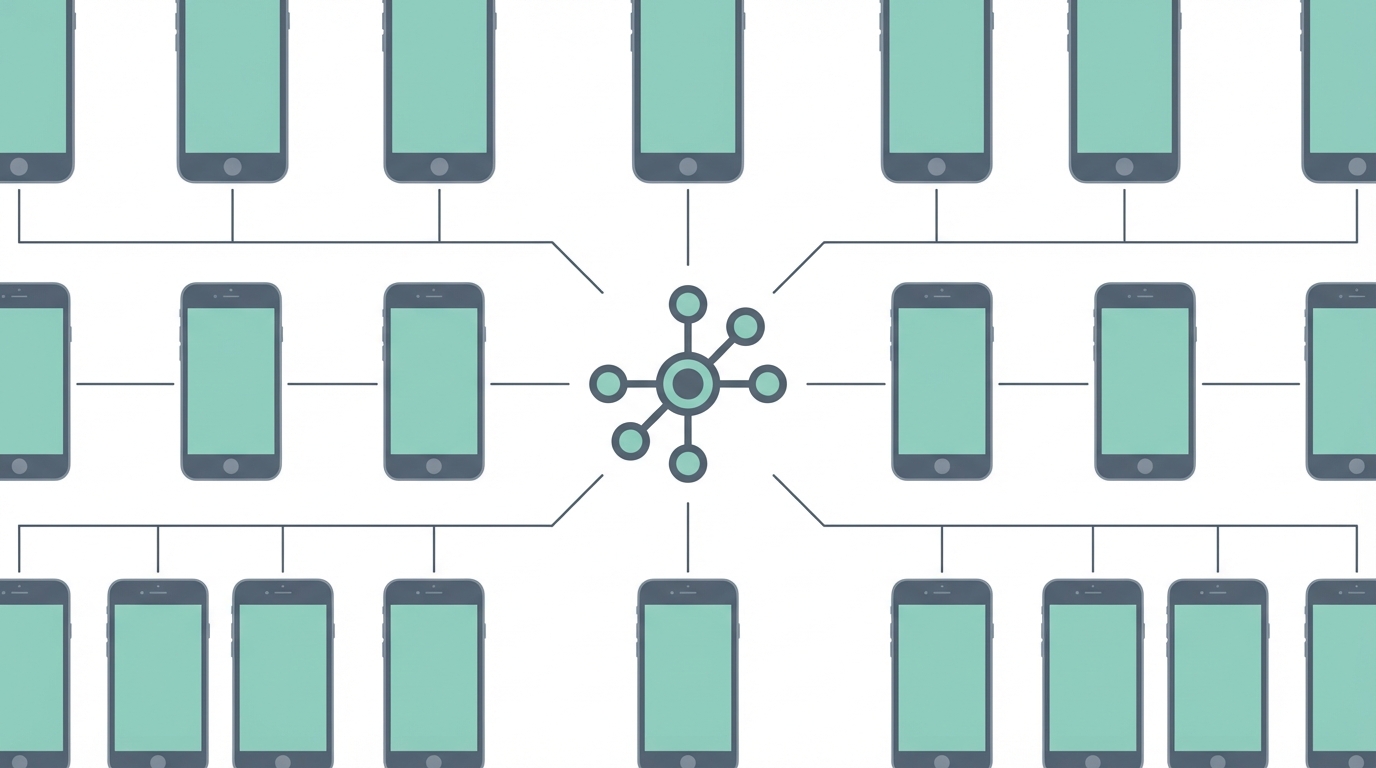
The most successful creators are now building what is known as a "phone farm." This isn't a collection of bots, but a physical rack of real smartphones controlled by custom software. By using real hardware, you bypass the most common detection methods. Each device has a unique IMEI, a real battery, and a genuine camera module, making it indistinguishable from a standard user to the TikTok algorithm. Recent data shows that a well-optimized farm of just 15 accounts can generate over 4.7 million views in less than a month when paired with the right content strategy.
Platforms like Stormy AI are incredibly useful during the research phase of this process, functioning as an AI search engine across TikTok and Instagram to help brands identify which UGC creators and trends are worth modeling for their automated fleets. Once you have a target aesthetic, the phone farm handles the deployment. This hardware-centric approach allows you to scale up to 25 or even 50 brands simultaneously without the risk of cross-contamination that occurs when running multiple accounts from a single IP or device ID. Using physical devices is the only reliable way to manage TikTok device fingerprinting at scale.
The Account Warming Algorithm: Building Authority
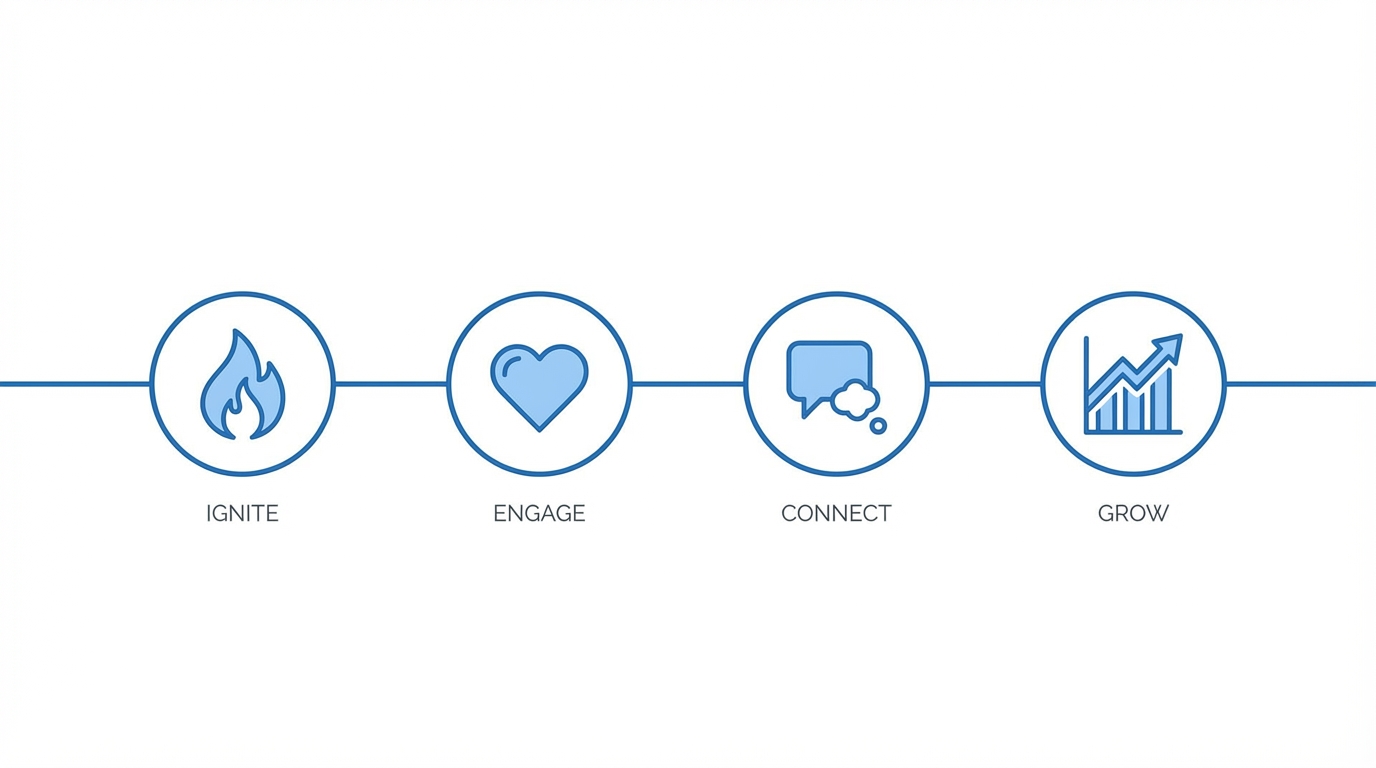
One of the biggest mistakes marketers make is posting a promotional video immediately after creating an account. This is a surefire way to get flagged. A proper TikTok account warm up process is essential. In 2025, this involves more than just scrolling through the For You Page. You need a systematic approach that simulates a "niche-specific" user. If you are launching a mobile app for business owners, your automated devices should actively search for terms like "entrepreneurship," "SaaS growth," and "productivity tips."
Advanced systems now use LLMs like GPT-4 to analyze the content the device is watching. The software takes a screenshot of the video, asks an AI if it is relevant to the target niche, and then decides whether to like, comment, or repost. This builds "account authority." By the time you post your first video, the algorithm already knows exactly who your audience is. If you're struggling with discovery, you can use Stormy AI to vet creators and get an AI-powered quality report to see what kind of accounts are currently trending in your specific niche to better inform your warming search terms.
Technical Deep Dive: Bypassing Device Fingerprinting
To maintain a fleet of brand accounts, you must treat each device as a completely unique digital identity. This means managing more than just hardware; it requires strict control over your network environment. Using a standard VPN is often insufficient because TikTok can detect data center IP ranges. Instead, professional operations use 4G/5G mobile proxies that rotate IPs within a specific geographic location. This ensures that your Dallas-based account always appears to be posting from a residential or mobile network in Dallas.
TikTok device fingerprinting involves tracking everything from your screen resolution to your system fonts. When you automate, your software must be "custom-built to swipe, repost, and comment to look like a natural human." This means varying the speed of swipes, the length of time spent watching a video, and even the time of day the account is active. If 20 accounts all post at exactly 9:01 AM, the platform will detect the pattern. Randomization is the key to longevity. Many brands also use tools like Meta Ads Manager or Apple Search Ads to supplement their organic reach, but the foundation of a high-volume organic strategy always rests on unique device integrity.
Content Strategy: The 95% AI, 5% Human Rule
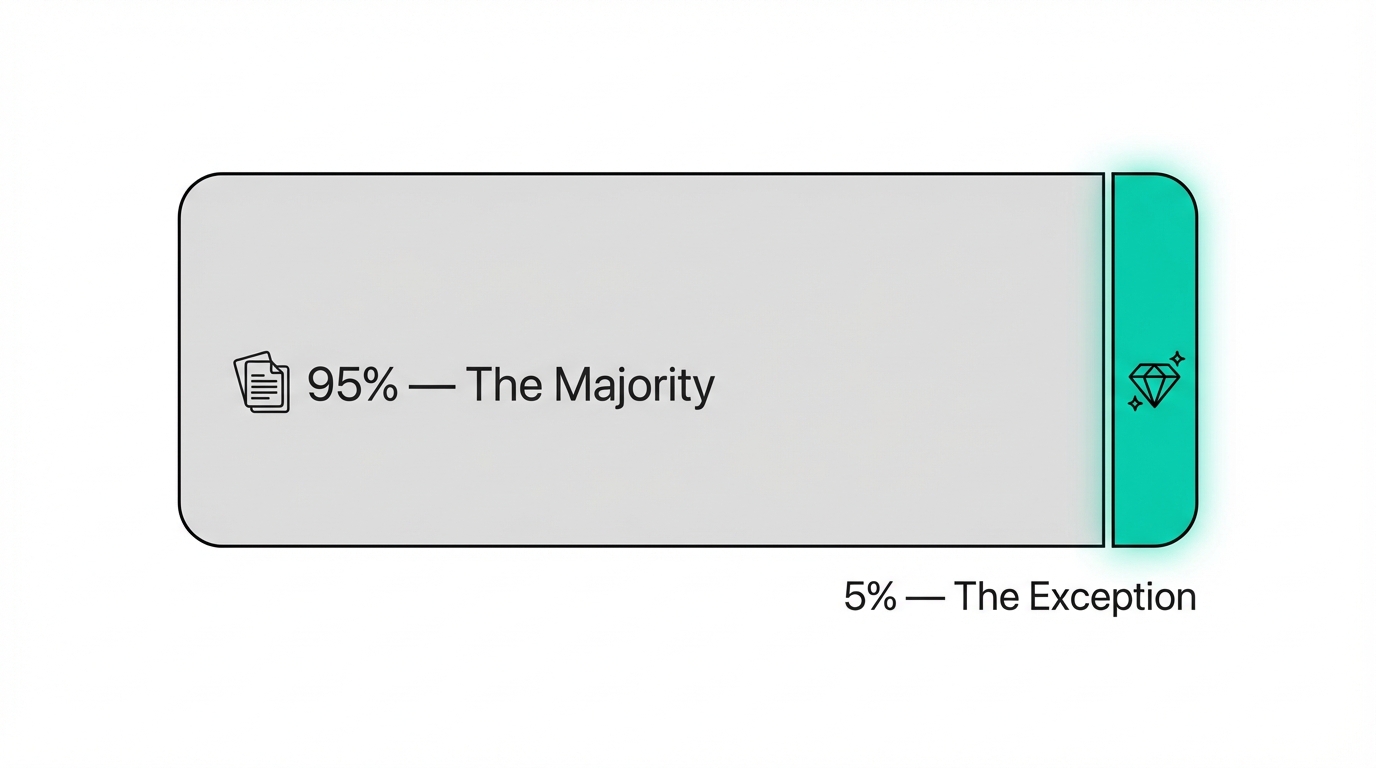
While the hardware handles the "where" and "how" of posting, the "what" is equally important. The most efficient operations today utilize a hybrid AI strategy. Tools like Midjourney and ElevenLabs allow for the mass production of high-quality assets, but they cannot replace the final human edit. The most successful AI-generated content often follows a 95/5 rule: let AI do the heavy lifting of generation, but have a human perform a final 5% touch-up to ensure the hook and narrative flow are perfect.
For example, narrative storytelling slideshows have become a dominant format. You might start with an AI-generated creator face using a tool like Flux, then follow with a series of problem-solution slides. The hook might be "I used to struggle with tracking my calories," followed by several high-effort solutions (like weighing every meal), before finally introducing your app as the low-effort alternative. This "subtle call to action" strategy converts significantly better than direct ads. To find these winning formats, savvy marketers often scrape platforms like Pinterest or use Stormy AI for its built-in email enrichment to contact UGC creators who are already crushing it in similar verticals.
Scaling with Attention Intelligence
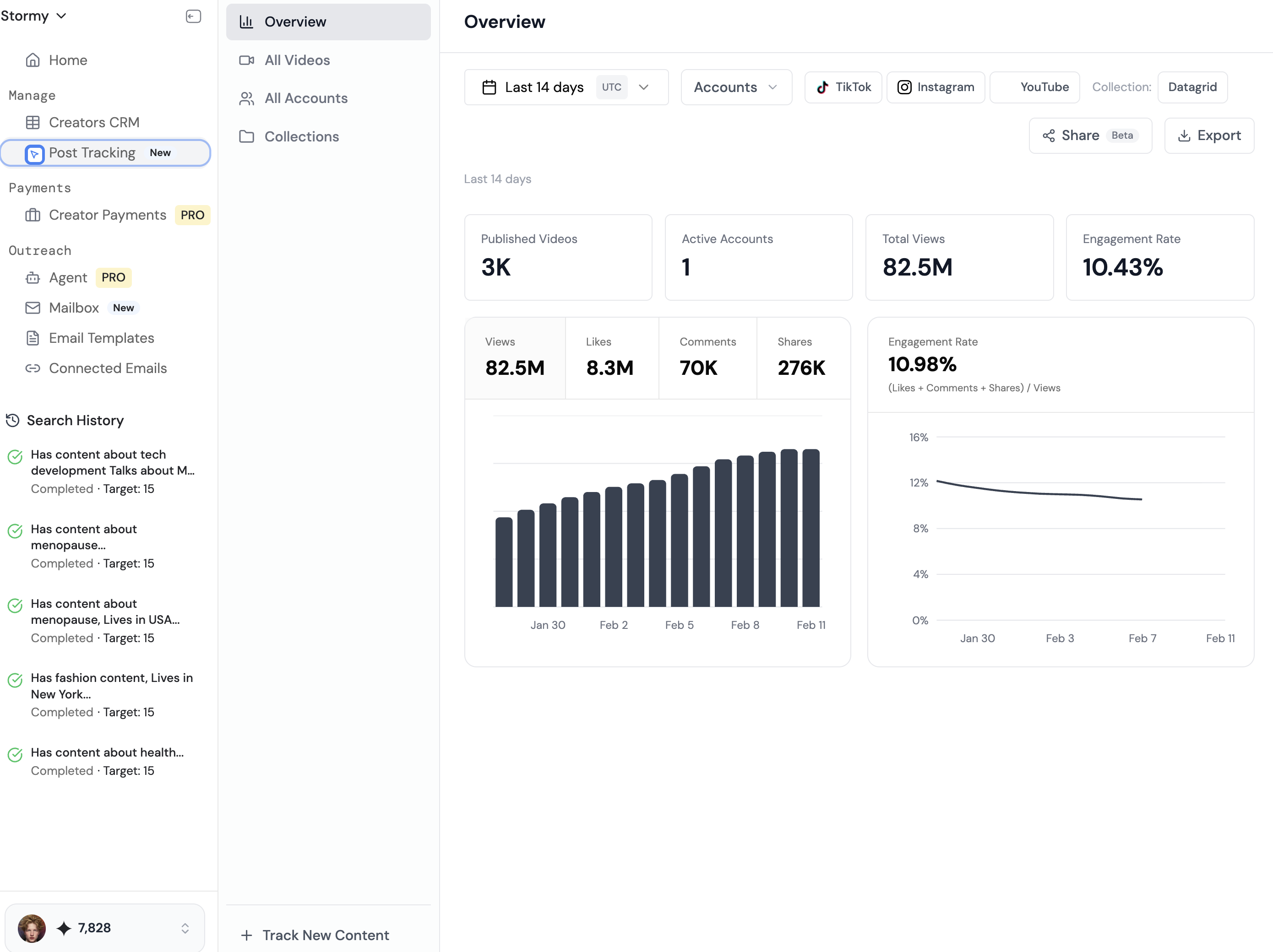
The real power of running an automated fleet is the data feedback loop. When you own the entire stack—from content generation to posting—you can implement what is known as Attention Intelligence. This is a system where the performance data from your accounts (views, likes, bookmarks) is fed back into the AI prompt generator. If a specific hook style or color palette gets 10x the views, the system automatically adjusts future videos to prioritize those winning variables.
This approach transforms social media from a guessing game into a science. Instead of hiring a dozen college students who may or may not follow your guidelines, you have a predictable, scalable machine. You can test 300 different slideshow variations in a week, find the 3 that go viral, and then double down on those formats across your entire phone farm. This level of speed is impossible with traditional manual management.
Risk Management: Lessons from the Trenches
Automation at scale is not without its risks. The story of a founder who hit $100,000 in revenue in a single month on TikTok Shop only to be banned due to shipping delays is a cautionary tale. TikTok is famously strict about its 2-day delivery deadlines. If your logistics (like your 3PL or print-on-demand partner) fail, your account—and the months of warming you put into it—can vanish overnight. Risk management means having a backup for every part of your operation.
Furthermore, you must be prepared for the "arbitrage cycle." A format that works today might be dead in three months. This is why diversification is key. Don't run all 50 accounts with the same username style or content format. Some should be male-centric, some female-centric, some motivation-focused, and some lifestyle-focused. By spreading your accounts across different personas and search terms, you protect your entire operation from being wiped out by a single algorithm update aimed at a specific content style. Using Google Ads to drive consistent traffic can also provide a safety net while your organic accounts are in the warming phase.
The Future of the Creator Economy
The traditional creator economy is being disrupted by "synthetic creators" and automated deployment. For app developers, this is a massive opportunity. You no longer need to wait for a creator to respond to your DM or worry about them missing a deadline. By building your own social media automation hardware infrastructure, you control the distribution. You can generate the content, warm the accounts, and scale the winners with 100% accountability.
Success in automated TikTok posting in 2025 requires a blend of technical hardware knowledge, AI prompting skills, and a deep understanding of platform psychology. By moving your operation to real devices and respecting the warming process, you can bypass the shadowban and build a sustainable engine for growth. Whether you are selling posters, SaaS subscriptions, or mobile apps, the real-device strategy is the only way to play the high-volume game and win. To get started with finding the right creators to model for your first automated fleet, head over to Stormy AI and use its autonomous AI agent to start your research today.