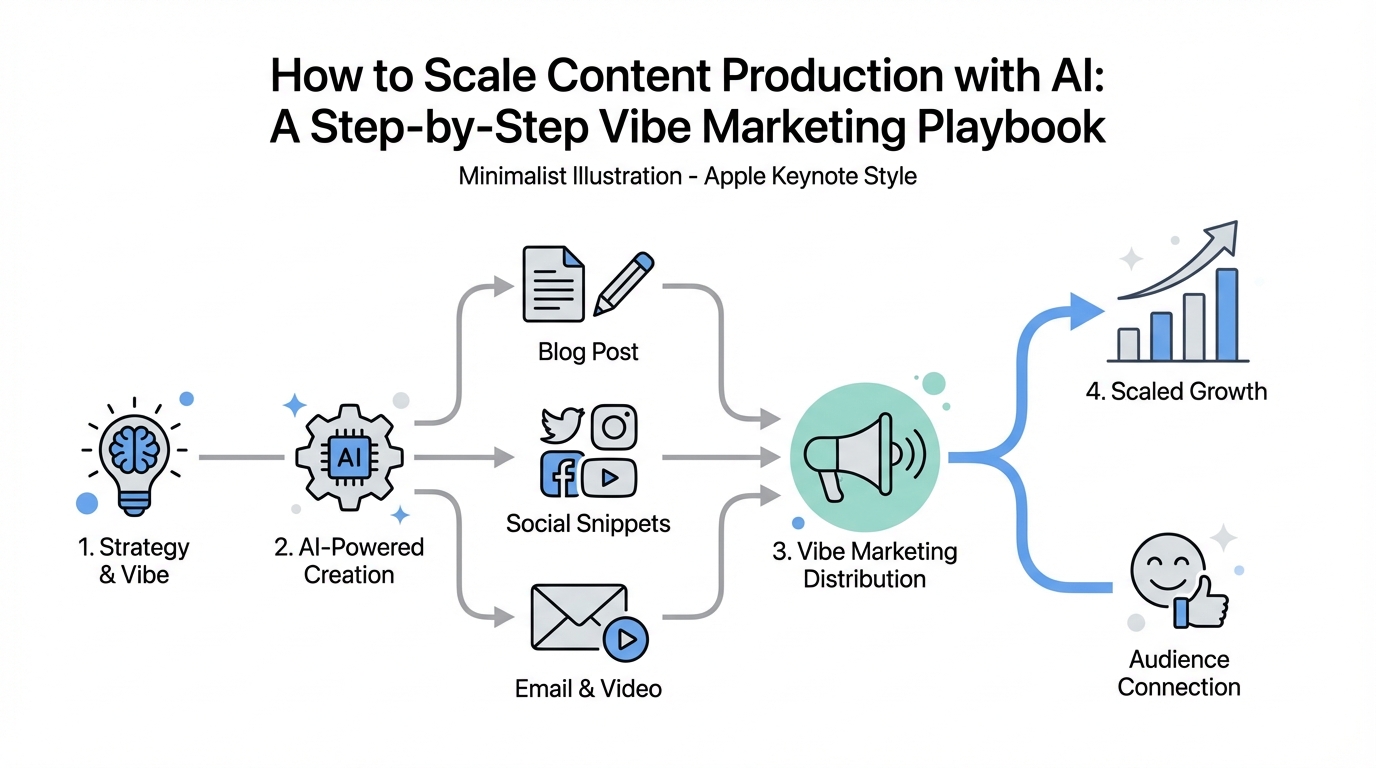
The marketing landscape is shifting from manual execution to high-frequency orchestration. In the past, scaling a brand required a 10-person team of specialists working in silos. Today, a single marketer with the right AI content automation stack can outperform an entire agency. This new era, often called "vibe marketing," combines the speed of low-code development with the power of autonomous agents. By building an AI social media strategy that leverages real-time data from platforms like Reddit and YouTube, you can generate months of validated content in minutes. This playbook will show you exactly how to build a content engine that identifies trends, extracts pain points, and generates psychologically powerful hooks using n8n, Claude 3.7, and OpenRouter.
The Rise of Vibe Marketing: Marketing as High-Frequency Trading
Vibe marketing is the natural evolution of "vibe coding." Just as tools like Replit and Lovable allow non-developers to build software with simple prompts, vibe marketing uses tools like Gumloop and n8n marketing workflows to automate the tedious parts of brand growth. As noted by experts at Startup Empire, marketing will soon resemble high-frequency stock trading. Instead of manual posts, you will manage a portfolio of AI agents working 24/7 to monitor market signals, surface viral opportunities, and initiate personalized micro-interactions. The goal is to move from being an executor to an orchestrator, allowing AI content automation to handle the heavy lifting while you focus on creative taste and strategy.
The Vibe Marketing Toolkit: Your Content Engine Stack
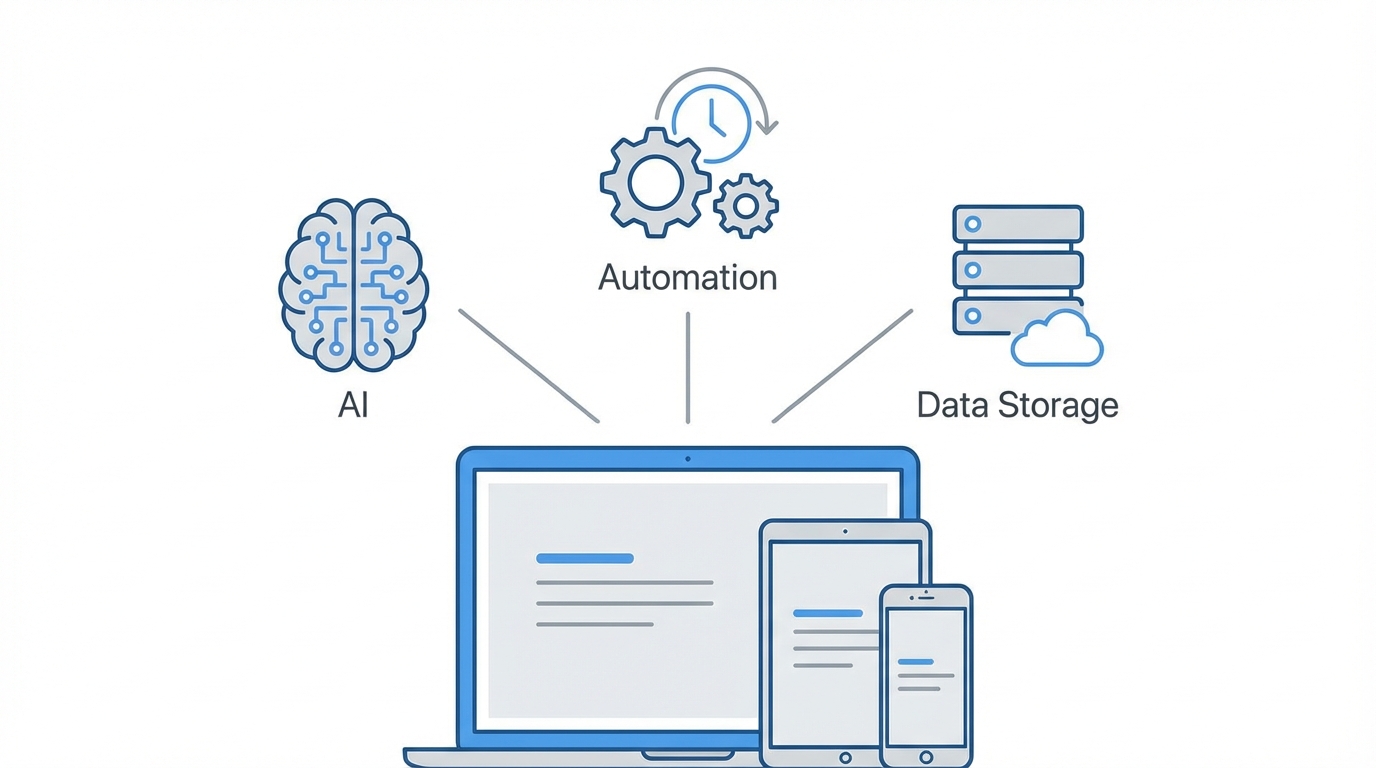
To scale content with AI, you need a stack that can pull data, transform it, and distribute it. The core of this engine is n8n, a flexible automation platform that allows you to create complex flowcharts for your marketing tasks. For research and data extraction, Gumloop provides an excellent browser extension for scraping web content without code. For the "brain" of your operation, OpenRouter is essential, as it provides a single API key to access multiple LLMs like Claude 3.7, DeepSeek, and OpenAI o3. This flexibility is key because different models excel at different tasks—an insight shared by the team at Lindy.ai during their recent deep dives into agent swarms.
Step 1: Identify Trending Topics via YouTube API
The first step in your content engine playbook is discovery. You don't want to guess what people like; you want to follow the data. Using the YouTube Data API within an n8n workflow, you can search for specific keywords in your niche and fetch the top-performing videos from the last 30 days. Your workflow should extract the video title, description, view count, and even the transcript. By saving this raw data into Google Sheets, you create a repository of validated themes that are already resonating with your target audience. This ensures your AI social media strategy is grounded in actual performance metrics rather than intuition.
Step 2: Extracting Pain Points with the Reddit Pipeline

Once you have your broad themes, you need to find the "vibe"—the specific language, pain points, and questions your audience is using. Reddit is a goldmine for this. Create an n8n workflow that monitors subreddits relevant to your niche. Use AI to scan the top 50 posts of the week and identify recurring themes. Are people frustrated with a specific software? Are they asking the same "how-to" questions? By extracting these pain points, you can generate content that feels deeply personal. As the co-founders of Startup Empire suggest, this "human-in-the-loop" data ensures your output avoids the "AI slop" trap and provides genuine value to readers.
Step 3: Generating Psychologically Powerful Hooks and Briefs
With your data from YouTube and Reddit, you can now feed these insights into Claude 3.7 via OpenRouter. The goal here is to create a multi-channel output from a single spark of data. Your prompt should instruct the AI to generate five different "psychologically powerful" hooks based on the identified pain points. These hooks can then be expanded into full LinkedIn posts, YouTube video scripts, or blog outlines. To maintain consistency, you should provide the AI with a "brand voice" document. This allows your AI content automation to produce material that sounds like you, even when generated at scale.
The Scorecard Method: Choosing the Right LLM for the Job

Not all AI models are created equal. To scale content with AI effectively, you should use the "scorecard method" popularized by modern growth marketers. Create a table in Notion or Sheets to track how different models handle specific tasks. For example, Claude 3.7 is often superior for crafting human-like blog content and maintaining brand voice, while OpenAI o3-mini or DeepSeek Reasoner might be faster and more accurate for data analysis and technical briefs. By constantly testing and scoring these models, you can optimize your n8n marketing workflows to use the most cost-effective and high-quality tool for every step of the production cycle.
Bridging the Gap: Turning Scripts into Viral UGC
Generating the script is only half the battle. To truly scale, you need a way to turn those AI-generated briefs into high-quality video content. This is where modern influencer platforms come into play. Tools like Stormy AI allow you to source UGC creators who can take your AI-validated scripts and turn them into authentic videos for TikTok or Instagram. Instead of spending weeks searching for creators on legacy platforms like Tagger or Julius, you can use Stormy’s AI discovery engine to find influencers in your niche who match your brand's vibe, instantly vetting them for engagement quality and audience demographics before sending personalized outreach emails.

Managing Campaigns and Tracking Success
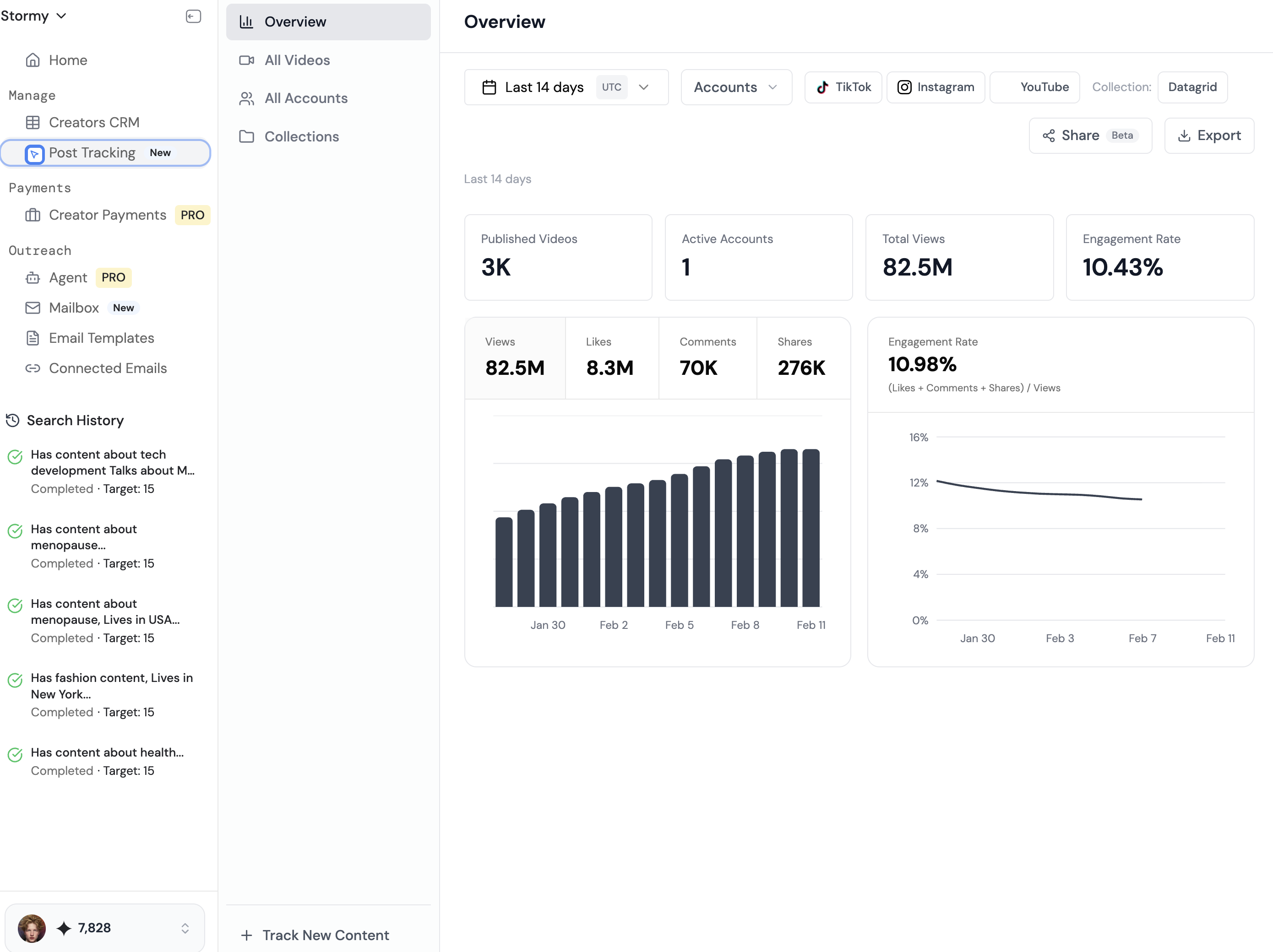
Once your content is live, the final stage of the content engine playbook is tracking and iteration. You shouldn't just post and pray. Use automated dashboards to monitor views, likes, and engagement across all channels. If a specific hook from your Reddit pipeline performs exceptionally well, feed that data back into your n8n workflow to generate more variations of that theme. Platforms like Stormy AI can help manage this post-tracking process, allowing you to see which creators and content angles are driving the most value in a single CRM dashboard. This creates a closed-loop system where your AI social media strategy constantly improves itself based on real-world performance.
Conclusion: The Future of Marketing Orchestration
Scaling content production with AI isn't about replacing the marketer; it's about upgrading them. By implementing these n8n marketing workflows, you move from a world of manual labor to a world of strategic orchestration. You start with raw data from YouTube and Reddit, refine it with the best LLMs via OpenRouter, and execute it through a mix of AI-driven newsletters and UGC collaborations. The secret is to start small: pick one repetitive task, automate it with a tool like Gumloop, and gradually build your way up to a full autonomous content engine. The future of growth belongs to those who can build systems that work while they sleep.