In 2026, the landscape of ecommerce SEO has shifted from manual keyword targeting to a high-velocity programmatic architecture. For brands managing over 1,000 SKUs, the old way of optimizing individual categories is dead. Today, scaling requires a sophisticated tech stack that can generate, optimize, and interlink thousands of pages in real-time. This guide explores how to leverage Verbolia implementation and WordLift for ecommerce to dominate the search results and capture high-intent long-tail traffic.
The Rise of Programmatic Ecommerce SEO
Programmatic SEO (pSEO) has evolved from a simple landing page tactic into a data-driven necessity. High-growth ecommerce brands using pSEO reported a 30%–80% surge in organic traffic and a significant 25%–35% increase in conversion rates within months of launch, according to data from Stormy AI. While traditional SEO might target 50 to 500 pages, modern programmatic approaches allow retailers to target 5,000 to 5,000,000+ indexable pages, capturing the massive volume of specific, long-tail queries that competitors often ignore, as noted by Passionfruit.
"Scaling from 500 to 5,000,000 pages isn't just a growth hack; it's the standard for enterprise retail in 2026."
Verbolia Implementation: Filling the Long-Tail Gap
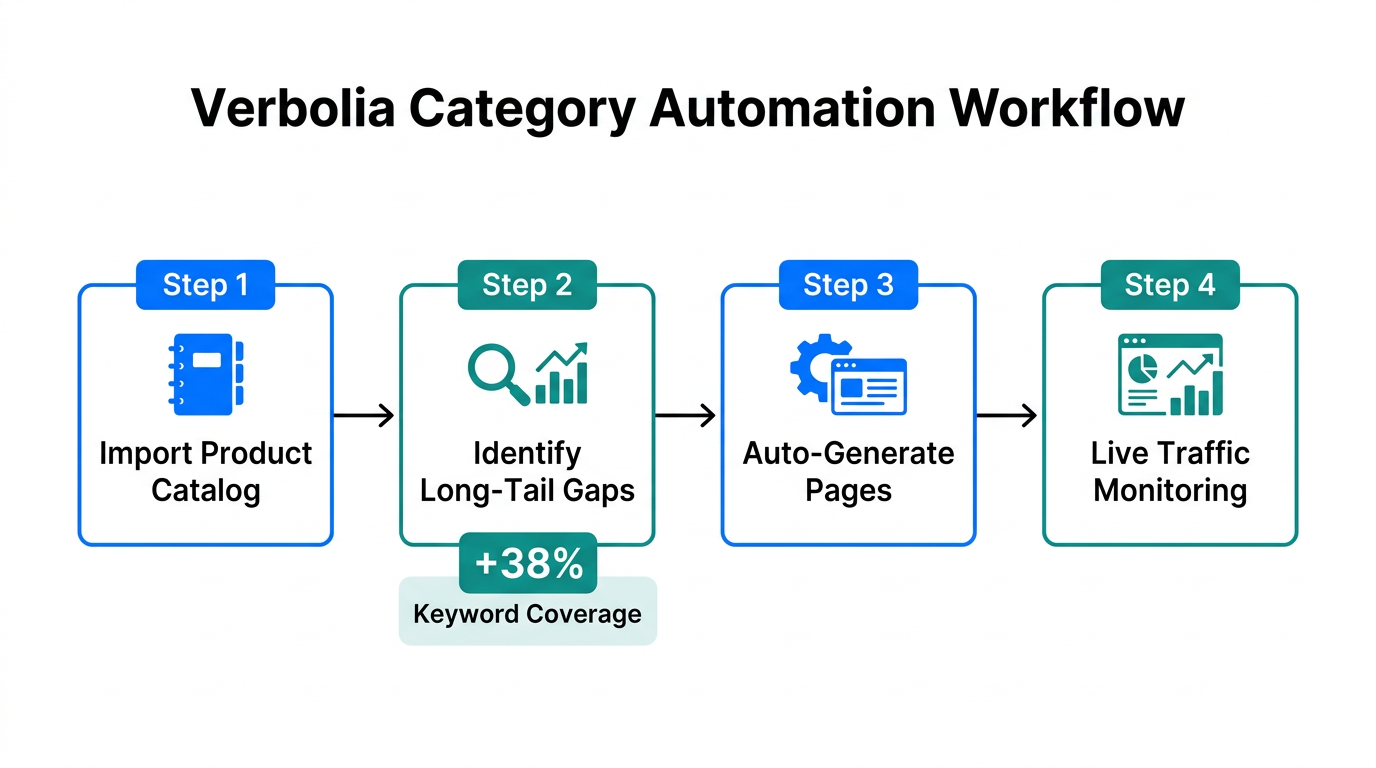
Verbolia remains the gold standard for enterprise retailers like Revolve and Decathlon who need to scale long-tail category pages without bloating their primary site architecture. The platform identifies thousands of "search gaps" where users are looking for specific attributes (e.g., "sustainable summer dresses under $100") that don't currently have a dedicated category page. By using Verbolia, brands can automatically generate high-performance landing pages that pull in existing products from their feed.
Take REVOLVE as a prime example. By implementing Verbolia to target thousands of long-tail gaps, they saw an 80% increase in traffic month-over-month within just nine months of launch. These programmatic pages now account for 15% of their total unbranded organic traffic. This strategy works because these niche pages have extremely high conversion intent; targeted long-tail pSEO pages for ecommerce transactions often see conversion rates between 5% and 14%, according to Fuel LAB.
| Feature | Manual Category Creation | Verbolia Programmatic Scale |
|---|---|---|
| Speed to Market | Weeks/Months | Minutes/Hours |
| Query Coverage | Limited (Head Terms) | Infinite (Long-Tail) |
| Internal Linking | Manual & Tedious | Automated "Hub & Spoke" |
| Performance | Standard | Optimized for 1s Load Time |
WordLift for Ecommerce: Winning the Schema War
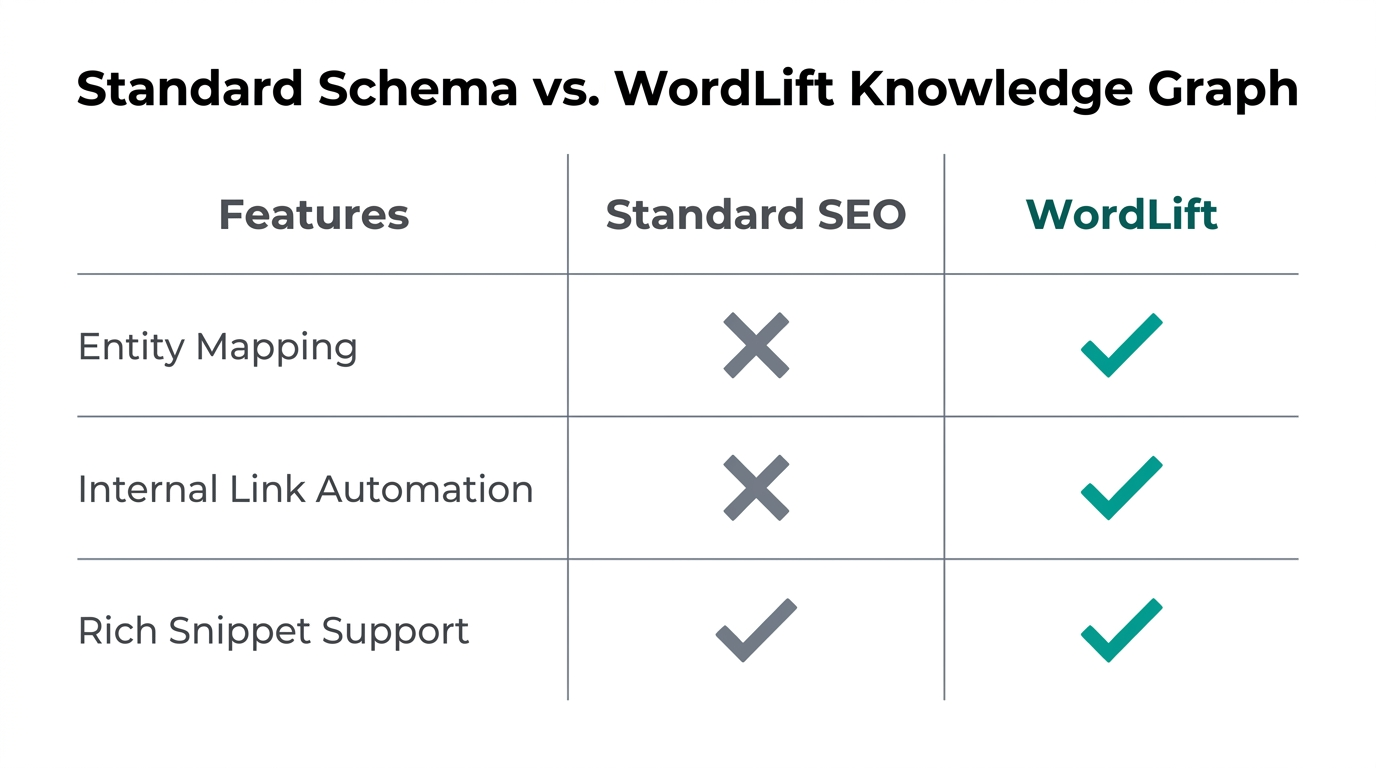
While Verbolia handles the page creation, WordLift for ecommerce ensures those pages are readable by both Google bots and LLMs. In 2026, simply having a page isn't enough; you need automated 'Product' and 'Offer' Schema to win rich snippets in Google Shopping and visibility in AI-driven search engines. WordLift builds a custom Knowledge Graph for your brand, injecting structured data at scale.
This automation is critical for Generative Engine Optimization (GEO). As search shifts toward Answer Engine Optimization (AEO), tools like WordLift ensure your products are the primary source for AI-generated answers. By providing clean, structured data, you increase the likelihood of your products being cited in conversational interfaces like ChatGPT or Perplexity, a trend highlighted by Moz.
"If your structured data isn't automated, you're essentially invisible to the AI-driven search engines of 2026."
Automating the 'Hub and Spoke' Linking Model
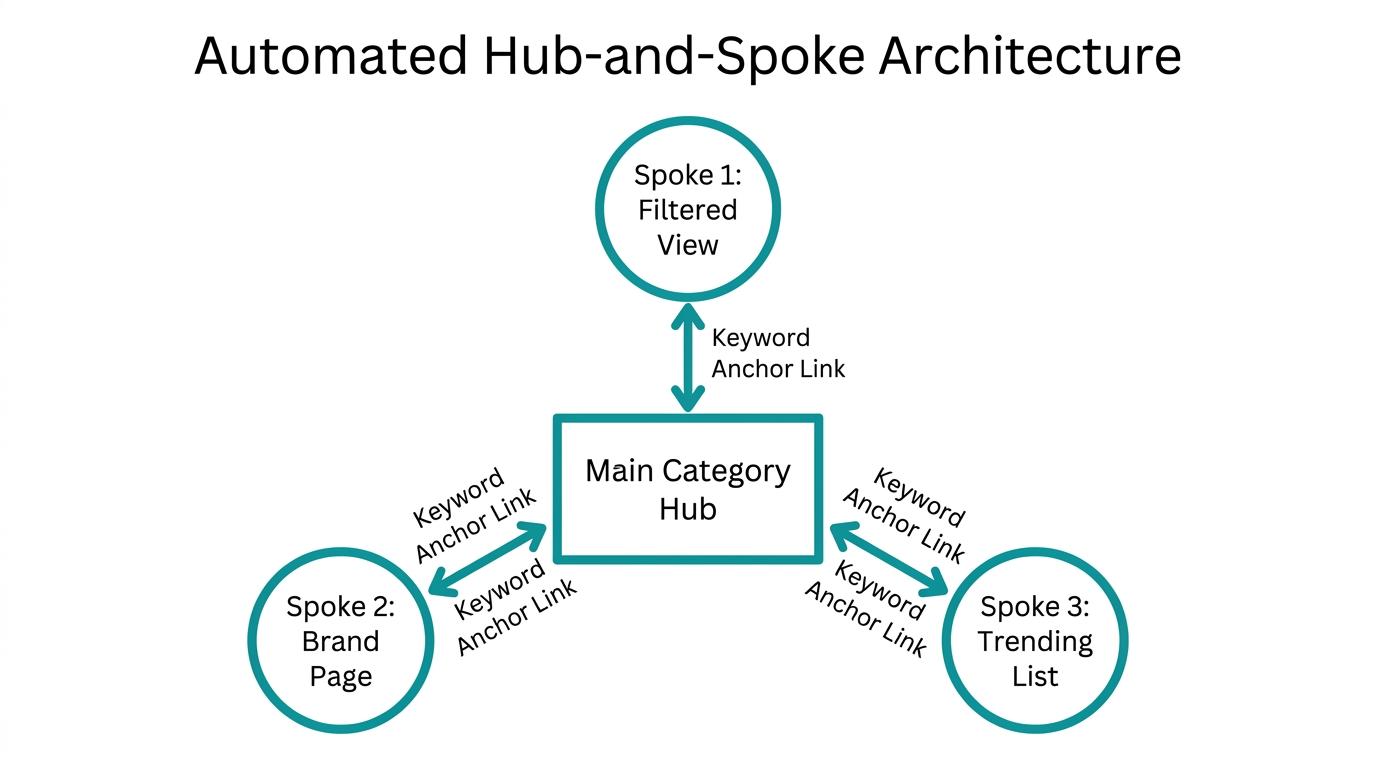
One of the biggest risks in programmatic SEO is the creation of "orphan pages"—thousands of pages with no internal links that fail to rank. To combat this, the Hub and Spoke model must be automated. Modern tools now dynamically link new pSEO "spokes" to established category "hubs." This passes authority and ensures every new page is discovered by crawlers immediately.
For instance, Boohoo automated the linking of product listing pages to their main categories, achieving a 70% top-10 ranking rate for their generated pages. By using platforms like Seomatic.ai or specialized internal linking scripts, brands can ensure their site architecture remains healthy despite rapid expansion. For brands looking to enhance these pages with authentic content, sourcing UGC through Stormy AI can provide the unique descriptions and social proof needed to avoid "thin content" penalties.
Technical Requirements: Speed and Mobile Dominance
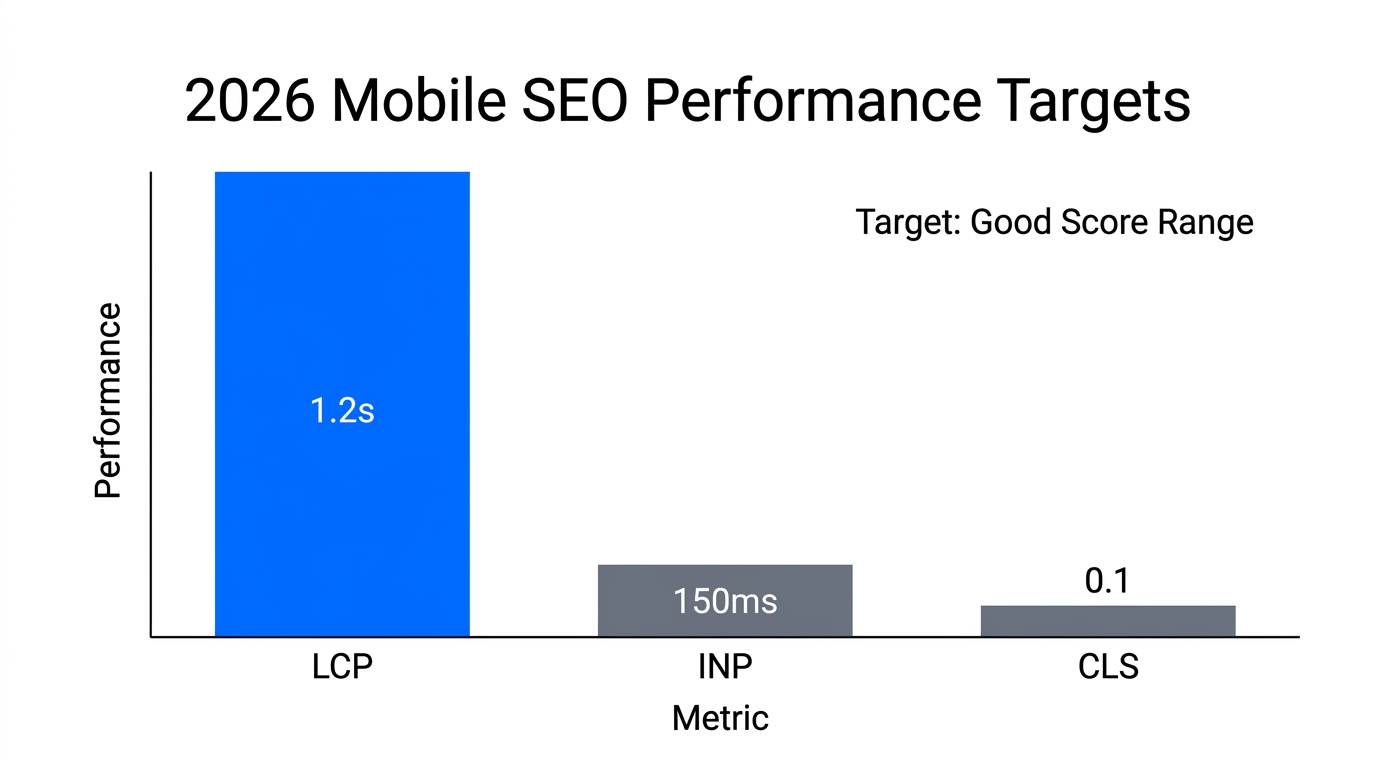
In 2026, technical debt is the primary killer of programmatic campaigns. With 57% of global ecommerce sales occurring on mobile devices (Statista), your programmatic templates must be lightweight. Performance is not just a UX metric; it's a direct conversion lever.
- 1-Second Load Speed: Sites that load in 1 second have a 2.5x higher conversion rate than those taking 5 seconds, as tracked via Google Analytics.
- Feed-Based Optimization: Technical SEO is moving toward feed-based systems. Google Shopping results increasingly prioritize the individual product data over traditional category hierarchies (Novos).
- Geotargeted Expansion: Use data to build localized collection pages, such as "Industrial Kitchen Supplies in Chicago," to capture high-intent local traffic (CMAX).
2026 Ecommerce SEO Playbook Summary
Scaling category pages in 2026 is a balancing act between volume and quality. By combining the page-generation power of Verbolia with the semantic intelligence of WordLift, brands can create a self-sustaining SEO engine. A meal delivery company recently used AI-powered pSEO to target keto and paleo dietary queries, resulting in a $968,000 revenue increase over just eight months (Rankmax). The era of manual SEO is over; the era of the programmatic architect has begun.
To keep these automated pages engaging, consider integrating influencer-generated content. You can discover creators on Stormy AI who can provide the authentic reviews and videos needed to transform a programmatic page into a high-converting customer destination.