In the high-stakes world of software-as-a-service, churn is often described as the 'silent killer.' You can spend thousands of dollars and hundreds of hours on customer acquisition, only to watch your revenue leak out of the bottom of a porous funnel. While most founders obsess over top-of-funnel growth, the most sustainable way to build a $10,000+ Monthly Recurring Revenue (MRR) business is to master saas retention strategies. Reducing churn isn't just about keeping the lights on; it is about refining your product-market fit until your software becomes an indispensable part of your customer's workflow. When you effectively reduce saas churn, you create a compounding effect where every new customer actually adds to your growth rather than just replacing someone who left.
The 'Yes/No' Email Framework for churn Feedback
One of the hardest parts of addressing churn is getting honest feedback from users who have already decided to leave. Most automated 'cancelation surveys' are ignored because they feel impersonal and demanding. However, as noted in recent insights from Starter Story, there is a way to achieve nearly a 100% response rate from churning users. The secret lies in the 'Yes/No' email framework. Instead of sending a generic survey, the founder of ScreenshotOne, Dmitro, recommends reaching out manually with a single, hyper-specific question.
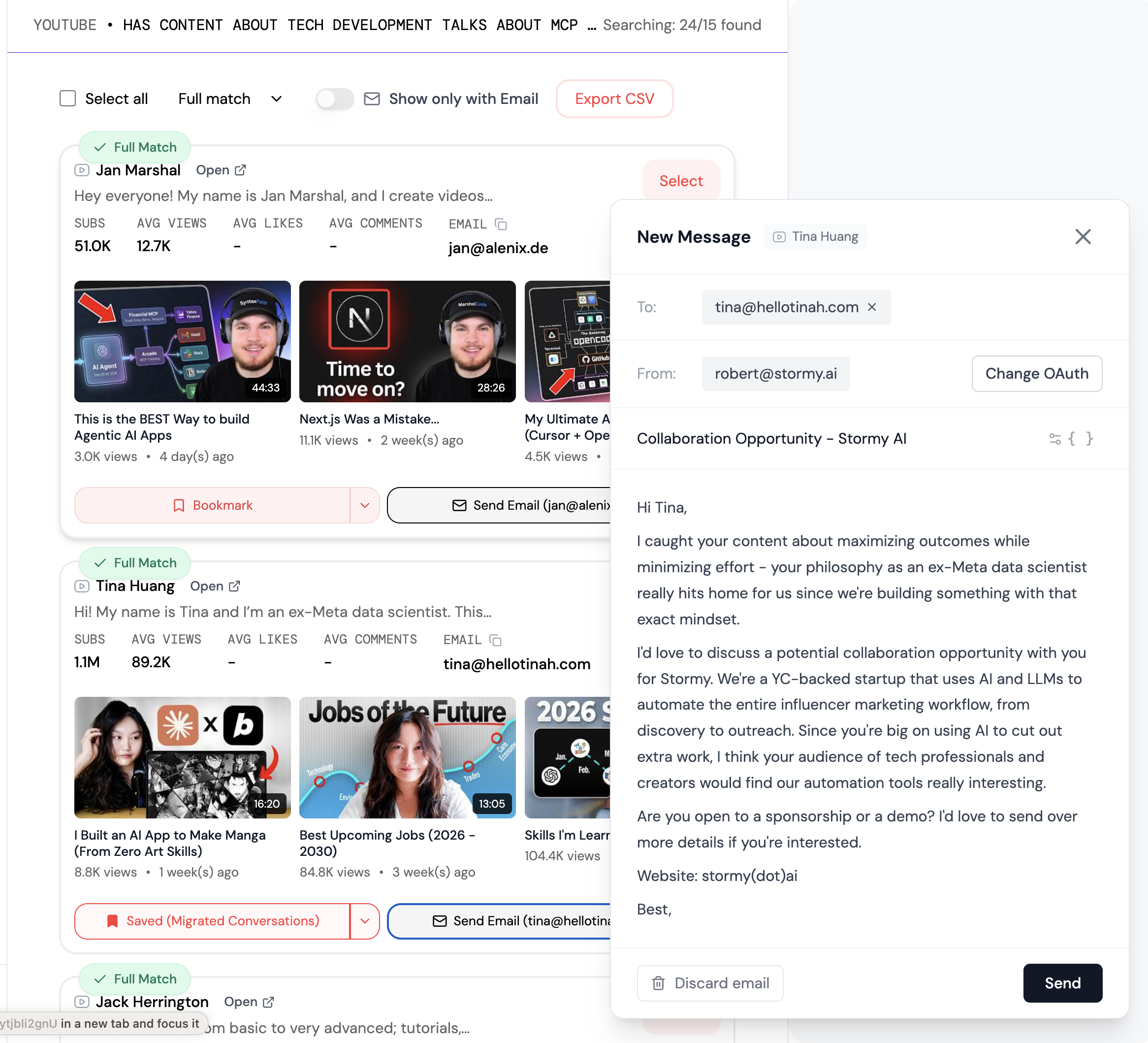
The framework works by researching the churning user's company and use case, then sending a direct email asking: "Did you churn because of [specific reason, e.g., pricing]?" This approach works because it reduces the cognitive load on the customer. They don't have to write a paragraph; they just have to say 'Yes' or 'No.' This manual process helps build a deep mental model of why customers leave, which is far more valuable than anonymous data points. Much like how Stormy's AI outreach allows for hyper-personalized communication with creators, this manual outreach builds a bridge of empathy between the founder and the user.
Why Manual Outreach Beats Automation
Automated tools are great for scale, but in the early stages of a SaaS, you need the nuance of human conversation. When you ask a direct question, users often follow up their 'Yes' or 'No' with the actual reason they were frustrated. Perhaps the documentation was confusing, or they found a competitor that offered a specific feature you lack. This direct line of communication is one of the most effective customer feedback loops you can implement to improve saas retention.
Refining Marketing Copy to Filter 'Bad Fit' Customers
Surprisingly, one of the best ways to reduce saas churn happens before the customer even signs up. Churn is often a result of a mismatch between customer expectations and product reality. If your marketing copy is too broad, you will attract users who expect features you don't provide. For instance, if you build an API-first product like Stripe but market it as a general utility, you will attract 'no-code' users who will inevitably churn when they realize they need to write code to use it.
By shifting positioning from a general tool to a developer-first API, ScreenshotOne was able to drop its churn rate from 11% to 7%. This niche targeting ensures that the people signing up are the ones most likely to find value in the long term. If you are struggling to find the right niche for your marketing, using a discovery engine like Stormy's AI search can help you identify specific creator segments or influencers who align perfectly with your technical or niche audience, ensuring your top-of-funnel traffic is high-quality. Additionally, Stormy's AI vetting can help you analyze if the audiences of these creators truly match your target developer demographic before you commit to a campaign.

Developer-First vs. No-Code Positioning
Positioning is a filter. By explicitly stating "You need to write code to integrate this product," you might see fewer sign-ups, but your saas retention strategies will become much more effective because the users who do join are high-intent. This clarity prevents the 'curse of the curious browser'—users who sign up, get confused, and leave within 48 hours, skewing your metrics and wasting your support resources.
Using Live Support as a Rapid Feedback Loop
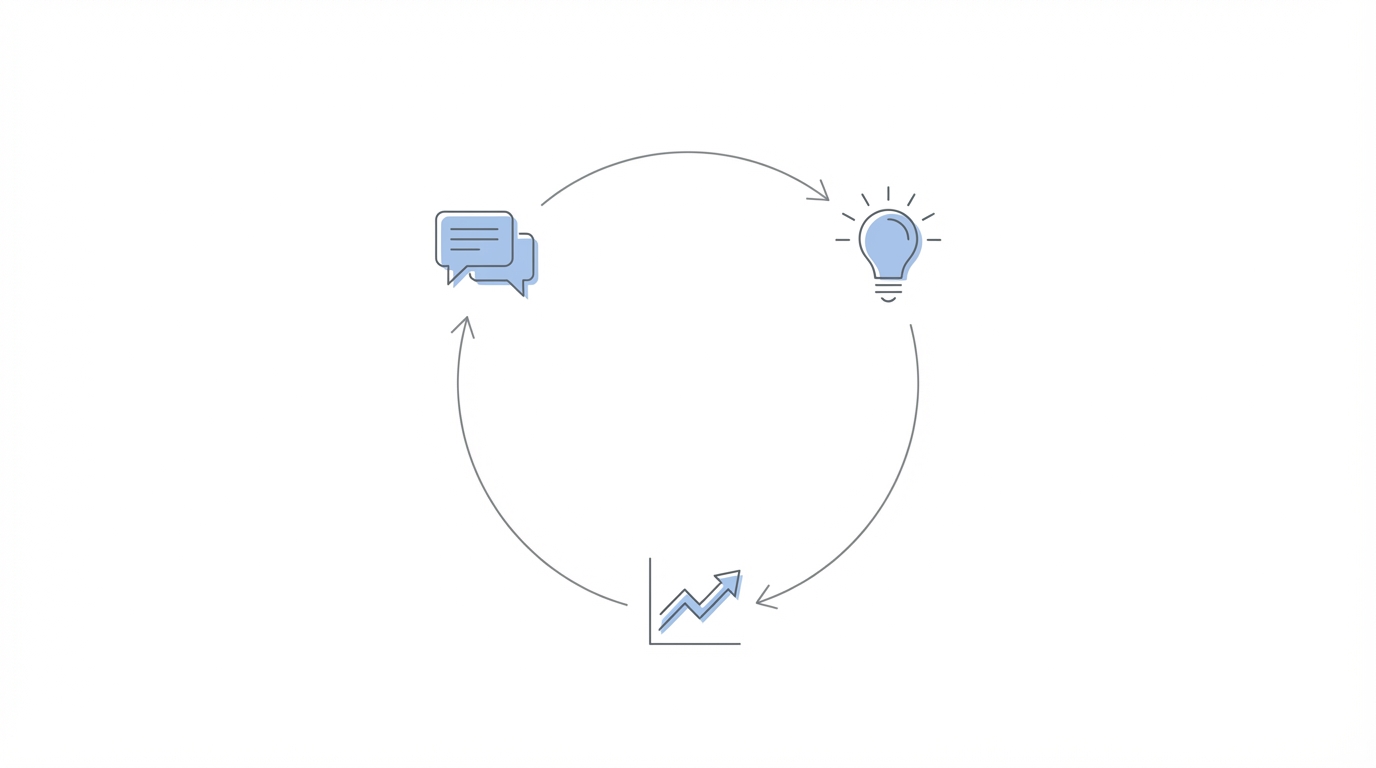
Waiting for a weekly analytics report to see where users are getting stuck is too slow for a growing SaaS. Implementing a live support tool like Crisp allows for immediate customer feedback loops. When a user asks a question via live chat, it’s a signal that something in your UI or documentation is unclear. Answering immediately not only saves that specific customer but also gives you the data needed to fix the product in real-time.
Managing these relationships effectively requires organization. Much like Stormy's creator CRM tracks every negotiation and interaction with influencers, a SaaS founder should use their support history to track recurring pain points. If three users ask the same question in one day, that’s not a support ticket—it’s a product roadmap priority.
Moving from Intuition-Based to Profit-Focused Pricing
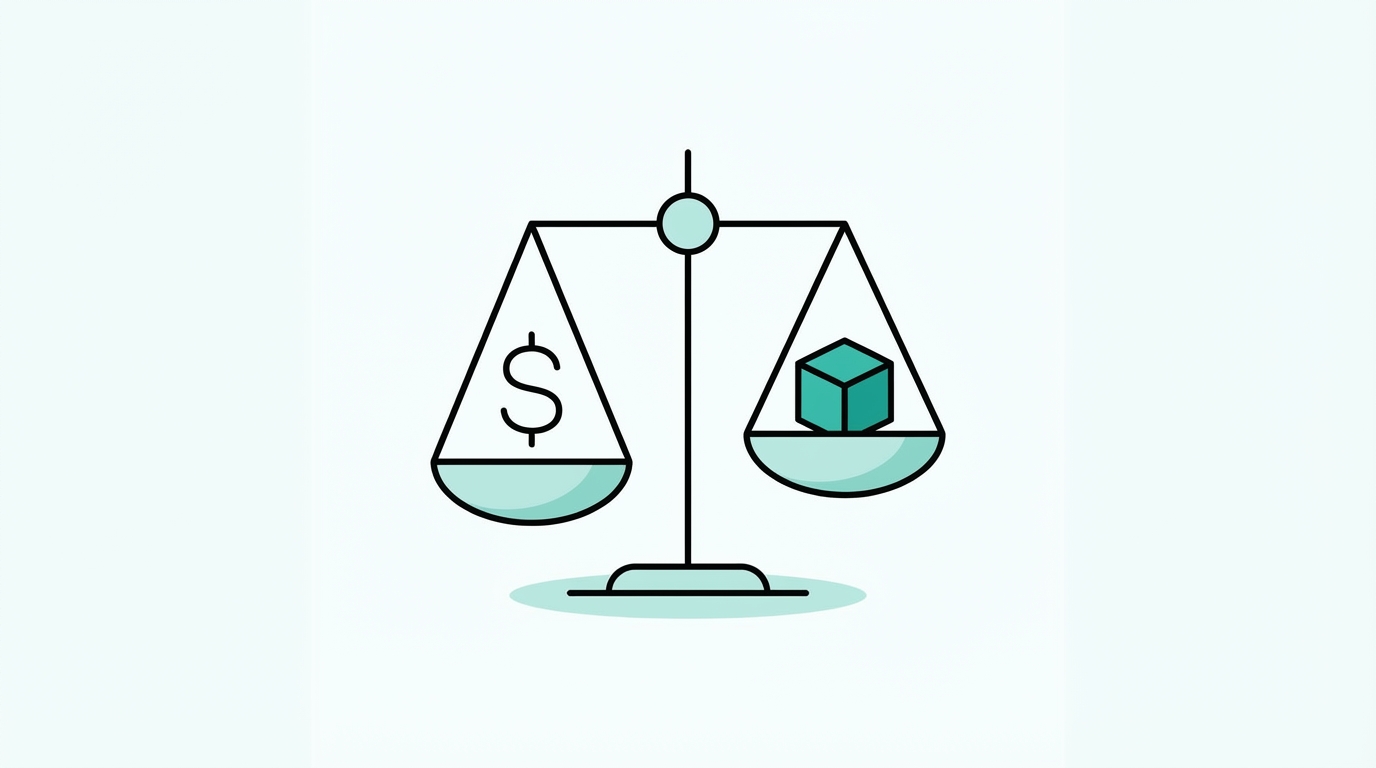
Pricing is often the biggest lever for improve saas retention. Many founders start with 'intuition-based' pricing, often setting it too low (e.g., $5 or $7) just to get their first dollar. However, low prices often attract low-quality customers who are more likely to churn over minor issues. Raising prices to $17 or higher serves as a signal of quality and filters for customers who are serious about the solution.
When evaluating your saas churn rate benchmarks, consider your profit margins. If your server costs are high—such as the $3,000 to $4,000 monthly server bills seen in high-volume API businesses—you cannot afford a high churn rate among low-paying users. Aim for profit margins between 40-60% to ensure you have the capital to reinvest in the features that keep customers around. Tracking these financial metrics is as critical as tracking engagement; using tools like PostHog can help you see which pricing tiers have the highest lifetime value (LTV).
Understanding SaaS Churn Rate Benchmarks
What is a 'good' churn rate? While it varies by industry, saas churn rate benchmarks for early-stage startups often hover around 10-15% monthly. However, for a sustainable, scaleable business, you should aim to get this below 5%. Reducing churn from 11% to 7% might not seem like a massive jump, but over a 12-month period, that difference represents a significant portion of your total valuation. To keep a pulse on how your product is perceived and shared externally, Stormy's post tracking can be used to monitor mentions and sentiment across social platforms, providing another layer of indirect feedback on why users might be staying or leaving.
Conclusion: The Persistence of Retention
Reducing churn is a game of persistence and empathy. Whether it is using the 'Yes/No' email framework to get a 100% response rate, or aggressively refining your marketing copy to attract only 'good fit' customers, the goal is to build a product that solves a real problem for a specific group of people. By implementing these saas retention strategies, you move away from guessing and toward a data-driven approach to growth. Stop focusing solely on who is coming in the front door and start talking to the people leaving through the back. The answers you find there are the keys to your next $10K in MRR.