The traditional SEO playbook is currently undergoing its most radical transformation since the introduction of the smartphone. While Google remains the dominant giant, a new breed of discovery engines like Perplexity, ChatGPT, and Gemini are fundamentally changing how high-intent buyers research products. We are moving away from the era of 'blue links' and into the era of the 'AI Answer.' For growth marketers, this represents a massive opportunity: although total search volume on these platforms is still a fraction of Google’s, the conversion rates are staggering. Early data from marketing research reports suggests that users arriving from AI search tools convert at rates between 10% and 40%, largely because they have already completed their buyer journey within the AI’s context window. They aren't just browsing; they are buyer-ready with their credit cards in hand.
This guide provides a tactical, 5-step manual for ranking on Perplexity and influencing ChatGPT responses. If you want to secure your brand's placement in the generative AI era, you need to stop thinking about keywords and start thinking about Reference URLs and AI Fanning.
What is GEO and Why Does AI Search Matter?


Generative Engine Optimization (GEO) or AI Search Optimization is the practice of influencing the responses generated by Large Language Models (LLMs) when users perform research-heavy queries. According to a foundational research paper by Cornell University researchers, GEO focuses on making content more "visible" to machine-learning models. Unlike traditional search, where a user might click three different sites to compare features, an LLM does that work for them. It scrapes the web, synthesizes the findings, and presents a definitive recommendation. This is particularly effective for high-consideration purchases—like choosing a CRM, finding a local HVAC contractor, or selecting a specialized SaaS tool—where the purchasing decision time horizon is long.
OpenAI and Perplexity aren't necessarily indexing the entire web from scratch. Instead, they often lean on top of established search engines like Google and Microsoft Bing. When a user asks a question, the AI performs its own search, identifies the top-ranking pages (usually positions 1 through 3), and pulls that content into its context window to generate an answer. Therefore, AI search strategy is essentially a derivative layer of traditional SEO, focused on dominating the specific pages that AI tools use as source material.
Step 1: Identify 'AI Fanning' in Google Search Console
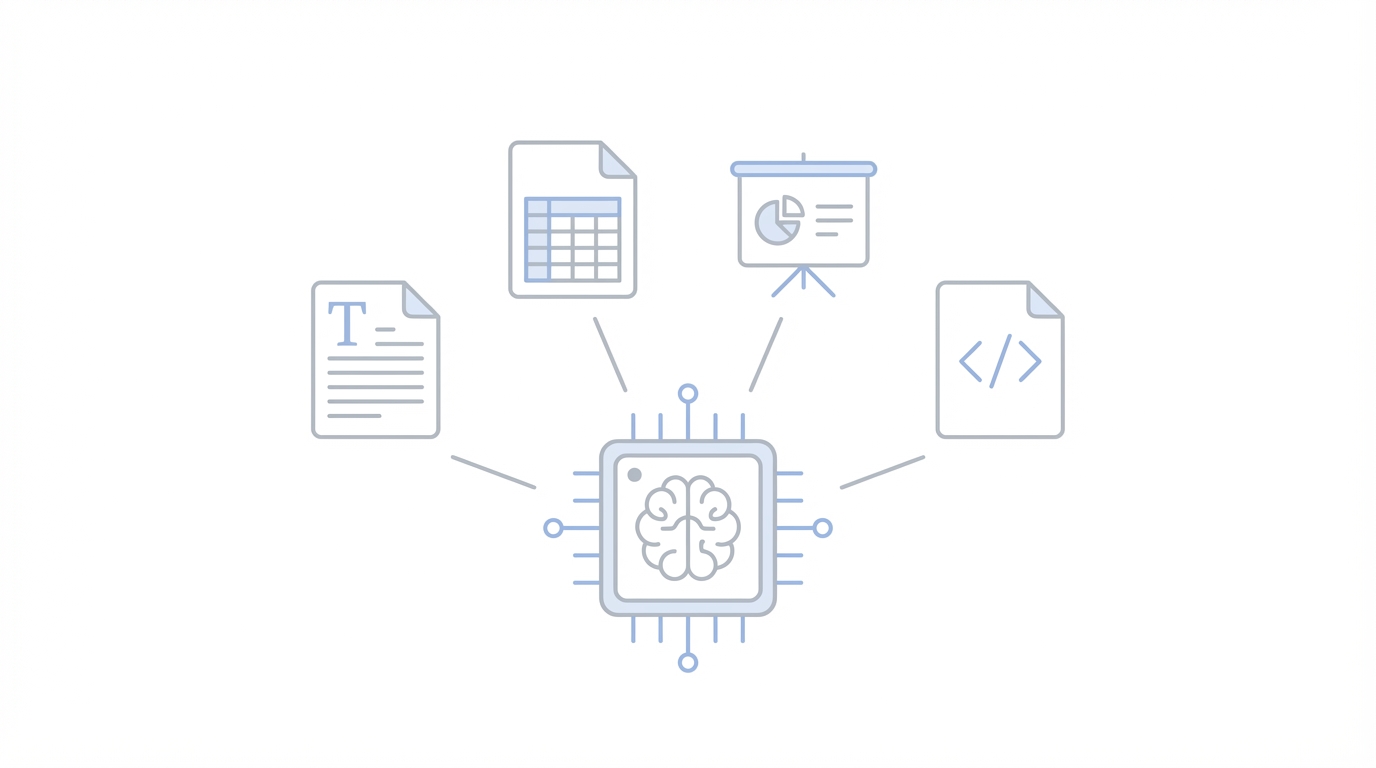
To influence AI responses, you first need to understand how these models 'search.' This process is often called AI Fanning. When a user types a simple query like 'best funnel building software for mobile,' the AI doesn't just search that one phrase. It expands that query into dozens or even hundreds of derivative, highly descriptive queries to gather a comprehensive data set. You can actually see this happening in your own data if you know where to look.
Navigate to your Google Search Console and look for queries that have an unusually long character count—specifically those over 50 to 100 characters. These are often queries written by AI, not humans. If you see a surge in impressions for hyper-specific, long-tail questions but zero clicks, it’s a red flag that an AI bot is scraping your content to answer a user elsewhere. You can verify this by dropping these queries into an AI detector like AIornot.com; frequently, these long-form 'questions' are clearly machine-generated.
Step 2: The 'Reference URL' Hunt
The core of any generative AI SEO tactics plan is identifying which specific websites the AI is currently referencing for your target keywords. Because AI tools aggregate data, they have 'favorite' sources for specific niches. Your goal is to find the list of URLs that Perplexity or ChatGPT pulls from when a user asks about your product category.
You can use specialized tools to map out this landscape. Platforms like PromptWatch or Try Profound allow you to track which URLs are being sourced for specific prompts. These tools send synthetic data to various LLMs to see which brand mentions are surfacing and which third-party sites are acting as the 'source of truth.' Once you have a list of these Reference URLs—which might be a list of 50 to 1,000 unique pages—you have your hit list. You no longer need to guess where to focus your marketing efforts; you simply need to get your brand onto those specific pages.
Step 3: Winning the Context Window with Listicles
AI models love structure, and nothing provides structure quite like a listicle. When an LLM scrapes the web to answer a 'Top 10' query, it is looking for clear mentions and comparisons. If your brand appears on 40% of the pages the AI scrapes for a specific topic, you are almost guaranteed to be the primary recommendation in the final AI response. This is a game of surface area.
Focus your energy on 'Top 10' or 'Best of' lists that already rank on the first page of Google for your target queries. If you are a SaaS founder, you need to be on every 'Best CRM for Startups' list that Perplexity is currently referencing. By securing a spot on these high-authority third-party sites, you are effectively 'inserting' your brand into the AI's context window. This is where modern outreach meets traditional PR. Tools like Stormy AI can help growth teams discover these influential creator-led blogs and manage the outreach process to ensure your brand is included in the lists that matter most for AI discovery.
Step 4: Outreach and Strategic Deal Composition
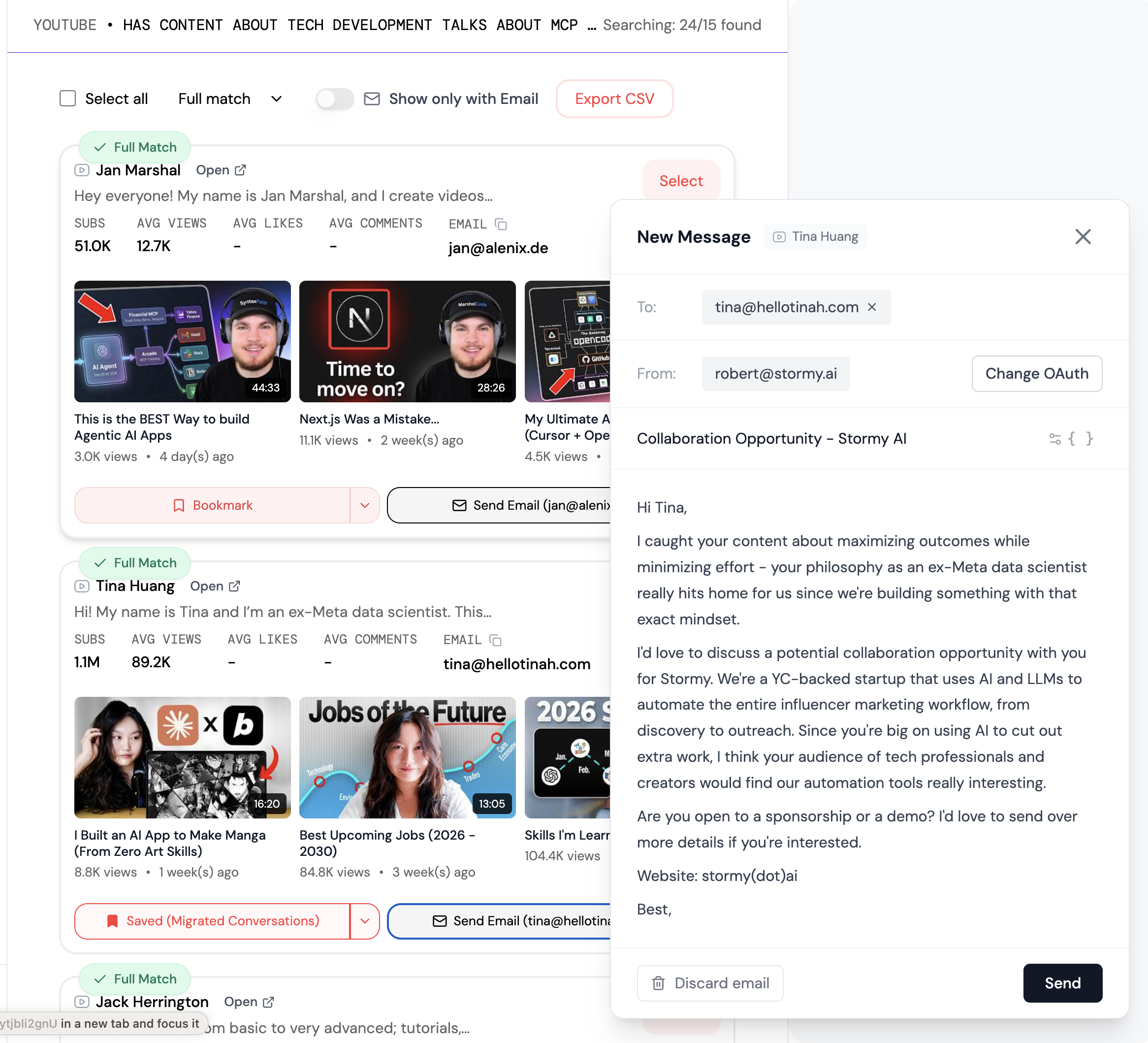
Once you have identified the Reference URLs that the AI is sourcing, you must execute a high-volume outreach campaign to get your brand added to those pages. This isn't standard guest posting; it’s strategic placement. Many site owners are now aware of the value their pages hold in the AI ecosystem and may charge a premium for inclusion.
Expect to pay anywhere from $500 per link to a higher flat fee for a permanent placement on a top-ranking listicle. However, you can often negotiate these costs down by offering high-commission affiliate deals through platforms like Impact.com or PartnerStack. For instance, offering a 40-50% commission on any traffic driven from that page can make the deal more attractive to a creator or publisher than a one-time fee. When managing these relationships, using a creator CRM like Stormy AI allows you to track which outreach efforts are resulting in placements and helps automate the follow-up process, which is essential when dealing with thousands of potential Reference URLs. Remember, the goal is to dominate the search results that the AI is using as its foundational material.
Step 5: Measuring Success Beyond Vanity Metrics

Many 'AI SEO' tools will try to sell you on a 'Brand Mention Percentage' metric. While it feels good to see your brand mentioned 80% of the time in Perplexity, this is ultimately a vanity metric if it doesn't translate to revenue. You must move beyond simple mentions and look at actual referral traffic and conversions.
Use Google Analytics to track traffic coming specifically from chat.openai.com, perplexity.ai, and other LLM referrers. Because the volume is currently lower than Google, you should pay closer attention to the quality of the lead. Are these users staying on the site longer? Is their conversion rate 5x higher than your average social media lead? If the answer is yes, then the investment in securing those Reference URLs is paying off. The 'New SEO' is about quality and position within the AI's mind map, not just raw traffic volume. As AI search continues to grow, being the 'recommended' choice in a ChatGPT conversation will become as valuable as ranking #1 on Google used to be.
Conclusion: The Future of Discovery
Ranking on Perplexity and ChatGPT is not about 'hacking' an algorithm; it’s about understanding the supply chain of information. If you can identify the sources that AI tools trust and ensure your brand is prominently featured there, you will win the generative AI search race. Start by monitoring your 'AI Fanning' queries in GSC, use tools to find your Reference URLs, and aggressively pursue placements on the listicles that define your niche. The brands that build their 'surface area' today will be the ones that the AI recommends tomorrow.