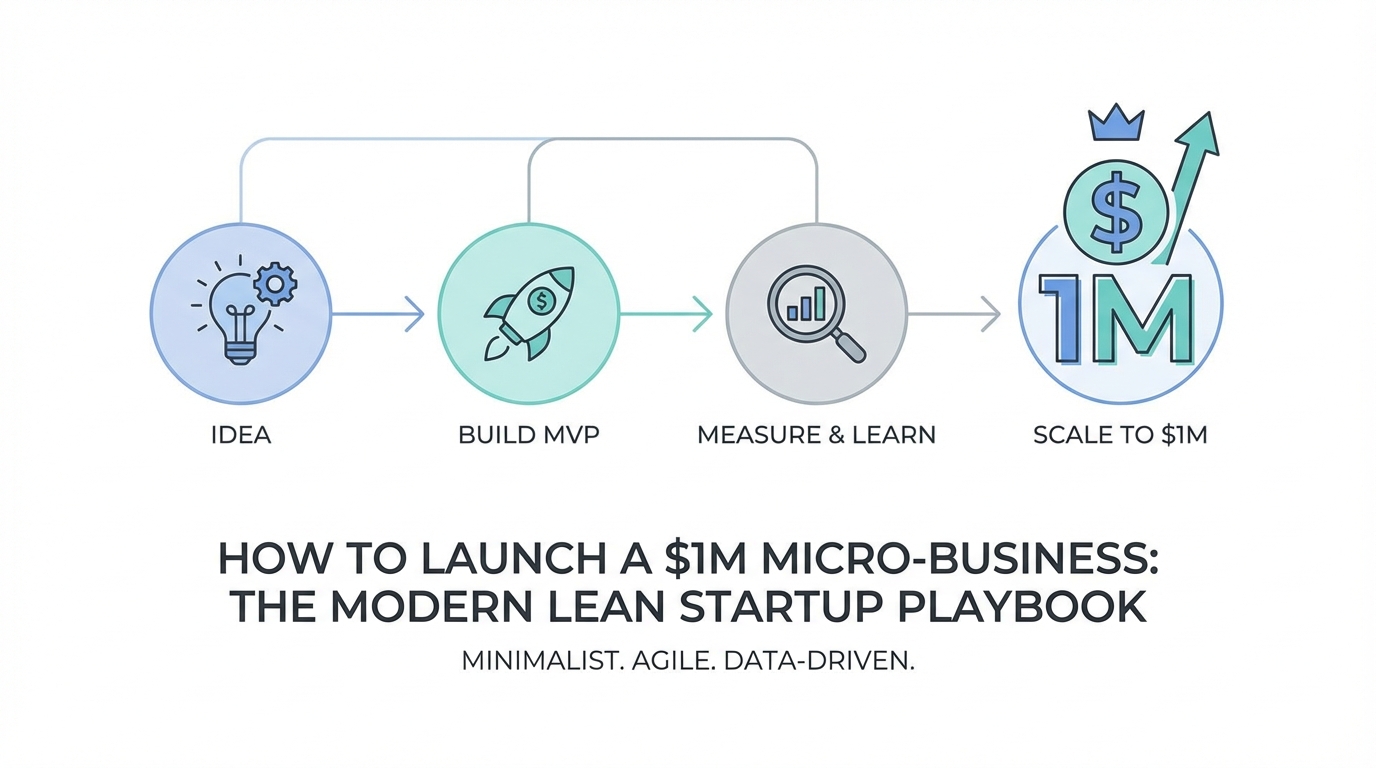
For decades, the silicon-valley dream was singular: raise venture capital, burn through cash to find product-market fit, and commit the next 15 years of your life to a single "unicorn" chase. But in 2025, the game has changed. A new breed of entrepreneur is emerging—one that prioritizes high margins over high headcount and distribution over traditional R&D. These founders aren't building 10-year "chapters" of their lives; they are building "pages"—modular, $1M+ micro-businesses that leverage AI to automate the grind. By following a modern lean startup methodology, it is now possible to launch, validate, and scale profitable startup ideas faster than ever before.
Chapters vs. Pages: The New Startup Philosophy
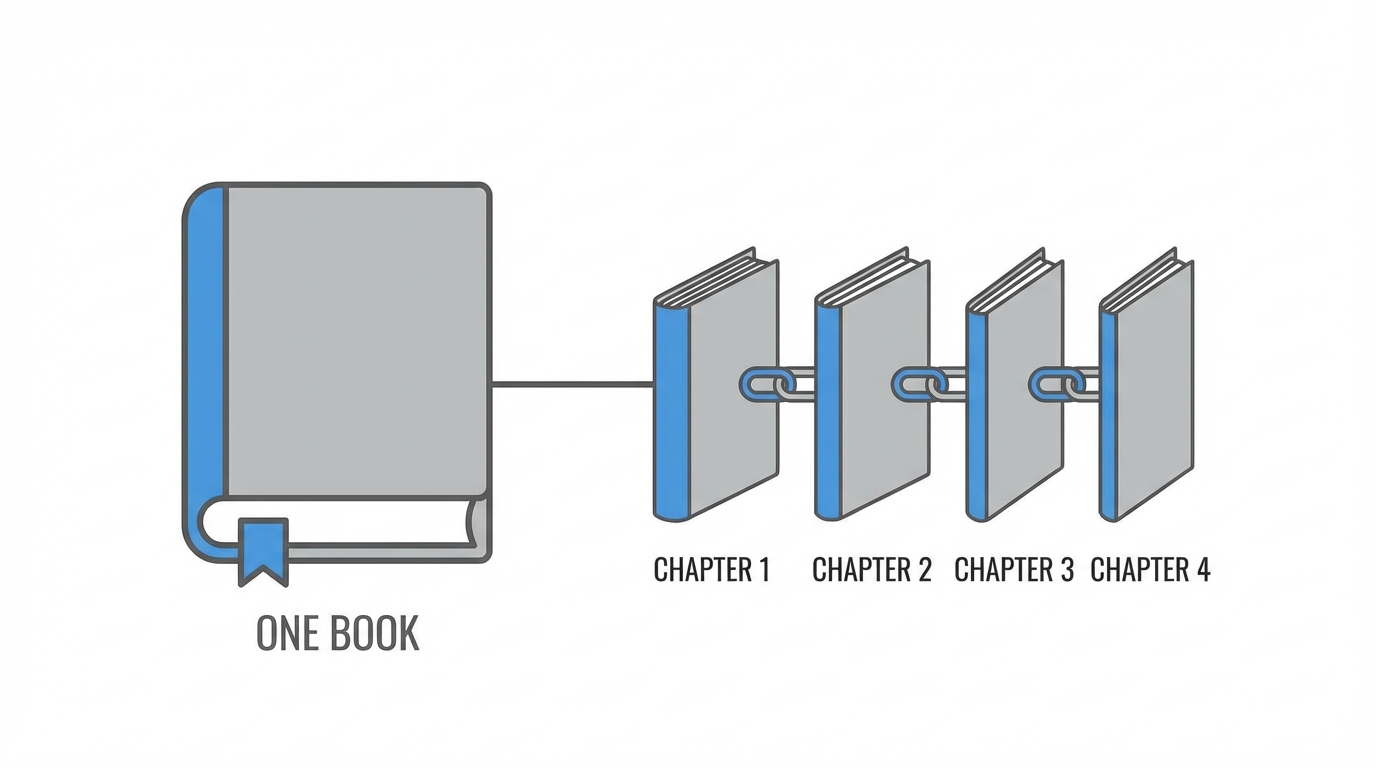
When Danny Grant, co-founder of Jam.dev, reflects on the journey of a venture-backed startup, he notes that a successful company often dictates the next 10 to 15 years of a founder's life. This is a "Chapter" business. It requires deep personal resonance with the problem, as you will be talking about it at every party, family dinner, and board meeting for a decade. While rewarding, the "Chapter" model isn't the only path to wealth in the modern economy.
A "Page" business, or a micro-business, is designed for speed and cash flow. Instead of raising $10M and hiring 50 people, these founders use tools like v0.dev to generate front-end code and Shopify to handle logistics. The goal isn't necessarily a $1B exit; it’s a $1M to $5M annual revenue stream with a skeleton crew. In this era, the risk isn't in building the software—it’s in failing to capture attention.
Brand is the Only Moat: Why Competitive Advantage has Shifted

In the early 2000s, startups relied on technical moats or network effects. Today, software is becoming a commodity. As Notion became the default knowledge base for millions, it wasn't because of a complex network effect—it was because their brand was so strong that founders didn't even bother searching for an alternative. Peter Thiel famously said that the best way to compete is to not compete at all. By occupying enough mental space in a specific category, you effectively eliminate the competition.
For those looking at profitable startup ideas 2025, the focus must be on brand trust. Whether you are selling a SaaS tool or a specialized service, your ability to become the "Coca-Cola" of your niche is what prevents users from churn. This is especially true as AI makes it easier for competitors to clone features overnight. You cannot clone a relationship, a community, or a reputation.
Distribution-First: Building the Platform Before the Product
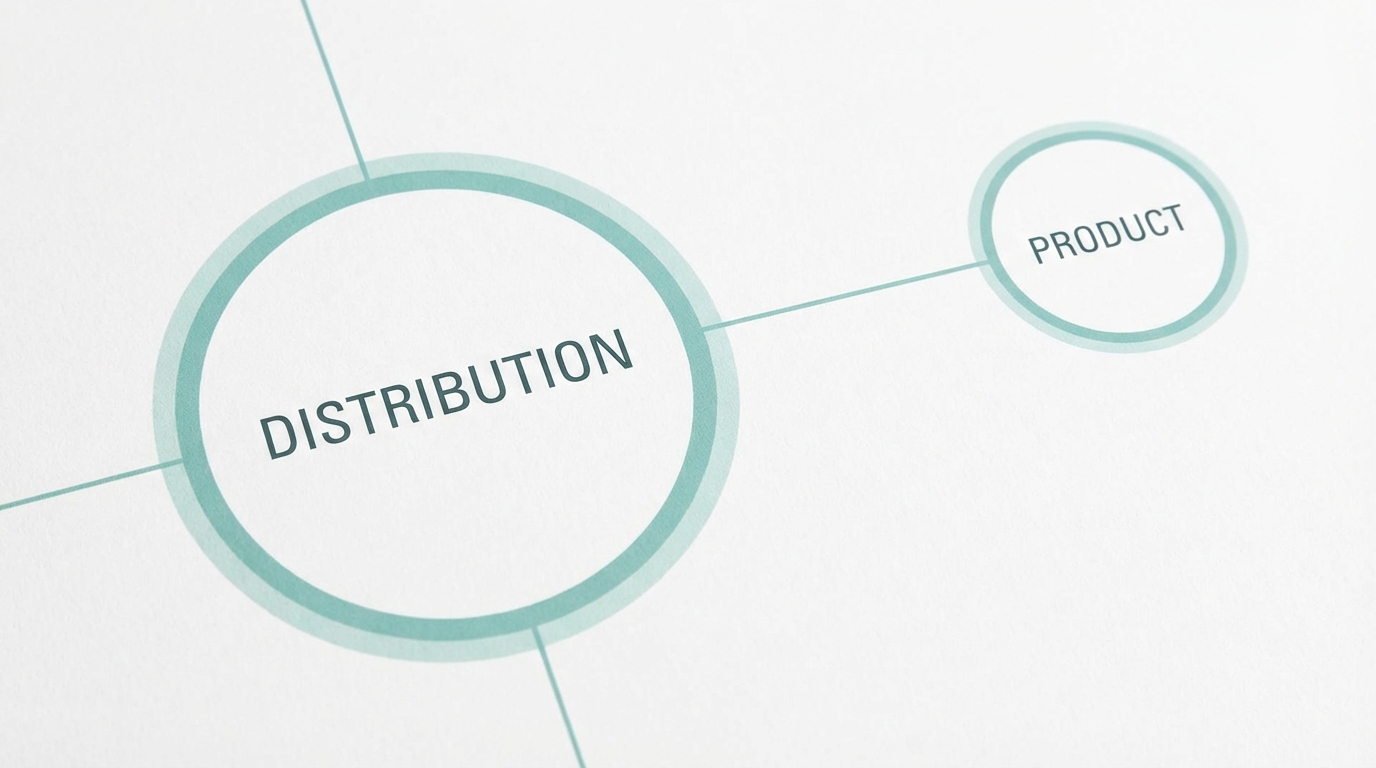
The biggest mistake first-time founders make is over-focusing on the product. Second-time founders, however, know to focus on distribution-first growth. Before a single line of code is written for a micro-business, the founder should already have a mechanism for reaching their target audience. This might mean starting a podcast, a newsletter, or a high-signal Twitter presence.
Take the example of Julian Shapiro, who built massive traction for his growth agency by creating the @growthtactics Twitter account. By sharing valuable insights for free, he built a built-in audience of thousands of founders who eventually became his best customers. However, the 2025 landscape suggests a shift: people trust people more than anonymous accounts. Building a personal brand or a face-forward presence (like growth.design's case studies) creates a deeper level of trust than a generic corporate handle.
When you have distribution, you don't need to guess what to build. You simply listen to your audience's pain points. For those learning how to start a micro-business, your first task isn't a business plan; it's an audience plan. This is where modern tools can bridge the gap. For example, if your distribution strategy relies on social proof, using Stormy AI can help you discover and partner with the right UGC creators to build that initial trust and reach without spending months on manual outreach.
The Micro-Business Tech Stack: Powering Startups with AI
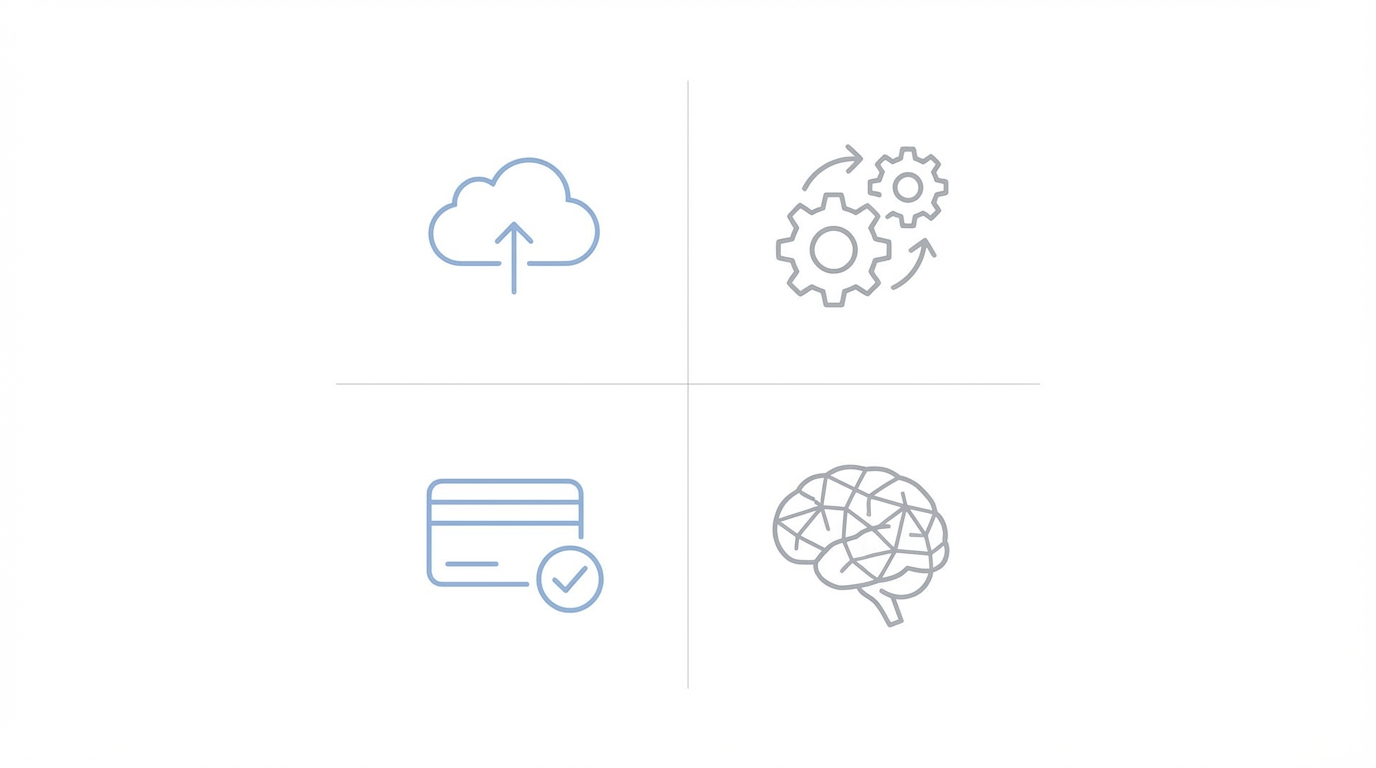
The cost of producing software is declining toward zero. In the past, you needed a full engineering team to build a marketplace or a service platform. Now, a single founder can use an AI for startups stack to move at light speed.
1. Rapid Prototyping with v0.dev
Tools like v0.dev allow you to describe a web interface in natural language and receive a fully functional UI in seconds. This eliminates the need for expensive design-to-dev handoffs during the validation phase. You can launch a landing page, test a value proposition, and collect emails before ever hiring a developer.
2. High-Margin Operations
By using Stripe for payments and Meta Ads Manager for targeted testing, micro-businesses can remain lean. The "boring" but profitable parts of the business—like SEO—can be managed through specialized platforms like Boring Marketing, which uses AI to outrank competitors on Google without the need for a 10-person marketing department.
3. Automated Outreach
If your micro-business involves B2B sales or creator partnerships, the manual grind of emailing is a bottleneck. Using an AI-powered creator CRM and outreach tool like Stormy AI allows you to set up autonomous agents that find, vet, and contact potential partners while you sleep. This is the essence of the modern lean startup: automating the $20/hour tasks so you can focus on the $2,000/hour strategy.
3 Profitable Startup Ideas for 2025: Identifying the Gaps
If you are looking for profitable startup ideas 2025, look for "boring" problems or specialized talent gaps. Here are three frameworks derived from recent market shifts:
1. The "K-Pop Factory" for Specialized Talent
Startups are constantly fighting to hire "unicorns"—like senior growth marketers or design engineers. Traditional recruiters use a commission-based model that often fails for these niche roles. A micro-business that functions as a talent factory—taking high-potential individuals and putting them through a rigorous, specialized "bootcamp" to make them "day-one ready" for elite startups—can charge a massive premium. Unlike general coding bootcamps, this model focuses on extreme specialization.
2. Dev Evangelism Bounty Programs
Most technical startups need documentation, tutorials, and starter kits long before they can afford a full-time Developer Advocate. A marketplace that offers a bounty program for dev evangelism allows junior developers to earn money by creating high-quality "getting started" guides for new tools. By maintaining a high quality bar through AI-assisted vetting, this business solves a critical friction point for founders.
3. "Sofar Sounds" for Intellectual Content
There is a growing exhaustion with digital-only events. Sofar Sounds proved that people crave curated, intimate in-person experiences for music. Applying this model to talks, comedy, or science demonstrations creates a "variety show" empire. The value isn't just the content; it's the curated trust of the brand. If you know a "Talks in the Living Room" event will be high-quality, you'll attend regardless of the speaker's name.
Managing a Portfolio: Beyond the Single-Startup Grind
The final step in the micro-business playbook is moving from a single product to a portfolio of assets. In the old lean startup methodology, you'd pivot until you found one thing to do for 15 years. In the micro-business era, you might run three different businesses that all leverage the same core distribution engine.
For instance, an entrepreneur with a strong audience in the developer space could run a talent factory, a dev-tool bounty program, and a niche newsletter simultaneously. Because each business uses the same tech stack and the same AI-driven automation, the overhead remains low. This diversification reduces the risk of a single platform algorithm change destroying your livelihood. The goal is to build an ecosystem, not just a product.
Conclusion: Your First Step to $1M
Launching a $1M micro-business in 2025 isn't about having a world-changing technical breakthrough. It's about identifying a specific pain point, building a trusted brand, and leveraging AI-powered distribution to reach your customers. Whether you are building a specialized talent factory or an automated SaaS tool, the barriers to entry have never been lower—but the bar for attention has never been higher.
Stop thinking in decades and start thinking in "pages." Validate your idea with a distribution-first mindset, automate your operations with AI, and focus on building a brand that no competitor can clone. The journey to a high-margin, lean business starts with a single, well-placed bet on your own distribution.