Every salesperson has experienced that sinking feeling when a prospect says, "I need to think about it," or "The price is just too high." In these moments, most reps either push too hard and become aggressive or back off entirely, losing the deal. However, the most successful closers view these hurdles not as rejections, but as uncertainty masquerading as logic. By utilizing the Looping Technique—a core pillar of the Straight Line Selling (SLS) system—you can navigate these obstacles by systematically moving a prospect from doubt to absolute conviction.
The methodology, popularized by Jordan Belfort, is built on the premise that a sale is a straight line from the open to the close. If you stray too far off the line, you lose control. If you stay on the line, you guide the prospect toward a decision. In today's competitive landscape, where only 18% of buyers believe salespeople are well-prepared for conversations, mastering a structured sales objection handling framework is the only way to stand out as a trusted expert.
The Foundation: The Three Tens
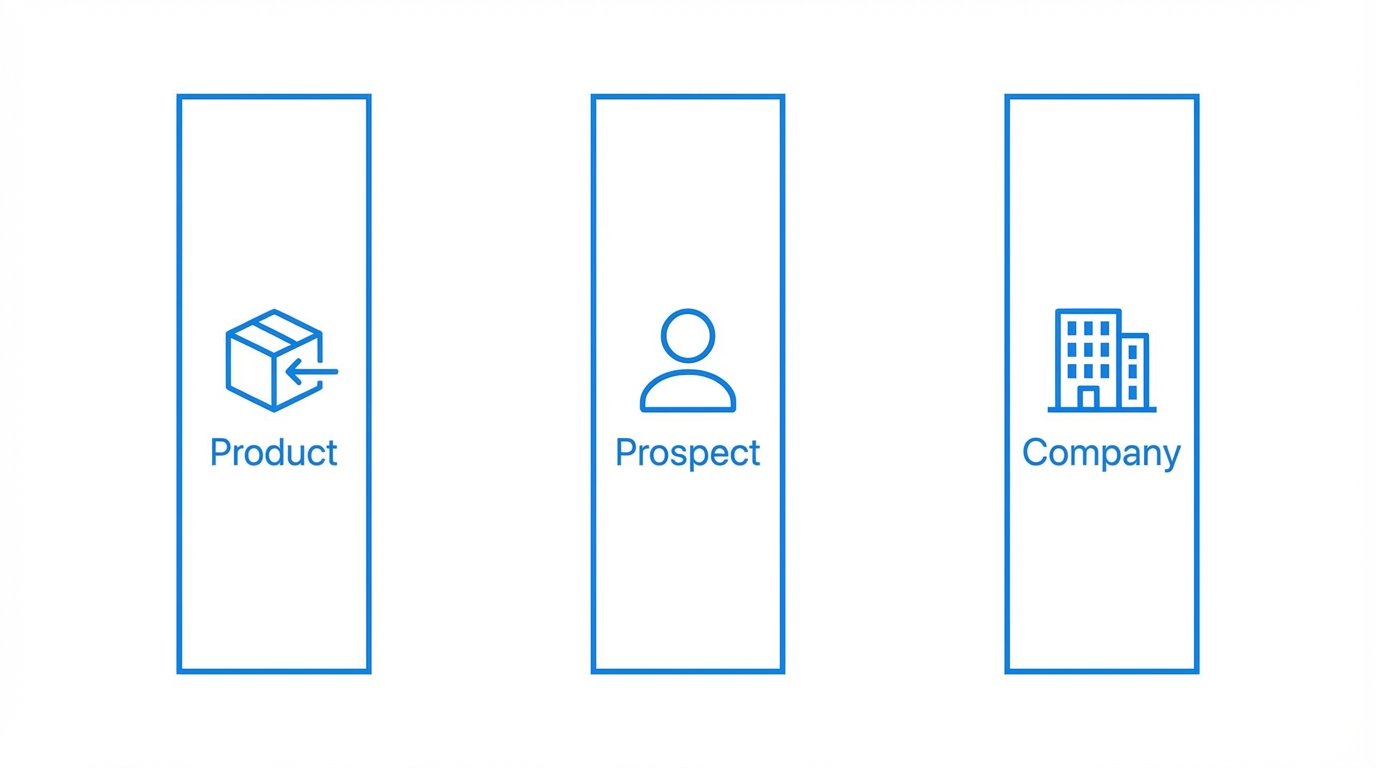

Before you can apply the Looping Technique, you must understand what you are actually trying to achieve. According to the Straight Line system, a prospect will only buy when they reach a 10 out of 10 on the certainty scale across three specific areas. These are known as the "Three Tens":
- The Product: Does the prospect believe your solution is the absolute best fit for their problem?
- The Salesperson: Do they trust you as a sharp, enthusiastic expert?
- The Company: Do they trust the institution standing behind you?
If a prospect gives you an objection, it means they are currently at a 5 or a 6 on one of these scales. Your job is not to argue with the objection, but to loop back and increase their certainty in these three areas until they hit a 10. This is a critical distinction in closing sales techniques: you are reselling the foundation, not defending the specific objection.
The Mechanics of the Looping Technique
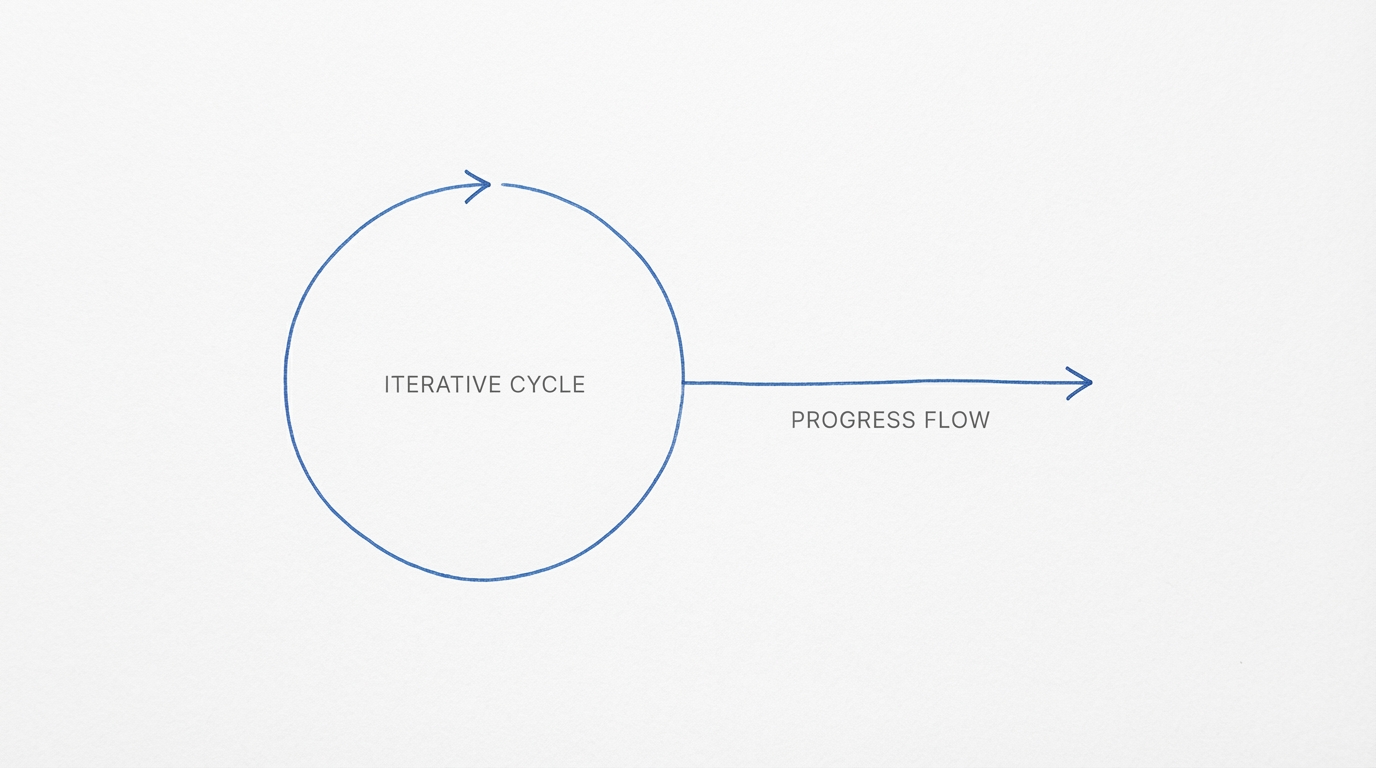
The Looping Technique is a pivot. Instead of meeting an objection head-on, you acknowledge it briefly and then "loop" back to a point of agreement to rebuild certainty. This prevents the conversation from becoming a confrontation.
Step 1: The Deflection and Acknowledge
When the prospect says, "I need to talk to my partner," or "The price is high," you don't fight it. You use a disarming tone and say: "I hear what you’re saying, but let me ask you a question. Does the idea make sense to you? Do you like the idea?" This simple pivot moves the focus away from the logistical barrier (the partner, the money) and back to the value of the product itself. According to Straight Line resources, this is the first step in regaining control of the "Straight Line."
Step 2: Reselling the Product
Once they admit they "like the idea," you launch into a shortened, high-impact version of your presentation. You are looking to move their certainty on the product from a 6 to a 9. Use phrases like, "The beauty of this system is..." or "What this really does for you is..." to highlight the core benefits. You are overcoming sales resistance by reinforcing why they were interested in the first place.
Step 3: Reselling Yourself and the Company
After reselling the product, you must immediately bridge to yourself. A prospect might love the product but not trust the person selling it. Use a tone of absolute certainty to project authority. Explain why you personally will be there to ensure their success and why your company has a track record of delivering results. This is where you move the other two "Tens" up the scale.
Tonality: The Secret Weapon in Persuasion
Jordan Belfort argues that 90% of communication is non-verbal. In the Looping Technique, how you say something is more important than what you say. With 91% of sellers finding it difficult to maintain buyer attention in virtual environments, tonality acts as a hook to keep the prospect engaged.
Key tonalities used during looping include:
- The "Money Aside" Tone: A disarming, slightly higher-pitched tone used to isolate objections (e.g., "Hypothetically, if money weren't an issue...").
- Reasonable Man: A calm, level tone that triggers a reciprocal "reasonable" response when asking, "Sound fair enough?"
- Implied Obviousness: A tone that suggests your solution is the only logical choice, making the prospect feel that agreeing is the "no-brainer" move.
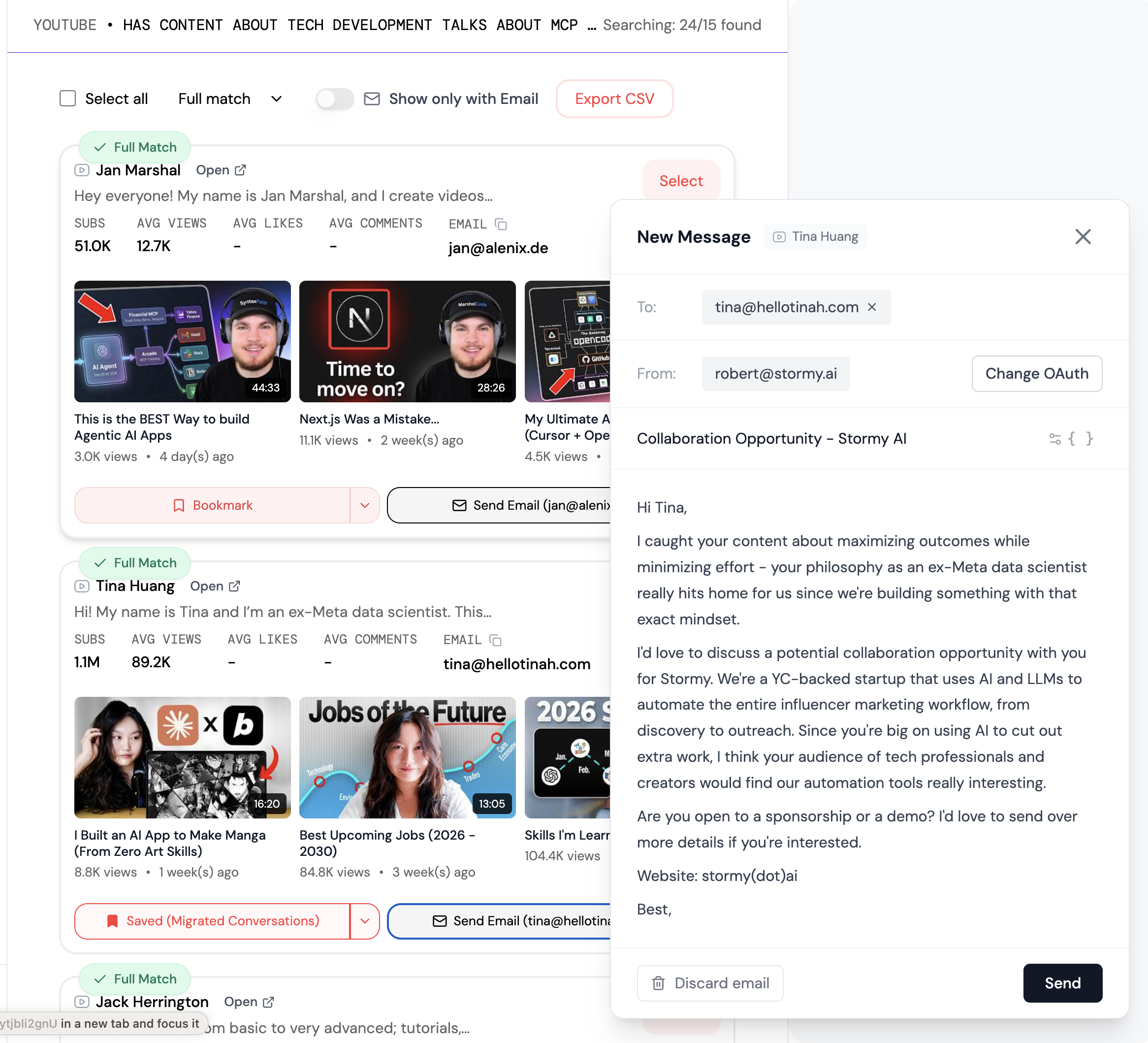
By varying your pitch and pace, you can navigate the action threshold sales psychological barriers without triggering the prospect's "sales alarm." This is especially vital in modern outreach. For example, when using tools like Stormy AI to discover and contact UGC creators, maintaining a personalized and expert tone in your initial AI-generated outreach can significantly impact whether a creator sees you as a "10" on the salesperson scale.
The Money Aside Close: Isolating the True Objection
Often, a prospect will give you a "smoke screen" objection because they don't want to admit the real reason they are hesitant. The Money Aside Close is a specific loop designed to find the truth. You ask: "I hear what you're saying about the budget. But let me ask you—if money were no object, if this was costing you nothing, would you want to move forward?"
If they say "No," you know the problem isn't the money—it’s the product or the trust. If they say "Yes," you have isolated the action threshold. Now you can focus entirely on justifying the cost-benefit ratio and lowering their perceived risk. This is a masterful way of sales objection handling because it stops you from wasting time solving the wrong problem.
Lowering the Action Threshold: The Forrest Gump Pattern
The "Action Threshold" is the collective level of certainty a person needs to have before they feel comfortable saying "yes." Some people have a low threshold (they buy easily), while others have a high threshold (they are naturally skeptical). To close a high-threshold buyer, you must use the Forrest Gump Pattern.
This pattern involves addressing the "worst-case scenario." You walk the prospect through what happens if the product doesn't work perfectly. By showing that the downside is manageable and that you are committed to fixing any issues, you effectively lower the barrier to entry. This strategy is frequently taught in premium sales training programs, which have been shown to deliver an average 353% ROI for organizations.
Managing the Certainty Scale: Identifying When to Close

One of the biggest mistakes in sales is closing too early. If you attempt to close when a prospect is at a 5 or 6 on the certainty scale, you will meet massive resistance. In the Straight Line system, you only move for the final close once you have successfully looped multiple times and sensed that the prospect is at a 9 or 10.
During the discovery phase, you must use "intelligence gathering" to identify their pain points. However, you must avoid being a "Grand Inquisitor." If you ask too many invasive questions without building rapport, the prospect will shut down. Modern sales environments require a balance of data-driven insights and human connection. For instance, brands managing large-scale influencer campaigns use platforms like Stormy AI to vet creator quality and automate the initial search, allowing the human sales or marketing rep to focus entirely on the high-level negotiation and relationship building where looping is most effective.
Ethics in Persuasion: Sifting vs. Alchemy
A common criticism of high-pressure sales techniques is the ethics behind them. The modern interpretation of the looping technique sales methodology emphasizes "sifting" over "alchemy." Sifting is the process of finding people who actually need your product and are in a position to buy, then using persuasion to help them overcome their natural fear of making a decision. Alchemy is the attempt to turn a "no" from someone who doesn't need the product into a "yes."
By focusing on sifting, you reduce churn and build long-term brand equity. Organizations that implement structured methodology training see a 20% performance boost in individual reps. The goal of looping is to provide the logical and emotional bridge for a prospect to do something that is ultimately in their best interest.
Conclusion: Mastering the Loop
Handling sales objections isn't about having a witty comeback for every concern. It's about having a repeatable system that moves a prospect through a specific psychological journey. By using the Looping Technique, you can redirect the conversation, build the "Three Tens" of certainty, and lower the action threshold until a "yes" becomes the only logical conclusion.
To succeed in 2025 and beyond, sales professionals must combine these classic psychological frameworks with modern tools. Whether you are selling enterprise software or negotiating a UGC deal with a top-tier influencer, the principles remain the same: project expertise, maintain control of the line, and loop until certainty is absolute. Start practicing your tonality today, and watch as your "I need to think about it" responses turn into closed deals.