In 2026, the barrier to building a SaaS has never been lower, but the barrier to capturing attention has never been higher. Most founders fail not because their code is buggy, but because they build in a vacuum, waiting for a viral moment that never comes. Research from Failory suggests that 90% of startups fail, often due to a lack of market need or poor marketing. The reality of hitting your first 100 paying users isn't about a grand launch; it is about hand-to-hand combat and capturing high-intent demand that already exists in the market. By leveraging tools like Claude Code and high-velocity shipping, early-stage startups can outmaneuver incumbents who are slowed down by legacy processes.
The Low-Hanging Fruit Strategy: Hijacking Competitor Intent
Targeting specific utility-based search terms to capture high-intent users early on.
The fastest way to get your first 100 customers is to find people who are already looking for a solution. You don't need to educate the market on a new category; you need to capture the overflow from existing players. According to insights from Starter Story, successful founders like Joseph from Super Demo scaled to $3M ARR by focusing on "low-hanging fruit" right out of the gate.
This strategy involves identifying competitors in your niche and creating Bottom-of-Funnel (BOFU) content. These are users who are at the final stage of their decision-making process. They are searching for terms like "Alternative to [Competitor]" or "[Competitor] vs [Your Product]." By creating detailed comparison pages, you can piggyback off the massive marketing budgets of industry giants, a tactic often highlighted in B2B growth playbooks on GrowthHackers.
"Focus on people who are already searching for a solution. Detail-oriented comparison pages pitting your product against competitors are the easiest way to piggyback off their traffic."
| Funnel Stage | Content Type | Intent Level |
|---|---|---|
| Top of Funnel (TOF) | How-to guides, educational blogs | Low (Information seeking) |
| Middle of Funnel (MOF) | Free tools, templates, checklists | Medium (Problem-aware) |
| Bottom of Funnel (BOF) | Comparison pages, case studies | High (Solution-ready) |
Ranking in LLM Search and Programmatic SEO
Mastering the shift from traditional SEO to optimizing for AI-driven LLM search results.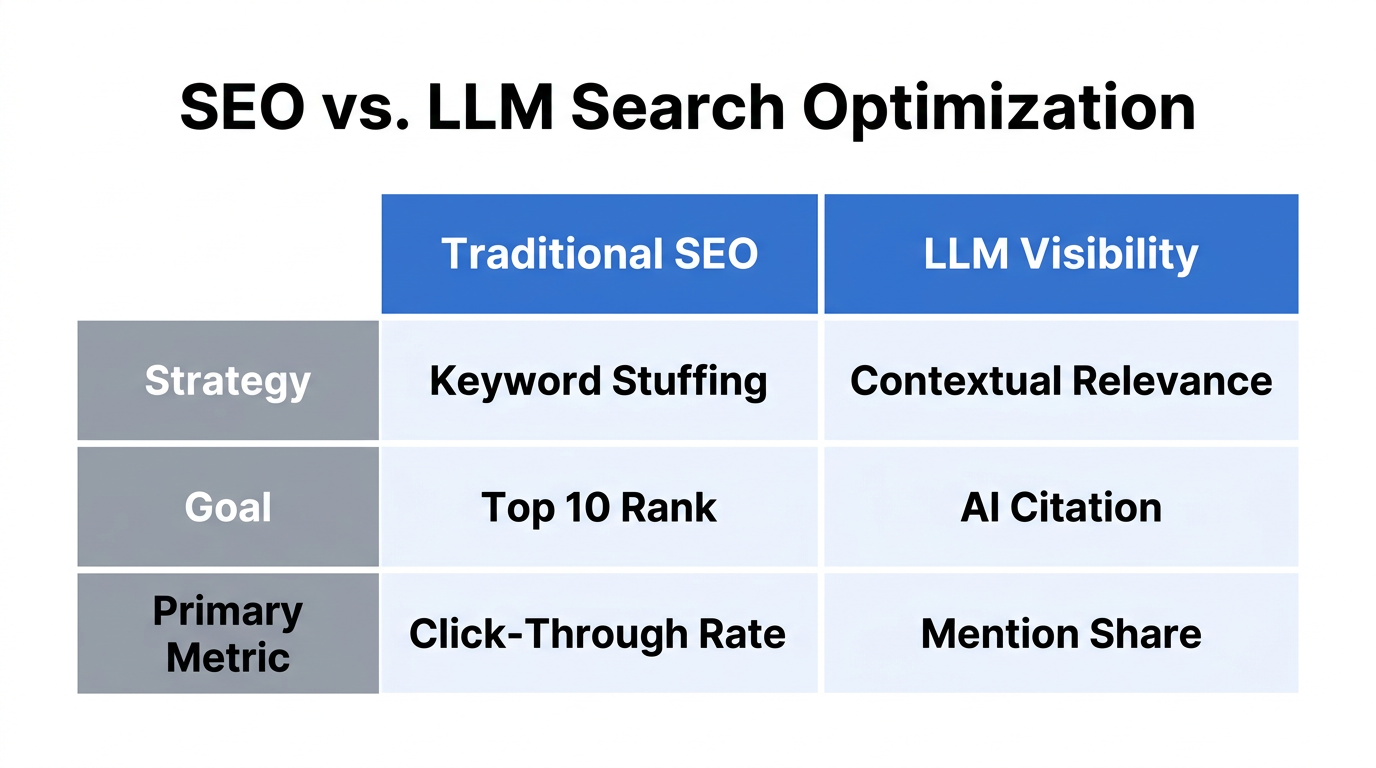
In 2026, SEO is no longer just about Google; it’s about ranking in LLM (Large Language Model) search results like ChatGPT and Perplexity. To do this, your content needs to be structured, data-rich, and frequently cited. Programmatic SEO—creating thousands of pages for specific long-tail keywords—is a cornerstone of the B2B GTM strategy 2026.
For example, Super Demo used programmatic pages to answer specific workflow questions like "how to export Figma to PDF." Even if these users weren't looking for a demo tool, the utility of the page introduced them to the product. Roughly 30-40% of their traffic now comes from a combination of SEO and LLM citations. By embedding interactive elements directly into these pages, you reduce friction and provide immediate value.
Hand-to-Hand Combat: The Manual Outreach Playbook
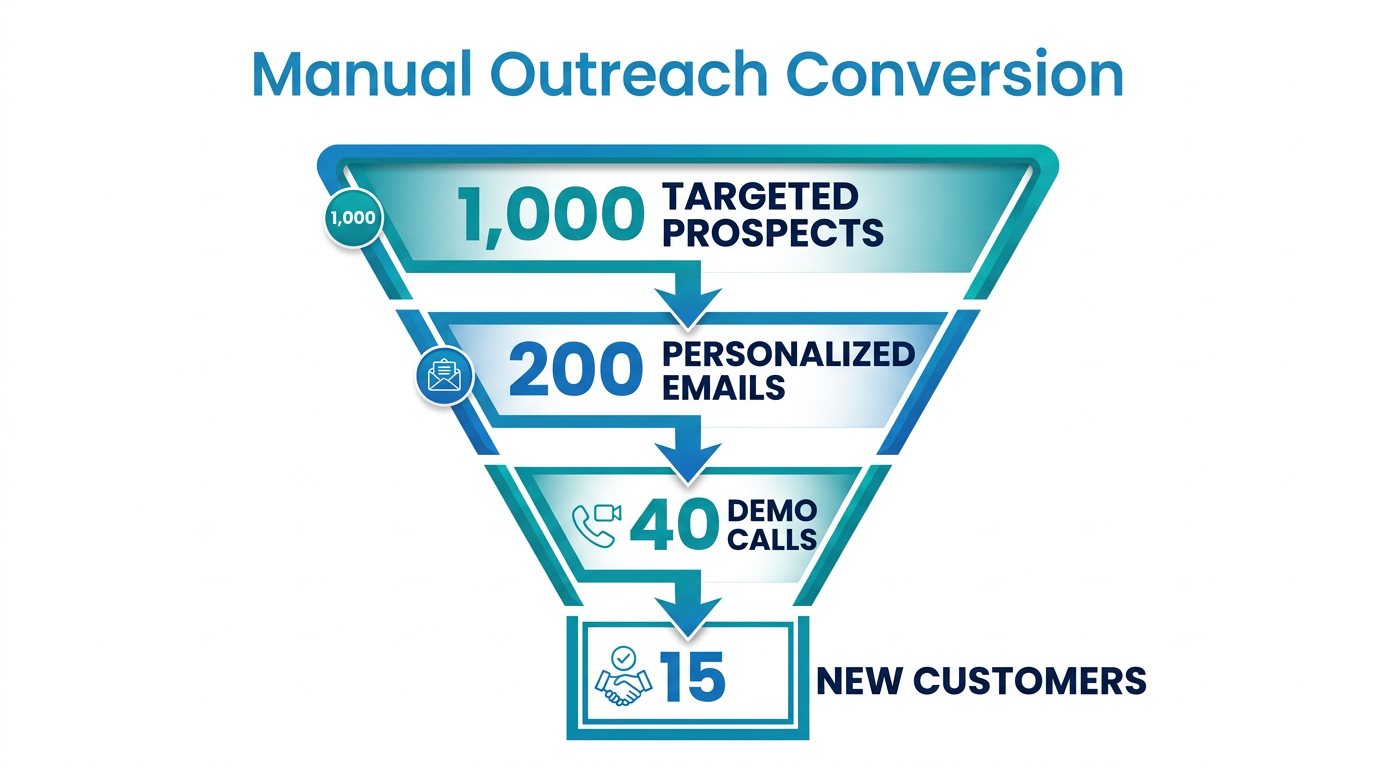
Before you have a repeatable growth loop, you need unscalable momentum. This means going where your users live—subreddits on Reddit, Indie Hackers, and LinkedIn groups—and providing value before asking for a sale. This is the essence of the "first 100 customers playbook."
The most effective manual outreach tactic in 2026 is the Value-First Demo. Instead of sending a cold DM asking for a meeting, find a user's product, create something for them using your tool, and send it to them publicly. On Reddit, this looks like replying to a founder's post with a pre-made asset they can use immediately. This not only hooks the original poster but acts as a public testimonial for everyone else browsing the thread, following the famous "Do Things That Don't Scale" advice by Paul Graham.
"The only advantage you have over an incumbent is urgency and speed. Do things that don't scale to remove friction for your first buyers."
- Reddit: Search for keywords related to your problem space and offer custom solutions in the comments.
- Indie Hackers: Share your build-in-public journey and offer free lifetime accounts to early adopters.
- LinkedIn: Use Clay to enrich lead data and send hyper-personalized video intros via tools like Loom.
Using Claude Code to Maintain Shipping Velocity
How rapid launching and coding speed creates a compounding advantage for your product.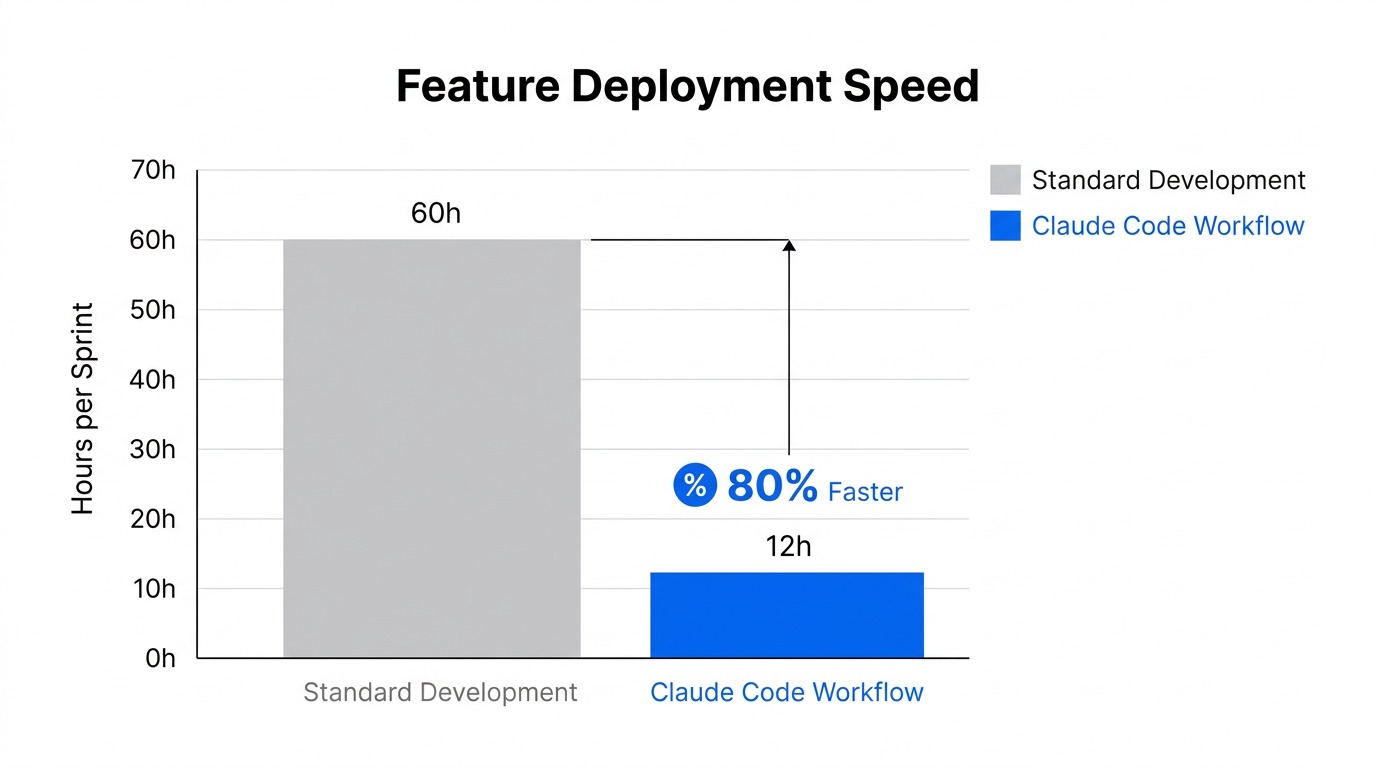
In the Claude Code for startups era, the winner isn't the one with the most funding, but the one who iterates the fastest. Claude Code and Cursor allow solo founders to ship features in hours that used to take weeks. This engineering velocity is your primary weapon against established competitors.
When an early user requests a feature, shipping it by the next morning builds incredible trust. This level of responsiveness is impossible for large corporations. By integrating your task management in Linear directly with your AI coding agents, you create a seamless loop from user feedback to production code. This speed allows you to test multiple pivots and find product-market fit (PMF) before your runway expires.
| Feature | Incumbent (Old School) | AI-Powered Startup (2026) |
|---|---|---|
| Feature Request Cycle | 3-6 Months | 12-24 Hours | Tech Stack | Legacy Monolith | AI-First (Claude Code, Cursor) | Customer Interaction | Support Tickets | Direct Founder Access |
Transitioning to Repeatable Growth Loops
Once you hit your first 50-100 customers through manual effort, you must transition to growth loops—mechanisms where a single input leads to a recurring output. For many B2B SaaS companies, this comes in the form of watermarks or viral loops. If your product is "visible" when used (like a demo tool or a signature line), every customer becomes a walking billboard for your brand.
As you scale, you can start layering on more traditional marketing channels. You might use Stormy AI to discover niche influencers on LinkedIn or YouTube who can demonstrate your product to their established audiences. By the time you're ready for paid acquisition, you'll have the data from your first 100 users to know exactly which keywords to target on Google Ads or TikTok Ads Manager.
"Most companies die by internal combustion—not by competition. Stop obsessing over the idea and start building."
Conclusion: The Road to 100
The most important piece of advice for SaaS founders starting their growth journey.Acquiring your first 100 customers is a test of grit and craftsmanship. It requires you to be a marketer, an engineer, and a customer success rep all at once. By focusing on low-hanging competitor demand, executing hand-to-hand combat on social platforms, and using AI tools like Claude Code to ship at lightning speed, you can reach this milestone faster than ever before.
Ready to find the creators who can take your SaaS to the next level? Start using Stormy AI today to discover and outreach to the influencers who will drive your next 1,000 customers.