Building a product is often the easy part for many entrepreneurs; the real challenge begins when you have to find the people who actually want to buy it. Many founders fall into the trap of thinking that a massive launch on a popular platform will automatically translate into long-term growth. However, as many soon discover, traffic does not always equal retention. In a recent interview with Starter Story, solopreneur Avnish Sharma shared his journey of building Savewise, a platform that helps users maximize credit card points and airline miles. After an initial struggle to gain traction, Avnish unlocked a strategy that scaled his revenue to $25,000 per month in just 15 months. This success wasn't built on viral trends or expensive ad spend, but on a rigorous customer discovery framework and deep social media niche analysis.
Why Standard 'Product Hunt' and 'Hacker News' Launches Often Fail
When most developers launch a new app, their first instinct is to hit the high-traffic hubs of the tech world: Product Hunt, Hacker News, or Indie Hackers. While these platforms can provide a massive spike in vanity metrics, they often fail to deliver a sustainable target audience. Avnish experienced this firsthand when he launched Savewise. He saw thousands of visitors flood his site, but the bounce rate was a staggering 95% to 96%. The issue? These visitors were "product tourists"—fellow builders and tech enthusiasts interested in the launch itself, rather than the problem the product solved.
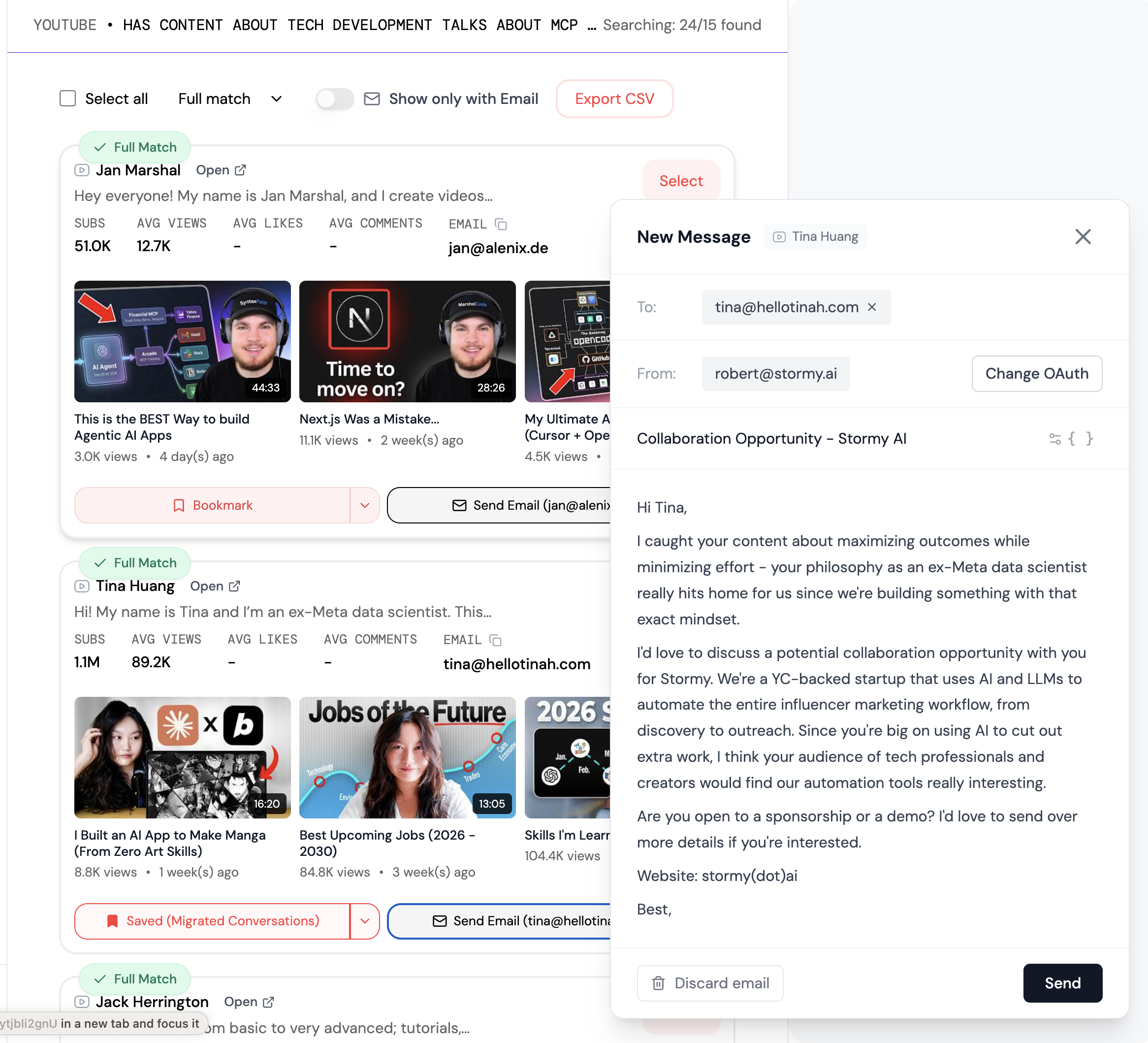
Broad launches provide generalized feedback that can actually distract a founder from their target audience research. If you are building a niche solution, like an airline mile optimizer, the opinion of a general software engineer on Hacker News is far less valuable than the feedback from a traveler who spends hours manually stacking coupons. Furthermore, Avnish attempted to reach out to over 400 influencers and creators to push his product, only to receive a single response. This is where many startups fail; they try to go big before they go deep. Instead of broad outreach, using Stormy's AI vetting and influencer analysis can help you identify creators whose audience demographics actually align with your niche, preventing the wasted effort of cold-emailing thousands of uninterested parties.
Using Social Mapping to Traverse Broad Interests into Niche Communities

To move past the "product tourist" phase, you must go where your customers already congregate. This requires a shift from marketing to social media niche analysis. Avnish recommends starting with a list of 10-15 keywords that define your ideal user's interests. For Savewise, this included terms like "credit card points," "airline miles," and "travel hacking." But simply finding the largest group isn't enough; you need to find the sub-niches where the highest intent exists.
A critical tool in this process is the Map of Reddit, which allows you to visualize how different communities are connected. By starting with a broad subreddit like r/CreditCards, you can traverse the digital landscape to find more specific clusters, such as users focused on specific airline loyalty programs or high-end travel perks. This is identical to how Stormy's AI search functions across platforms like TikTok and Instagram—instead of just searching for "fitness," you can find "post-partum strength training in Austin," allowing you to find the exact creators and communities that mirror your target audience.
The Five-Step Playbook for Dominating Niche Communities
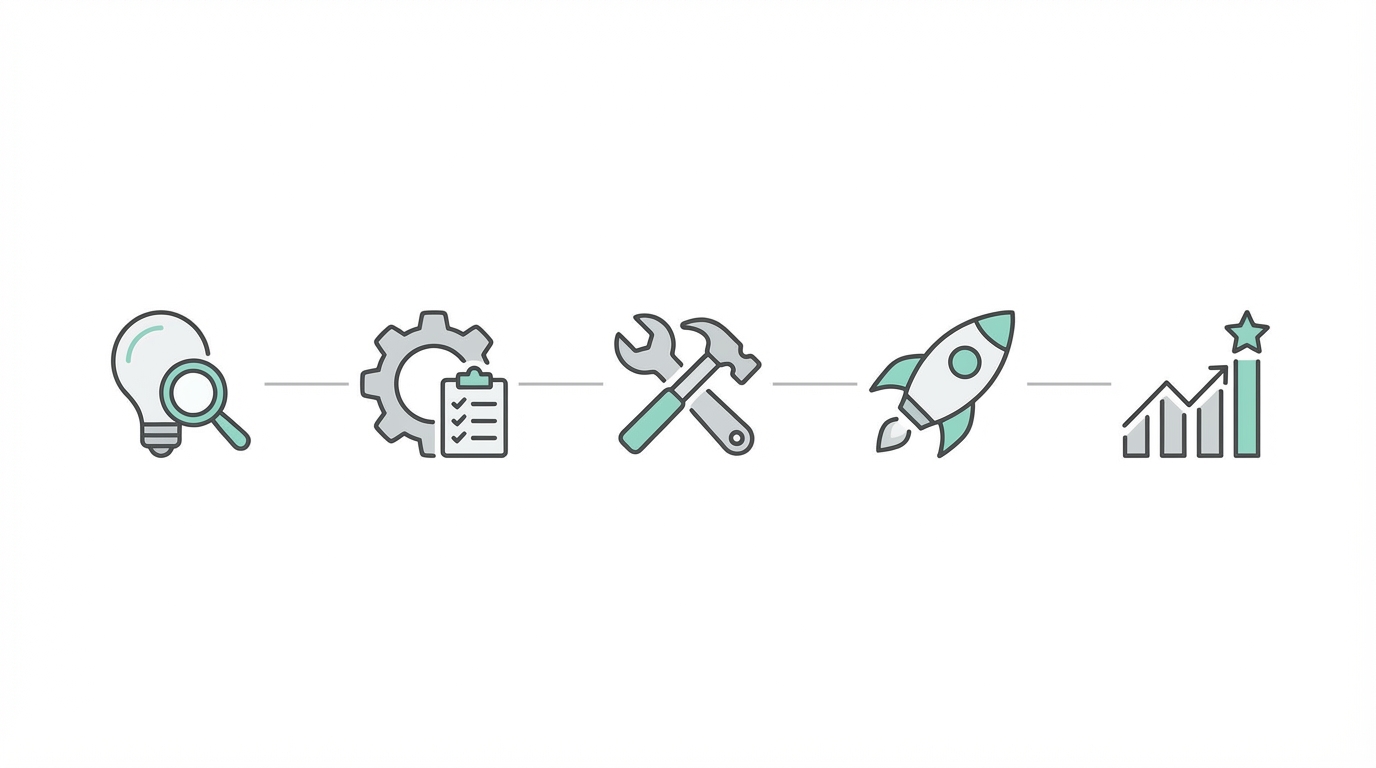
Once you have identified your target communities on platforms like Reddit and Facebook Groups, you need a strategy to enter them without being flagged as a spammer. Avnish’s customer discovery framework follows five distinct steps:
Step 1: Brainstorm Keyword Clusters
List every interest, demographic, and keyword related to your product. Don't just think about the product itself, but the adjacent problems your customers face. If you sell a productivity app, your keywords might include "burnout recovery" or "time blocking tips."
Step 2: Observe and Listen
The biggest mistake is posting a link immediately. Spend weeks reading the threads. What is the etiquette? How do people ask questions? What kind of content gets the most upvotes? Understanding the "vibe" of a Facebook Group is essential for successful market research for startups.
Step 3: Define Your Goal and Start in the Comments
Before making a top-level post, engage in the comments. This is a low-risk way to test if your insights resonate. If your comments consistently get traction, you know your target audience research is on the right track. Your goal might be as simple as asking for feedback on a specific feature or identifying a common pain point that your product solves.
Step 4: Set Up Keyword Alerts
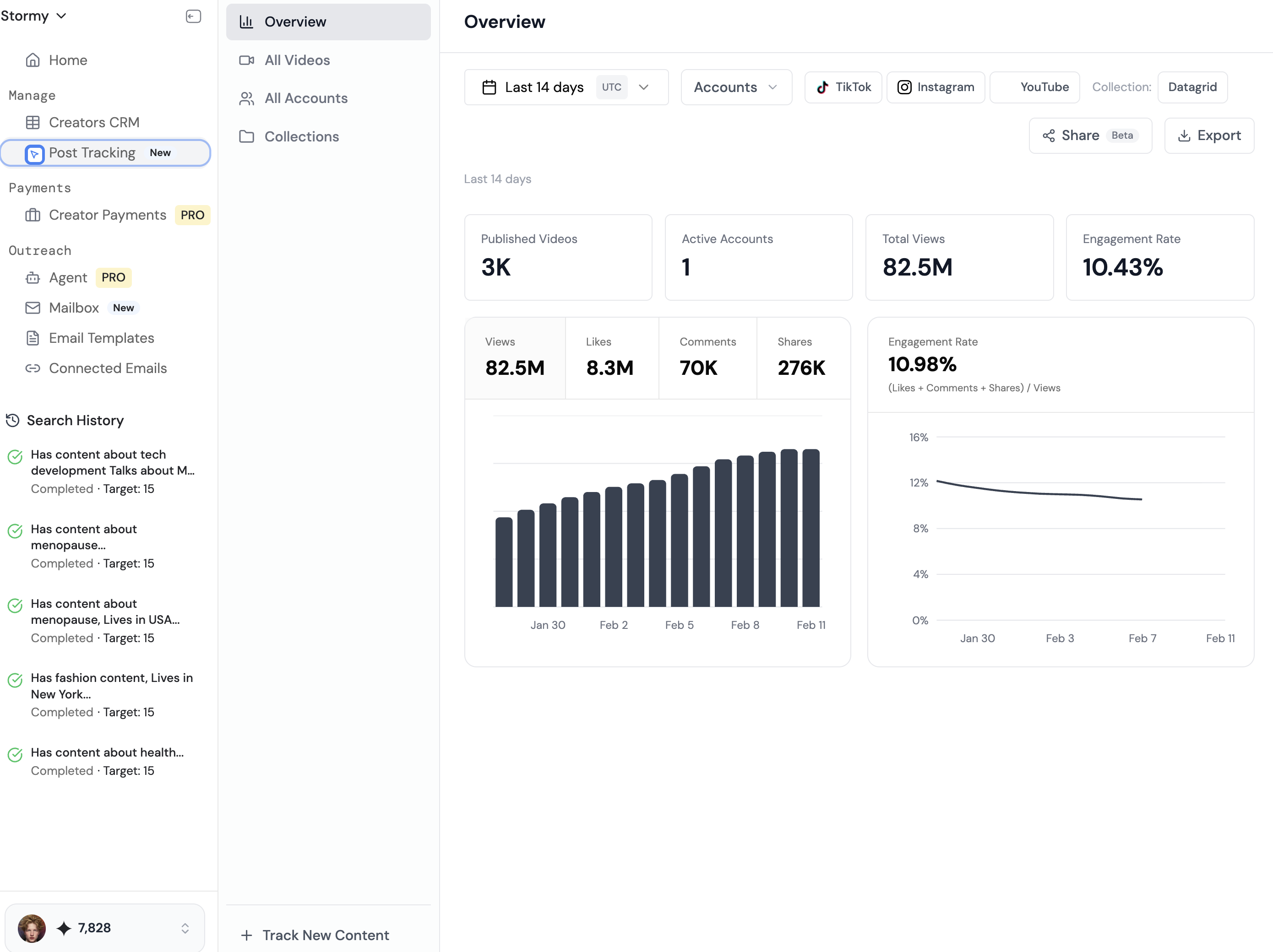
You cannot be on every platform at once. Tools like F5Bot or Stormy's post tracking can alert you the moment someone mentions a specific keyword. This allows you to jump into conversations in real-time when the user's intent is highest.
Step 5: Lead with Radical Helpfulness
Give away your best advice for free. By helping someone solve a problem without asking for anything in return, you earn the "right" to mention your product later. When you do mention your app, it should feel like a natural extension of the help you’ve already provided.
Leveraging Social Signals to Refine Your Product Roadmap
One of the most powerful aspects of finding your audience on Reddit is the ability to use Weekly Q&A threads. Instead of guessing what features to build, Avnish spent three months monitoring these threads and responding to direct community requests. He realized that users weren't just looking for points; they were looking for automated ways to stack offers. By building exactly what the community asked for in the comments, he essentially crowdsourced his product roadmap.
This direct interaction is the gold standard of customer discovery. When you build in public within these niches, you create a feedback loop that ensures product-market fit. If you are struggling to manage these relationships as you scale, Stormy's creator CRM can help you track these community interactions, negotiations, and feedback points in one centralized location, ensuring no insight from your social media niche analysis goes to waste.
Case Study: How One Post Generated 1,500 Targeted Visitors
To see this playbook in action, look at Avnish’s "Rakuten Stacks" strategy. He found a specific Facebook Group called "Rakuten Stacks, How to Double Dip." He noticed members were manually sharing lists of deals. Instead of just pitching Savewise, he wrote a SQL query that compiled all the data they were looking for into a single, easy-to-read spreadsheet. He shared the spreadsheet as a resource, which included a subtle link back to his site as the data source.
This single post drove 1,500 highly targeted visitors to his site. Because these users were already looking for exactly what Savewise provided, the conversion rate was exponentially higher than the traffic from his Product Hunt launch. This is the power of finding a target audience on Reddit and Facebook through value-first marketing. He wasn't selling; he was solving a problem they were already discussing.
Scaling Revenue: Why Consumers Hate Subscriptions
As Savewise grew to 1,500 paying customers and $25,000 in MRR, Avnish uncovered a surprising insight: 97% of his revenue comes from lifetime deals, not monthly subscriptions. In the current economy, many users are suffering from "subscription fatigue." By offering a one-time payment option, he lowered the barrier to entry and saw a massive spike in revenue. This is a critical lesson for market research for startups: sometimes the biggest hurdle isn't the product, but the pricing model.
To maintain this growth, Avnish uses a robust tech stack. The frontend is built on Next.js and hosted on Vercel. He relies on Clerk for authentication and PostHog for product analytics. For those looking to automate the discovery and outreach side of this growth, Stormy's autonomous AI agent can handle the daily tasks of finding and contacting new community leaders or influencers, allowing solopreneurs to focus on building rather than manual prospecting.
Final Takeaways for Your Audience Research
The journey of Savewise proves that target audience research is not a one-time event, but an ongoing process of listening and responding. By moving away from broad, high-noise platforms and into the specific sub-niches where your customers live, you can build a sustainable business without a massive marketing budget. Remember the playbook: brainstorm keywords, observe the community, identify your goal, set up alerts, and lead with help. Whether you are using manual tools or an AI-powered platform like Stormy AI, the key is to prioritize the quality of the connection over the quantity of the traffic. Start your customer discovery framework today by finding that one specific thread where your future customers are asking for help.