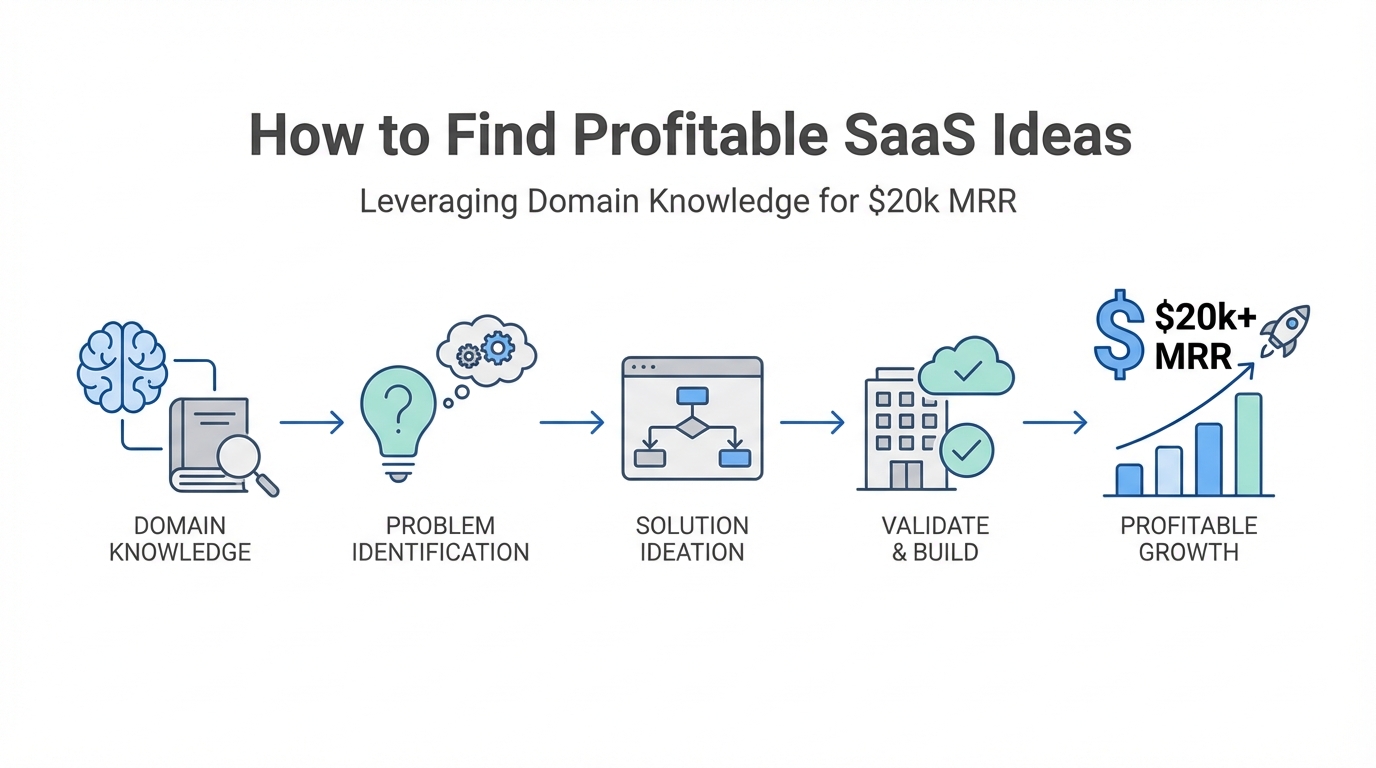
Building a successful software business in 2025 doesn’t require a computer science degree or a massive venture capital injection. In fact, some of the most successful founders today are non-technical individuals who have traded generic trends for deep, specialized expertise. The era of the "general purpose" AI wrapper is fading, replaced by a new wave of profitable SaaS ideas rooted in specific industries. If you have ever felt frustrated by a clunky process at your job or a missing feature in a hobbyist tool, you are likely sitting on a goldmine. The secret to hitting $20,000 MRR (Monthly Recurring Revenue) isn't about being first to the latest AI gimmick; it’s about being the best at solving a boring, persistent problem for a specific group of people, often documented by communities like Indie Hackers.
The Graveyard of Projects: Why Generic AI Tools Fail
Most aspiring founders start their journey in what we call the "Graveyard of Projects." This is a digital cemetery filled with generic AI video generators, automated job application bots, and low-utility productivity apps. While these micro-SaaS ideas 2025 might look good on paper, they often fail because the builder lacks niche domain knowledge. When you build for everyone, you build for no one. Without a deep understanding of the end user's daily workflow, you cannot identify the nuanced bottlenecks that people are actually willing to pay to solve.
Take the example of Hassam, a founder who launched 10 to 12 failed projects before finding success. His early attempts included lyric generators and generic job apps—tools where he had no personal edge. It was only when he pivoted to his own background as an Amazon private label seller that he found product market fit for SaaS. By focusing on a world he already understood from A to Z, he was able to build Launch Fast, an AI-powered Amazon product research tool. This shift from generic to specific allowed him to scale to over $20,000 MRR in just 90 days.
Identifying Your Domain Edge: The Career and Hobby Audit
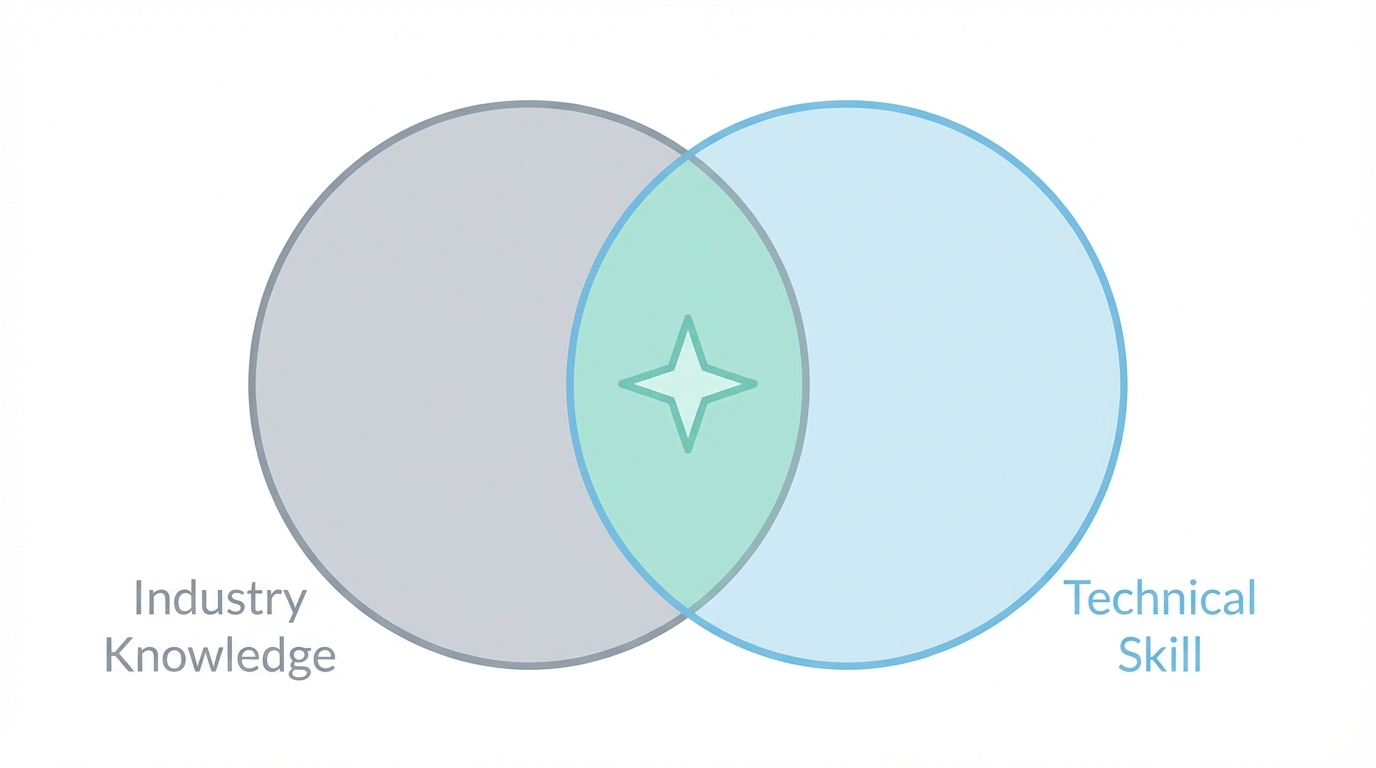
To find your own profitable SaaS niches, you must perform a rigorous audit of your past career, current hobbies, and daily frustrations. Your "domain edge" is the intersection of what you know better than the average developer and where the market is currently underserved. Most developers are looking for clean, tech-heavy problems to solve. As a domain expert, you should be looking for the messy, data-heavy, or repetitive tasks that characterize your specific field. Platforms like Stormy AI, an all-in-one AI-powered influencer marketing platform, are often used by brands to find UGC creators, but the same logic applies here: you are looking for the "creator" of a problem—the person who lives with it every day.
Ask yourself these three questions to narrow down your focus:
- What task at work takes you 20+ hours of manual labor every week?
- What data are you currently copy-pasting into Google Sheets?
- Which industry-standard tools do you find yourself complaining about constantly?
Market Validation: Using Data to Prove Demand

Once you have a list of potential profitable SaaS ideas, you must validate them. You do not need a unique idea; you need an idea that is already working but can be executed better. If competitors exist and are making money, that is a signal of saas idea validation. You can use professional-grade tools to see exactly where the money is flowing.
Start by analyzing established players using Ahrefs to see what keywords their customers are searching for. If you see high search volume for terms like "alternative to [Competitor Name]" or "how to fix [Problem] in [Software]," you have found a gap. For mobile-centric niches, Sensor Tower is invaluable for tracking app downloads and revenue trends. You can also monitor ad spend in your niche via Google Ads or Apple Search Ads. If companies are spending thousands of dollars to acquire users in a specific niche, the lifetime value of those users is likely high enough to support a micro-SaaS.
Mining for Gold: Analyzing User Pain Points
Data tells you that a market exists, but social listening tells you how to beat the competition. To achieve product market fit for SaaS, you must go where the disgruntled customers hang out. This means diving deep into:
- Reddit: Search for subreddits related to your niche and look for threads titled "Why does [Software] suck?" or "Is there a better way to...?"
- Facebook Groups: These are often closed communities where professionals share their actual workflows and daily hurdles.
- Review Sites: Look at 1-star and 3-star reviews for the market leaders on platforms like G2 or Capterra. Ignore the 5-star fluff; the 3-star reviews often contain the most actionable niche software development insights.
The One-Feature MVP Playbook
The biggest mistake new founders make is over-engineering. To reach $20k MRR, you don't need a full suite of features; you need one feature with the highest ROI. This is your Minimum Viable Product (MVP). In the modern era, you can build this MVP in record time. Hassam famously built his first version in just 48 hours using Cursor, an AI-powered code editor that allows non-technical builders to ship production-quality code.
Step 1: Map the Workflow
Spend the first 4 to 5 hours mapping out existing SOPs (Standard Operating Procedures). What data is needed? What is the current manual workflow? Combine these insights to create the logic for your software. For those looking to scale their app marketing later, using Stormy AI to vet creators and analyze audience demographics can help showcase these workflows to potential customers.
Step 2: Build the Core with AI
Use tools like Cursor to build the functional core. It doesn’t have to be pretty, but it must work. Focus on the single most painful part of the process. If you can save a user 10 hours a week with one button, you have a business.
Step 3: Professional Polish
Branding matters. Even if the backend is simple, the UI should feel professional. This builds trust, especially in B2B niches. Use modern stacks like Next.js and Tailwind CSS to ensure a sleek look from day one.
Solving the Distribution Problem: Borrowing Audiences
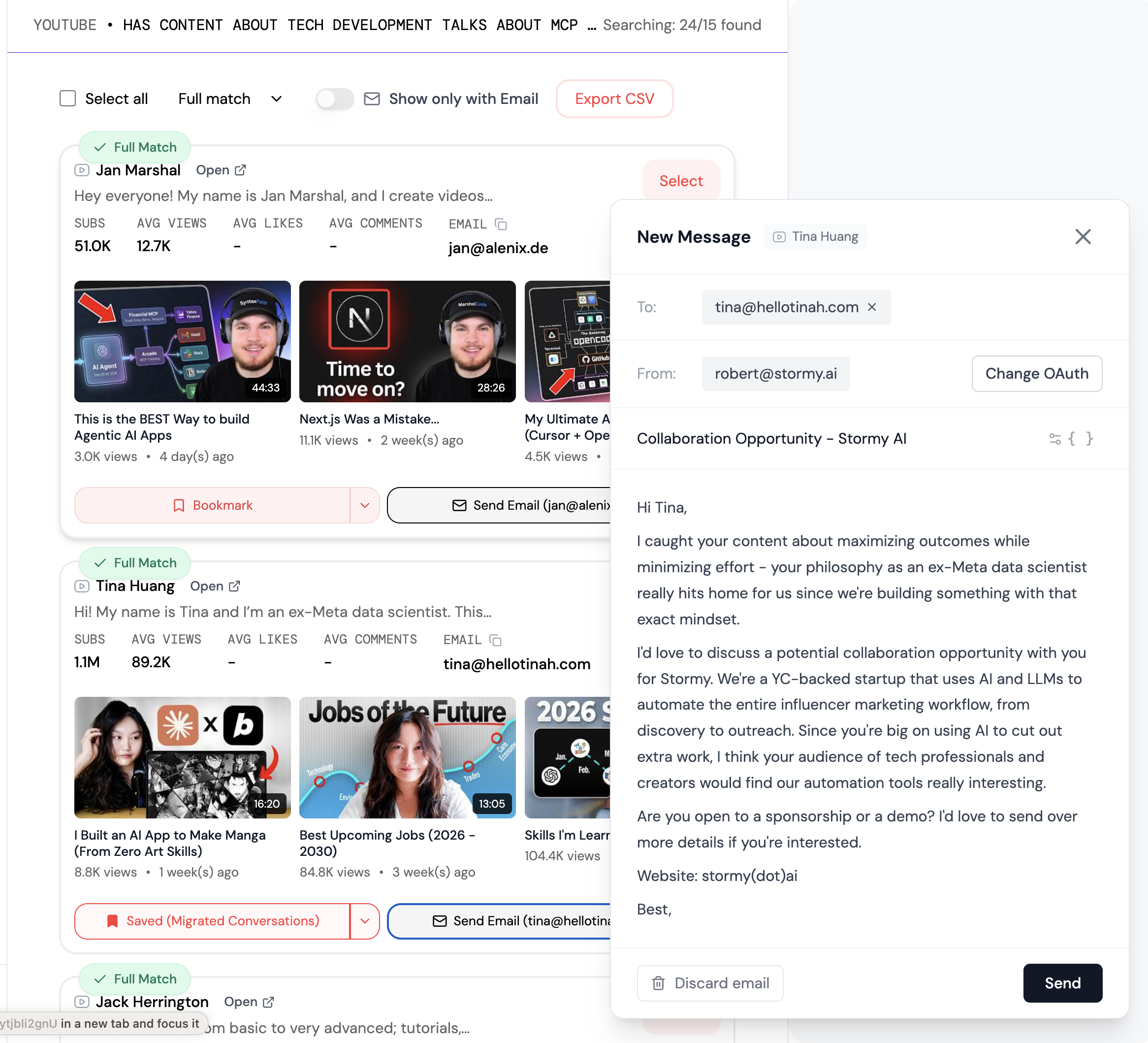
You can build the best micro-SaaS ideas 2025 has to offer, but with zero distribution, you have zero revenue. Instead of spending years building a following on Twitter or LinkedIn, look for distribution partners who already have access to your target customers. These could be:
- Coaching Companies: Educational programs that teach people how to succeed in your niche.
- Influencer Communities: Creators who have built trust with your target demographic.
- Sub-Niche Newsletters: Highly targeted email lists.
The 2025 Founder’s Tech Stack
To move fast and keep costs low, you need an integrated tech stack that works seamlessly with AI tools. The following stack is recommended for modern niche software development:
- Editor: Cursor for AI-assisted coding.
- Deployment: Vercel for hosting and instant deployments.
- Database & Auth: Supabase to handle your backend without complex configuration.
- Influencer CRM: Stormy AI for managing creator relationships and tracking campaign performance.
- Emails: Resend for developer-friendly onboarding and transactional emails.
- Data Aggregation: Apify for scraping and collecting the niche data your tool requires.
Conclusion: From Idea to $20k MRR
Finding profitable SaaS ideas in 2025 is less about innovation and more about execution and domain knowledge. By auditing your own career frustrations, validating demand with tools like Ahrefs, and building a one-feature MVP, you can create a high-ROI business without a massive team. Remember to ship daily, iterate based on real user feedback, and don't be afraid to trade equity for distribution to jumpstart your growth. The tools to build have never been more accessible; the only thing left is to choose your niche and start building. Stop planning, start shipping, and you could be the next founder sharing a $20,000 MRR success story.