In the modern digital economy, the traditional advertising playbook is being rewritten. Startups no longer rely solely on massive Meta or Google ad spends to gain traction; instead, they are pivoting toward creator-led services and products. As seen in the success story of entrepreneurs like Polius, who generated $30,000 in revenue in just a few months by building a database that matches startups with creators, the demand for authentic connection is at an all-time high. However, for a startup founder, the challenge isn't just knowing that influencers work—it is knowing how to find influencers for startup campaigns that actually move the needle without wasting precious capital on bot-filled accounts.
Defining Your Startup's Ideal Influencer Profile
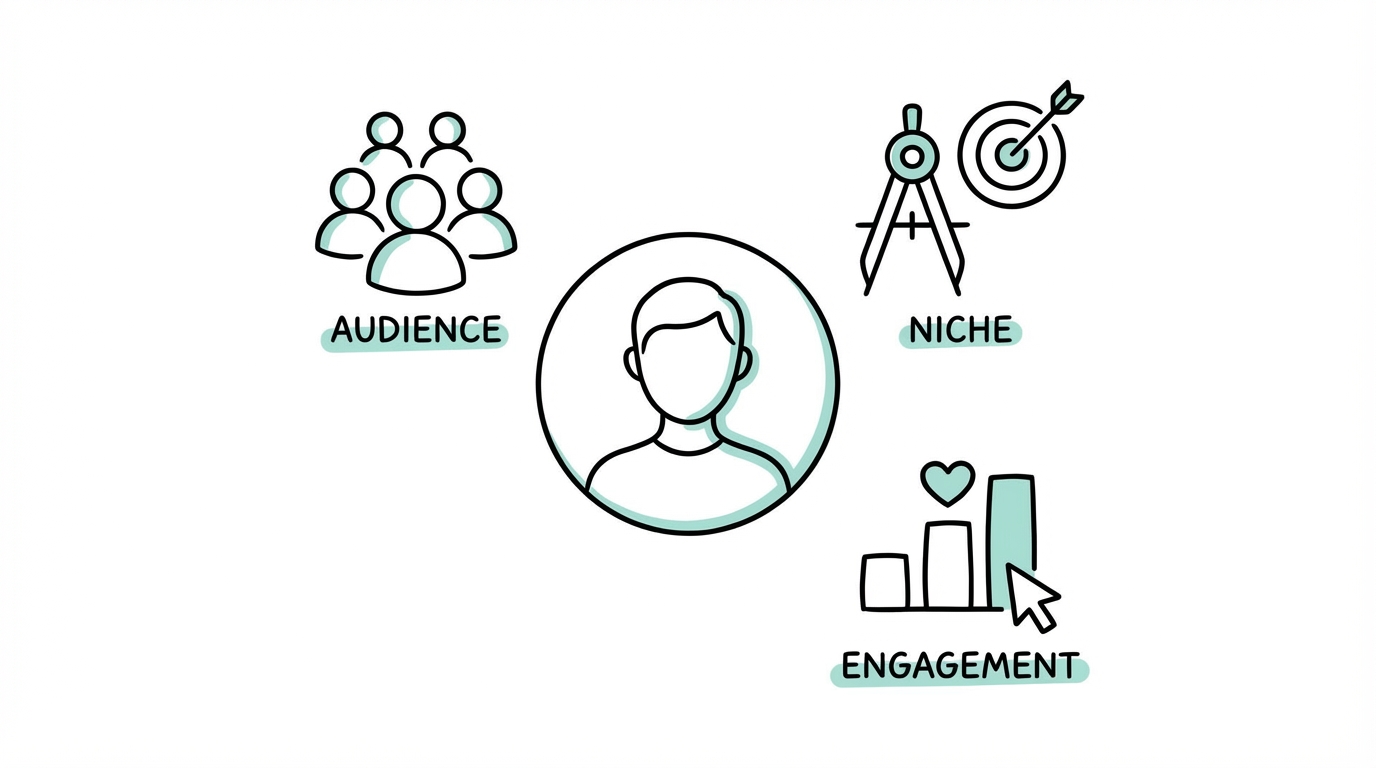
Before you ever open a search tab, you must define the data points that constitute a "successful" creator for your specific niche. Many startups fall into the trap of chasing high follower counts, but in the world of TikTok influencer marketing, relevance and engagement density are far more valuable than vanity metrics. You need creators who possess deep domain knowledge and an audience that mirrors your ideal customer persona.
To build a profile, start by identifying your core pillars. Are you looking for micro-influencers (10k-50k followers) who have high trust levels, or mid-tier creators (100k-500k) who can provide significant reach? According to research from Semrush, the search volume for terms like "TikTok influencer search platform" is skyrocketing, indicating that brands are looking for more sophisticated ways to filter these creators by engagement rate, audience demographics, and content quality. Your goal is to find creators who don't just post content, but who "join the bigger conversation" happening in your industry.
Leveraging an Influencer Search Platform for Rapid Discovery
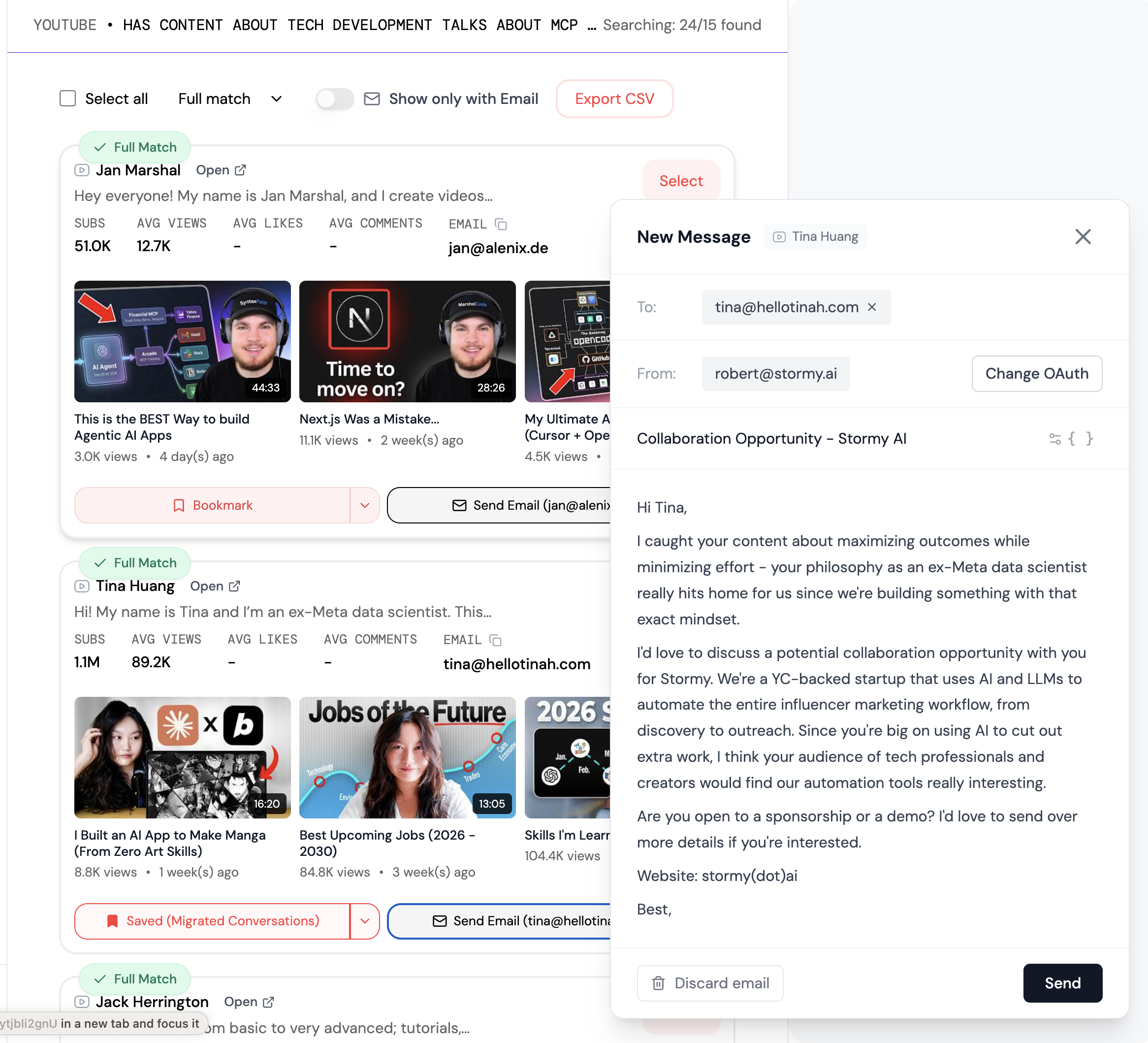
Manual searching on social media apps is a recipe for burnout. While you can browse hashtags on TikTok or Instagram, these platforms are designed for consumption, not for business discovery. To scale your influencer search platform efforts, you need tools that allow for natural-language queries. For instance, instead of scrolling for hours, you should be able to type "fitness creators in LA with 10K-100K followers" and get a curated list instantly.
This is where Stormy's AI search changes the game for startups. Unlike legacy tools like Julius or NeoReach that rely on static, outdated databases, Stormy uses AI to scan YouTube, Instagram, and even LinkedIn in real-time. This allows you to identify creators who are currently trending or who have recently pivoted their content to match your startup’s niche. For a founder building an MVP, saving time and money is the highest priority, and AI-powered discovery removes the friction of manual data entry.

The Shift to the Creator-Led Services Model
Why are startups moving away from traditional ads? The answer lies in trust and conversion. A consumer is much more likely to download an app or buy a product if they see it integrated naturally into a creator's workflow rather than seeing a polished, corporate ad. This "scrappy" approach to marketing—where you share a buy button and a raw video—often outperforms high-budget productions. This is particularly effective for UGC (user-generated content) in mobile app marketing, where authentic reactions drive higher App Store Optimization (ASO) success and lower cost-per-install (CPI).
As highlighted in the Starter Story interview with Polius, building in public and tapping into existing trends is a "superpower." Startups that leverage creators are essentially outsourcing their creative department to people who already know how to go viral. By using Stormy AI for influencer vetting, fake follower detection, and AI email outreach, you can focus on creator-led growth and achieve 90% profit margins on your marketing efforts because you are paying for performance and resonance rather than just impressions.
Influencer Vetting Guide: Using Data to Spot Fraud

One of the biggest risks in the creator economy for brands is engagement fraud. According to reports from CNBC, influencer marketing fraud costs advertisers billions annually. It is remarkably easy for a creator to buy followers or use comment bots to inflate their metrics. If you aren't careful, your startup could spend its entire budget on an influencer whose "audience" is 80% spam accounts. Effective vetting requires looking beyond the surface and analyzing the ratio of likes to views and the quality of comments.
For a robust vetting process, you should use data analytics to check for anomalies. Sudden spikes in follower count without a corresponding viral video are a major red flag. This is why Stormy's influencer analysis is essential for startups. It automatically detects fake followers, spam accounts, and engagement fraud, providing a content quality score in seconds. Instead of guessing if a creator is legitimate, you get a deep dive into audience demographics—ensuring that their followers actually live in the regions where your product is available through platforms like Shopify.
The Outreach Framework: How to Get a Response
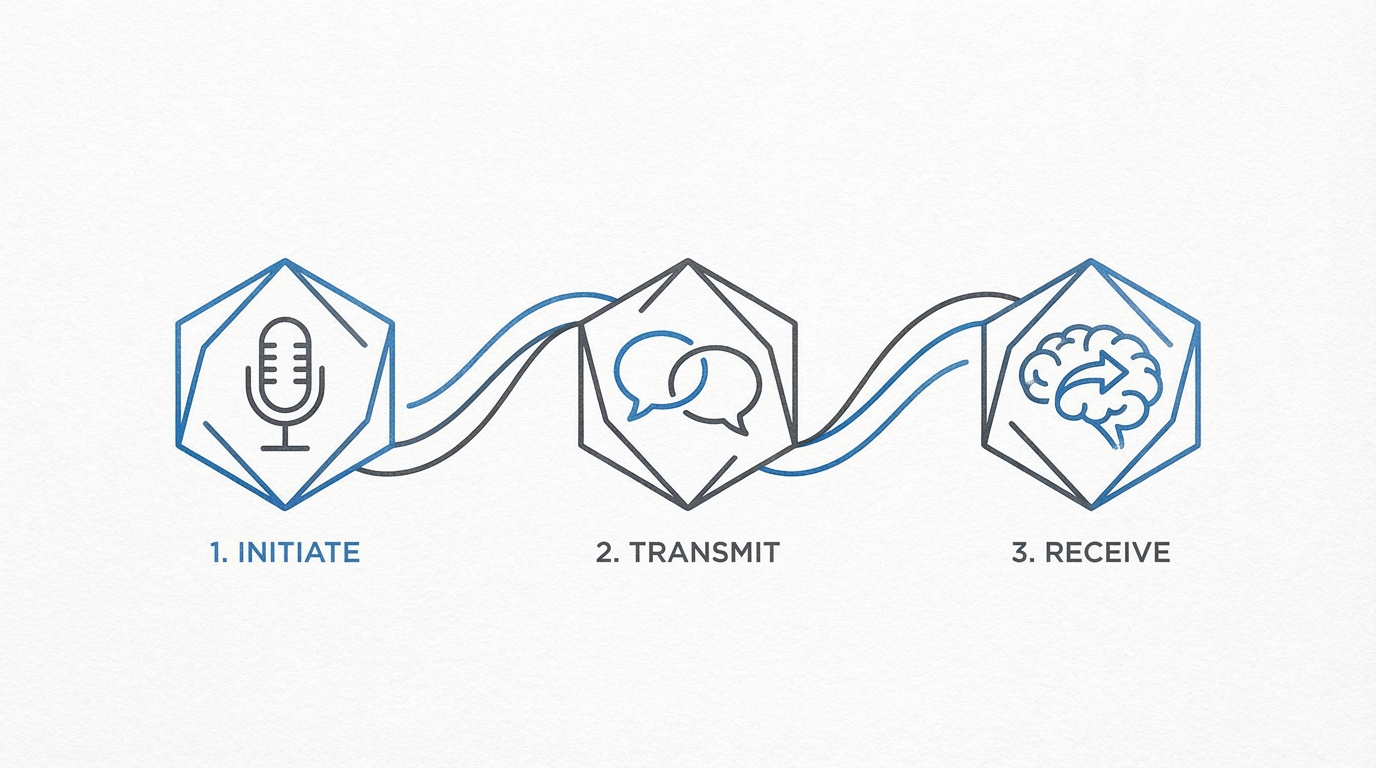
Once you have your list of vetted creators, the next hurdle is the outreach. Top-tier creators receive hundreds of DMs and emails daily. To stand out, your pitch must be hyper-personalized and focused on the value you provide to their audience. A generic "let's collaborate" will be ignored. Instead, reference a specific video they made and explain why your startup’s product is a natural fit for their content style.
The 3-Step Outreach Playbook:
- The Hook: Reference a specific piece of their content to prove you aren't a bot.
- The Value Prop: Clearly state how your product benefits their audience or saves them time.
- The Call to Action: Keep it low-friction, such as "Would you be open to a 5-minute chat about a potential partnership?"
Managing this process for 50+ creators can quickly become overwhelming. This is where Stormy's AI outreach tools become a startup's secret weapon. You can set up an autonomous AI agent that discovers, outreaches, and follows up with creators on a daily schedule. By connecting multiple Gmail accounts, you can scale your outreach while maintaining a personalized feel, letting the AI handle the heavy lifting while you focus on closing deals.
Tracking Campaign Performance and ROI
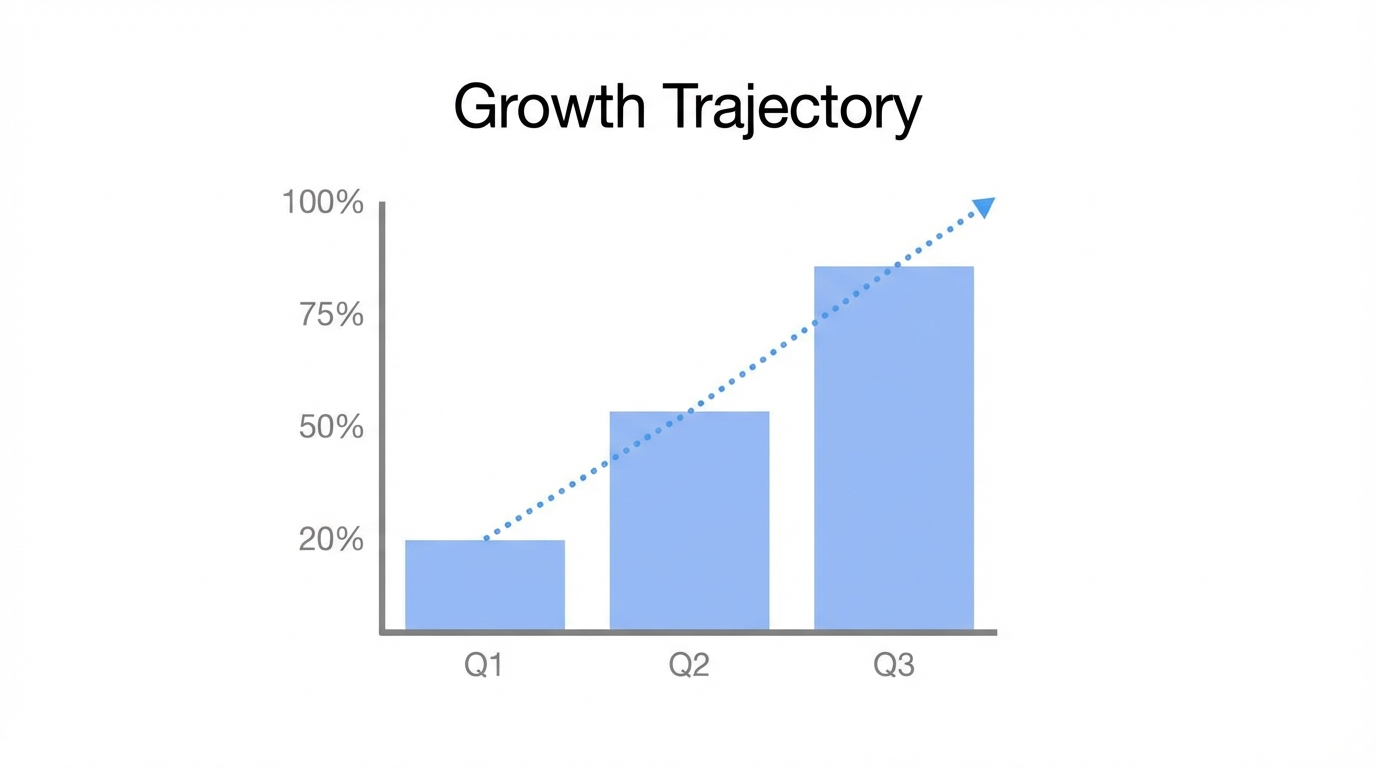
For any startup, data is the only truth. Once your influencer campaign is live, you must track every metric—from views and likes to actual conversion events like app installs or sales. If you are running multiple partnerships, you need a centralized Stormy AI Creator CRM to track every interaction, negotiation, and payment in one place. Using tools like Notion or Stripe for payments is a good start, but they lack the social-specific data needed for influencer marketing.
With Stormy's post tracking and analytics, you can monitor individual videos across platforms like TikTok and YouTube in real-time. This level of granularity allows you to see which creators are delivering the best ROI, enabling you to double down on what works and cut what doesn't. In a world where AI is your CTO, your marketing should be just as automated and data-driven as your code, utilizing Google Analytics to measure the final impact on your site traffic.
Conclusion: The Startup Creator Playbook
Finding the right influencers for your startup isn't about luck; it's about building a repeatable, data-driven system. By moving from manual searching to an AI-powered discovery process, you can compete with much larger brands without needing a massive team. Focus on finding creators with real engagement, use personalized outreach to build relationships, and track every post to ensure your marketing dollars are working as hard as you are. If you're ready to automate your growth and tap into the power of the creator economy, it's time to leverage the tools that make this scale possible. Start your journey with Stormy AI today and find your next brand champion in seconds.