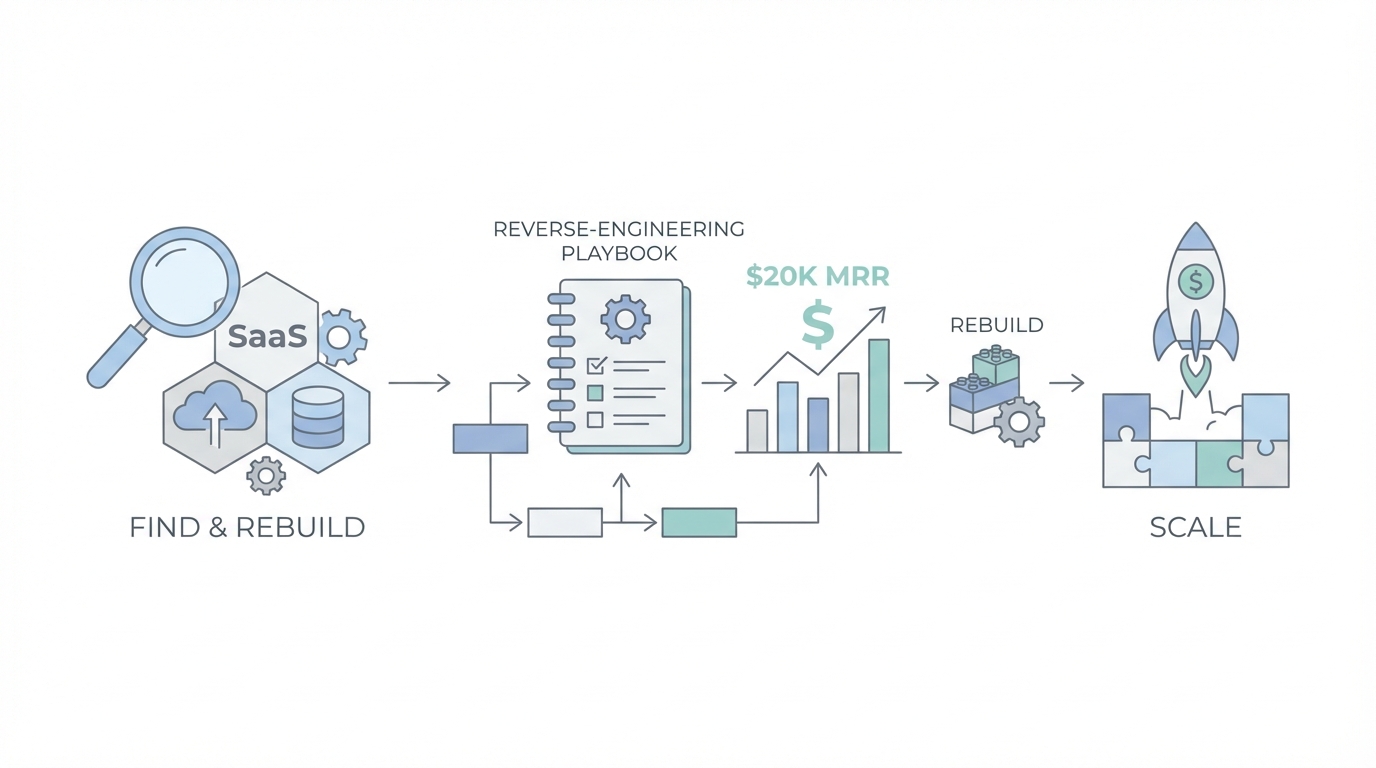
The biggest myth in the startup world is that you need a "eureka" moment to build a successful company. Most aspiring entrepreneurs spend months, even years, waiting for a lightning bolt of inspiration that never comes. But what if you could skip the high-risk ideation phase entirely? Instead of guessing what the market wants, you can look at exactly what people are already paying for and build a better, more refined version. This is the story of how developers are using the reverse-engineering playbook to identify a profitable saas business on marketplaces like Acquire.com and rebuild them into $20,000-per-month powerhouses without ever having to "invent" a thing.
The Moral Obligation to Copy in 2025
There is a psychological barrier many founders face when they consider building something that already exists. They call it "copying." However, in the world of software, we call it market validation. If a product is currently making $30,000 in monthly recurring revenue (MRR) and has been around for three years, that is a loud, clear signal that the problem it solves is painful enough for people to open their wallets. As solo developer Adrian recently shared on Starter Story, when you see a successful model that is underserved or poorly executed, you almost have a moral obligation to copy it and provide a better experience for the customer.
Innovation doesn't always mean creating a new category; often, it means executing better on an existing one. Many legacy SaaS products suffer from "feature creep," poor customer support, or outdated user interfaces. By identifying these gaps, you can enter a proven market with a "lean" version that solves the core problem more efficiently. This strategy is particularly effective for those looking for micro saas ideas that don't require a massive team to maintain but offer high profit margins.
The Acquire.com Strategy: Finding Pre-Validated Ideas

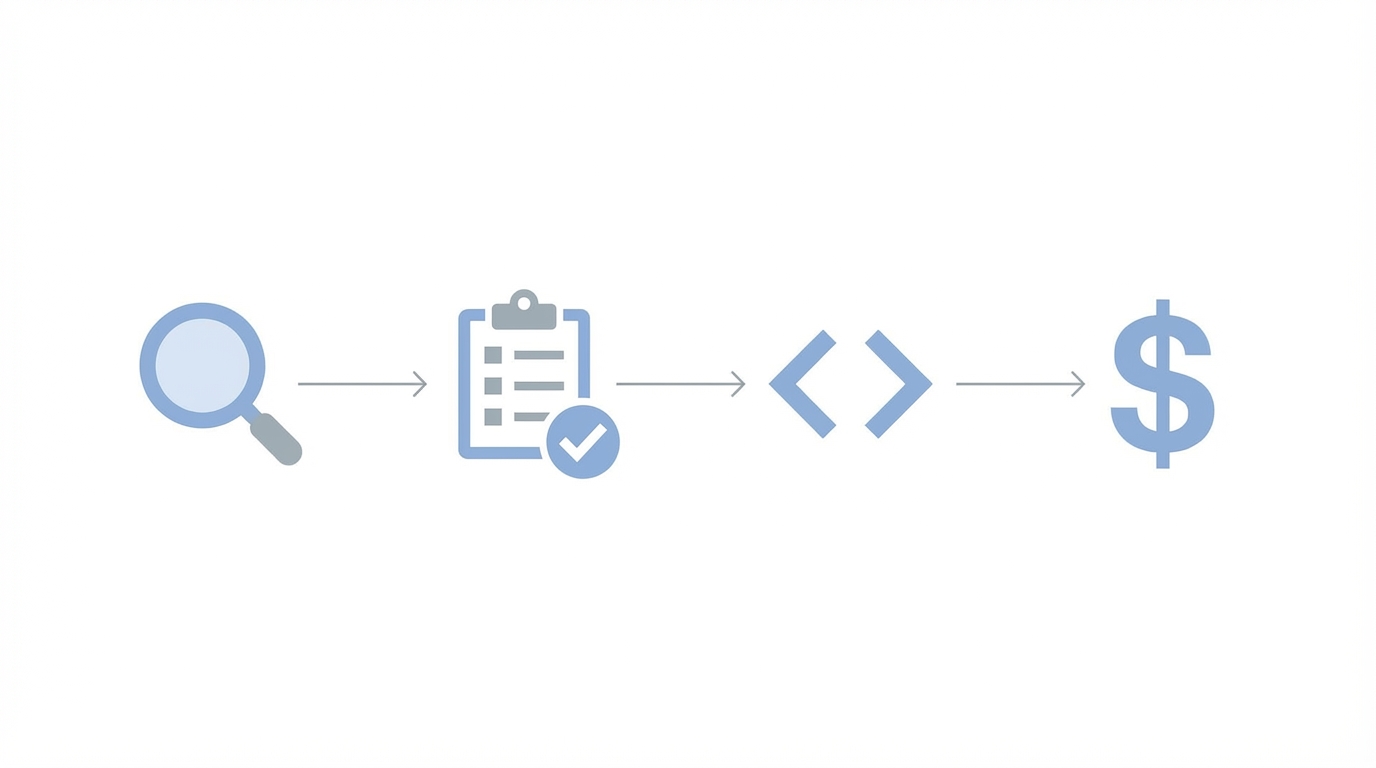
To find your target, you need to go where the money is changing hands. Platforms like Acquire.com (formerly MicroAcquire) are a goldmine for market research. You aren't necessarily there to buy a business; you are there to audit the market. Using an AI search engine like Stormy AI to discover influencers across TikTok and YouTube who are driving traffic to these types of apps can also help you identify which markets are heating up, but your first stop should always be the marketplace listings to see the hard numbers.
Here is the playbook for finding your next project on Acquire:
- Filter by SaaS: Focus strictly on software-as-a-service models. This ensures you are looking at scalable, recurring revenue businesses rather than one-off services.
- Set the Price Floor: Filter by an asking price of at least $300,000. Why? Because you aren't looking for "hobbies." You are looking for businesses that have reached product-market fit. If someone is asking six or seven figures, they have a validated customer base.
- Look for Niche APIs and Tools: Pay close attention to "boring" businesses like scraping APIs, specialized CRM plugins, or data enrichment tools. These often have high margins and low churn because they are deeply integrated into a customer's workflow.
The 'Google Reverse Search' Method for Hidden URLs
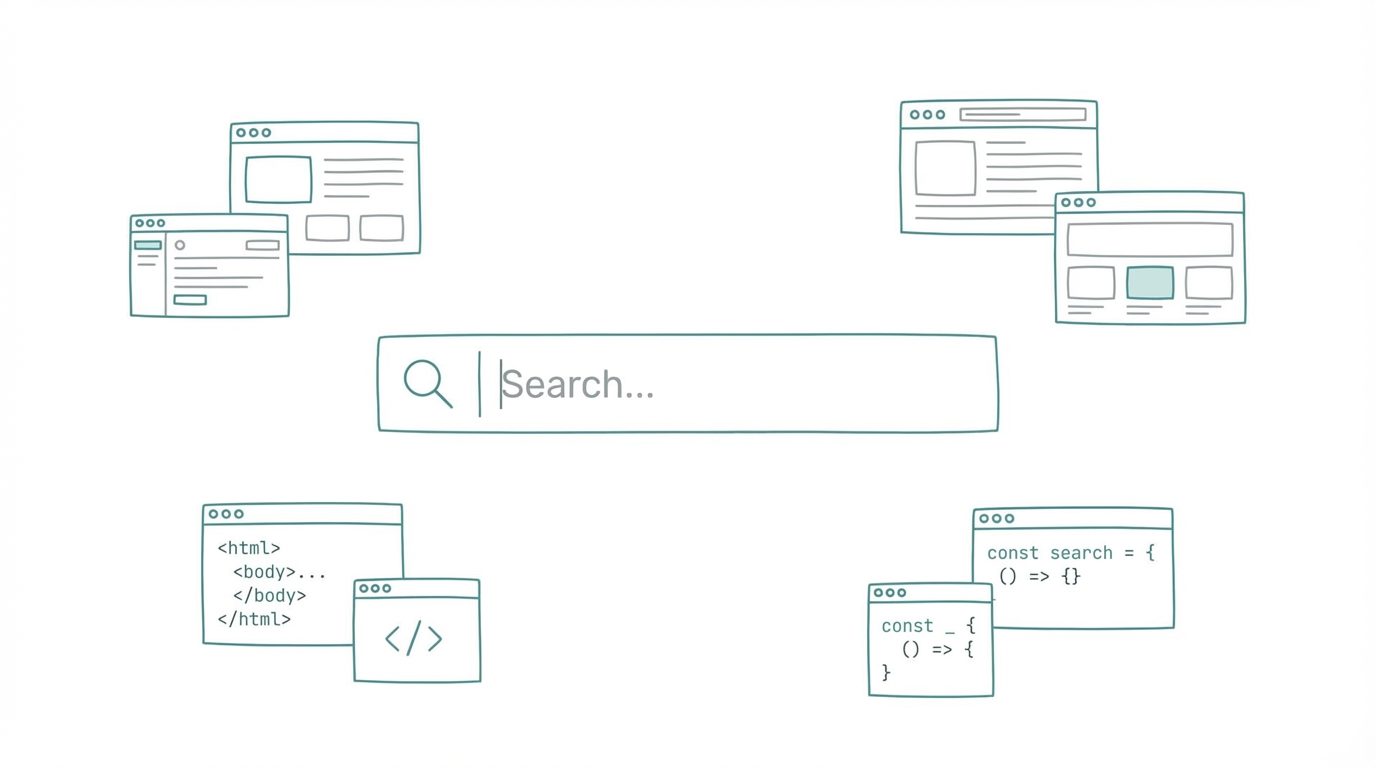
Marketplaces like Acquire often hide the name and URL of the business to protect the seller. However, if you are clever, you can find the exact website in minutes. This is critical because you need to see the product, the pricing, and the customer acquisition strategy before you decide to buy vs build saas solutions of your own.
Most founders use the same copy in their marketplace listing as they do on their landing page. Take a unique phrase from the "About the Business" section or the specific H1 headline mentioned in the description and wrap it in quotes in a Google search. If that doesn't work, look at the competitors listed in the prospectus. Search for "[Competitor Name] alternative" or "[Competitor Name] vs." on sites like G2. Often, the listing you are looking for will appear in the SEO results or on a comparison blog post. Once you have the URL, you can begin a deep-dive analysis of their tech stack and traffic sources.
Analyzing the Acquisition Strategy: SEO vs. Social
Before you write a single line of code, you must understand how the target business gets its users. Building the software is the easy part; replicating the distribution is where most founders fail. If a business is making $20,000 a month with 80% profit margins, they likely have a highly efficient acquisition funnel. In many successful cases, like Adrian's scraping API, the primary driver is SEO.
Check their presence on platforms like Twitter, LinkedIn, and YouTube. Are they running paid ads? You can use the Meta Ads Manager or Apple Search Ads library to see if they are actively spending on customer acquisition. If they aren't, and they are still growing, you've found a goldmine. It means they are likely ranking for high-intent keywords. For those looking to scale even faster, using Stormy AI to vet creators and analyze their audience demographics ensures you are partnering with influencers who provide actual ROI rather than just vanity metrics.
The Importance of the 1% Improvement

You don't need to reinvent the wheel; you just need to make the wheel 1% better. When Adrian rebuilt his scraping API, he didn't add a hundred new features. He focused on three things: reliability, communication, and accessibility. Many technical founders build great tools but provide zero documentation or support. By simply being the founder who answers emails and ensures the API never goes down, you can steal market share from a stagnant incumbent.
Consider these avenues for your 1% improvement:
- Better UI/UX: Many profitable SaaS tools look like they were built in 2012. A modern, clean interface can be a major selling point.
- Reliable Infrastructure: If the incumbent's service is frequently "down for maintenance," building your version on a more stable stack like AWS Lambda can be your winning edge.
- Transparent Pricing: If your competitor uses "Contact for Pricing," you can win by offering a transparent, credit-based model that allows users to start for as little as $10.
The Tech Stack of a $20K/Month SaaS
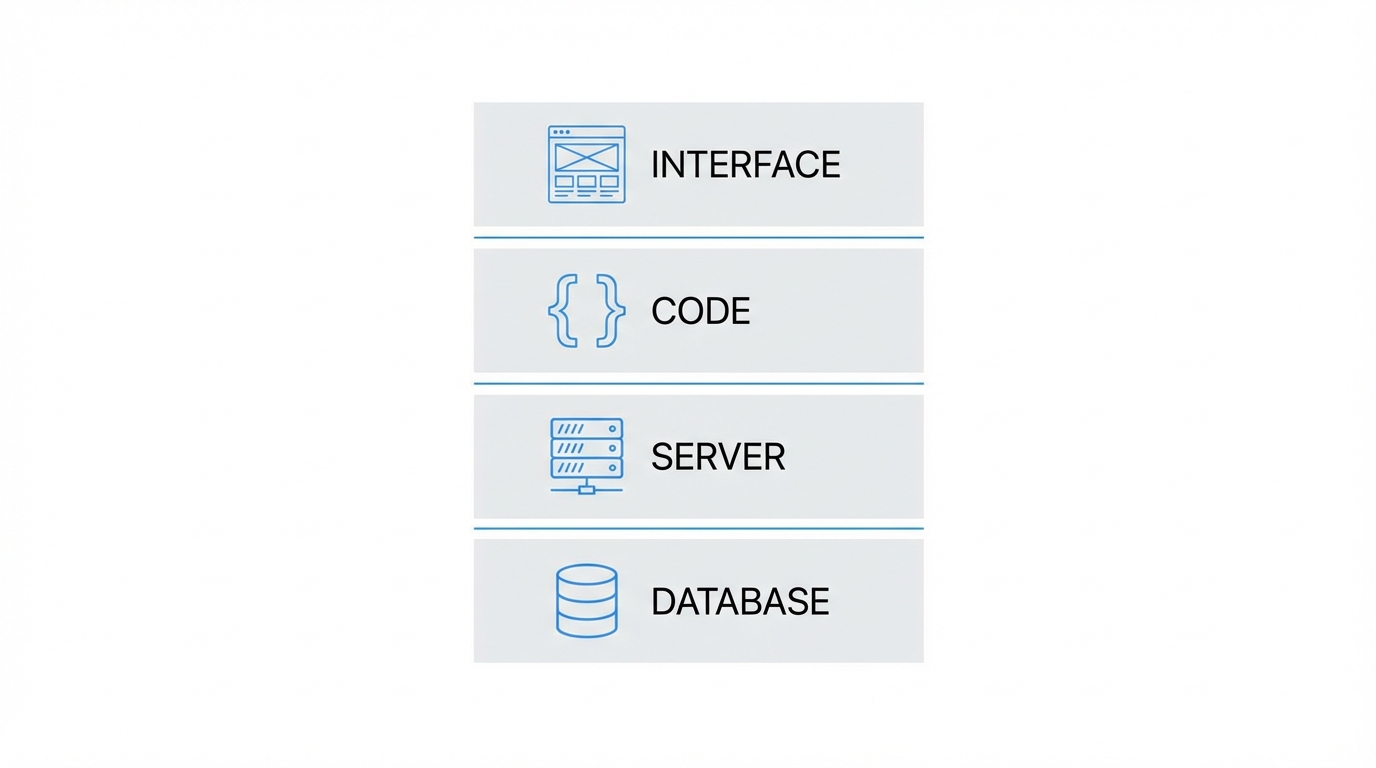
One of the most surprising things about profitable saas businesses is how simple their tech stacks often are. You don't need a complex microservices architecture to make $20,000 a month. In fact, keeping it simple allows you to iterate faster. Many modern solo founders are leveraging JavaScript and Node.js to build robust APIs quickly.
A typical high-performance stack for a micro saas idea might look like this:
- Backend: Render.com or Node.js for hosting your API logic.
- Frontend: A combination of Astro and React for a fast, SEO-friendly landing page and dashboard.
- Database: Supabase for handling user authentication and data storage without the headache of managing a server.
- Development: Using AI-powered editors like Cursor to write and debug code 10x faster than traditional methods.
The 2025 Reverse-Engineering Playbook
If you are ready to stop dreaming and start building, follow this how to start a saas checklist. This is the exact framework used by top solo developers to find and dominate niches.
Step 1: Identify the Niche
Visit Acquire.com and filter by SaaS. Look for businesses with at least $10k-$30k MRR. Focus on products where you already have some technical knowledge or interest, such as data scraping, marketing automation, or Shopify apps.
Step 2: Locate and Audit
Use the Google Reverse Search method to find the actual website. Check their traffic using SEO tools and see if they are active on social media. Are they neglecting their customers? Are their reviews complaining about bugs? This is your entry point.
Step 3: Analyze the Acquisition Funnel
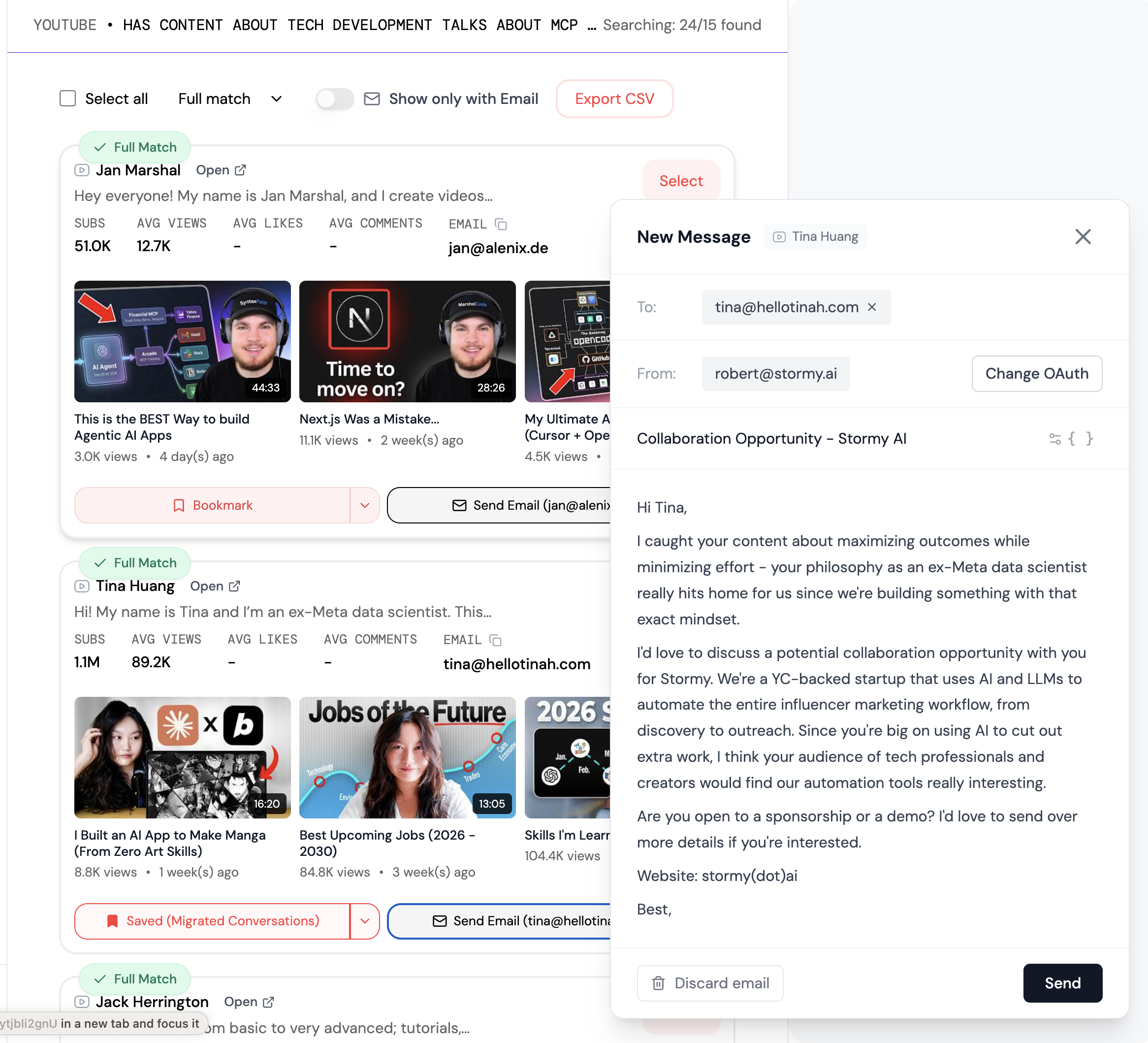
Understand if they are winning through Google Ads, organic search, or word-of-mouth. If they are heavily reliant on SEO, you can potentially compete by using UGC (User Generated Content). You can find high-quality influencers and set up an autonomous AI agent to handle personalized outreach on Stormy AI, allowing you to scale video content on TikTok or Instagram much faster than traditional SEO.
Step 4: Build the MVP (Minimum Viable Product)
Don't build every feature. Build the one core feature that people are actually paying for. Use a lean stack like Node.js and Supabase. Keep your costs low—aim for a profit margin of at least 80% by minimizing unnecessary overhead.
Step 5: Market Every Single Day
Once the product is live, your job shifts from developer to marketer. Reach out to people on Twitter, offer free credits to influencers in your niche, and stay consistent. You can also use the post-tracking dashboard on Stormy AI to monitor campaign performance across all platforms in real-time. As Adrian noted, the difference between success and failure is often just doing something every single day to promote the product.
Final Takeaway: Stop Ideating, Start Executing
Building a profitable saas business in 2025 doesn't require a revolutionary idea. It requires the discipline to look at what is already working, the technical skill to rebuild it better, and the persistence to market it until you hit critical mass. By using an acquire.com strategy to find pre-validated winners and focusing on a 1% improvement, you can skip the years of uncertainty and go straight to revenue. Whether you are building a scraping API or a niche marketing tool, the roadmap is clear: find, reverse-engineer, and out-execute. The market is waiting for a better version of the tools they already use—go build it.