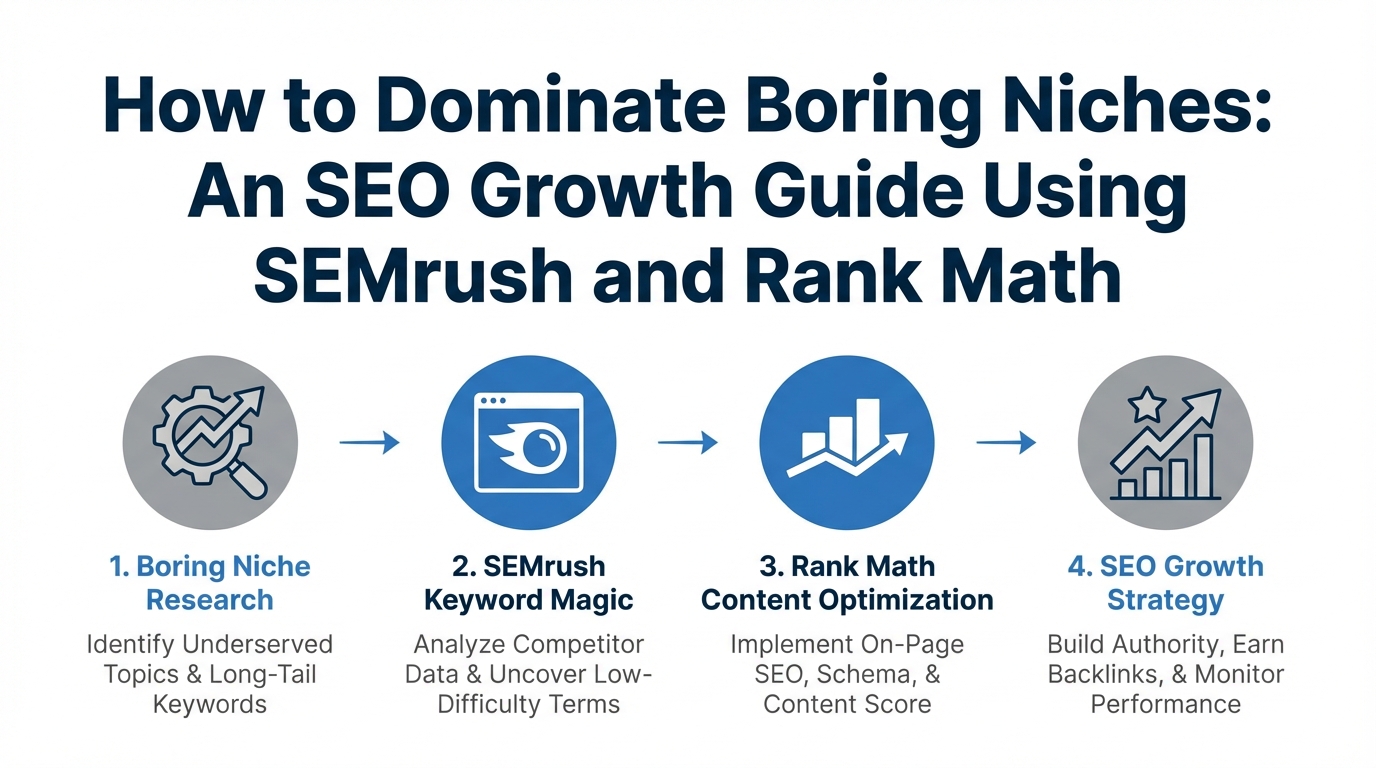
Imagine building a million-dollar media empire around a topic most people find utterly mundane: pool maintenance. While most entrepreneurs are chasing the latest AI trends or flashy crypto-startups, Matt from Swim University built a seven-figure business by answering a simple, recurring question: "How do I get the green out of my pool?" This isn't just a fluke; it is a masterclass in niche marketing strategy. By identifying a high-pain, low-competition sector, you can bypass the noise of crowded markets and establish yourself as the definitive authority. This guide will walk you through the exact steps to identify these "boring" goldmines, use tools like SEMrush for deep keyword research, and implement search engine optimization tips using Rank Math to ensure your content stays at the top of the SERPs.
The 'Boring Niche' Advantage: Why Mundane is Profitable
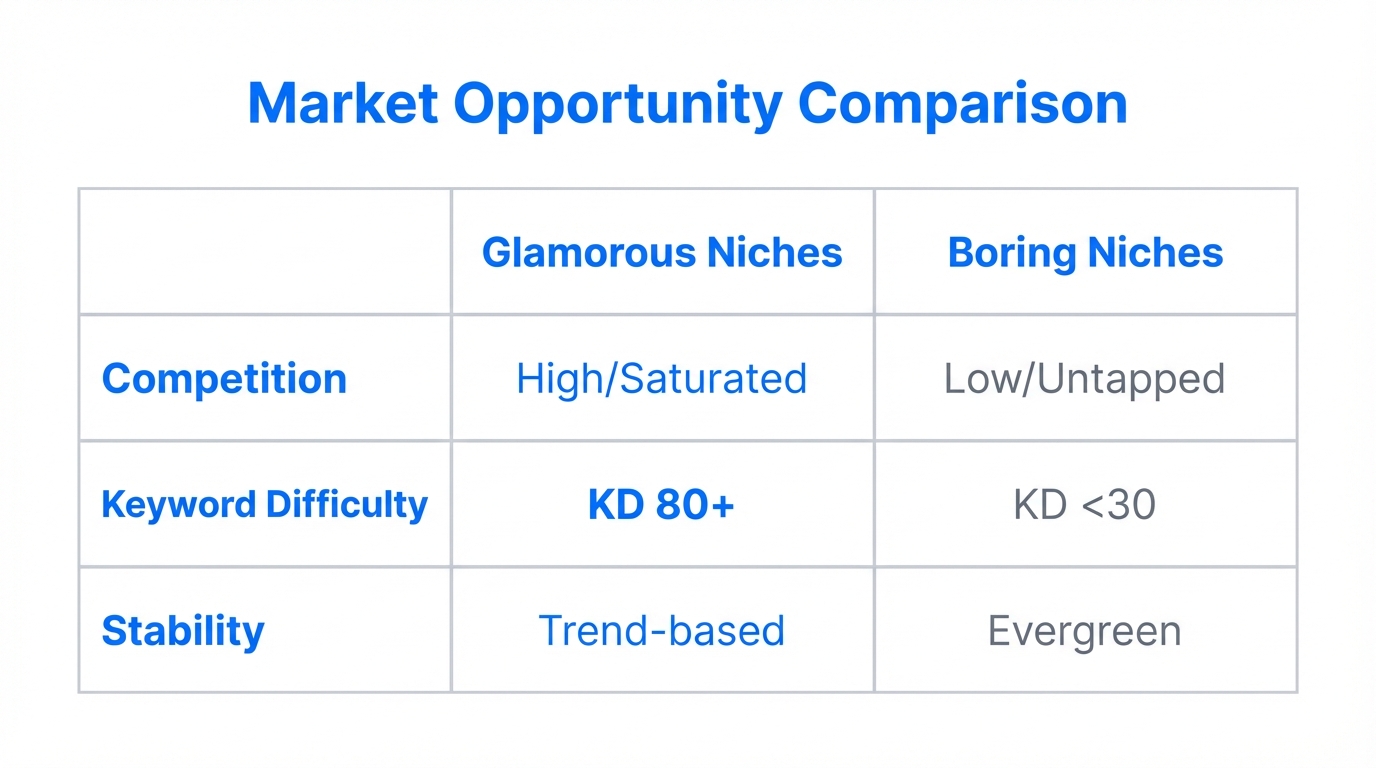
In the world of SEO for bloggers, the most common mistake is entering a "passionate" niche like fitness or travel without a massive budget. These niches are saturated with high-authority players. Conversely, "boring" niches—think HVAC repair, pool chemicals, or commercial insurance—often suffer from a lack of high-quality, modern content. According to industry research, utility-based niches often yield higher conversion rates due to the specific intent of the searcher. When someone's pool turns green, they aren't looking for entertainment; they are looking for a solution. This high-intent traffic is the backbone of sustainable organic traffic growth.
"Nobody wants to get good at taking care of their pool or skimming a pool... they just want to swim in the pool. My goal is to get them from 'your pool is disgusting' to 'your pool is clear and safe' in no time."
Because these topics aren't "sexy," few creators are willing to put in the work to make them visually appealing or easy to understand. This creates a massive opening for anyone willing to treat these boring subjects with professional-level production value. By simplifying complex tasks through educational content, you build immediate trust. When you provide the answer to a frustrating problem, your conversion rates on affiliate links and digital products tend to be much higher than in general interest categories.
| Feature | Exciting/Trend Niches | Boring/Utility Niches |
|---|---|---|
| Competition | Extreme (Celebrities, Global Brands) | Low to Moderate (Local/Legacy Players) |
| Content Lifespan | Short (Fast-moving trends) | Evergreen (Problems rarely change) |
| Conversion Intent | Passive (Browsing/Inspiration) | High (Urgent Problem Solving) |
| Monetization | Ads/Sponsorships | Affiliates/Courses/Physical Products |
Conducting Keyword Research with SEMrush: Finding the Pain Points
To dominate a boring niche, you need to stop guessing what people want and start looking at the data. Using a tool like SEMrush allows you to uncover the exact "how-to" queries that drive traffic. The secret is to look for keywords with Informational Intent but low Keyword Difficulty (KD%). In a boring niche, you will often find high-volume keywords that have been ignored by modern SEOs, leaving only outdated forums or clunky manufacturer websites as competition.
Step 1: The Keyword Gap Analysis
Start by plugging in the URLs of older, legacy websites in your chosen niche into SEMrush. Use the Keyword Gap tool to see which terms they are ranking for that have low-quality content. Often, these sites rank because of age, not because their content is helpful. Your job is to create a 10x better version of that page.
Step 2: Identifying Long-Tail Problem Queries
Filter your results for keywords starting with "how," "why," or "fix." For example, instead of targeting "pools," target "how to clear cloudy pool water overnight." These long-tail phrases are the bread and butter of organic traffic growth. They indicate a user is in the middle of a problem and is likely to follow a recommendation for a specific product or chemical.
The 'Practice of Interest' Framework: Choosing Your Niche
One of the biggest hurdles in niche marketing strategy is burnout. Writing about pool filters for five years is hard if you have zero interest in the mechanics. Matt suggests a simple "Practice of Interest" framework, as detailed on his Money Lab blog, to find a niche that balances profitability with personal sustainability. The goal is to pick something you are at least mildly interested in, so the work doesn't become a chore.
- The Household Walkthrough: Walk through every room in your house. Write down every object you see—from the coffee maker to the smart thermostat. Each of these represents a niche.
- The Curiosity Filter: Ask yourself: "Could I talk about the mechanics of this for 15 minutes?" If the answer is yes, you have a candidate.
- The 'Least Interested' Rule: Pick the niche you know and are at least moderately interested in. Don't pick a niche solely for the money, or you'll quit before the SEO kicks in.
"Pick something that you know and that you're at least interested in... because when the going gets tough, at least you like the topic a little bit."
For Matt, this was the pool industry. He had the background knowledge from a summer job, but he transformed that "boring" knowledge into a scalable asset by leveraging SEO for bloggers. He realized that while he wasn't a world-class writer, he could build a site that looked professional using WordPress and provide better visual information than any competitor.
On-Page Optimization Checklist Using Rank Math
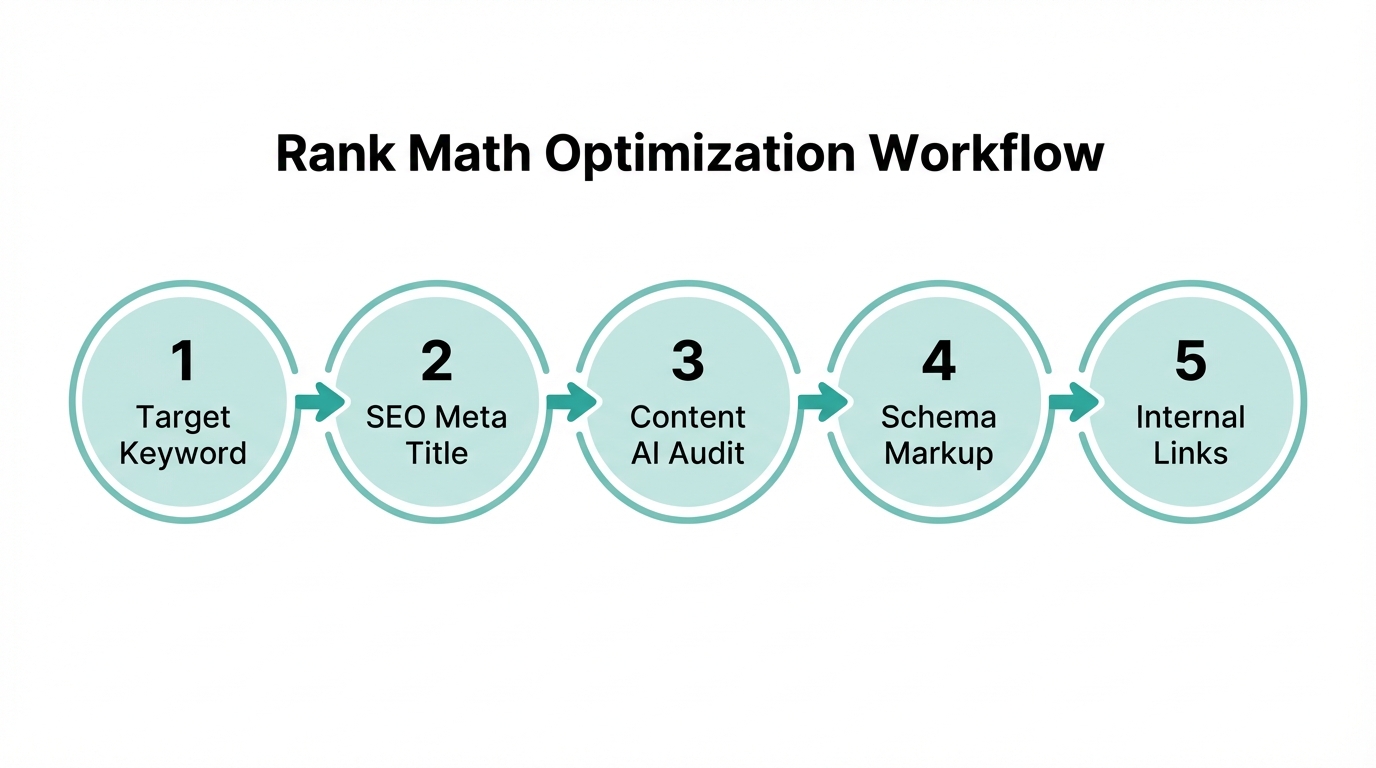
Once you have your keywords, you need to ensure every article is technically perfect. Using a plugin like Rank Math within WordPress is the fastest way to handle search engine optimization tips without being a coder. Rank Math provides a real-time checklist that guides you through the necessary on-page adjustments to rank on page one.
Technical SEO Checklist for Every Post:
- Keyword Placement: Ensure your primary keyword is in the first 10% of the content and the H1 tag.
- Readability: Use short sentences and punchy paragraphs. Boring niches need engaging writing to keep the reader's attention.
- Schema Markup: Use Rank Math to add "How-To" schema. This helps your steps show up directly in Google search results as a rich snippet, dramatically increasing click-through rates.
- Internal Linking: Link to other related guides on your site. For instance, an article about "pool algae" should link to a guide on "balancing pool pH."
While managing the technical side is crucial, scaling your content often requires help. For brands that want to expand their reach beyond just text, finding creators to produce UGC (User-Generated Content) or video versions of these boring guides is a game-changer. Modern platforms like Stormy AI allow you to discover and manage UGC creators who can take your technical guides and turn them into engaging short-form videos for TikTok and YouTube, amplifying your organic traffic growth.
The Content Distribution Loop: From Blog to Million-Dollar Business
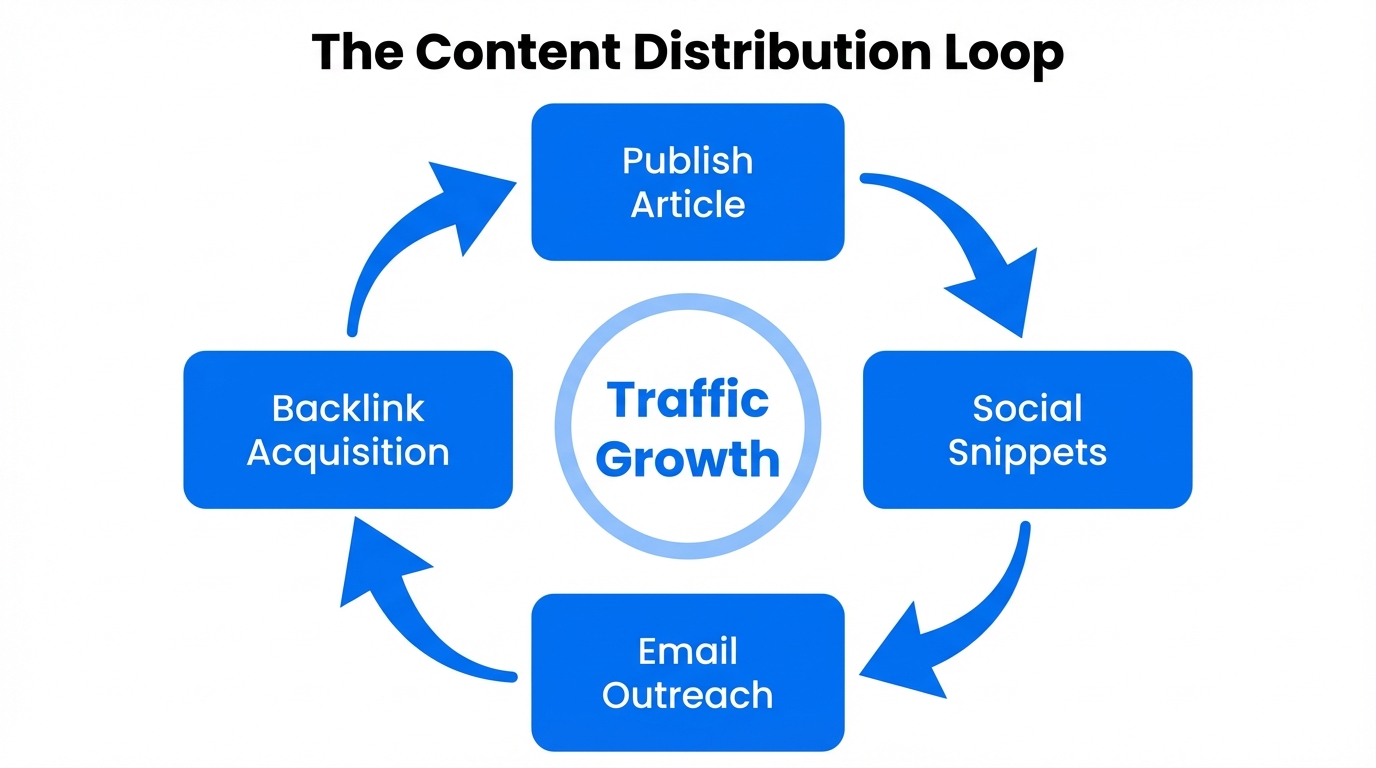
Dominating a niche isn't just about writing a blog post and waiting for traffic. It requires a distribution loop that maximizes every piece of content you create. Matt’s strategy involves a "Content First" approach where every long-form asset is broken down into smaller, bite-sized pieces for different platforms.
A typical workflow might look like this: Start with a long-form video script. That script is recorded for a YouTube channel (using CapCut for editing). The audio is extracted for a podcast. The core points are then formatted into a detailed blog post optimized with Rank Math. Finally, the highlights are turned into a newsletter sent via Klaviyo to a list of loyal subscribers.
"Every time I make content—whether that's a blog post, a video, or an email—the business moves. When I don't, that's when it suffers."
To keep this machine running, organization is key. Tools like Asana help manage the editorial calendar, ensuring that content is being produced even when the founder isn't "feeling inspired." In a boring niche, regularity and reliability are your greatest competitive advantages. If you are the only site updating its "Best Pool Heaters of 2024" guide every single year, you will eventually own the search results.
Monetization: Moving Beyond Ads
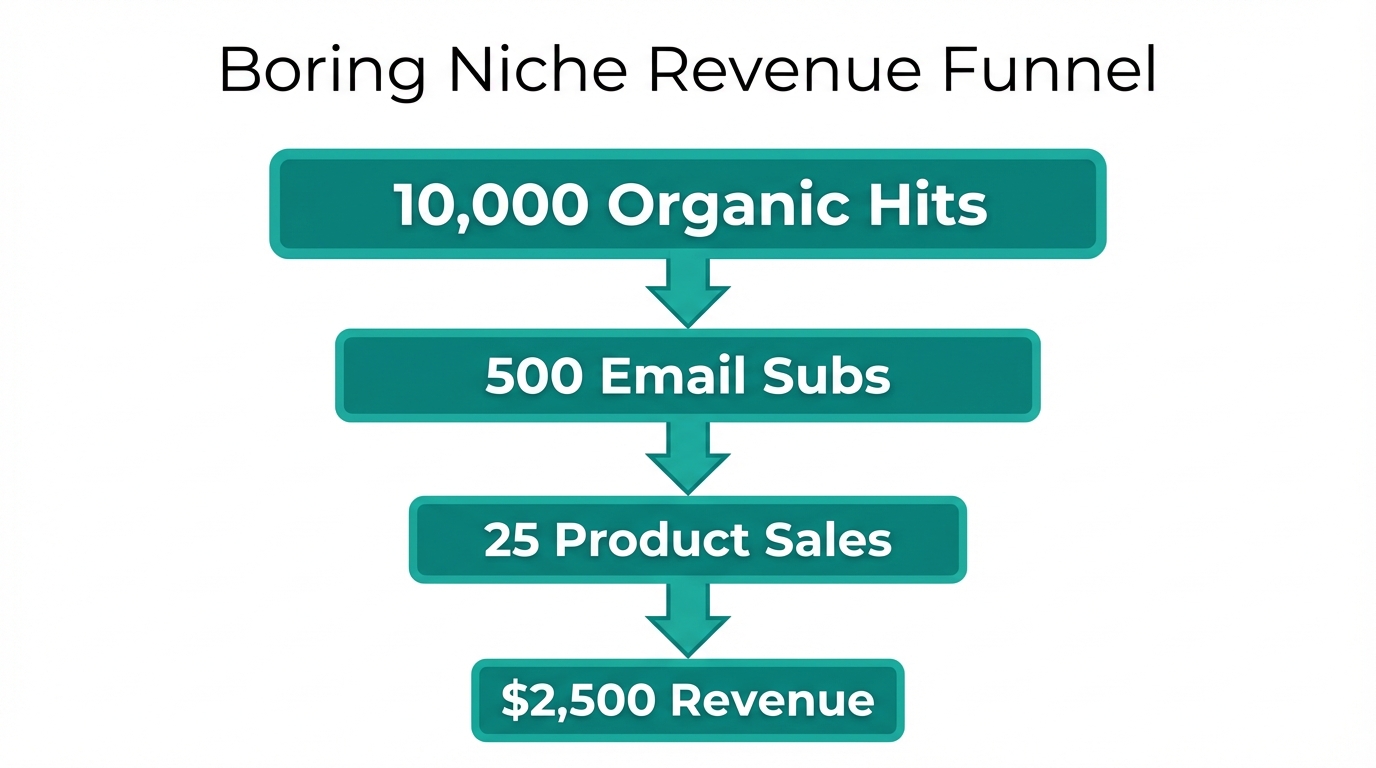
Many bloggers get stuck on AdSense, but the real money in boring niches comes from higher-value monetization strategies. Matt’s journey from $20,000 to over $1,000,000 a year involved a shift away from low-paying ads toward affiliate marketing and digital products.
| Monetization Level | Strategy | Pros/Cons |
|---|---|---|
| Level 1 | Google AdSense | Easy to set up, but ruins site aesthetics and pays the least. |
| Level 2 | Affiliate Marketing | Uses tools like Lasso. Highly relevant to user needs; passive income. |
| Level 3 | Digital Products/Courses | The highest profit margins. Solves the entire problem from start to finish. |
| Level 4 | Physical Products/Books | Builds massive brand authority and opens new sales channels. |
By selling a "Pool Care Handbook" or a specialized video course, you aren't just selling information—you are selling a result. This allows you to charge premium prices. For instance, if a homeowner is facing a $500 repair bill, a $49 course that teaches them how to fix it themselves is an easy sell. This is why SEO for bloggers is so powerful: it brings you people who are already looking for a solution to a problem they are willing to pay to solve.
To manage these relationships and scale outreach to potential partners or creators, using an AI-powered CRM like Stormy AI can help you organize your collaborations and ensure you are working with the right influencers to promote your digital products. This keeps your growth automated while you focus on the high-level niche marketing strategy.
Conclusion: The Long Game of Boring Niches
Building a million-dollar business in a boring niche isn't about overnight success; it's about being the most helpful person in the room for twenty years. By combining search engine optimization tips with a relentless focus on solving customer pain points, you can build an asset that generates revenue while you sleep. Use SEMrush to find the gaps, Rank Math to nail the technicals, and never stop creating content. The "boring" topics are where the real stability lies. While others chase the hype, you can build a kingdom on the practical needs of everyday life.