When most people think of entrepreneurship, they imagine the lone genius in a garage, coding through the night to build the next world-changing app. But there is a parallel, more reliable path to financial freedom that often goes ignored by the tech elite. For those interested in buying a business for beginners, the world of franchising offers a unique advantage: it is a hay stack full of needles. Unlike the one-in-a-million odds of a startup unicorn, franchising is a system designed for replication and scale. In fact, it is estimated that more millionaires have been generated from franchising than all combined players ever in the NFL. This article provides a comprehensive playbook on how to navigate this model, secure financing, and build a multi-unit empire that creates generational wealth.
The Mechanics of the Franchise Business Model
The franchise business model is not an industry in itself; it is a vehicle for delivery that spans everything from hospitality and food to health, wellness, and home services. It is responsible for approximately 8% of the United States GDP, yet many investors only see the surface-level brands like McDonald’s or Subway. In reality, there are over 4,000 franchise brands in existence, covering unsexy but highly profitable niches like pest control, gutter cleaning, and even crime scene cleanup.
When you enter a franchise agreement, you are essentially entering a 10-year partnership. You are paying for a proven system, bulk purchasing power, and brand recognition. For example, a legacy brand like Marriott or Hilton provides a level of institutional trust that an independent hotelier could never build alone. The trade-off is the royalty fee—typically around 6% of gross revenue—which supports ongoing menu innovation, marketing support, and operational training.
The Difference Between Franchise Fees and Total Build-Out Costs
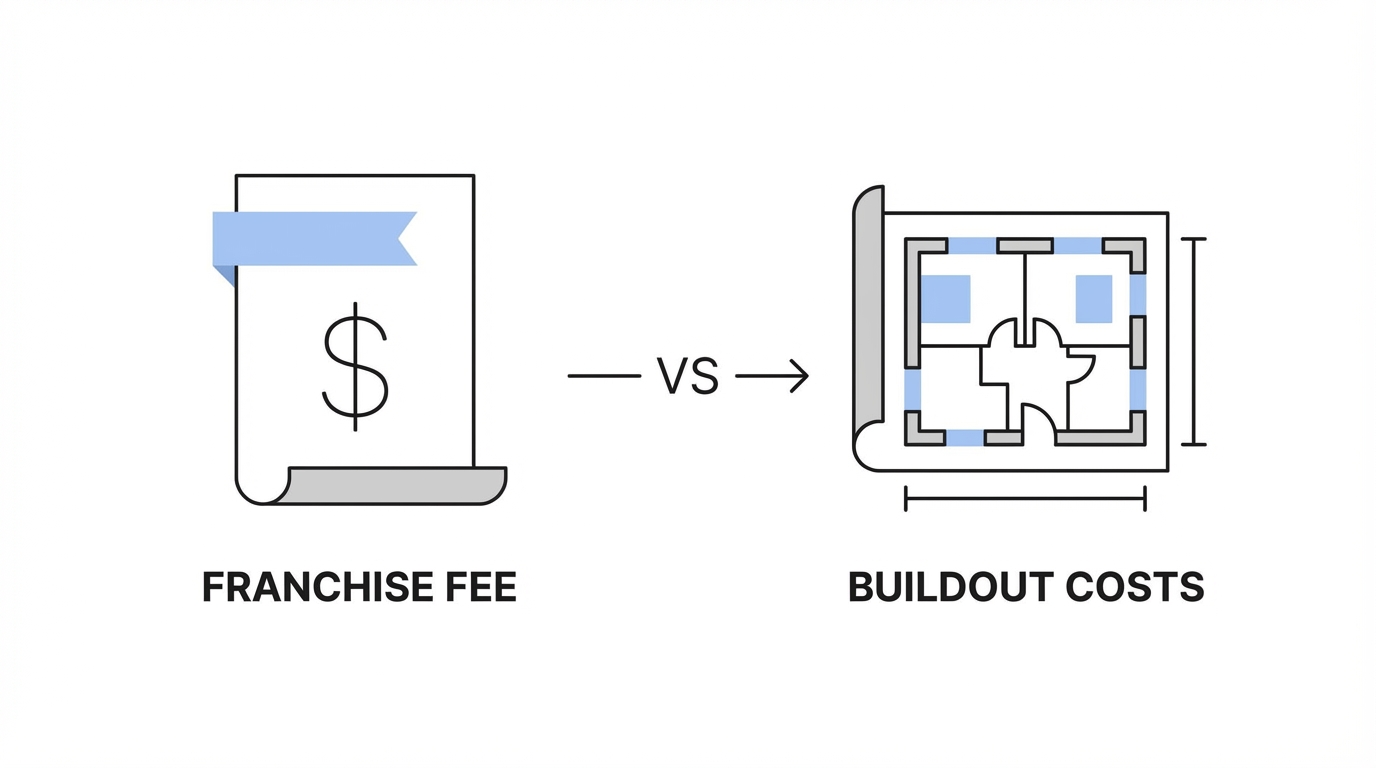
One of the most common mistakes beginners make is confusing the franchise fee with the total investment required to open the doors. The franchise fee is simply your ‘ticket in line.’ It is the one-time payment (usually between $10,000 and $70,000) that grants you the rights to a specific territory. However, the real capital requirement lies in the build-out.
Take a brand like Dave’s Hot Chicken or Chick-fil-A. While the initial fee might seem attainable, the cost to upfit a retail location, buy industrial stoves, install HVAC systems, and secure real estate can range from $650,000 to over $1.8 million. Chick-fil-A is a unique outlier; they only charge a $15,000 fee because they pay for the build-out themselves, but in exchange, they take 50% of net profits and 15% of gross revenue. Most other franchisors allow you to keep 100% of your profits, but you must shoulder the initial construction and equipment costs. When researching how to buy a franchise, always look at the ‘Total Initial Investment’ range in the legal disclosures to avoid being undercapitalized.
Leveraging SBA Loans: The 10% Down Strategy
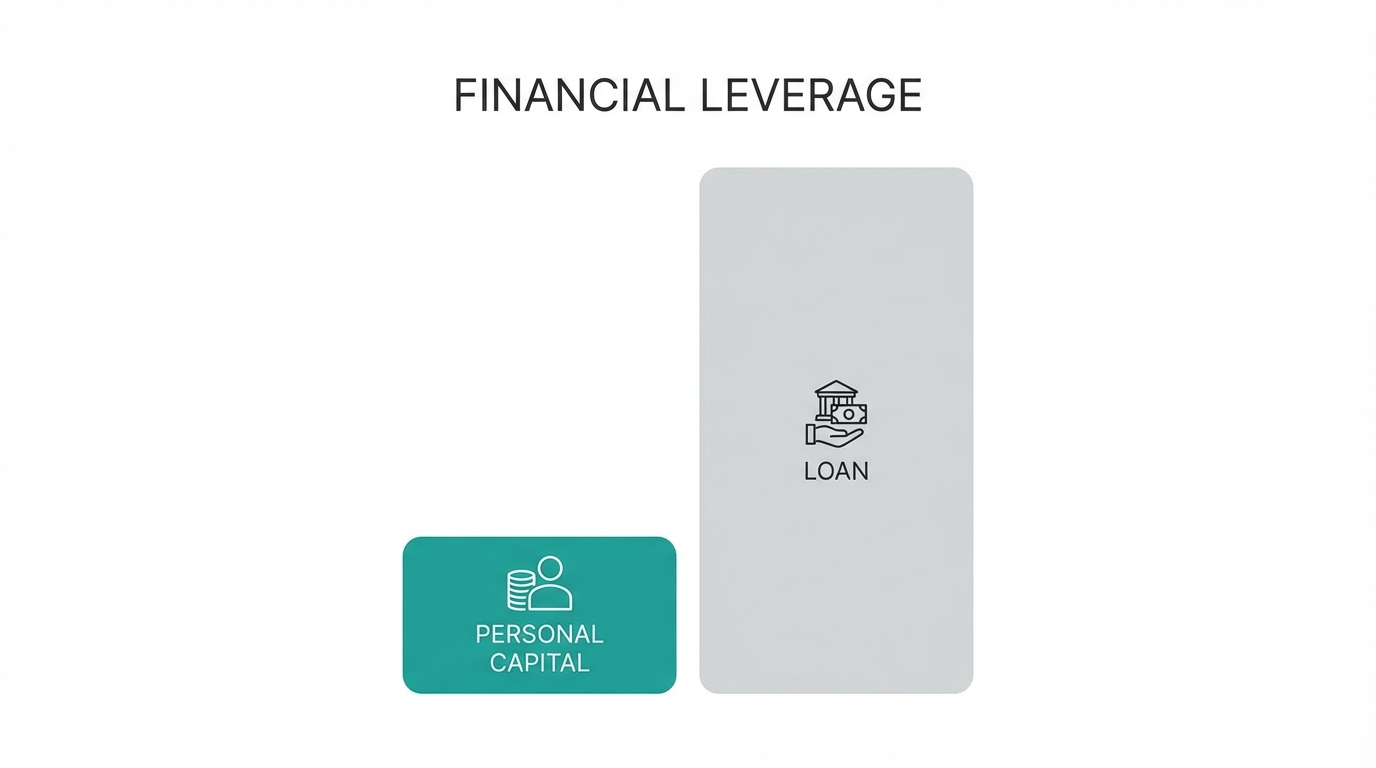
The beauty of buying a business for beginners through franchising is the way banks perceive the risk. Because a franchise has hundreds or thousands of data points proving its success, lenders are far more likely to provide SBA loans for franchise acquisitions than for an unproven independent startup. The Small Business Administration (SBA) offers programs that allow entrepreneurs to finance a million-dollar business with as little as 10% down.
For a business with a $1,000,000 total build-out cost, an operator with a decent credit score and roughly $150,000 in net worth could secure a loan with just $100,000 in liquid cash. The SBA will often lend up to $5 million across multiple units over time. The trade-off is a personal guarantee, meaning your personal assets like your home serve as collateral. However, for a high-performing brand with a 25% cash-on-cash return, this leverage is the fastest way to scale from one unit to a ten-unit portfolio. Many successful owners use Stormy AI, an AI search engine across TikTok, YouTube, and Instagram, to find the right local creators to market their new locations, ensuring the loan is paid back through rapid customer acquisition.
Analyzing the Franchise Disclosure Document (FDD)

Before you sign anything, you must master the Franchise Disclosure Document (FDD). This 200-page document is regulated by the FTC and contains the ‘good, the bad, and the ugly’ of the system. While many people focus on the earnings claims (Item 19), the most important section for a buyer is Item 20: Outlets and Franchisee Information.
Item 20 acts as the health check for the brand. It shows you a three-year history of how many units were sold, how many actually opened, and how many terminated or ceased operations. If there is a massive delta between units sold and units opened, the franchisor likely lacks the infrastructure to support its growth. If unit closures are increasing year-over-year, it suggests the franchise business model is failing at the local level. You can also use Stormy AI to vet the creators who are currently promoting the brand to see if their engagement and audience quality scoring align with the brand's reported success. Any reputable franchisor will be transparent about these numbers; if they are evasive, it is a significant red flag.
The Validation Call Playbook: 3 Questions to Ask
Once the paperwork looks solid, you must perform franchisee validation. The franchisor will provide a list of ‘friendly’ references, but you should also find owners on LinkedIn who weren’t on the list. When you get an existing owner on the phone, don’t ask generic questions. Use this specific Validation Call Script to find the truth:
- Question 1: ‘Knowing everything you know now, would you do this again?’ This is the most telling question. Listen for the hesitation. If they say no, ask if it’s because of the business itself or the lack of support from the corporate office.
- Question 2: ‘Is the 6% royalty fee actually providing 6% in value?’ In a good system, the bulk purchasing power and marketing innovation should save you more than the fee costs you. If they feel they are on an island, you might be better off starting an independent brand.
- Question 3: ‘How long did it take you to reach break-even cash flow?’ This helps you verify the Item 19 claims and prepare your personal finances for the initial lean months.
By talking to 3-5 owners, you will begin to sense the ‘underlying pain’ or the ‘underlying enthusiasm’ that the FDD cannot capture. This step is non-negotiable for anyone buying a business for beginners.
Managing the J-Curve: The First 24 Months
Every new business owner must face the J-Curve. In the first 12 to 24 months of a franchise, your cash flow will likely be negative as you pay off equipment, train staff, and build a local customer base. A common mistake is assuming the brand name alone will drive traffic. To survive the J-Curve, you need a proactive marketing strategy. This involves running aggressive local campaigns on Meta Ads Manager and Google Ads to capture local intent.
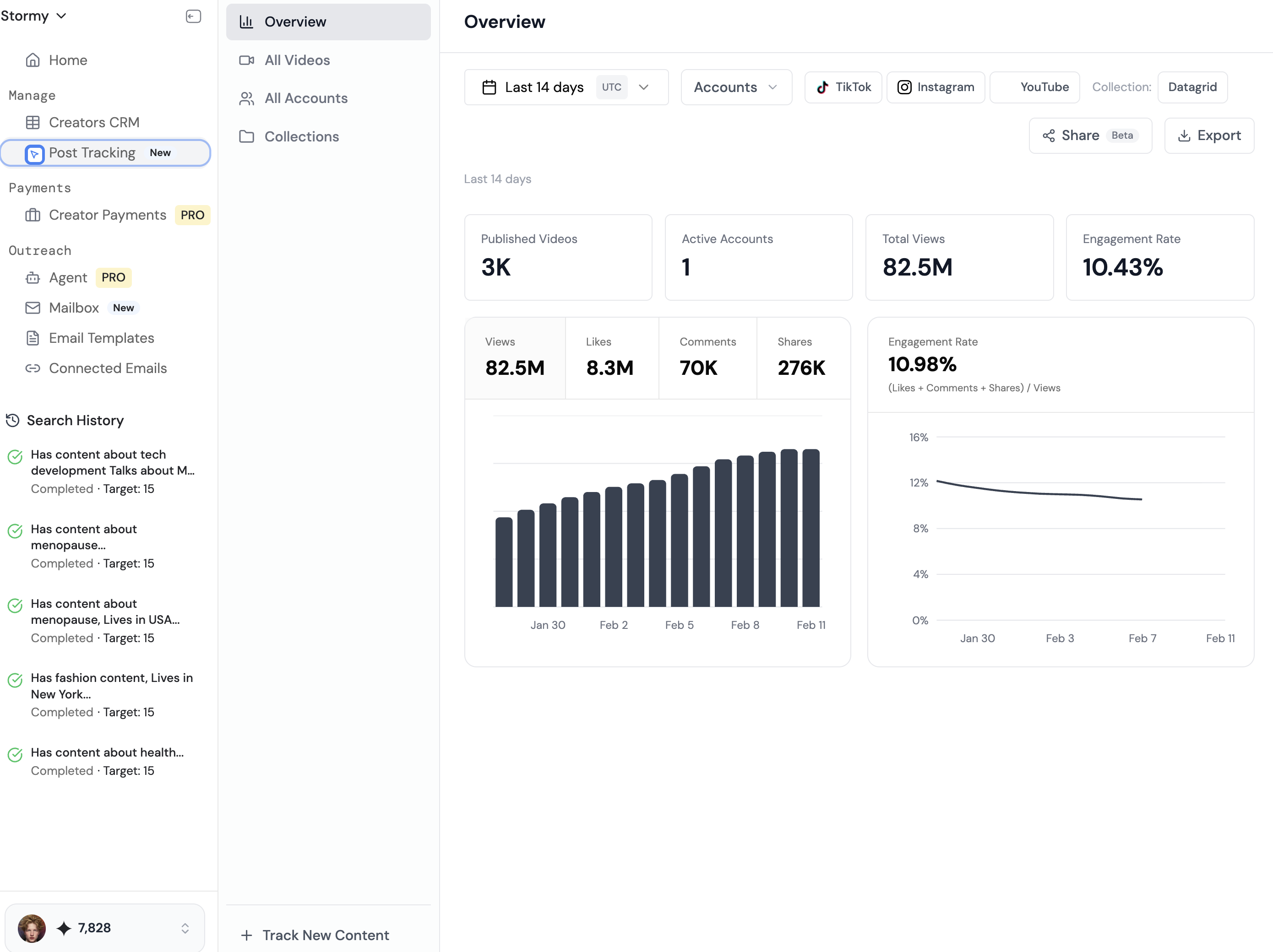
For many retail and service franchises, the secret to shortening the J-Curve is User-Generated Content (UGC). Modern consumers trust other customers more than corporate banners. Using Stormy AI for post tracking and analytics, you can monitor the performance of your UGC campaigns in real-time, finding local creators to visit your location and film their experience for TikTok and Instagram. This AI-powered creator discovery allows you to scale your marketing without the overhead of a traditional agency, helping you reach profitability faster. As you move out of the J-Curve, the enterprise value of your business begins to climb, often trading at 1-2x more EBITDA than an independent business because it is a derisked asset.
Conclusion: From Operator to Owner
The ultimate goal of how to buy a franchise is not to buy yourself a high-paying job, but to build a system that works without you. The most successful ‘Cowboy’ franchisees don’t spend their time flipping burgers or fixing plumbing; they spend their time finding real estate and closing deals with landlords. They hire a COO to oversee their 50-unit portfolio and set up an autonomous AI agent via Stormy AI to handle creator outreach and follow-ups on a daily schedule while they focus on expansion.
If you are willing to follow a playbook, manage the details, and leverage SBA loans for franchise growth, you can build a business that produces millions in annual cash flow. Start by researching the 4,000 brands available, deep-diving into Item 20 of the franchise disclosure document, and making those critical validation calls. The path to wealth is often unsexy, but for the disciplined entrepreneur, it is the most reliable road to the top.