In 2026, the digital landscape is noisier than ever. Cold outreach is effectively dead, buried under a mountain of AI-generated spam and automated DMs. According to recent data on global spam volume, nearly 50% of all emails are filtered before they ever reach a human. Whether you are a founder seeking seed funding, a marketer hunting for a partnership distribution strategy, or an influencer looking to level up your network, the traditional "spray and pray" method no longer works. To thrive this year, you need to stop chasing and start attracting. You need to build your own "Yacht."
The concept of the "Yacht" isn't about luxury seafaring—it's about productized hospitality. It is a strategic framework for creating owned environments—whether physical or digital—that bypass the 10 hurdles of cold introductions and establish instant credibility. By building an asset that people want to be part of, you shift the power dynamic from seeker to host. This is how you generate "inbound luck" and secure the asymmetric returns that define the most successful careers in tech and marketing.
The Aristotle Onassis Philosophy: Why You Need a Yacht
Learn how Aristotle Onassis used a yacht to signal elite status and wealth.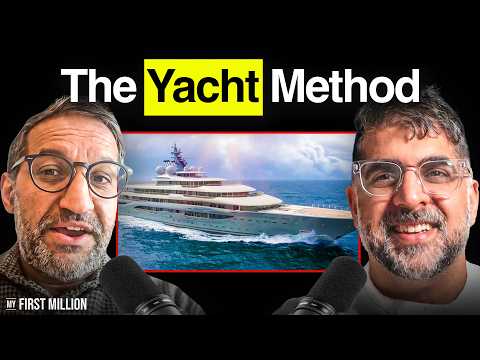
The term comes from the legendary 20th-century shipping magnate Aristotle Onassis. As a tobacco trader turned shipping mogul, Onassis understood that humans are biologically wired to be suspicious of strangers. A cold email is a threat to someone's time; a warm introduction is a gift. Onassis used his physical yacht as a massive social proof engine. From the moment a guest stepped onto his deck, their skepticism vanished. They were on his turf, in his frame, and surrounded by his success. This is a foundational influencer marketing strategy: if you can control the environment, you control the perception.
"From the moment you step foot on a yacht, social proof is done, credibility is done, and you enter their frame. You are literally on their turf."In 2026, your "yacht" doesn't have to cost $100 million. It can be a highly curated dinner party, a specialized Beehiiv newsletter, or an exclusive digital community. The goal is to create an asset that compounds over time, where every new connection increases the value of the platform for everyone else involved.
The Psychology of the Social Proof Barrier
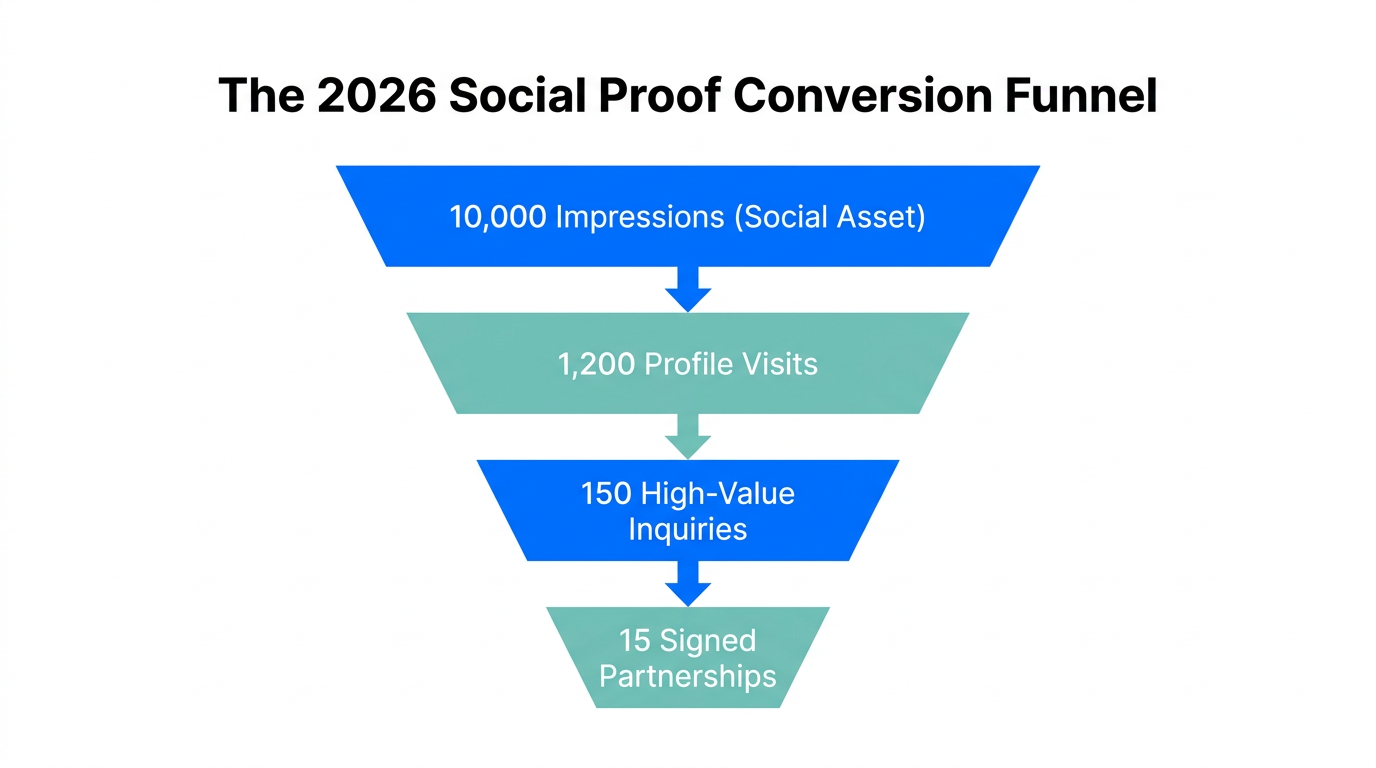
Why does the "Yacht" framework work? Because it clears the social proof barrier before you even ask for a favor. As explained in the psychological principles of influence, people look to others' behavior to guide their own actions. When you invite a high-value creator or potential partner to an exclusive event, you aren't asking for their time—you are offering them access. This bypasses the typical filters that people use to ignore cold outreach. If you are using platforms like Stormy AI to discover creators, your next step shouldn't be a generic pitch. It should be an invitation to join your ecosystem.
| Outreach Method | Power Dynamic | Success Rate (2026) | Compounding Value |
|---|---|---|---|
| Cold Email/DM | Seeker (Low Status) | Low (<1%) | None |
| Warm Intro | Neutral | Moderate | Linear |
| The "Yacht" Method | Host (High Status) | High (>20%) | Exponential |
As the table above illustrates, being the host changes everything. When you use a partnership distribution strategy built around owned assets, you aren't just one of many vendors; you are a peer. This is especially critical for social proof for brands that are just starting out. You don't need a massive budget; you need a compelling frame.
The Law of Reciprocity and Asymmetric Luck
Explore the law of reciprocity and how giving value first builds lasting influence.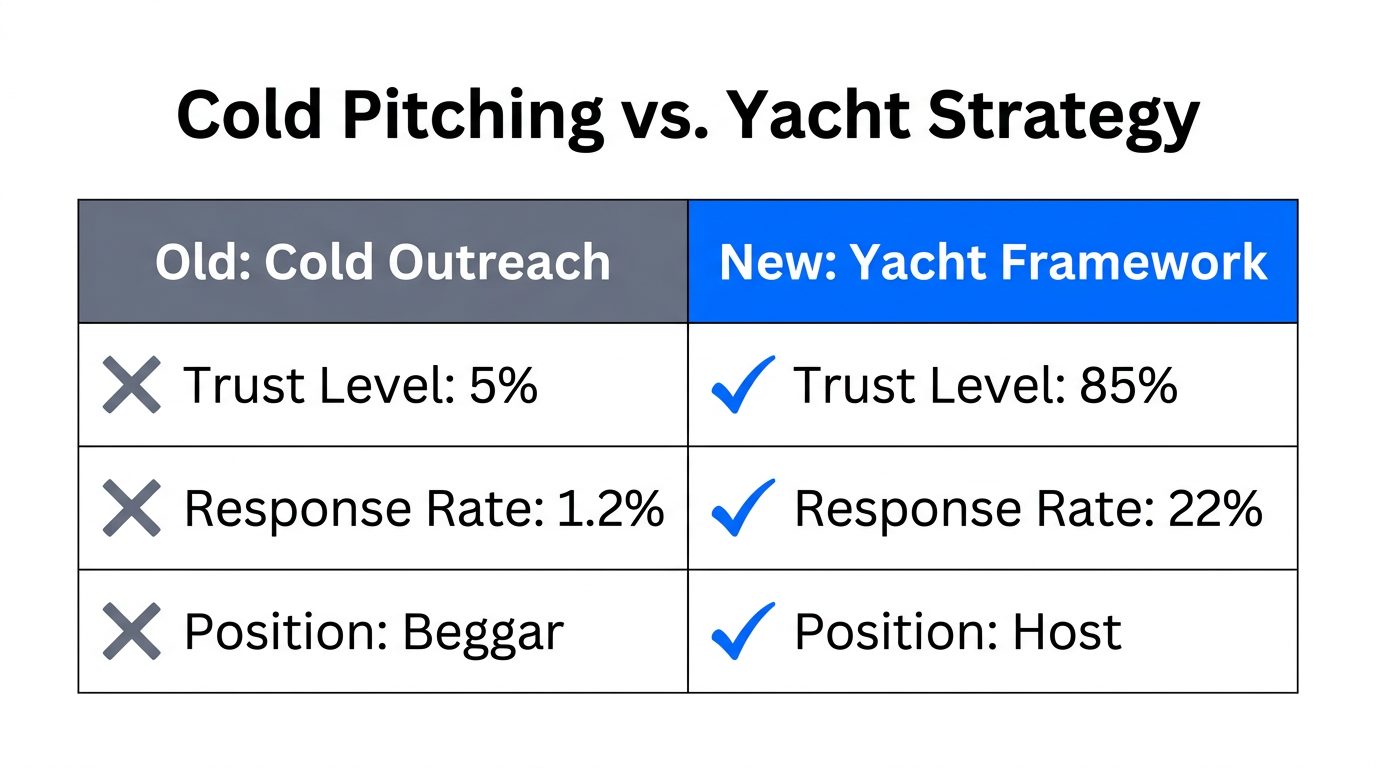
In the world of 2026 marketing, asymmetric risk is your best friend. As tech investors often note, you can only lose your initial investment (the cost of a dinner or a newsletter), but the upside can be 100x or 1,000x that amount. This is the heart of the entrepreneur networking playbook. By providing value first through your "yacht," you trigger the Law of Reciprocity. Psychologically, when you give someone a high-value experience, they feel a subconscious need to return the favor. Often, the return is significantly larger than the initial gift.
Consider the story of investor Chris Sacca. Instead of staying in the crowded San Francisco coffee shop scene, he moved to Tahoe and bought a cabin. He invited founders like Travis Kalanick (Uber) and Kevin Systrom (Instagram) to stay, ski, and soak in the hot tub. By providing a unique, low-pressure environment, he built deeper relationships in a weekend than most VCs build in a decade. This wasn't just a house; it was a productized hospitality asset that fueled some of the greatest investments in history.
Case Studies in Productized Hospitality: From the Jamad to the Breaking Bad House
See how Nick Gray masters hospitality through his famous two-hour cocktail party formula.Successful networkers understand that you can turn anything into a yacht if you take the idea seriously. Travis Kalanick famously hosted the "Jamad" in San Francisco—a simple house where people could crash on the couch if they were in town for a conference. It cost him almost nothing, yet it became a magnet for interesting people and deal flow. In 2026, we see this happening with iconic properties too. The owner of the Stranger Things house in Albuquerque reportedly makes $2,000 a night on Airbnb because they leaned into the memorabilia and the story. They didn't just list a house; they built a "yacht" around a piece of culture.
"Take a simple idea, but take it seriously. Whether it's a poker game or a themed Airbnb, if you take it to the limit, a whole new level of success emerges."Even content creation follows this rule. Look at Brian Johnson’s Blueprint longevity project. He didn't just start a blog; he took biohacking to the limit, publishing every blood marker and biometric online. He built a digital yacht that has made him one of the most influential figures in health today. He turned himself into a platform that others want to be associated with.
Actionable Steps to Build Your "Mini-Yacht" on a Budget
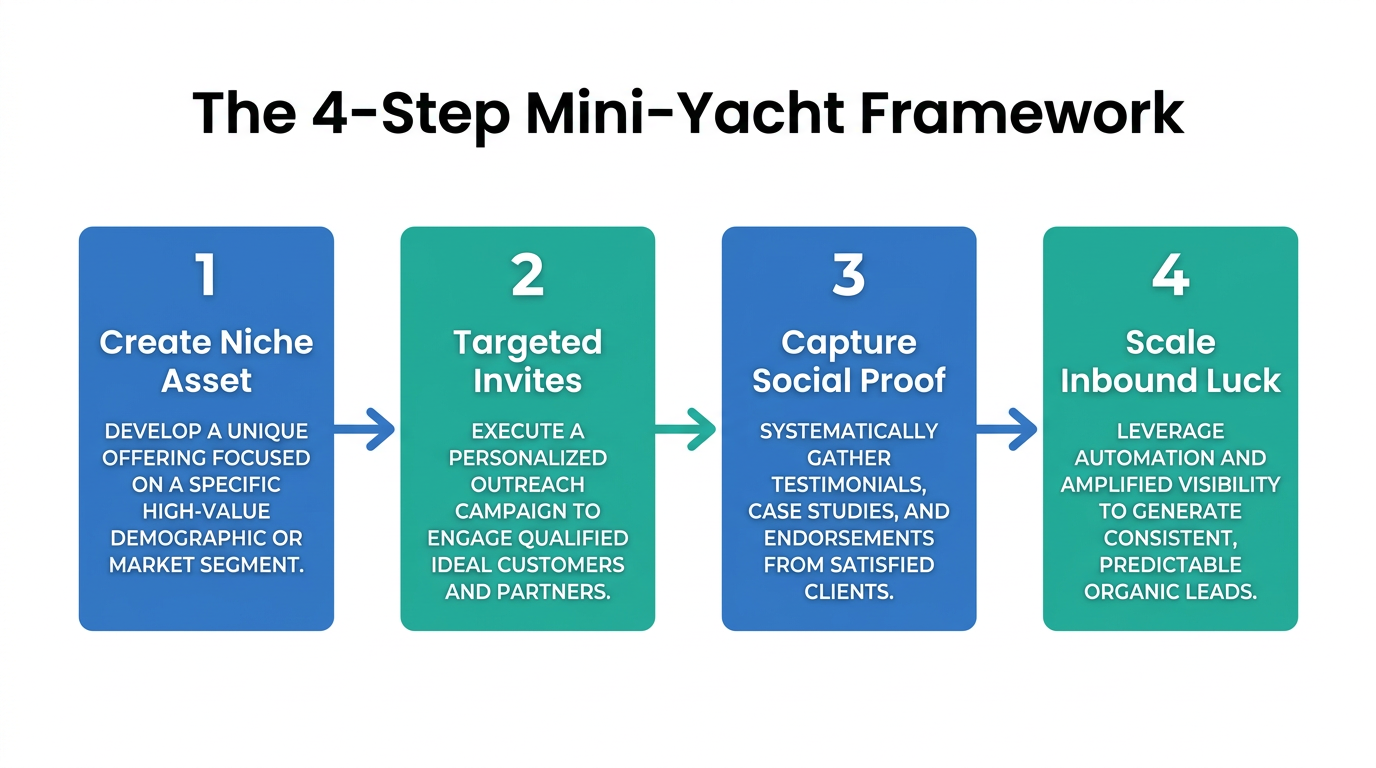
You don't need to be a billionaire to start. You can build a Mini-Yacht today using these steps:
- Identify Your Niche: Don't try to host everyone. If you are in mobile app marketing, host a dinner specifically for UGC creators for app install campaigns using creative best practices.
- Curate the Guest List: Use Stormy AI's search engine to find creators in your niche with high engagement. Don't just look for follower counts—look for audience quality.
- Provide a Unique Frame: Instead of a boring meeting, host a 2-hour cocktail party as popularized by Nick Gray or a themed hike. The environment should be the draw.
- Automate the Logistics: Use AI tools to handle the research. For instance, Stormy AI's outreach agent can help you personalize invitations at scale while you focus on the hospitality.
- Manage the Relationships: Once they've visited your "yacht," track them in a specialized Creator CRM. Relationships compound when you stay top-of-mind.
Leveraging AI to Scale Your Influence Engine
Discover how AI tools provide instant context to supercharge your professional networking efforts.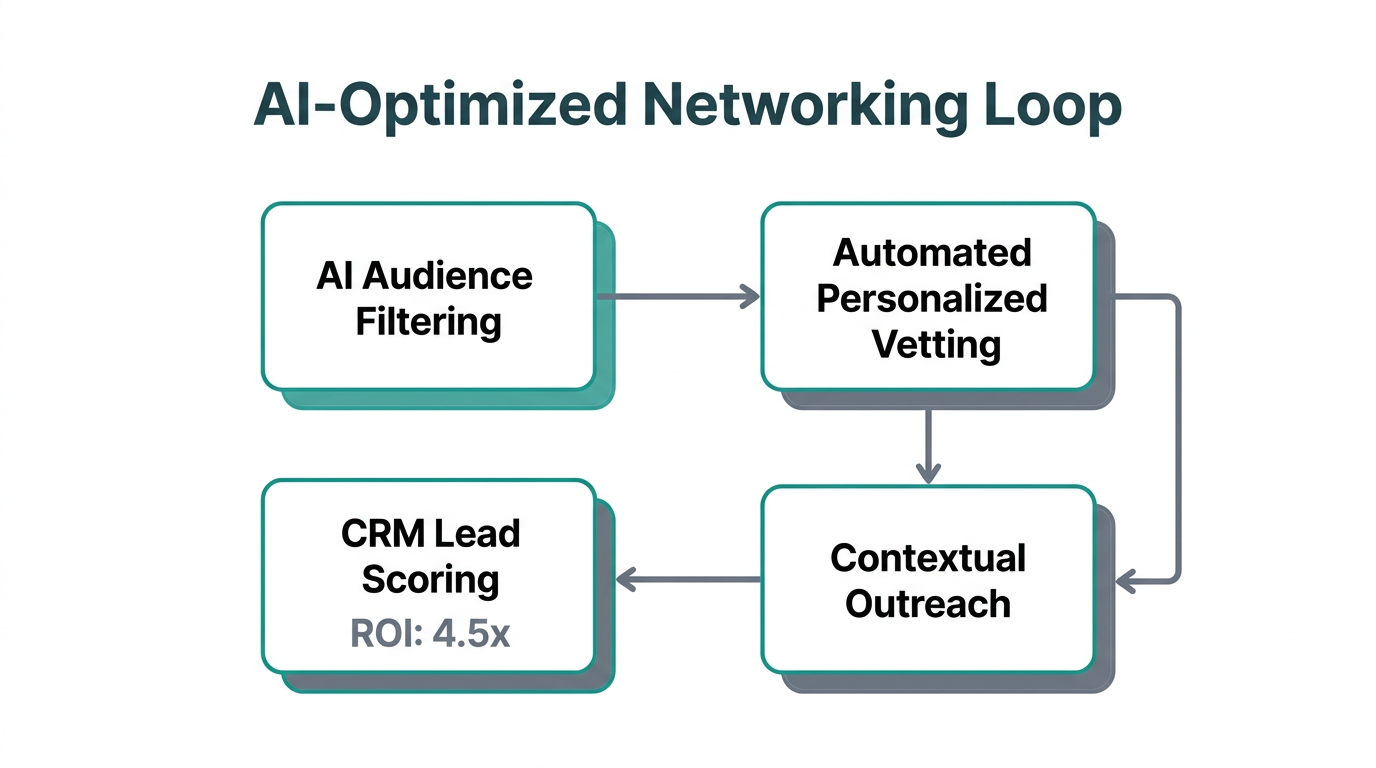
In 2026, the secret to building a yacht isn't more manual labor—it's leveraging AI to handle the "last mile" of connection. As discussed in recent venture capital circles, the companies that thrive are those that solve the domain context and workflow problems. When you use AI to research your guests, understand their content history, and personalize your follow-ups, you are using technology to enhance human connection, not replace it.
For example, you can use models like Claude or ChatGPT to draft highly specific dinner agendas or to summarize the recent work of your invited guests. This allows you to walk into the room with more knowledge and build deeper rapport instantly. You can even use tools like Deli.ai to create digital clones for founder coaching, extending your "yacht" presence even when you aren't physically there.
Conclusion: Stop Pitching, Start Hosting
The goal of the partnership distribution strategy in 2026 is to be the person people want to say yes to. By building a "Yacht"—whether it’s a physical dinner series, a podcast, or an exclusive digital hub—you move away from the linear, low-probability world of cold outreach and into the exponential world of inbound luck. Use tools like Stormy AI to find the right passengers, but remember that you are the captain. Take your simple idea, take it seriously, and watch your social capital compound.