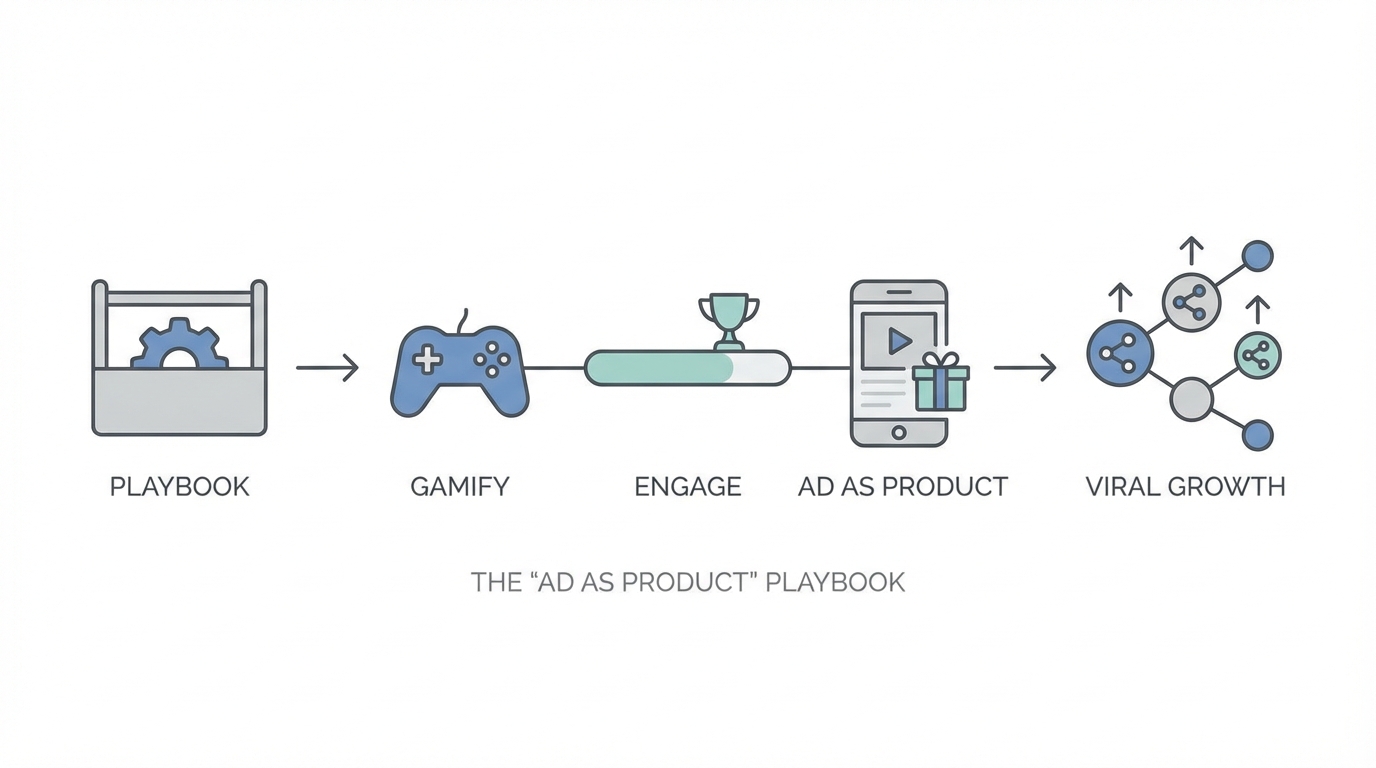
In the modern digital landscape, the biggest threat to your marketing budget isn't a high cost-per-click—it is indifference. Most mobile users have developed a psychological immune system against standard banners and interstitial videos. We skip, we block, and we ignore. But what if an ad didn't feel like a disruption? What if the advertisement itself was the product? This shift from disruptive to experiential marketing is the core of the 'Ad as Product' playbook. By leveraging gamified advertising and mobile ad engagement, brands can transform a message into a 'cheap mystery' that users actively seek out every day.
The Problem with Disruption: Why Ads Are Usually in the Way
Most advertising fails because it is fundamentally 'in the way' of what the user actually wants to consume. Whether you are scrolling through TikTok or checking updates on LinkedIn, an ad is an obstacle between you and your destination. Jason Fried, the co-founder of 37signals, suggests a radical alternative: make the ad the primary reason the user opened the app in the first place. This requires a shift in how we think about interactive marketing strategies.
Great advertising is rare because it’s hard to build a standalone experience within a promotional context. To move away from the 'boring' clinical nature of modern software, marketers need to embrace a hobbyist ethos. The goal is to create experiential digital ads that feel 'cozy' rather than clinical. When an ad provides a moment of delight or a small thrill, it ceases to be an annoyance and becomes a utility or a piece of entertainment.
The Psychology of 'Cheap Mysteries'
One of the most potent tools in the 'Ad as Product' playbook is the concept of the cheap mystery. Consider the humble scratch-off lottery ticket. People don't just buy them for the potential payout; they buy them for the 25 seconds of mystery between purchase and reveal. It is a low-stakes, high-engagement activity that taps into a fundamental human curiosity.
In a digital context, this can be replicated through simple gamified advertising mechanics. Imagine an app where, once a day, a full-screen ad appears covered in a digital gray substrate. The user must physically use their finger to scratch off the 'dust' to reveal the message or the prize. This simple act of removal versus addition creates a much deeper level of focus than a static image. When users are physically clearing the screen, they are fully present with the brand's creative assets.
Building Habit Loops Through Variable Rewards
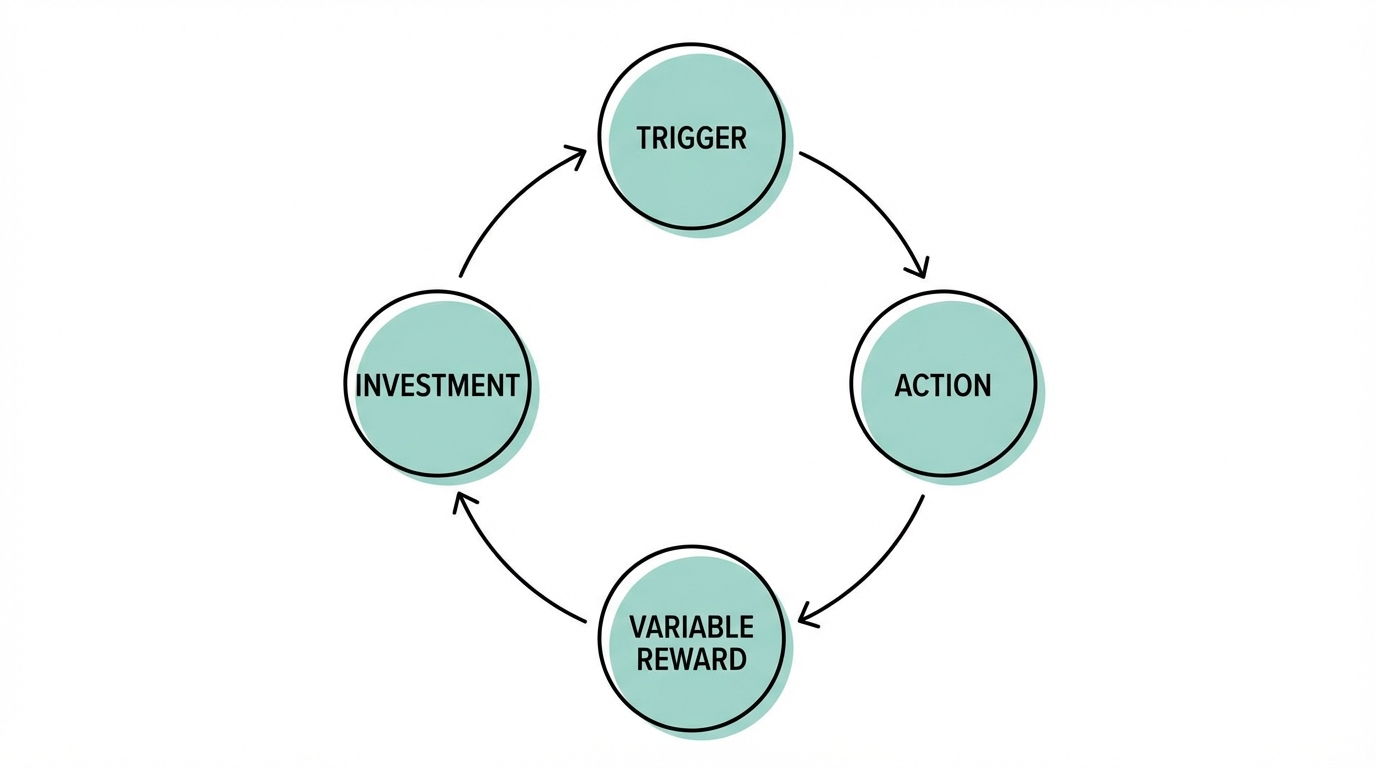
To ensure long-term mobile ad engagement, your gamified experience must employ variable rewards. If every user wins every time, the mystery is gone. If no one ever wins, the motivation vanishes. The sweet spot is a 'long shot'—perhaps only 5% of users receive a high-value coupon or prize, while others get nothing but the satisfaction of the interaction.
This is the same psychological trigger used by Stripe-integrated gambling apps or social media feeds. You don't know if the next 'scratch' will yield a reward, which keeps you coming back the next day. By limiting the interaction to once per day, you create an appointment-based experience. This prevents burnout and turns the ad into a daily ritual rather than a spammy notification. You can track these interactions using Google Analytics to refine the probability of rewards and maximize user retention.
Implementing Physical Triggers: Haptics and Microphones
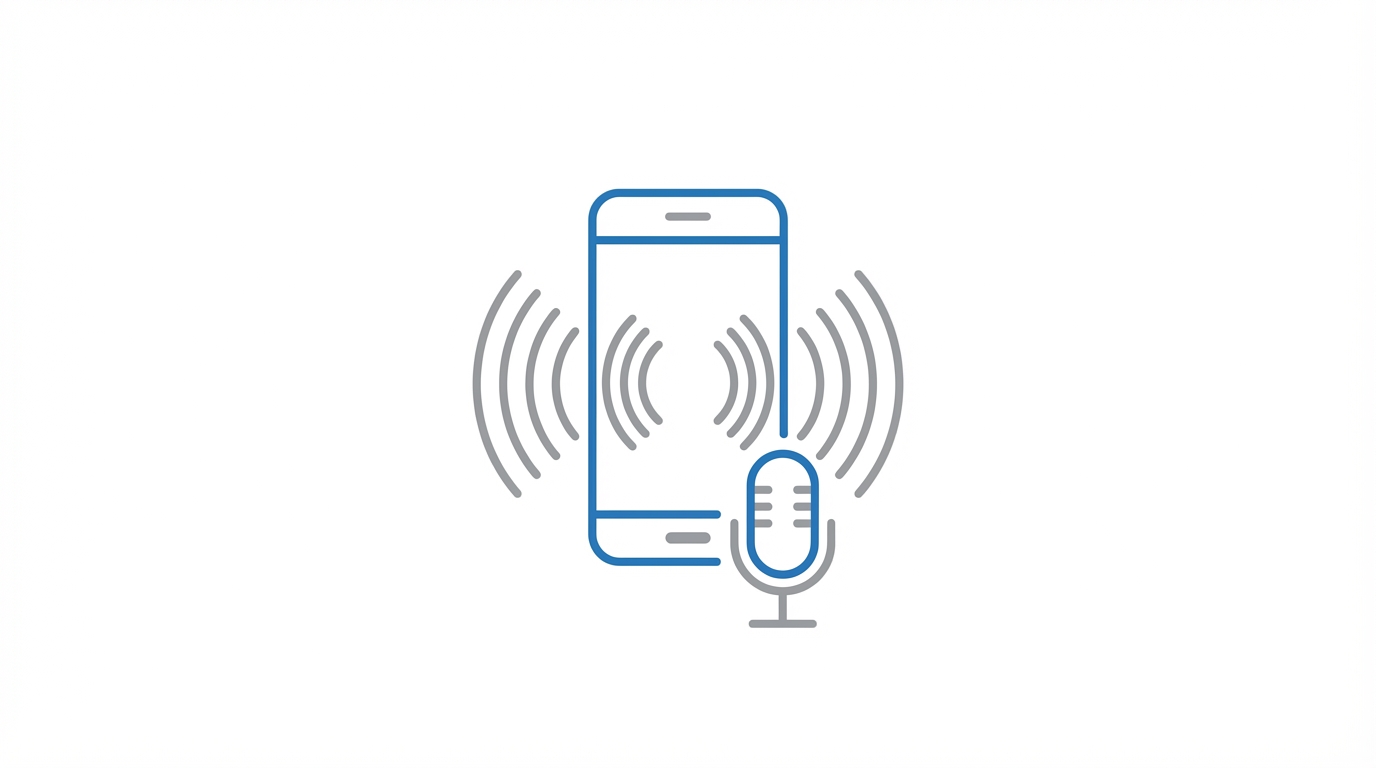
Mobile phones are not just screens; they are sensory devices. To truly build a 'product' out of an ad, you must utilize the device's full capabilities. This includes haptic feedback (vibrations that mimic the feeling of scratching) and even the microphone. Imagine a digital scratch-off where, after scratching with your finger, you have to blow into the microphone to 'clear the dust' from the screen.
These physical interactions remove the 'uncanny valley' of digital advertising. If the simulation of the scratch is precise—where pressure sensitivity changes the thickness of the line—the user feels a sense of tactile satisfaction. This level of detail is what separates a 'Domino’s pizza' ad from a 'Naples-style' experience. It’s about the Margarita Pizza problem: simple ingredients (dough, sauce, cheese) that only work if the execution is world-class. Brands that master these physical triggers see significantly higher engagement rates on platforms like Apple Search Ads because the app itself becomes a novelty worth downloading.
The 'Had to Be There' Effect: Real-Time Engagement
A major flaw in modern app monetization models is the 'always-on' nature of the internet. When everything is available on demand, nothing feels special. The 'Ad as Product' playbook suggests adding opening and closing hours to your digital experiences. This was the genius behind HQ Trivia. By having a live event at the same time every day, they created a global phenomenon where people felt part of something bigger.
You can apply this to experiential digital ads by hosting a 'Mystery Reveal' at a specific time, such as noon GMT. The probability of winning could even be tied to how close the user is to the 'live' moment. If they participate within the first five minutes, their odds of a reward increase. This creates a surge of traffic and a sense of communal participation that static ads on Meta Ads Manager simply cannot replicate.
The 'Ad as Product' Playbook: A Step-by-Step Framework
Converting a standard brand message into a gamified mobile experience requires a disciplined approach. Follow these steps to build your own:
Step 1: Define the Mystery
Start with a clear 'gray substrate.' What is the user uncovering? Is it a new product reveal, a secret discount, or a piece of 'weird' content? The mystery must be compelling enough to justify the effort of the interaction. Use a tool like Notion to map out the narrative arc of the reveal.
Step 2: Design the Interaction Dynamics
Choose your physical triggers. Will users scratch, blow, shake, or tilt their phones? Ensure the simulation is realistic. If you are simulating a steamy shower door, for instance, the drips and the way the 'steam' fogs back up must feel natural. This 'cozy' design aesthetic is what keeps users from feeling like they are being marketed to.
Step 3: Establish the Variable Reward Logic
Decide on your 'payout' structure. A common mistake is being too generous. To maintain the habit loop, the reward must feel earned and rare. Use variable rewards to keep the odds low enough that a win feels significant. You might integrate with Shopify to automatically generate unique, high-value discount codes for the winning percentage of users.
Step 4: Scale Through Creator Discovery
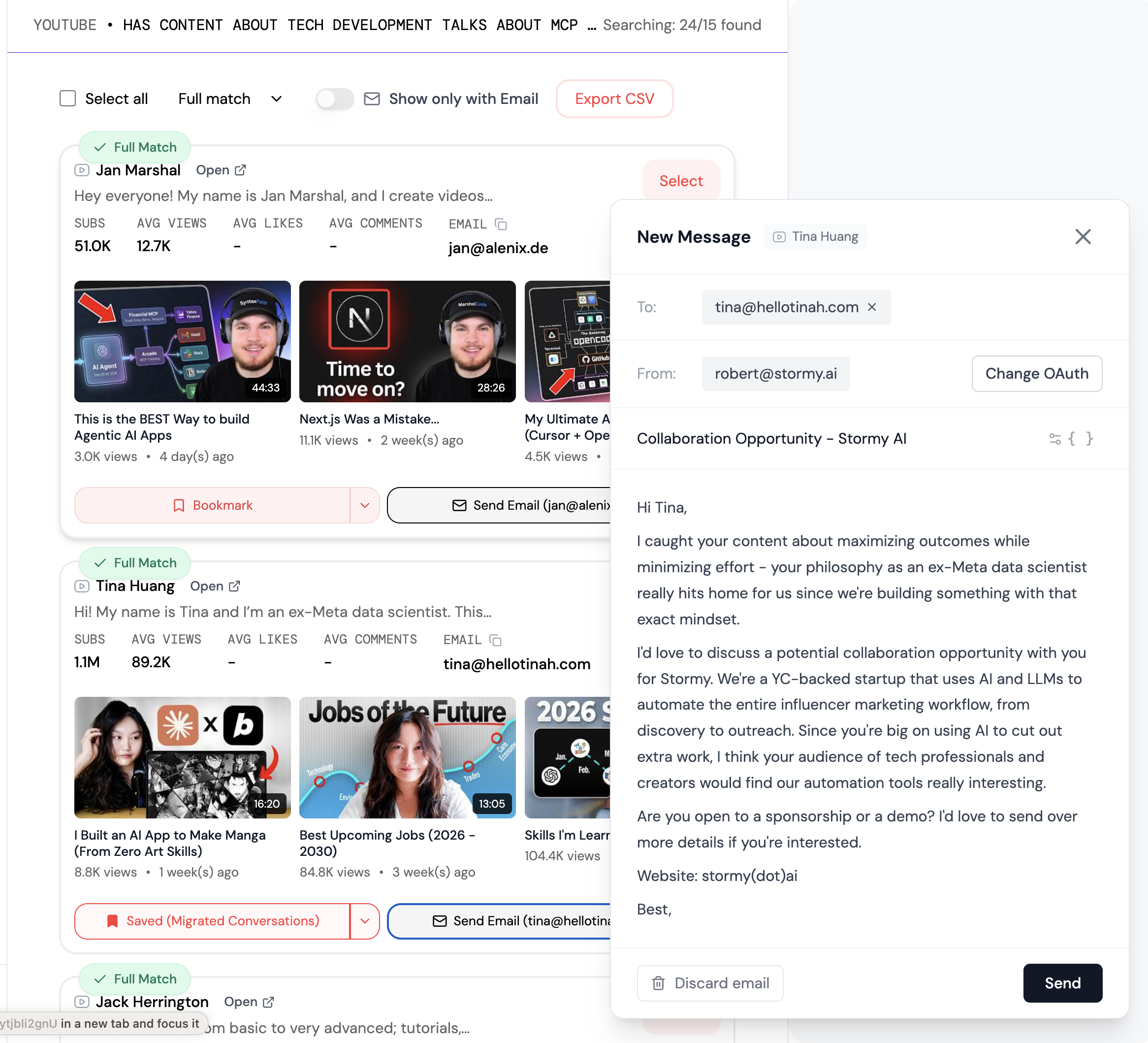
To get the word out, you need to find the right voices. This is where modern AI tools become essential. To execute this at scale, brands often turn to UGC creators who can demonstrate these interactive experiences. Modern platforms like Stormy AI allow marketers to discover creators on TikTok and Instagram who specialize in tech, app reviews, and gaming. These creators can film themselves interacting with the ad, proving the 'mystery' is real and driving viral installs.

Step 5: Automate Outreach and Vetting
Once you’ve found potential creators to promote your gamified ad, you need to manage the relationship efficiently. Managing a high volume of creator relationships for a gamified campaign requires a robust creator CRM to track interactions and deliverables. Using Stormy AI's automated outreach, you can contact hundreds of creators with personalized emails, allowing your campaign to scale while you focus on the creative mechanics.
Making the Internet Weird Again: The Competitive Advantage
The current software industry is often too serious. Every app wants to be an 'asset class' or a productivity powerhouse. By making your experiential digital ads 'weird' or quirky, you tap into a hobbyist culture that is currently underserved. Ephemeral experiences—like a website you can only visit once or an app that only works for three minutes a day—create a level of awe that is missing from clinical, modern design.
This 'weirdness' is actually a massive competitive advantage. When you launch a campaign on Google Ads that leads to a gamified, time-limited experience, your conversion rates often skyrocket because you are offering a novelty. Users aren't just clicking a link; they are entering a playground. This approach builds brand affinity far faster than any standard video ad could ever hope to achieve.
Conclusion: Embracing the 'Ad as Product' Philosophy
Building viral gamified ads requires a fundamental shift in perspective. You are no longer just a marketer; you are a product designer. By focusing on cheap mysteries, variable rewards, and physical device triggers, you can create interactive marketing strategies that users don't just tolerate—they anticipate. Whether you are building a digital scratch-off or a 'steamy shower' sketchpad, the goal is to delight and surprise. Start by identifying the 'mystery' in your brand and use the 'Ad as Product' playbook to let your users uncover it for themselves.